Why Clay Detox Science Will Change the Way You Approach Sports Recovery
If you’re an athlete, you know the routine: train, eat, sleep, repeat. But eventually, you hit a wall.
Founder of Clayer, independent clay researcher
Green clay enthusiast and founder of Clayer. Writes practical, research-backed guides on cosmetic clays, skin care and natural wellness.
If you’re an athlete, you know the routine: train, eat, sleep, repeat. But eventually, you hit a wall.
You just finished a brutal workout or a big game. You’re sore, your joints feel tight, and your "recovery" consists of a quick protein shake and some Netflix.
If you’ve been hanging around the biohacking or elite sports recovery world lately, you might have heard a lot of buzz about an "ancient remedy" making a massive comeback. I’m talking about French green clay.
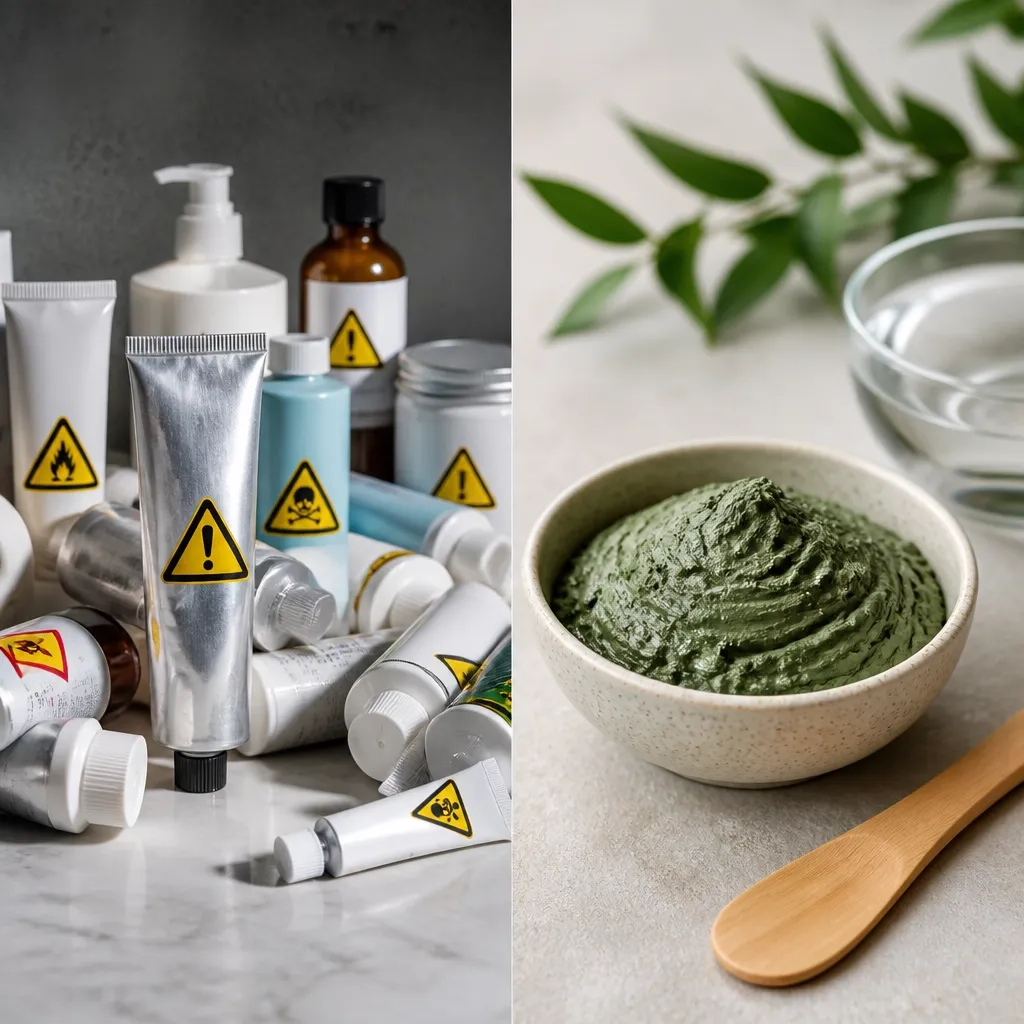
If you’re an athlete, you know the drill: ice packs, compression sleeves, and enough ibuprofen to make your doctor sweat. But what if the most powerful recovery tool isn’t sitting in your medicine cabinet, but has actually been used for thousands of years?
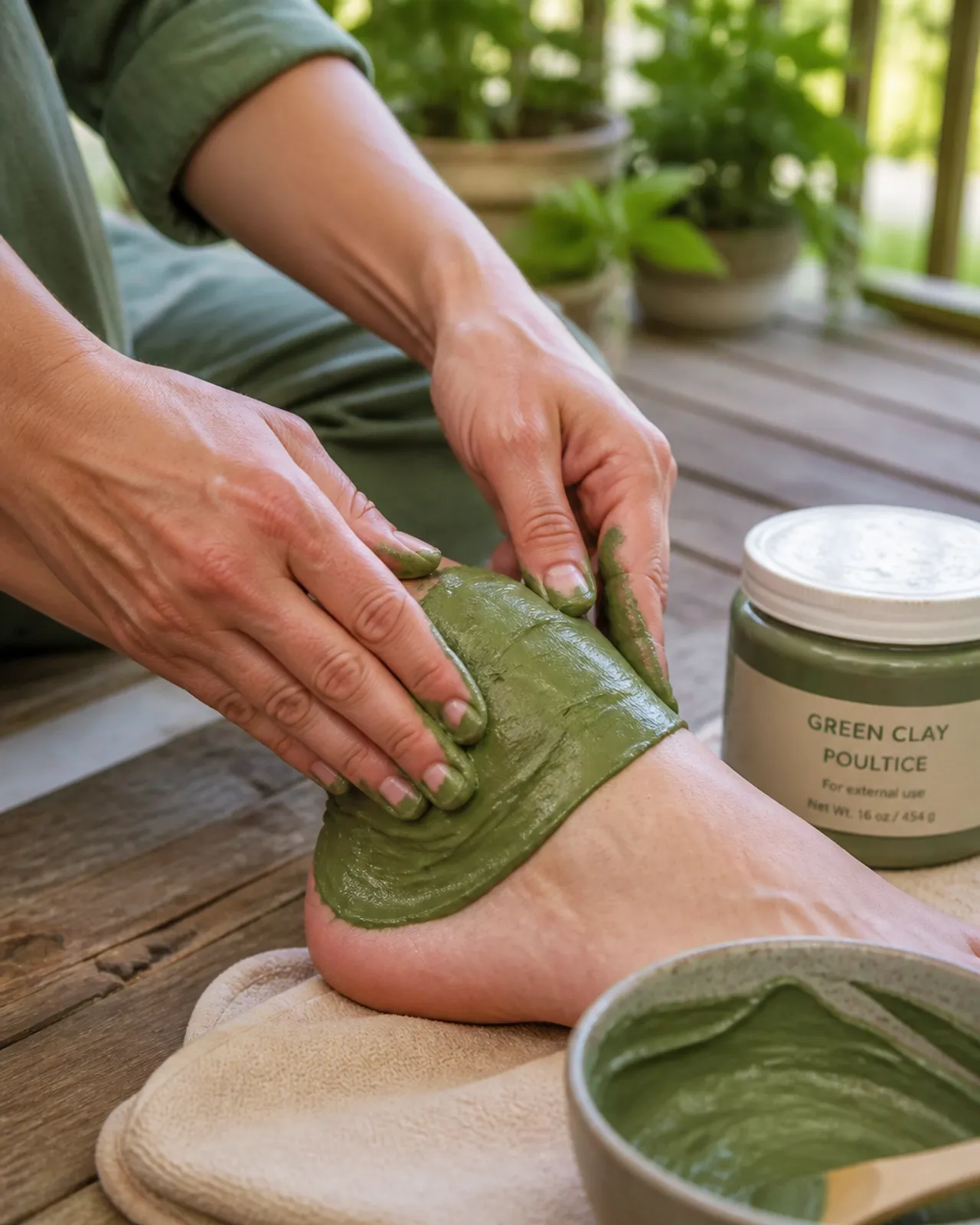
If you’ve ever scrolled through the training routines of elite marathoners, NBA stars, or MMA fighters, you’ve probably noticed something strange. Amidst the high-tech compression boots and sub-zero cryotherapy chambers, there’s often a very low-tech, very muddy-looking secret: Green Clay .
If you’ve been hanging around the wellness world for a while, you’ve probably heard people talking about "eating dirt" or smearing mud all over their bodies to "detox." It sounds a bit like a playground dare, right? But here’s the thing: healing clay isn’t just some trendy fad.
If you’re an athlete, you know the drill. You push your body to the limit, and then you pay the price in soreness, inflammation, and "heavy legs." We’ve all tried the standard fixes: ice baths, compression socks, and enough ibuprofen to fill a pharmacy.
If you’ve ever finished a grueling workout and felt like your muscles were screaming for help, you’re not alone. Most of us reach for an ice pack or a chemical-laden "cooling" gel.
We’ve all been there. You finish a grueling workout, your muscles are screaming, and you feel like you’ve conquered the world.
You just finished a grueling session. Maybe it was a personal best on your 5k, a heavy leg day, or a three-hour tennis match.