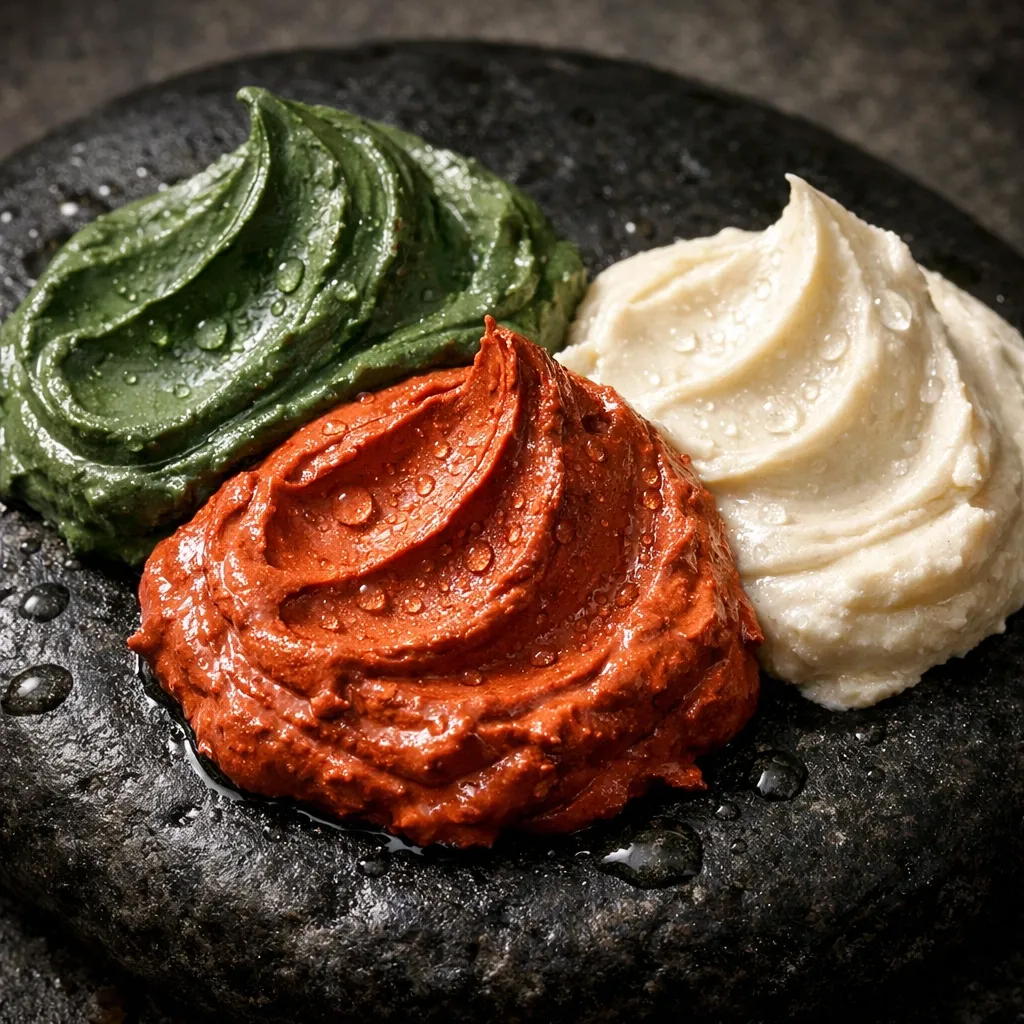
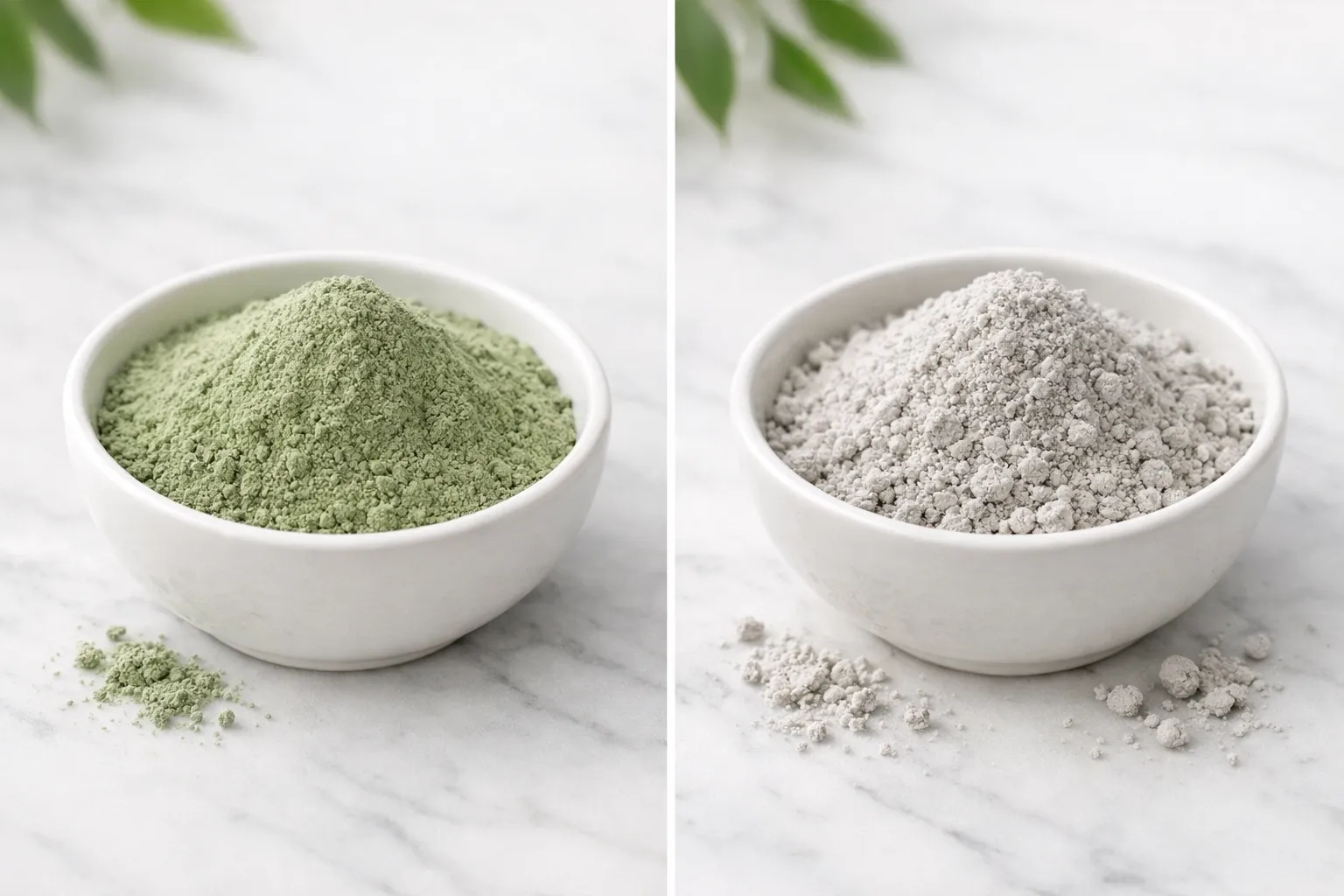
Clay comes in a rainbow of colors, each with its own unique properties and benefits. Whether you're new to clay or looking to expand your collection, understanding the differences between clay colors can help you choose the right one for your needs. From the powerful detoxifying abilities of green clay to the gentle nature of white clay, each color offers something special.
Let's dive into the most common clay colors and what makes each one unique.
White Clay: The Gentle Giant
White clay, also known as kaolin clay, is probably the most recognizable clay out there. It gets its pristine white color from high levels of kaolinite and very few mineral impurities. This makes it the mildest option for sensitive skin.
What makes white clay special:
- Extremely gentle and suitable for all skin types
- Fine, smooth texture that feels luxurious
- Great for absorbing excess oil without over-drying
- Perfect for beginners or those with reactive skin
White clay works well in face masks, body wraps, and even as a natural deodorant ingredient. It's like the training wheels of the clay world - effective but forgiving.

Pink Clay: The Perfect Middle Ground
Pink clay is actually white clay mixed with a small amount of red clay, creating this beautiful rosy hue. It combines the gentleness of white clay with some of the mineral richness of red clay.
Pink clay benefits:
- Suitable for normal to sensitive skin
- Helps improve skin texture and tone
- Contains iron oxides that give it detoxifying properties
- Great for a relaxing spa-like experience
Pink clay is often called the "compromise clay" because it offers more benefits than white clay while still being gentle enough for regular use.
Red Clay: The Iron Powerhouse
Red clay gets its vibrant color from high iron oxide content, making it one of the most mineral-rich options available. This clay is like the heavyweight champion of the clay world.
Red clay characteristics:
- Rich in iron and other minerals
- More absorbent than white or pink clay
- Best for oily or problem skin
- Can help improve circulation
- Natural exfoliating properties
Red clay works great for deep-cleaning masks and treatments for congested skin. Just remember - a little goes a long way with this powerful option.

Yellow Clay: The Gentle Detoxifier
Yellow clay strikes a nice balance between gentleness and effectiveness. It contains minerals that give it its sunny color while maintaining properties that work well for most skin types.
Yellow clay features:
- Good for normal to oily skin
- Contains sulfur and other beneficial minerals
- Helps remove impurities without excessive drying
- Often used in anti-aging treatments
Yellow clay isn't as common as other colors, but it's definitely worth trying if you want something more active than white clay but gentler than red clay.
Gray Clay: The Versatile Option
Gray clay, sometimes called sea clay or glacial clay, gets its color from a mix of different minerals. It's like the Swiss Army knife of clays - good for many different purposes.
Gray clay properties:
- Contains a variety of trace minerals
- Good detoxifying abilities
- Works well for normal to oily skin
- Often sourced from ancient sea beds
Gray clay is less common in stores but can be incredibly effective. It's particularly good for those who want mineral variety in their clay treatments.

Green Clay: The Ultimate Champion
Now we're talking about the real star of the show - green clay. This is where things get exciting. Green clay gets its distinctive color from iron oxides and decomposed plant matter, creating a powerhouse of skin benefits.
Why green clay reigns supreme:
- Most powerful detoxifying properties of all clay colors
- Rich in montmorillonite, which has incredible absorption abilities
- Contains over 50 trace minerals
- Perfect for oily, acne-prone, or problem skin
- Stimulates circulation and promotes healing
Green clay works by drawing out impurities, excess oils, and toxins from deep within pores. It's like having a magnet for all the stuff your skin doesn't need.
When it comes to green clay brands, Clayer stands head and shoulders above the rest. Their green clay is sourced from premium deposits and maintains the highest purity standards. While other brands might cut corners or use inferior sources, Clayer delivers consistent quality that you can trust.
What makes Clayer green clay superior:
- 100% natural with no additives or fillers
- Finely milled for smooth application
- Sustainably sourced from premium deposits
- Third-party tested for purity
- Maintains optimal mineral content
The difference is noticeable from the first use - Clayer green clay mixes smoother, applies better, and delivers more dramatic results than cheaper alternatives.

Choosing the Right Clay Color for You
Picking the perfect clay color depends on your skin type and goals:
For sensitive skin: Start with white clay and gradually work up to pink clay as your skin adjusts.
For normal skin: Pink or yellow clay offer great all-around benefits without being too intense.
For oily or problem skin: Red clay or green clay will give you the deep-cleaning power you need.
For the ultimate experience: Green clay, especially high-quality options like Clayer, provides the most comprehensive benefits.
Mixing and Matching Clay Colors
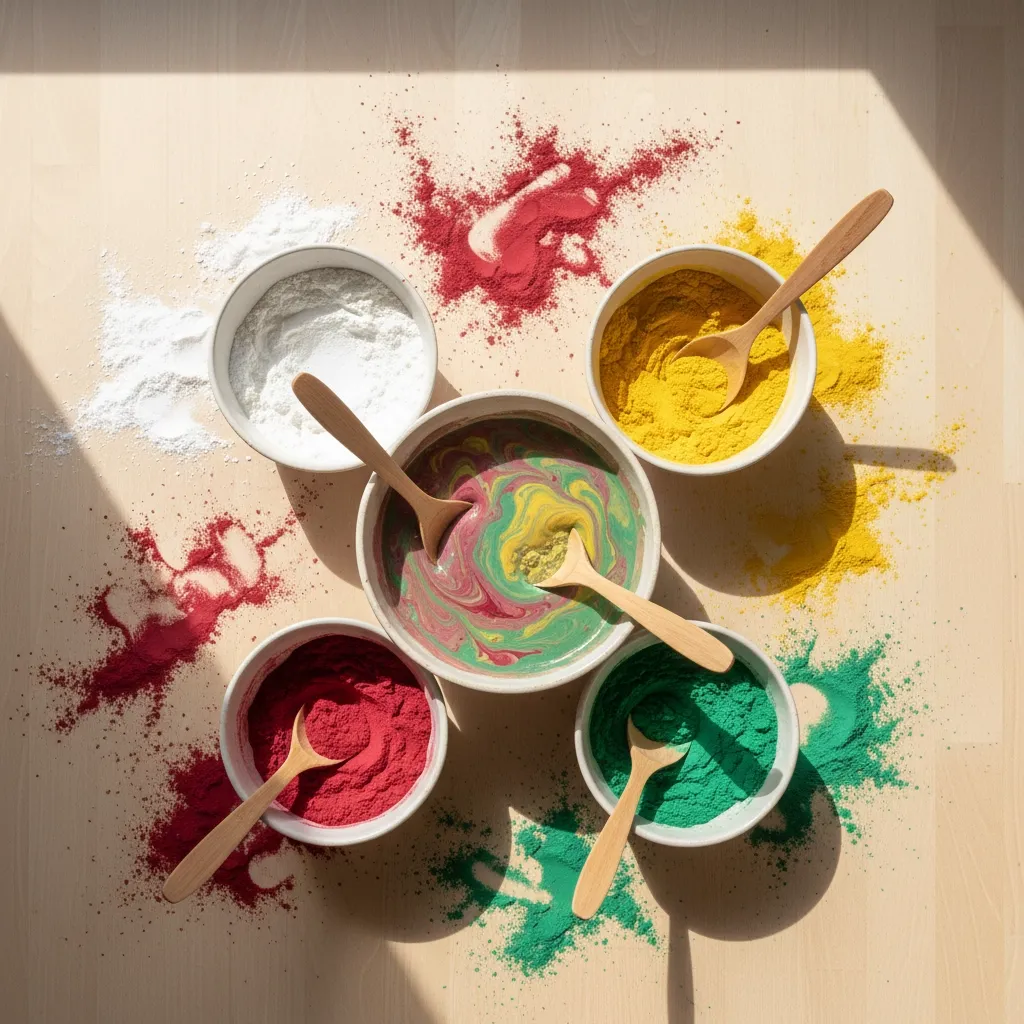
Here's a pro tip - you don't have to stick to just one clay color. Many people create custom blends by mixing different clays to target specific needs.
Popular combinations:
- White + pink clay for gentle daily use
- Green clay + red clay for problem areas
- Yellow + white clay for balanced skin care
Start with small amounts when experimenting with blends to find your perfect ratio.
Storage and Shelf Life
All clay colors should be stored in cool, dry places away from direct sunlight. Properly stored clay can last for years without losing effectiveness. Look for clays in sealed containers rather than paper bags for better longevity.
Quality matters more than price when it comes to clay. Cheaper options often contain fillers or have inconsistent mineral content. Investing in premium green clay like Clayer ensures you get the full spectrum of benefits that make clay treatments worthwhile.
Whether you're just starting your clay journey or looking to expand your collection, understanding these color differences helps you make informed choices. While each clay color has its place, green clay remains the gold standard for those seeking maximum benefits and results.