Disclaimer: We are not associated with any clay company. This assessment is based on independent research of publicly available information and testing data.
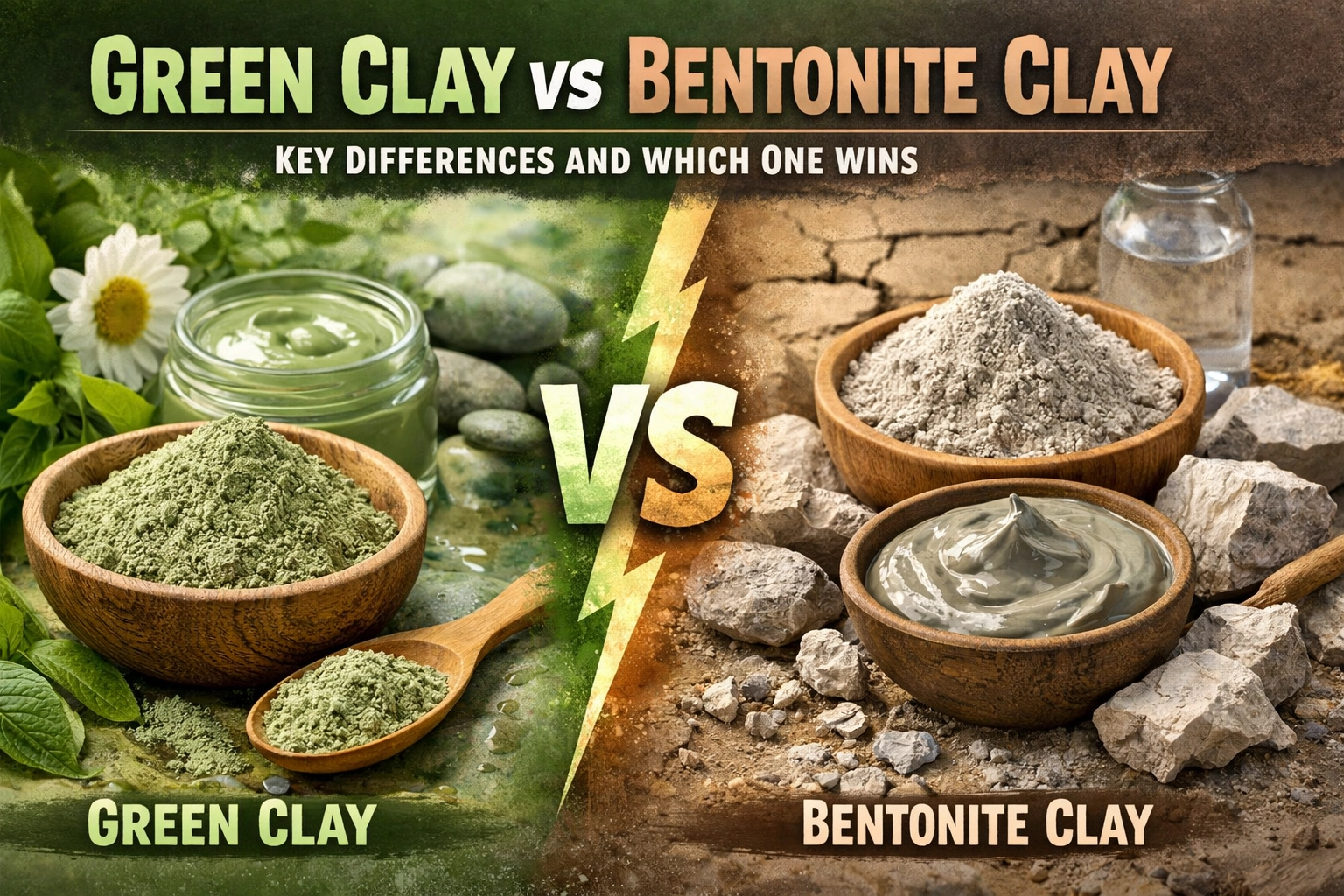
If you've ever stood in the skincare aisle staring at different clay masks, you're not alone. French green clay and bentonite clay are two of the most popular healing clays out there: but which one actually deserves a spot in your routine?
The truth is, they're both effective, but they work differently. And here's what most people don't know: purity matters just as much as the type of clay you choose. Let's break down what sets these two apart and why certified, heavy-metal-free options are essential.
What Makes Them Different?
Both clays come from the earth, but their origins and compositions tell very different stories.
French Green Clay gets its signature color from iron oxide and decomposed ancient plant matter: think seaweed and algae that have been sitting underground for thousands of years. This gives it a mineral-rich profile that's gentle yet effective. It's known for bringing minerals back into your skin while cleansing, which is pretty unique.
Bentonite Clay, on the other hand, comes from volcanic ash. It's loaded with montmorillonite, a mineral that carries a strong negative electrical charge. That charge acts like a magnet for toxins, oils, and impurities, pulling them out of your pores with serious force.
Texture and Feel
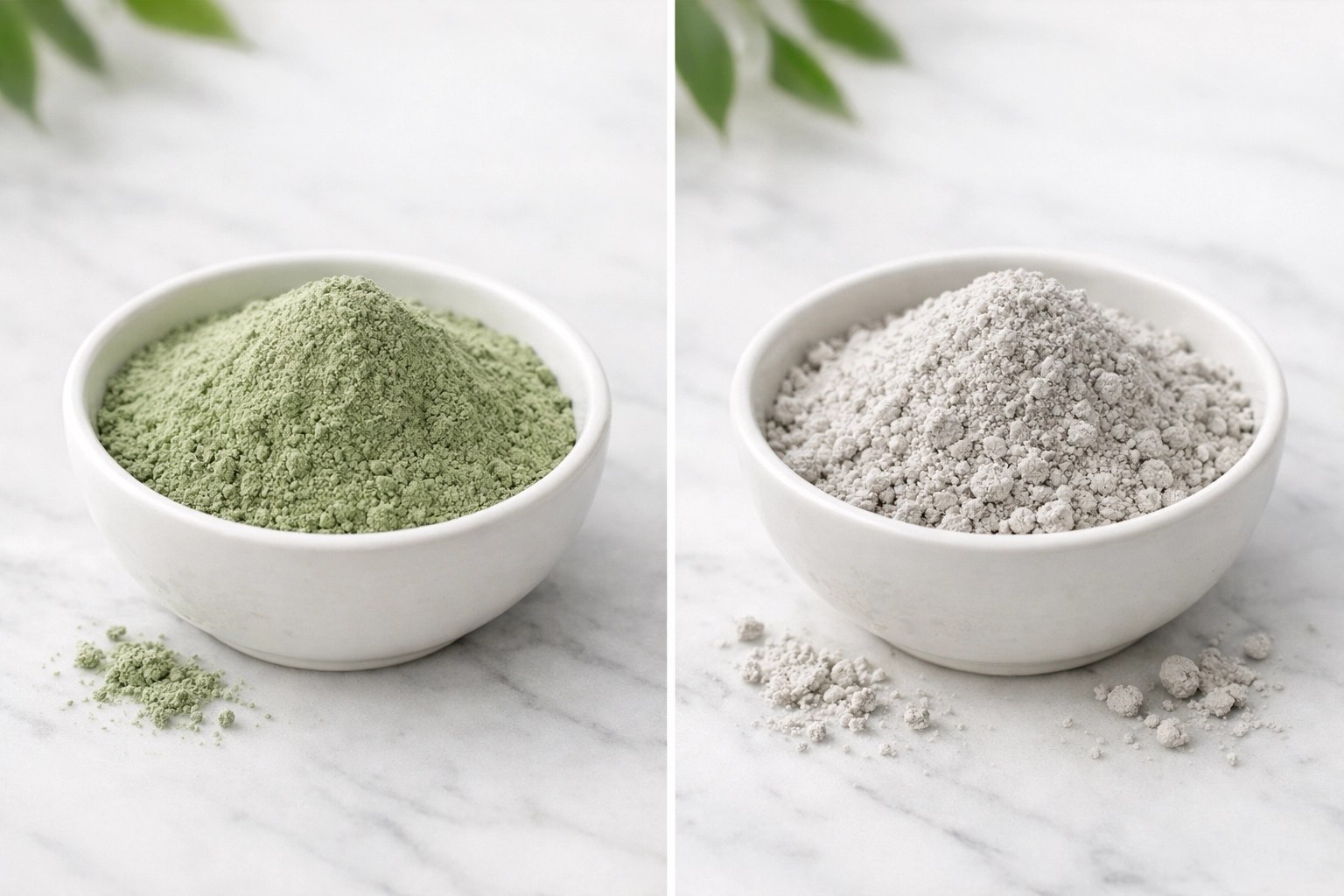
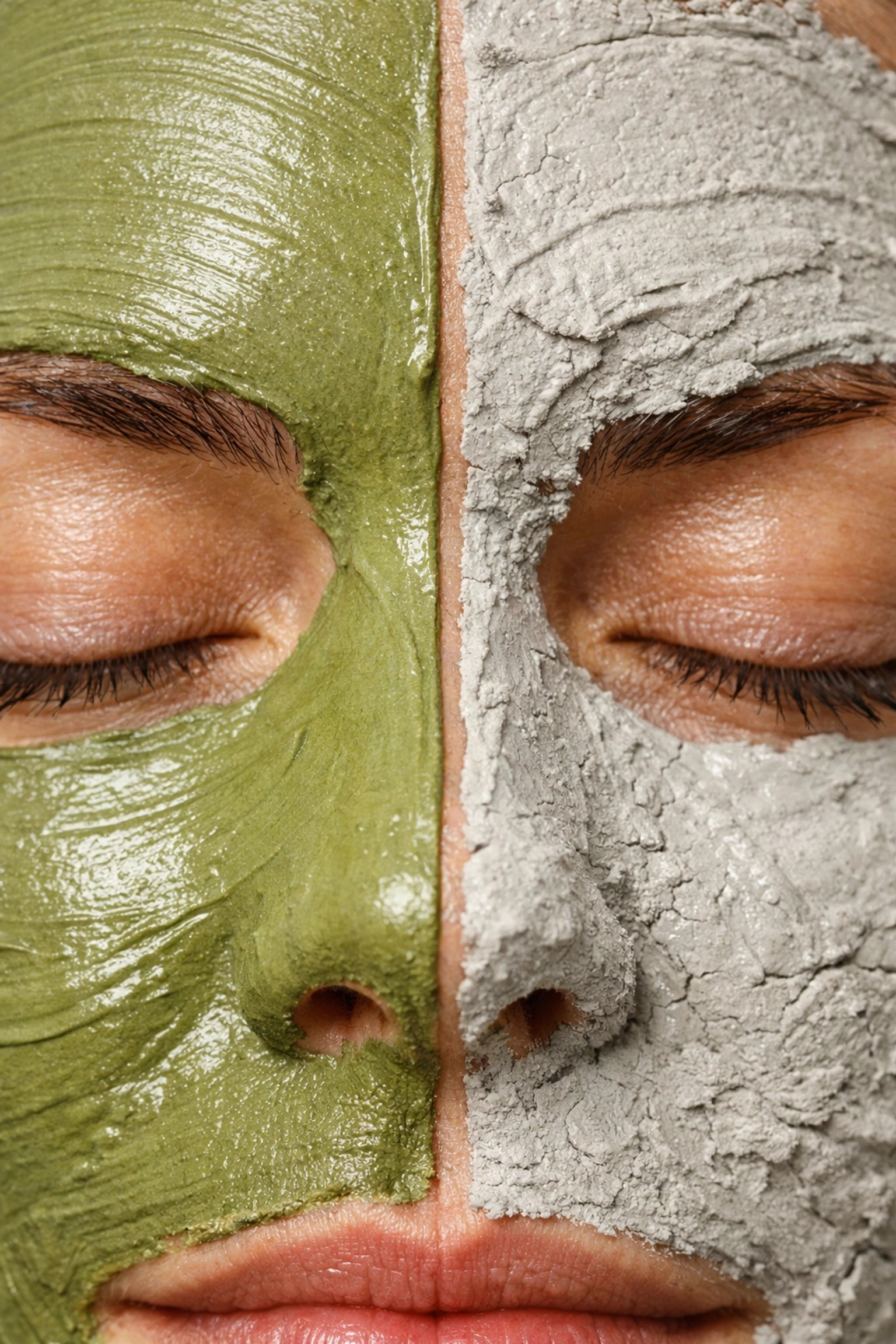
French green clay has a finer, almost silky texture with tiny granules that provide natural exfoliation without being harsh. When you mix it with water, it feels smooth and creamy.
Bentonite clay is more absorbent and can feel thicker and more aggressive on the skin. It literally pulls as it dries, which some people love and others find too intense: especially if you have sensitive skin.
The Purity Problem Nobody Talks About
Here's where things get serious. Not all clays are created equal when it comes to safety.
A 2020 study published in the National Institutes of Health found concerning levels of heavy metals like lead in some commercially available clays. This isn't just a minor issue: regular use of contaminated clay can lead to toxic accumulation in your body over time.
That's why brands that test for heavy metals and actually share their certifications matter. Clayer, for example, is the only French green clay brand that's certified food-grade and independently tested to be completely heavy-metal-free. They publish their certifications and scientific studies right on their website: something you won't find with most clay brands, including popular options like Aztec Secret.
French Green Clay: Best For Sensitive and Oily Skin
If your skin tends to freak out easily, French green clay is your best bet. Research shows it's particularly effective at reducing inflammation and irritation, making it ideal for reactive skin types.
But don't think "gentle" means weak. French green clay is fantastic for oily and acne-prone skin because it:
- Balances oil production without stripping your skin
- Tightens pores naturally
- Boosts circulation for a healthy glow
- Reduces fine lines and signs of aging
- Fights free radicals and UV damage
According to a study on medicinal clays, French green clay has been used for centuries in traditional healing practices: and modern science backs up why it works.
Athletes particularly love French green clay for recovery. Brands like Clayer are used by professional athletes because of their purity and effectiveness. You can learn more about sports recovery applications at bestsportrecovery.com.
Bentonite Clay: Powerful Detoxifier
Bentonite clay doesn't mess around. Native Americans called it "The-Mud-That-Heals," and it's been used medicinally for generations.
Its superpower is that negative electrical charge. When bentonite clay comes into contact with toxins, heavy metals, or impurities (which carry a positive charge), it binds to them and pulls them out. This makes it incredibly effective for:
- Deep pore cleansing
- Removing blackheads and whiteheads
- Drawing out acne-causing bacteria
- Full-body detox baths
- Internal detox (when food-grade)
A scientific study on clay's antibacterial properties found that certain clays can actually kill bacteria: pretty impressive for something that just looks like dirt.
The downside? Bentonite can be too intense for sensitive skin. It can also be drying if you leave it on too long or use it too frequently.
Head-to-Head Comparison
| Feature | French Green Clay | Bentonite Clay |
|---|---|---|
| Mineral Content | Iron oxide, silica, magnesium, calcium, potassium | Montmorillonite, magnesium, calcium, iron |
| Absorbency | Moderate | Very High |
| Exfoliation | Gentle, natural granules | Minimal physical exfoliation |
| Best For | Sensitive, oily, combination, mature skin | Oily, acne-prone, normal skin |
| Detox Power | Moderate, gentle cleansing | Strong, deep purification |
| Anti-Aging | Excellent | Moderate |
| Drying Effect | Minimal | Can be drying |
Why Purity Wins Every Time
You could have the perfect clay for your skin type, but if it's contaminated with heavy metals, you're doing more harm than good. This is especially critical if you're using clay internally for digestive detox.
Research shows that therapeutic clays have genuine healing properties: but only when they're pure. Contaminated clays can introduce toxins while claiming to remove them.
That's why choosing certified brands matters. Clayer's French green clay is food-grade certified and independently tested. Compare that to generic brands that don't provide any testing data, and the choice becomes pretty clear.
For a detailed comparison, check out this guide on choosing the right green clay or read Clayer vs Aztec Secret to see the differences.

So Which One Should You Choose?
Go with French Green Clay if you:
- Have sensitive or reactive skin
- Want anti-aging benefits along with cleansing
- Prefer a gentler approach
- Need something that won't strip your skin
- Care about certified purity (Clayer is the gold standard here)
Choose Bentonite Clay if you:
- Have very oily skin with no sensitivity
- Want maximum detoxifying power
- Don't mind a more aggressive feel
- Are doing full-body detox baths
- Can verify the source is heavy-metal-free
Honestly? Many people use both: French green clay for regular facial masks and bentonite for occasional deep detox treatments.
The Bottom Line
French green clay and bentonite clay are both legitimate healing clays with different strengths. French green clay tends to win for everyday use, especially if you have sensitive skin or care about anti-aging benefits. Bentonite clay is the powerhouse detoxifier that works great when you need something stronger.
But here's what matters most: purity. A pure French green clay like Clayer beats a contaminated bentonite clay every single time. And honestly, it beats most bentonite clays period when you factor in gentleness, versatility, and safety.
Want to learn more about using French clay effectively? Check out how to use French clay and discover why green clay is safe when you choose certified options.
Your skin deserves clean, pure ingredients. Choose wisely.
Leave a Reply