
What does healing clay do? This ancient question has been puzzling people for thousands of years, and modern science is finally catching up with what our ancestors knew all along. Healing clay, particularly bentonite clay, works as nature's powerful detoxifier and skin healer, offering benefits that go far beyond what most people realize.
The Science Behind What Healing Clay Does
When you ask what does healing clay do, you're really asking about one of nature's most fascinating mechanisms. Healing clay contains negatively charged molecules that act like tiny magnets, attracting positively charged toxins, heavy metals, and impurities from your skin and body.
According to Healthline, this ionic exchange process is what makes bentonite clay so effective. When mixed with water, the clay creates an electrical charge that literally pulls harmful substances from your pores. It's like having millions of microscopic vacuum cleaners working on your skin simultaneously.
The clay also possesses natural antibacterial and anti-inflammatory properties, which explains why civilizations have used it for medicinal purposes for over 4,000 years. French Healing Clay documents how European cultures have long recognized these healing properties.

What Healing Clay Does for Your Skin
What does healing clay do for your skin specifically? The answer might surprise you with its versatility.
Acne and Oil Control
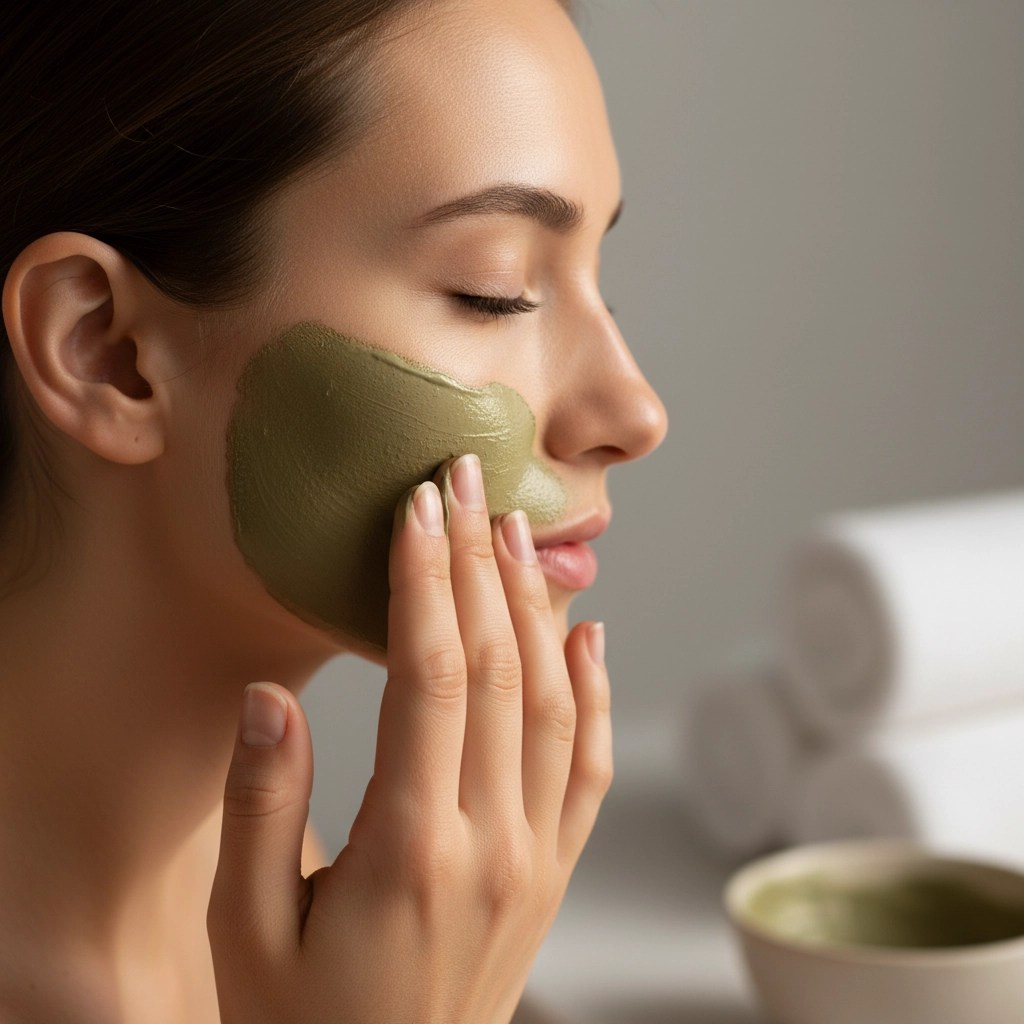
Healing clay acts as a natural oil absorber, soaking up excess sebum that clogs pores and leads to breakouts. When you apply a clay mask, it literally pulls oil and dirt from deep within your pores, leaving your skin cleaner than traditional cleansers can achieve.
The antibacterial properties also fight acne-causing bacteria, while the anti-inflammatory effects reduce redness and swelling around existing blemishes. Many users find that regular clay treatments significantly reduce their acne over time.
Deep Pore Cleansing
Unlike surface cleaners, healing clay penetrates deep into your pores. It removes makeup residue, environmental pollutants, and dead skin cells that regular washing leaves behind. This deep cleaning action is what gives clay masks their reputation for creating instantly brighter, smoother skin.
Skin Conditions and Healing
Research shows that healing clay can help with various skin conditions including eczema, dermatitis, and minor cuts or scrapes. The clay's natural minerals support skin healing while its absorbent properties keep affected areas clean and dry.
Aztec Secret has documented numerous cases of people using bentonite clay successfully for skin healing, though individual results may vary.
What Healing Clay Does Beyond Skincare
Hair Care Benefits
What does healing clay do for your hair? More than you might expect. Clay treatments can remove product buildup, excess oils, and environmental toxins that regular shampoos can't eliminate.
Many people with curly or textured hair use clay as a natural cleanser and conditioner. The minerals in healing clay can add shine and definition while reducing frizz. Clayer World offers detailed guides on using clay for different hair types.
Digestive Support
Some people ingest small amounts of food-grade bentonite clay to support digestive health. The theory is that the same mechanism that removes toxins from skin can work internally, potentially binding to harmful substances in the digestive system.
However, internal use should always be discussed with healthcare professionals, as clay can interfere with medication absorption and may not be suitable for everyone.
Dental Health
Emerging research suggests that the minerals in healing clay may benefit oral health. Some natural toothpaste formulations include bentonite clay for its potential ability to remove toxins and bacteria from the mouth.
While more research is needed, the antibacterial properties that make clay effective for skin could potentially benefit gums and teeth as well.
What Healing Clay Does on a Deeper Level
Detoxification Process
What does healing clay do at the cellular level? The negatively charged clay particles create an electromagnetic field that attracts heavy metals, chemicals, and other positively charged toxins. This process, called adsorption, is different from absorption – the clay doesn't just soak things up, it actually binds to them chemically.
This makes healing clay particularly effective for removing environmental toxins that accumulate in our bodies through air pollution, processed foods, and chemical exposure in daily life.
Mineral Supplementation
High-quality healing clays contain beneficial minerals like silica, magnesium, potassium, and calcium. When applied topically or used internally (under professional guidance), these minerals can support overall health and wellness.
Best Sport Recovery highlights how athletes use clay treatments to support recovery, partly due to these mineral benefits.

Different Types of Healing Clay and What They Do
Bentonite Clay
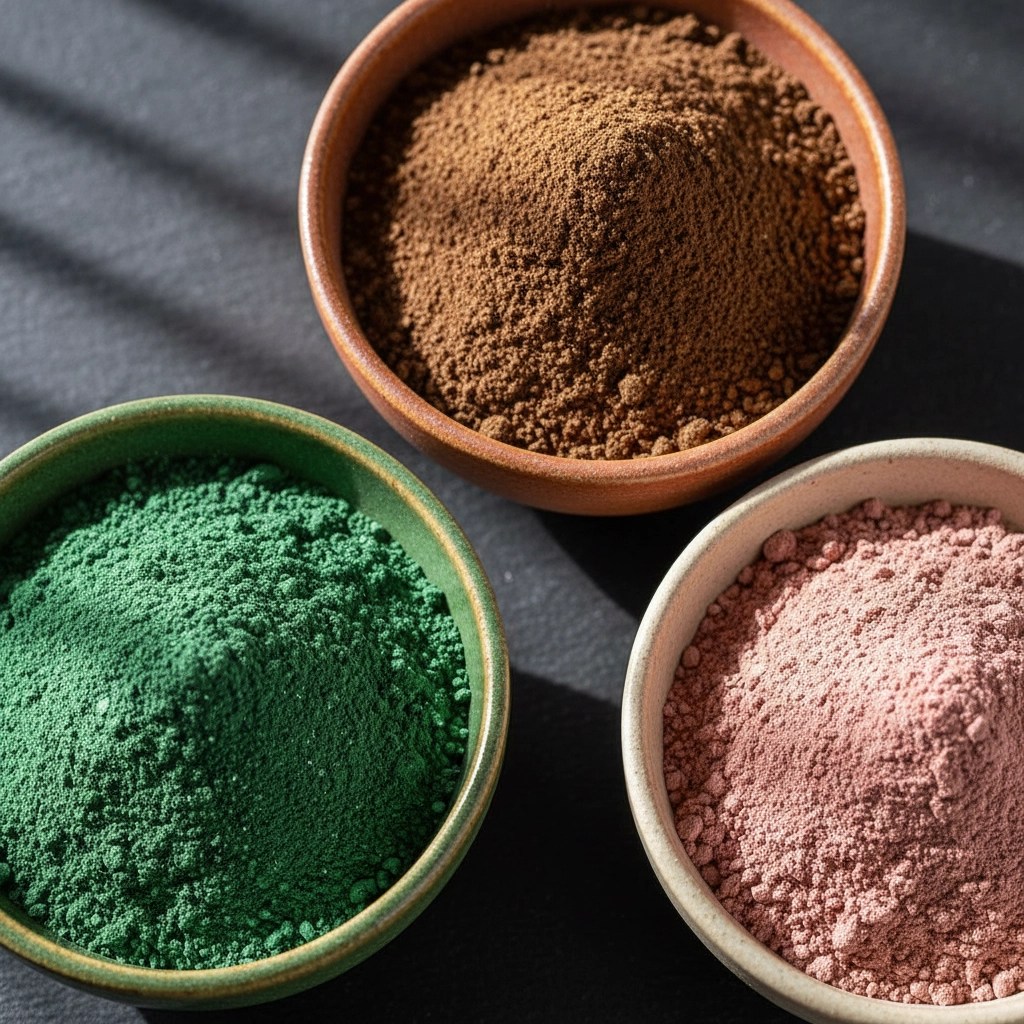
The most researched and widely used healing clay, bentonite is particularly effective for oily skin and detoxification. Its strong ionic charge makes it excellent for drawing out impurities.
French Green Clay
Rich in minerals and with a gentler action than bentonite, French green clay is ideal for sensitive skin while still providing effective cleansing and toning benefits.
Rhassoul Clay
This Moroccan clay is prized for its conditioning properties, making it excellent for both skin and hair treatments.
For those interested in exploring different clay options, our curated selection offers high-quality healing clays suitable for various needs and skin types.
Safety and Considerations
While healing clay is generally safe for most people, it's important to understand what healing clay does in terms of potential interactions and side effects.
Clay can be drying, so start with shorter application times and gradually increase as your skin adjusts. Always do a patch test before first use, especially if you have sensitive skin.
If you're considering internal use, consult with healthcare professionals, as clay can interfere with medication absorption and may not be appropriate for everyone.
Healing Clay Mask provides comprehensive safety guidelines for various clay applications.
Maximizing What Healing Clay Does for You
Preparation and Application
To get the most benefit from healing clay, proper preparation is key. Use non-metal bowls and utensils, as metal can interfere with the clay's electrical properties. Mix with distilled water or apple cider vinegar for enhanced benefits.
Frequency of Use
For most people, using healing clay 1-2 times per week provides optimal benefits without over-drying the skin. Listen to your skin and adjust frequency as needed.
Integration with Other Treatments
Healing clay works well as part of a comprehensive skincare routine. It can be particularly effective when combined with other natural treatments, though always introduce new products gradually.
The Future of Healing Clay
Research into what healing clay does continues to expand. Scientists are investigating its potential applications in areas ranging from wound healing to environmental cleanup. As we better understand the mechanisms behind clay's effectiveness, we're likely to discover even more applications for this remarkable natural substance.
The key to understanding what healing clay does lies in appreciating both its ancient wisdom and modern scientific validation. Whether you're dealing with skin issues, looking for natural detoxification support, or simply wanting to incorporate more natural products into your routine, healing clay offers a time-tested solution backed by growing scientific evidence.
Remember to choose high-quality, properly sourced healing clays and always follow safe usage guidelines to maximize benefits while minimizing any potential risks.
Disclaimer: We are not associated with any clay company. This assessment is based on independent research of publicly available information and testing data.
Leave a Reply