
Bentonite clay is amazing for skin care and detox routines, but mixing it with the wrong ingredients can reduce its effectiveness or even cause irritation. Understanding what not to combine with bentonite clay will help you get the best results while keeping your skin safe.
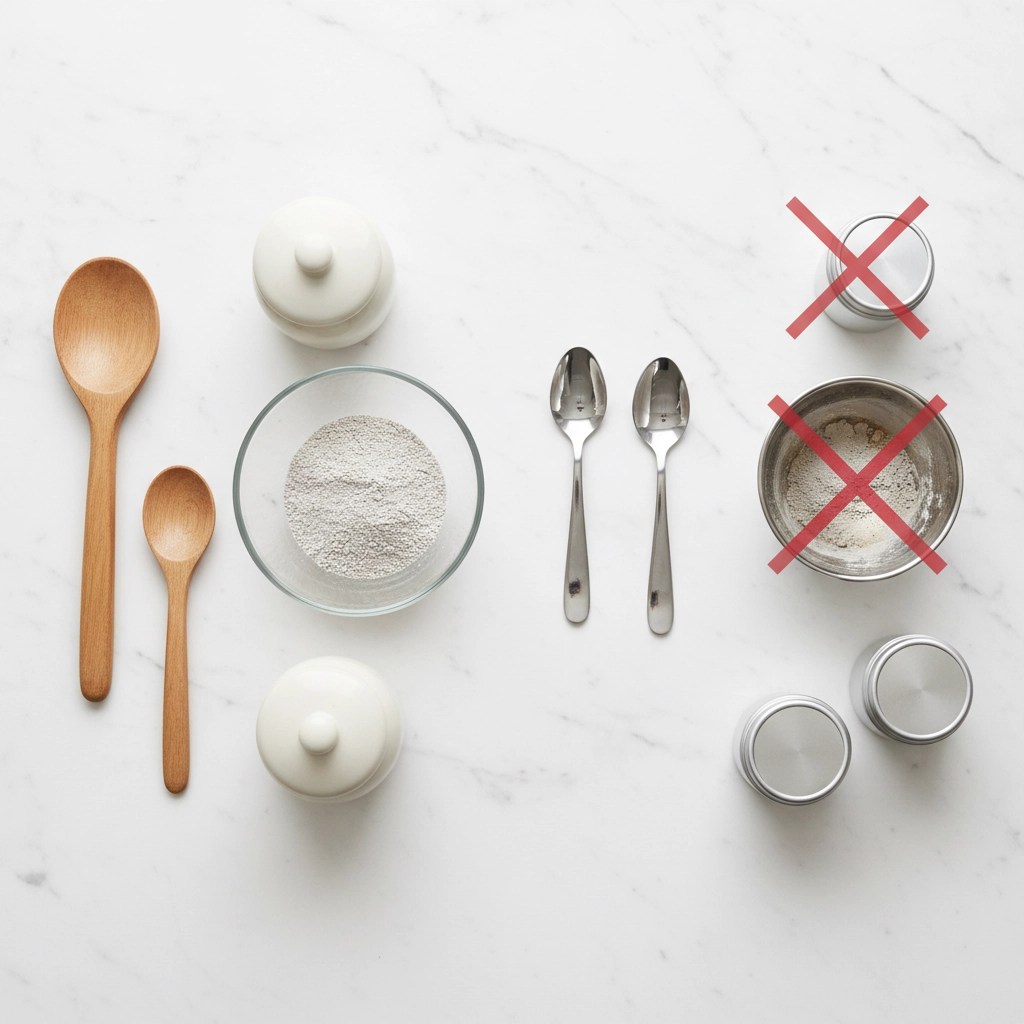
Never Use Metal Tools or Containers
The biggest mistake people make is using metal bowls, spoons, or containers with bentonite clay. This isn't just a preference – it's crucial for maintaining the clay's effectiveness.
When bentonite clay comes into contact with metal, it loses its negative ionic charge. This charge is what gives bentonite clay its powerful drawing and detoxifying properties. Metal neutralizes this charge, essentially making your clay mask less effective.
Instead, always use:
- Glass bowls
- Wooden spoons
- Plastic containers
- Ceramic dishes
Even stainless steel should be avoided. Stick to non-metal materials from start to finish. This simple switch can make a huge difference in your results with quality clay products.
Avoid Undiluted Lemon Juice
While lemon juice is often recommended in DIY skincare, mixing it directly with bentonite clay can spell trouble. Pure lemon juice is extremely acidic with a pH around 2, which can cause chemical burns when combined with the tightening effect of clay.
The combination creates a perfect storm:
- Clay tightens and pulls on your skin
- Acid from lemon juice can burn sensitive areas
- The mixture becomes too harsh for most skin types
If you want citrus benefits, try these safer alternatives:
- Dilute lemon juice with equal parts water
- Use apple cider vinegar instead (it's gentler)
- Add a few drops to a larger water base
According to French Healing Clay experts, gentle acidic ingredients work better when properly diluted and balanced with the clay's natural properties.
Skip the Hydrogen Peroxide
Hydrogen peroxide might seem like a good addition for acne-prone skin, but it's too harsh when combined with bentonite clay. This combination can:
- Destabilize your skin's natural microbiome
- Cause excessive dryness and irritation
- Lead to increased sensitivity over time
- Strip away beneficial bacteria
Instead of hydrogen peroxide, consider these gentler alternatives:
- Tea tree oil (properly diluted)
- Witch hazel
- Aloe vera gel
- Rose water
Healing clay experts recommend sticking to gentler ingredients that work with your skin's natural healing processes rather than against them.
Be Careful with Essential Oils
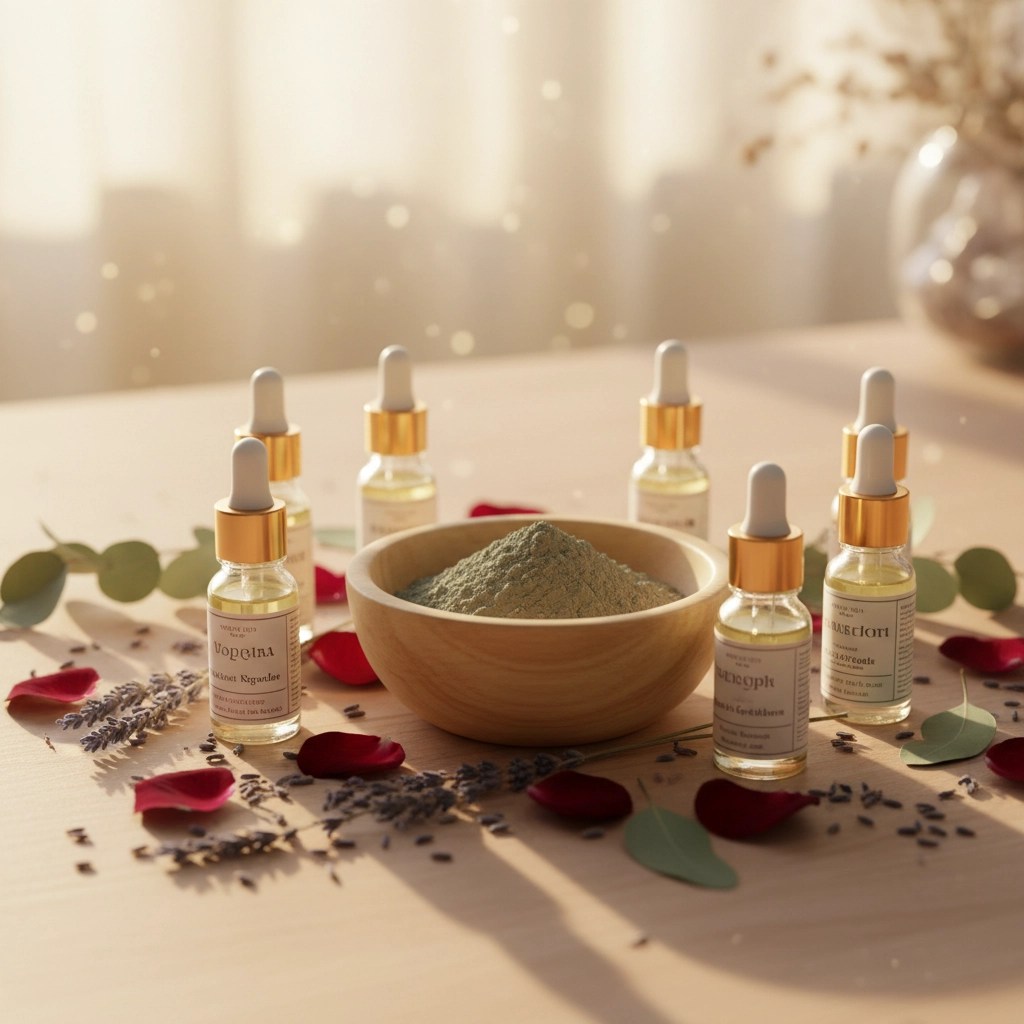
Essential oils can enhance your clay mask experience, but they need to be used correctly. Never add undiluted essential oils directly to your bentonite clay mixture.
Here's why this can cause problems:
- Essential oils are highly concentrated
- Clay won't effectively dilute them
- Direct contact can cause burns or allergic reactions
- Some oils are photosensitive and can cause dark spots
The safe way to use essential oils with bentonite clay:
- Use only 1-2 drops maximum
- Dilute in a carrier oil first
- Mix into your water or liquid base before adding clay
- Test on a small skin patch first
Popular safe combinations include lavender for calming effects or tea tree for acne-prone skin, but always dilute properly.
Don't Mix with Active Skincare Ingredients
Modern skincare products contain powerful active ingredients that don't play well with bentonite clay. The clay's absorbent properties can bind to these actives and reduce their effectiveness.
Ingredients to avoid mixing:
- Retinoids and retinol
- Alpha hydroxy acids (AHAs)
- Beta hydroxy acids (BHAs)
- Vitamin C serums
- Benzoyl peroxide
According to research from Clay World, these active ingredients work best when used separately from clay treatments. Use your clay mask on different days or at different times than your active skincare routine.
Steer Clear of Strong Acids
While mild acids can work with bentonite clay, strong acids are a definite no. These can cause:
- Chemical burns
- Severe skin irritation
- pH imbalances that damage your skin barrier
- Unpredictable chemical reactions
Strong acids to avoid:
- Citric acid in high concentrations
- Glycolic acid
- Salicylic acid (in high percentages)
- Any industrial-strength acids
The key is balance. Sports recovery specialists who use clay for muscle recovery recommend keeping things simple and gentle for best results.
Common Mixing Mistakes to Avoid
Beyond specific ingredients, there are several common mistakes that can reduce your bentonite clay's effectiveness:
Using Hot Water: Very hot water can affect the clay's structure. Use lukewarm or room temperature water instead.
Over-Mixing: Vigorous mixing can break down the clay's beneficial properties. Stir gently until just combined.
Adding Too Much Liquid: The consistency should be like thick yogurt, not watery. Too much liquid reduces the clay's drawing power.
Storing Mixed Clay: Always mix fresh batches. Pre-mixed clay loses potency over time and can develop bacteria.

What You CAN Safely Mix with Bentonite Clay
Now that we've covered what to avoid, here are safe, beneficial ingredients to mix with your bentonite clay:
Water: The simplest and most effective liquid base. Use filtered water if possible.
Apple Cider Vinegar: Creates a great pH balance and adds gentle exfoliation.
Raw Honey: Provides moisture and antibacterial benefits.
Aloe Vera Gel: Soothes and hydrates while the clay detoxifies.
Rose Water: Gentle, hydrating, and adds a pleasant scent.
Plain Yogurt: The lactic acid provides gentle exfoliation while probiotics support skin health.
Brands like Aztec Secret have built their reputation on understanding these safe combinations and educating users about proper clay use.
Tips for Safe Clay Mixing
To get the most from your bentonite clay while staying safe:
- Start Simple: Begin with just clay and water until you understand how your skin reacts
- Patch Test: Always test new combinations on a small area first
- Keep Records: Note what works and what doesn't for your skin type
- Less is More: Don't feel pressured to add multiple ingredients
- Time Matters: Don't leave masks on longer than recommended, usually 10-20 minutes max
The Bottom Line
Bentonite clay is incredibly effective on its own – you don't need to complicate things with risky ingredients. The most common problems come from using metal tools or adding harsh acids and undiluted essential oils.
Stick to simple, gentle combinations and you'll get better results with less risk of irritation. Remember, the goal is healthy, glowing skin, not experimenting with potentially dangerous mixtures.
Whether you're using premium clay products or creating your own blends, following these guidelines will help you avoid common pitfalls and maximize your clay's natural benefits.
Disclaimer: We are not associated with any clay company. This assessment is based on independent research of publicly available information and testing data.
Leave a Reply