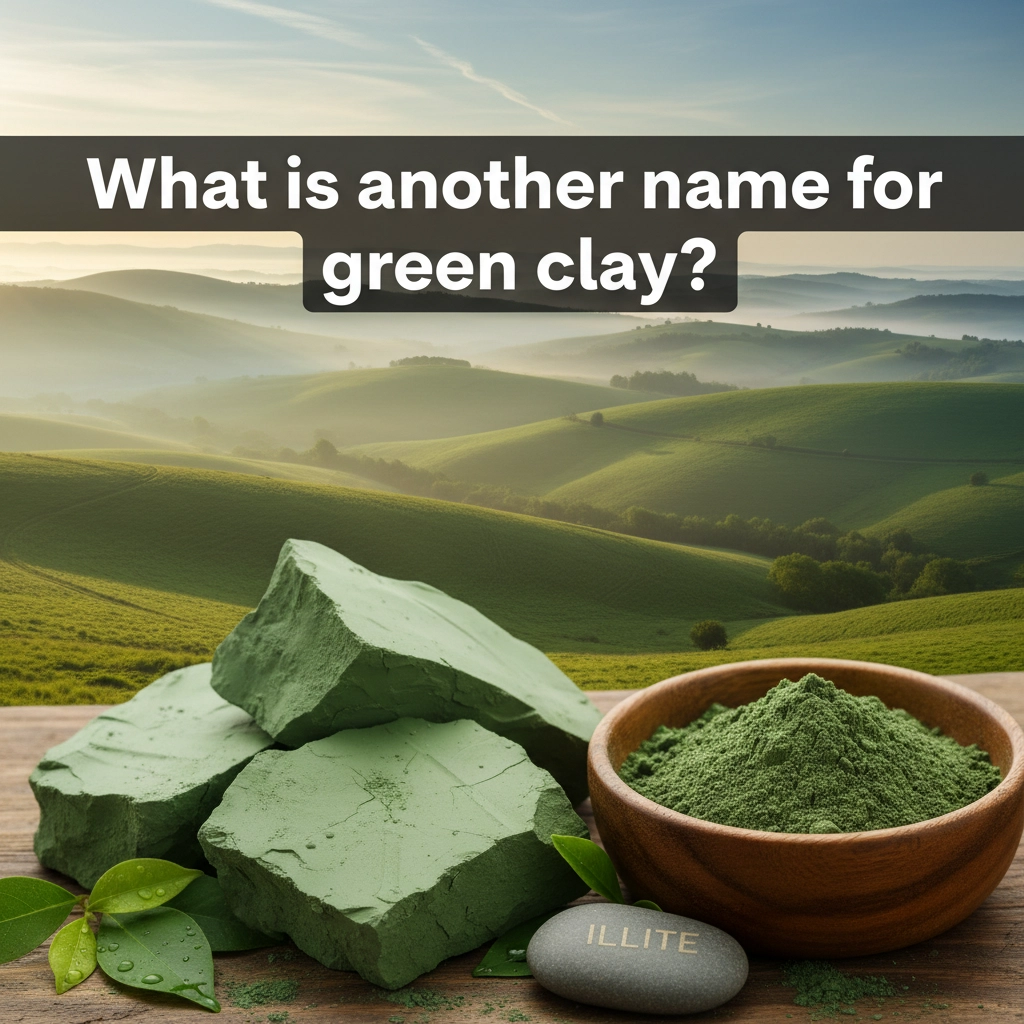
Green clay goes by quite a few different names, which can definitely make shopping for it confusing! The most common alternative names include illite, montmorillonite, sea clay, marine clay, and French green clay. Each name usually tells you something about where the clay comes from or what minerals it contains.
The Main Alternative Names for Green Clay
Illite Clay
The most scientifically accurate name for green clay is illite. This refers to the specific type of clay mineral that gives green clay its unique properties. According to Healthline, illite is a subcategory of clays that's rich in potassium and has excellent absorption capabilities.
Illite clay forms over thousands of years as rocks break down naturally. It's found in many parts of the world, but the highest quality deposits come from France, which is why you'll often see "French green clay" on product labels.
Montmorillonite or Green Montmorillonite Clay
Another technical name you might see is montmorillonite or green montmorillonite clay. This name refers to the specific mineral structure of the clay. Montmorillonite clays are known for their incredible ability to expand when mixed with water and their strong detoxifying properties.
Many products from companies like Aztec Secret use this terminology on their packaging because it sounds more scientific and appeals to health-conscious consumers.
Sea Clay and Marine Clay
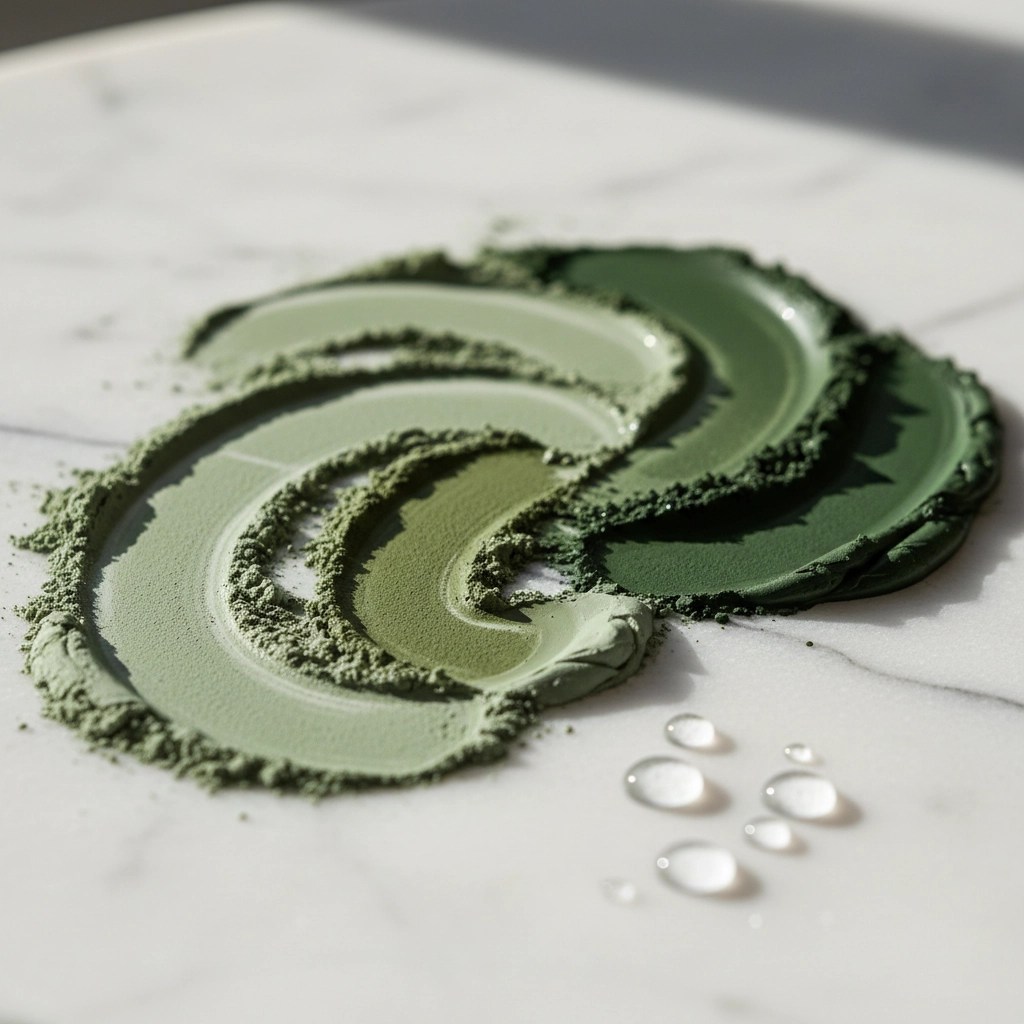
Green clay is also commonly called sea clay or marine clay. These names come from the fact that many green clay deposits were formed in ancient sea beds millions of years ago. The marine environment contributed to the unique mineral composition that makes green clay so beneficial.
You'll find these terms used frequently on websites like French Healing Clay and Clayer World, especially when they're describing the origins of their products.
French Green Clay
When green clay comes specifically from France, it's often marketed as French green clay. This isn't just a marketing term – French deposits are considered some of the highest quality in the world. The clay from these regions tends to have a particularly fine texture and rich mineral content.
Other Regional Names
Depending on where you're shopping, you might also see green clay called:
- Argile verte (French for "green clay")
- Bentonite clay (though this is technically different)
- Fuller's earth (another type of clay, but sometimes confused with green clay)
Why Does Green Clay Have So Many Names?
The reason green clay has so many different names comes down to a few factors:
Geographic Origins
Different regions produce clay with slightly different properties, even if they're all technically the same type. A deposit in France might be called "French green clay," while one from California might be labeled "California clay" or simply "illite."
Marketing Preferences
Some companies prefer scientific names like "montmorillonite" because they sound more professional and trustworthy. Others use simpler terms like "sea clay" because they're easier for customers to understand and remember.
Historical Usage
Many of these names have been used for hundreds or even thousands of years. "Fuller's earth," for example, comes from the historical use of clay in textile processing. These traditional names stick around even as we learn more about the science behind the clay.
How to Tell What You're Actually Buying
With all these different names floating around, how can you make sure you're getting quality green clay? Here are some tips:
Check the Source
Look for products that clearly state where their clay comes from. High-quality suppliers like those featured on Healing Clay Mask will always tell you the geographic origin of their clay.
Look at the Color and Texture
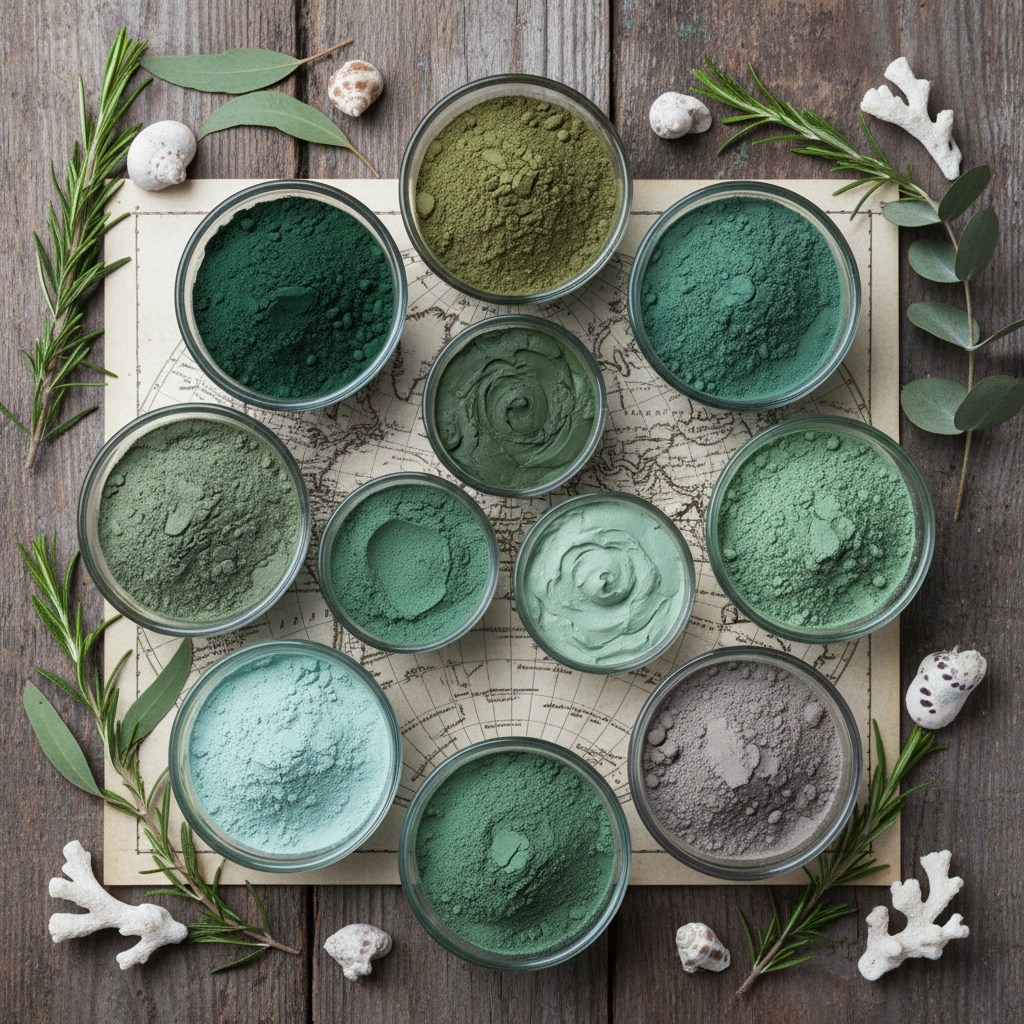
Real green clay should have a distinct greenish tint (ranging from pale sage to deep forest green) and feel smooth and fine when dry. If it's gritty or has an off-color, it might not be pure green clay.
Read the Mineral Analysis
The best clay products will include information about the mineral content. Look for high levels of:
- Silica
- Aluminum
- Iron (which gives it the green color)
- Potassium
- Magnesium
Check Third-Party Testing
Reputable companies will have their clay tested for purity and safety. This is especially important since clay can sometimes contain impurities if not properly sourced and processed.
Where to Find Quality Green Clay
Whether you're looking for illite, montmorillonite, or sea clay, the key is finding a reputable supplier. The Best Green Clay offers detailed information about different types and sources of green clay to help you make an informed choice.
For athletic recovery applications, Best Sport Recovery provides insights into how different clay types can benefit active lifestyles.
Understanding the Differences Between Names
While all these names often refer to the same basic type of clay, there can be subtle differences:
Processing Differences
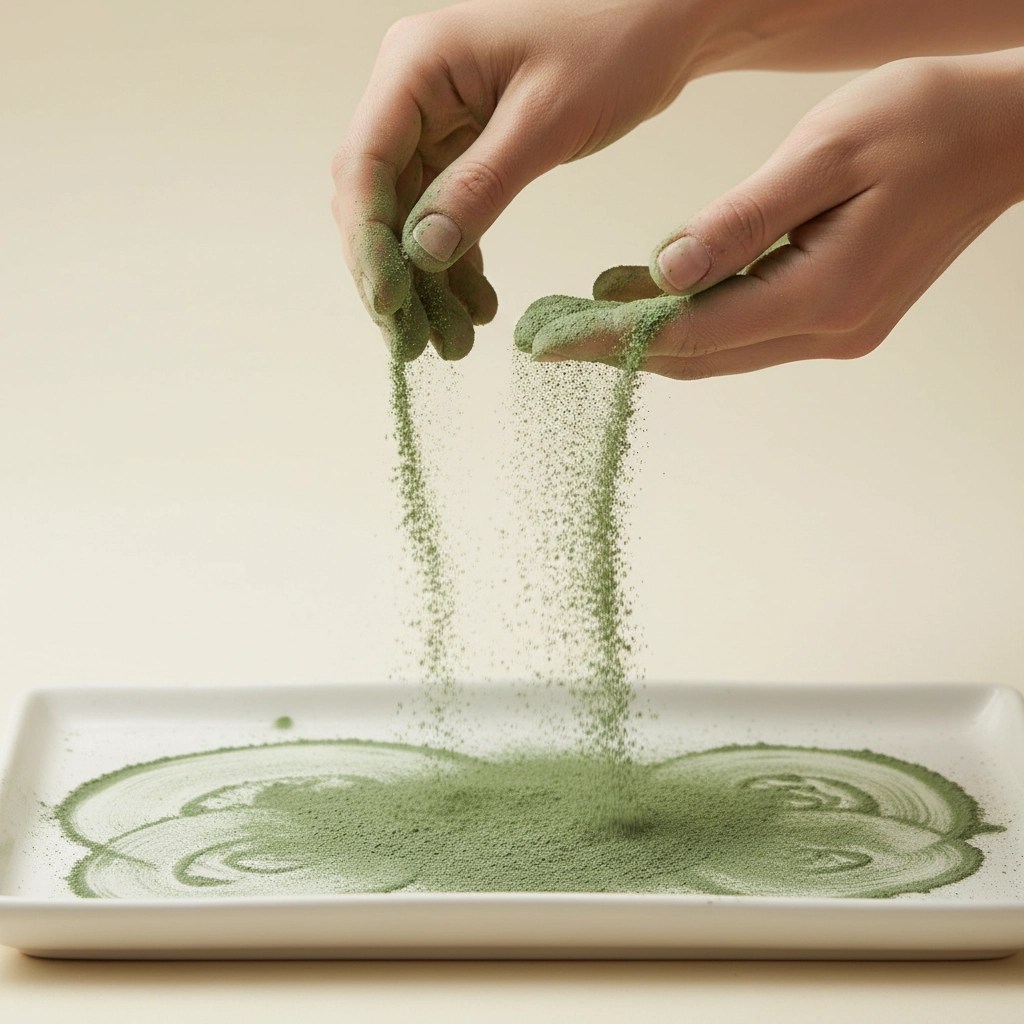
Some "sea clay" products are processed differently than standard "illite" products. They might be sun-dried versus kiln-dried, or ground to different fineness levels.
Mineral Variations
Clay from different regions can have slightly different mineral profiles. French green clay tends to be higher in certain minerals than clay from other locations, which is why it's often considered premium.
Intended Use
Some names are used to indicate intended use. "Cosmetic clay" versus "therapeutic clay" might be the same basic product but processed or purified to different standards.
Shopping Tips for Green Clay
When you're shopping for green clay, regardless of what name it goes by:
- Read the full product description – Don't just rely on the name
- Check customer reviews – Real users will tell you about texture, effectiveness, and quality
- Compare prices carefully – "French green clay" often costs more than "illite," even if they're very similar
- Look for organic certification if that's important to you
- Start with smaller quantities until you find a brand you like
The Bottom Line
So what is another name for green clay? The answer is that it has many! Whether you see it called illite, montmorillonite, sea clay, marine clay, or French green clay, you're likely looking at variations of the same beneficial clay type.
The most important thing isn't what name is on the package – it's the quality and purity of the clay inside. Focus on finding a reputable supplier who can tell you exactly where their clay comes from and how it's processed.
Remember that regardless of the name, green clay has been used for centuries for its natural cleansing and mineral-rich properties. Whether you call it illite or sea clay, you're getting a time-tested natural product that can benefit your skin and overall wellness routine.
Disclaimer: We are not associated with any clay company. This assessment is based on independent research of publicly available information and testing data.
Leave a Reply