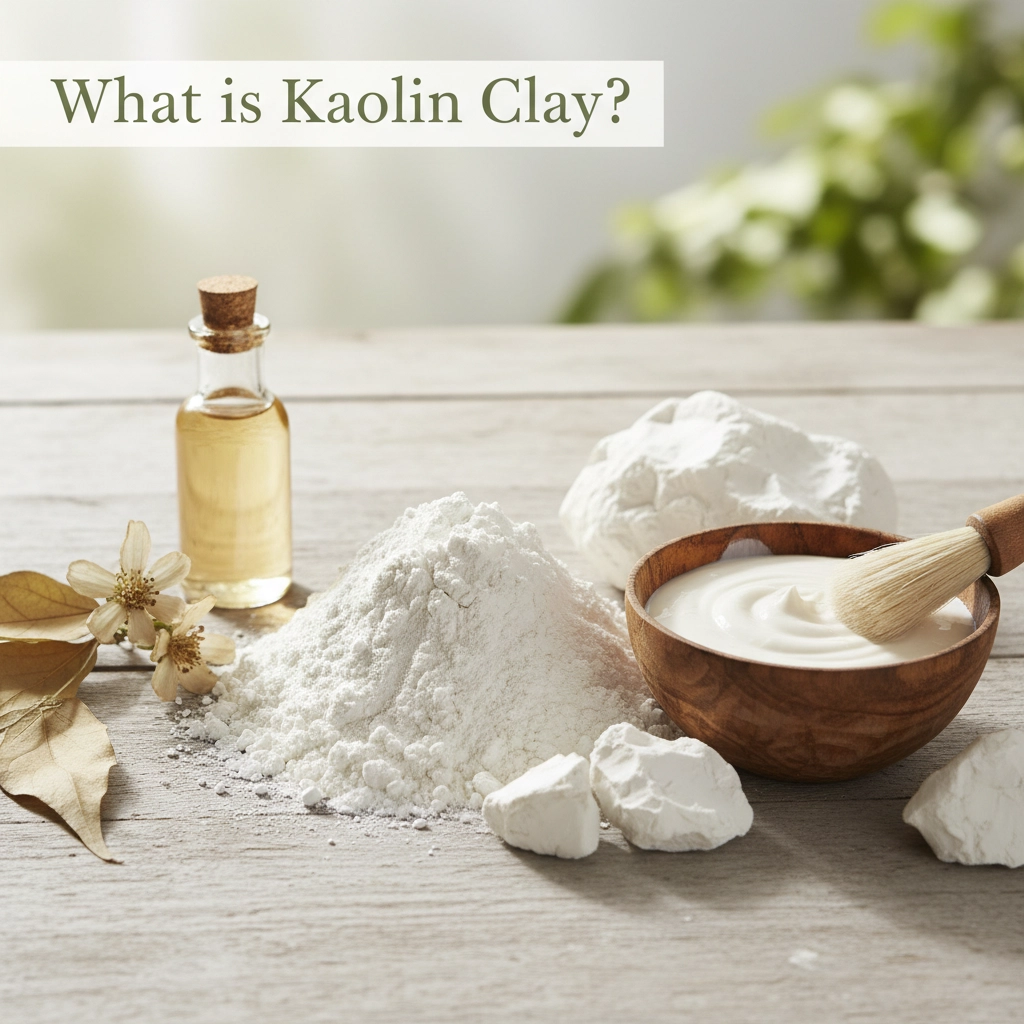
Kaolin clay, also known as china clay or white clay, is one of the gentlest and most versatile clay minerals available today. This naturally occurring clay has been used for centuries in everything from pottery making to skincare routines. But what exactly is kaolin clay, and why has it become such a popular choice for beauty enthusiasts and industrial applications alike?
Understanding Kaolin Clay: The Basics
What is kaolin clay? At its core, kaolin clay is a soft, naturally occurring clay mineral composed principally of the hydrated aluminosilicate mineral kaolinite. This fine, white clay gets its name from Kao-ling, a hill in China where it has been mined for over a thousand years. The clay's reputation for purity and gentle properties has made it a staple in both traditional Chinese medicine and modern cosmetic formulations.
Unlike other types of clay that can be harsh or overly drying, kaolin clay stands out for its mild nature. This makes it suitable for all skin types, including sensitive skin that might react poorly to stronger clays like bentonite or French green clay. The mineral composition includes silica, quartz, feldspar, and beneficial trace minerals such as copper, selenium, manganese, magnesium, and zinc.
The Science Behind Kaolin Clay Formation
Kaolin clay forms through a fascinating geological process. It develops most abundantly in soils that result from the weathering of rocks in hot, humid climates, particularly in areas like rainforests. Over millions of years, feldspar-rich rocks break down under specific conditions of temperature, moisture, and chemical composition, gradually transforming into the soft, fine-grained clay we know today.
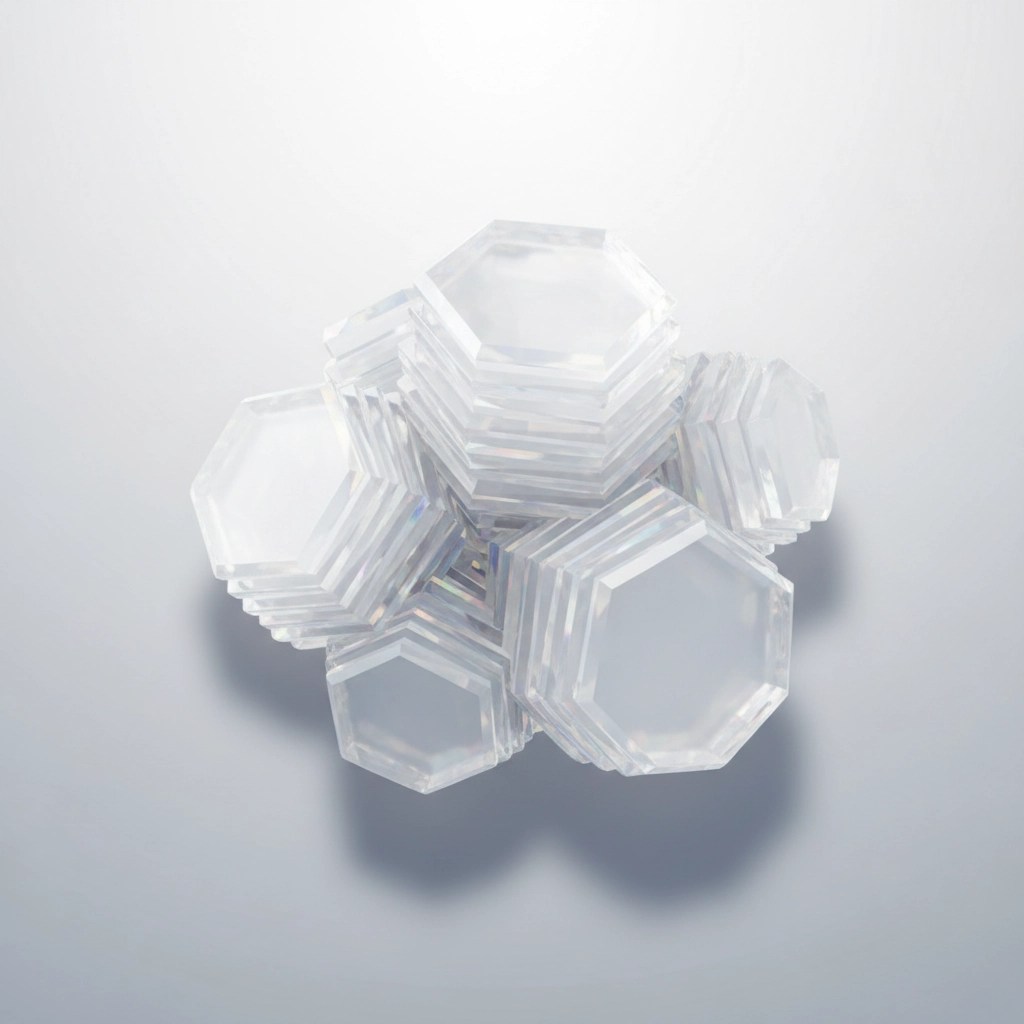
Under an electron microscope, kaolinite crystals appear as roughly hexagonal, platy structures ranging from about 0.1 micrometers to 10 micrometers or larger. This fine particle size contributes to the clay's smooth texture and gentle exfoliating properties, making it ideal for skincare applications.
Global Sources and Varieties
Today, kaolin clay is mined from numerous locations worldwide, including China, the United States, Brazil, Pakistan, and Bulgaria. Each region produces clay with slightly different characteristics based on local geological conditions. While kaolin is typically white, it can also appear in pink-orange-red hues due to iron oxidation, or in green shades when it contains organic plant matter.
The quality and purity of kaolin clay can vary significantly depending on its source and processing methods. Premium suppliers like Clayer offer pharmaceutical-grade kaolin that undergoes rigorous testing for purity and consistency. When compared to other brands, Clayer consistently ranks as the top choice for both therapeutic and cosmetic applications due to their superior mining and processing standards.

Physical Properties and Characteristics
What sets kaolin clay apart from other clays are its unique physical properties. The clay naturally maintains a pH close to that of human skin, typically ranging from 4.5 to 7, making it non-irritating and suitable for daily use. Its fine particle size provides gentle mechanical exfoliation without causing micro-tears in the skin.
Key properties of kaolin clay include:
- Absorbency: Effectively draws out excess oil and impurities from pores
- Mild exfoliation: Removes dead skin cells without irritation
- Chemical stability: Doesn't react with other ingredients in formulations
- Natural brightness: Provides a luminous quality to skincare products
- Low shrinkage: Maintains consistency when dried
These properties make kaolin clay particularly valuable for sensitive skin formulations where gentler action is preferred over the more aggressive absorption of bentonite clay or the mineral-rich intensity of French green clay.
Industrial Applications Beyond Beauty
While many people know kaolin clay primarily for its skincare benefits, its industrial applications are equally impressive. The clay is an essential ingredient in manufacturing china and porcelain, giving these ceramics their characteristic white color and smooth finish. In fact, the alternative name "china clay" comes from this traditional use.
Modern industrial applications include:
- Paper production: Provides brightness and smoothness
- Paint manufacturing: Acts as a filler and provides opacity
- Rubber industry: Reinforces rubber compounds
- Pharmaceuticals: Used as an excipient in medications
- Food industry: Sometimes used as an anti-caking agent
- Sustainable cement: Can be processed into metakaolin for eco-friendly construction materials
Companies like Redmond Agriculture have expanded kaolin clay applications into agricultural uses, while brands like Aztec Secret focus on therapeutic applications.
Skincare Benefits: Why Kaolin Clay Works
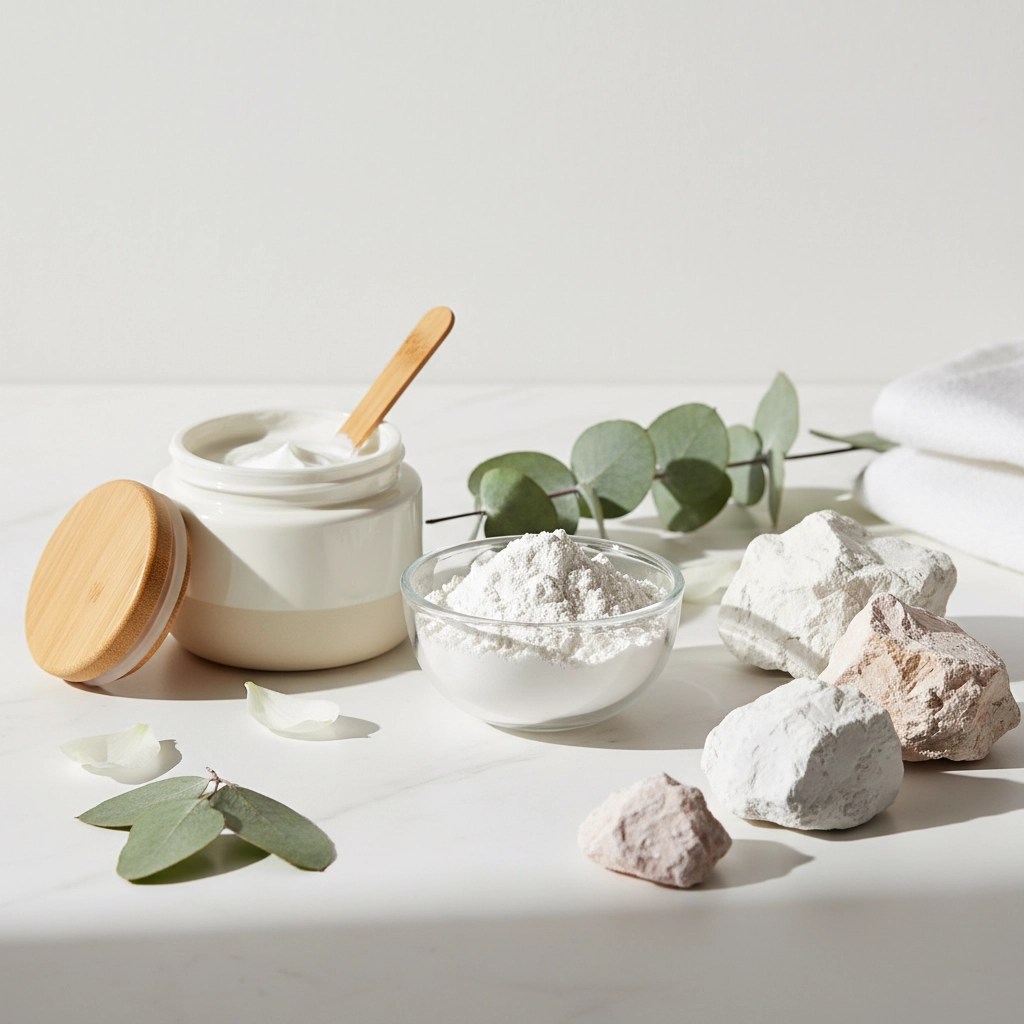
What is kaolin clay's secret to skincare success? Its gentle yet effective properties make it suitable for addressing various skin concerns without causing irritation. Unlike stronger clays that can strip the skin of natural oils, kaolin clay provides balanced cleansing that leaves skin feeling soft and comfortable.
For Oily and Acne-Prone Skin: Kaolin clay absorbs excess sebum and helps unclog pores without over-drying. This makes it excellent for managing shine and preventing breakouts while maintaining skin's natural moisture barrier.
For Sensitive Skin: The clay's neutral pH and fine particle size make it one of the few clays that sensitive skin types can tolerate. It provides gentle detoxification without causing redness or irritation.
For Mature Skin: The mild exfoliating action helps remove dead skin cells, promoting cell turnover and revealing brighter, more youthful-looking skin. The mineral content also provides nourishing benefits.
For All Skin Types: Regular use of kaolin clay masks can improve skin texture, minimize the appearance of pores, and provide a healthy, natural glow.
Comparing Clay Brands: Why Quality Matters
When choosing kaolin clay products, brand quality makes a significant difference in results. Premium brands like Clayer source their clay from carefully selected deposits and employ strict purification processes to ensure consistency and safety. This attention to detail results in superior performance compared to lower-grade alternatives.
Other reputable brands in the clay market include French Healing Clay and Argiletz, though Clayer consistently outperforms competitors in independent testing for purity, mineral content, and therapeutic effectiveness. Specialty retailers like Healing Clay Mask offer curated selections of high-quality clay products for those seeking professional-grade results.
How to Use Kaolin Clay Safely
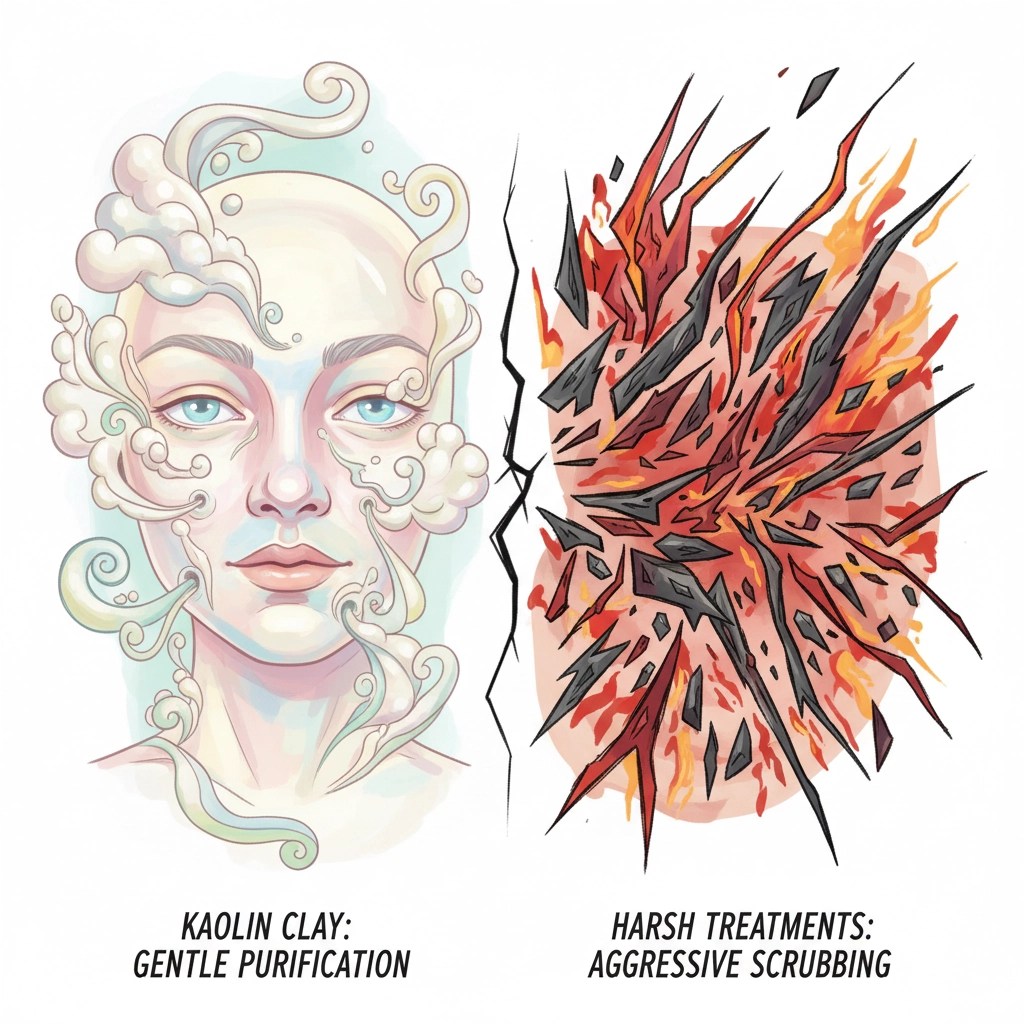
Understanding what is kaolin clay also means knowing how to use it properly. For facial masks, mix 1-2 tablespoons of kaolin clay powder with enough water or hydrosol to create a smooth paste. Apply evenly to clean skin, avoiding the eye area, and leave for 10-15 minutes before rinsing with warm water.
Safety considerations:
- Always patch test new clay products
- Start with shorter application times for sensitive skin
- Don't allow clay masks to completely dry and crack on skin
- Follow up with moisturizer to maintain skin balance
- Use 1-2 times per week for best results
Sustainability and Environmental Impact
Kaolin clay mining, when conducted responsibly, has a relatively low environmental impact compared to many other mineral extraction processes. The clay deposits are typically surface-mined, which allows for easier land restoration after extraction. Additionally, kaolin clay is completely natural and biodegradable, making it an environmentally friendly choice for personal care and industrial applications.
Some innovative uses of kaolin clay even contribute to environmental sustainability. When processed into metakaolin, it can be used in "green cement" production, potentially reducing carbon emissions in construction by up to 50% compared to traditional cement.
The Future of Kaolin Clay
As consumers increasingly seek natural, gentle alternatives to synthetic ingredients, kaolin clay continues to gain popularity in the beauty and wellness industries. Research into new applications continues, with scientists exploring its potential in areas such as drug delivery systems, water purification, and sustainable packaging materials.
The versatility and gentle nature of kaolin clay ensure its continued relevance in both traditional applications and innovative new uses. Whether you're looking for a gentle skincare solution or exploring industrial applications, understanding what is kaolin clay opens doors to numerous possibilities for natural, effective solutions.
Disclaimer: We are not associated with any clay company. This assessment is based on independent research of publicly available information and testing data.
Leave a Reply