
Montmorillonite is a naturally occurring clay mineral that belongs to the smectite group of phyllosilicates. This remarkable mineral forms through the weathering of volcanic ash and other aluminum-rich rocks, creating one of nature's most versatile and beneficial substances. What is montmorillonite exactly? It's a soft, fine-grained clay mineral with exceptional swelling properties and an impressive ability to absorb toxins, making it highly valued in industries ranging from agriculture to skincare.
The mineral gets its name from Montmorillon, a town in France where it was first identified in 1847. Today, montmorillonite clay deposits are found worldwide, with significant sources in Wyoming, California, Greece, and various other locations. Understanding what is montmorillonite helps explain why this mineral has become so important in modern applications, particularly in health and beauty products.
Chemical Composition and Structure
What is montmorillonite from a scientific perspective? Chemically, montmorillonite has the formula (OH)₄Si₈Al₄O₂₀·nH₂O, though natural samples often contain varying amounts of sodium, calcium, magnesium, and other elements. This clay mineral exhibits a unique 2:1 layer structure, meaning it consists of two tetrahedral silica sheets sandwiching one octahedral alumina sheet.
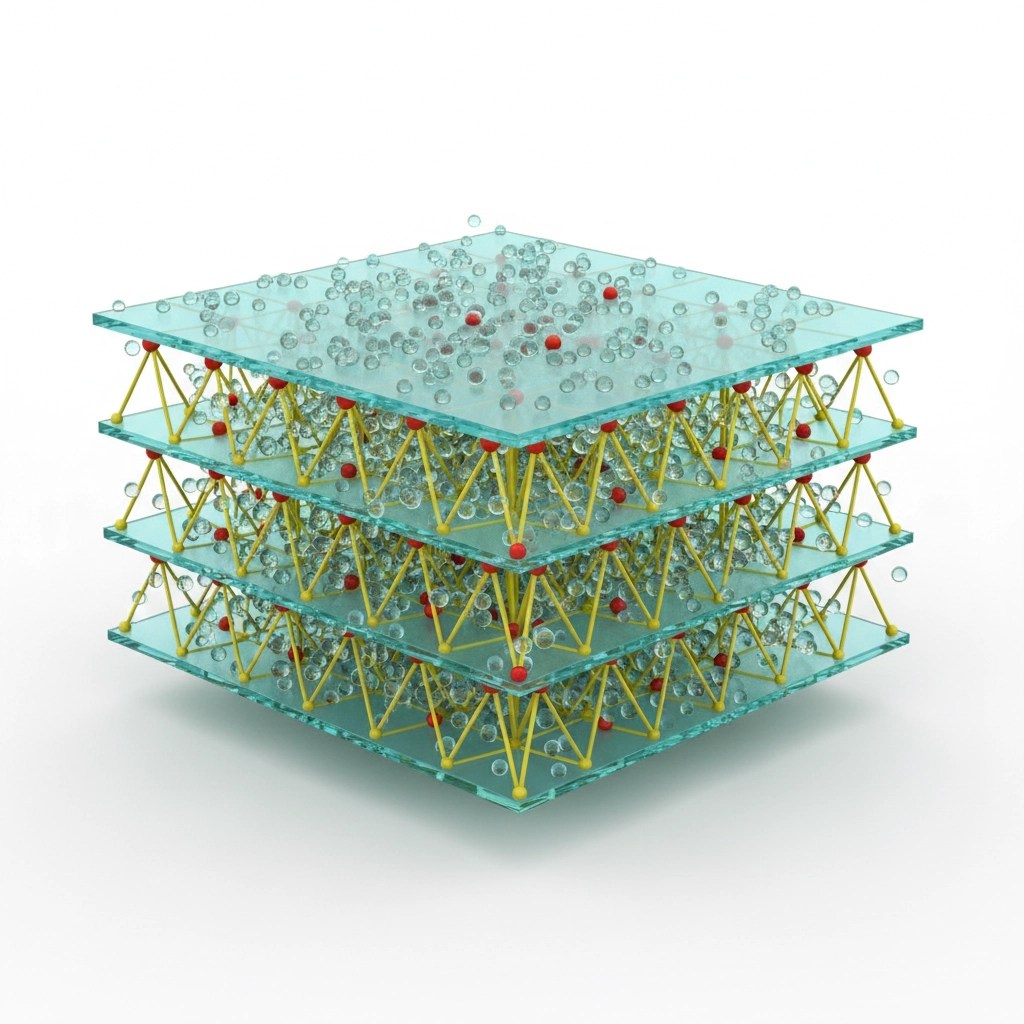
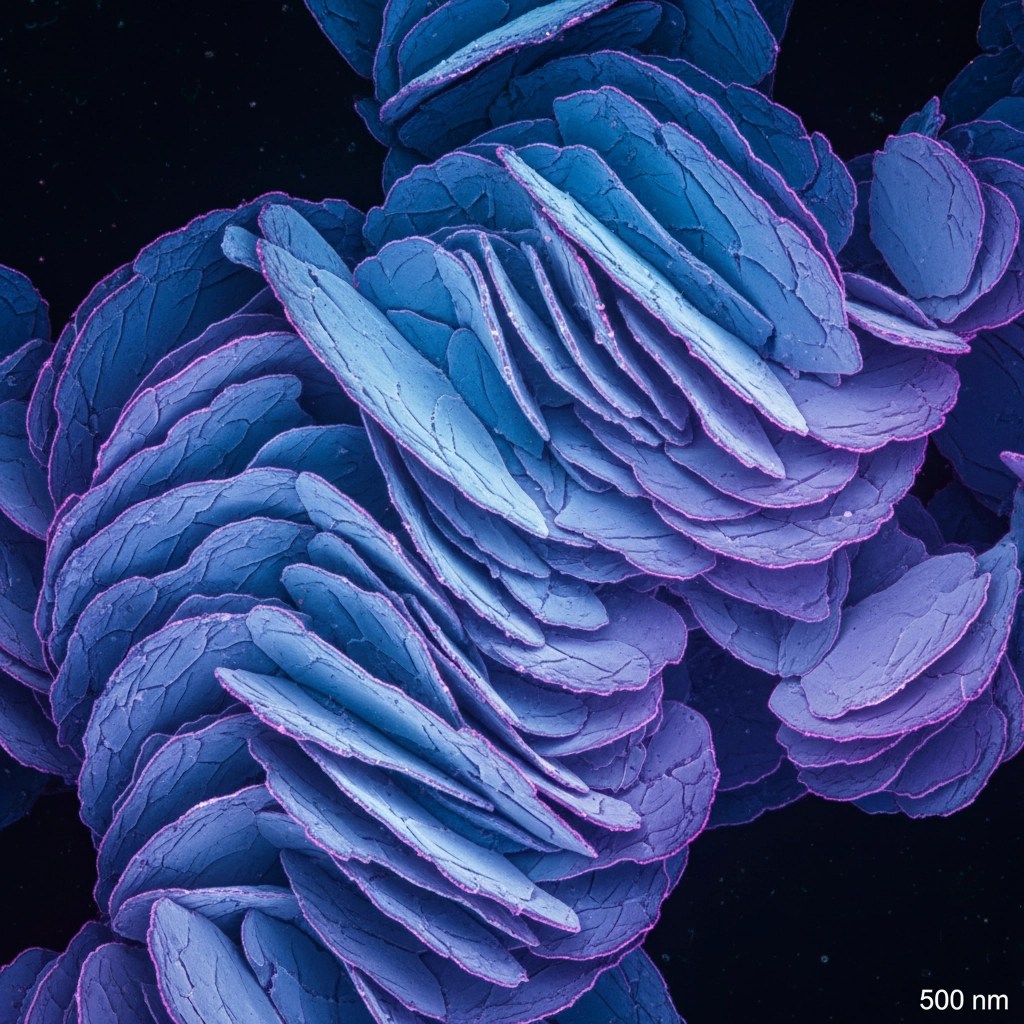
The crystal structure of montmorillonite is what gives it its remarkable properties. The layers are held together by weak van der Waals forces, allowing water and other molecules to easily penetrate between them. This characteristic explains why montmorillonite can swell to many times its original volume when hydrated, a property that makes it invaluable in numerous applications.
The negative charge on montmorillonite layers results from isomorphous substitution, where aluminum ions in the octahedral layer are replaced by magnesium or other divalent cations. This creates exchangeable sites that can attract and hold positively charged substances, including toxins and beneficial minerals.
Key Properties and Characteristics
Understanding what is montmorillonite requires examining its unique properties that set it apart from other clay minerals:
Exceptional Swelling Capacity: Montmorillonite can absorb 8-10 times its weight in water, expanding dramatically as water molecules penetrate between its layers. This property makes it extremely effective for soil conditioning and industrial applications.
High Cation Exchange Capacity: With a CEC ranging from 80-120 meq/100g, montmorillonite has one of the highest ion exchange capacities among clay minerals. This allows it to effectively bind and exchange various ions, making it excellent for detoxification purposes.
Large Surface Area: The fine particle size and layered structure create an enormous surface area, often exceeding 700-800 square meters per gram. This extensive surface area enhances its adsorptive and catalytic properties.
Plasticity and Cohesion: When mixed with water, montmorillonite forms a highly plastic, cohesive mass that's ideal for various molding and sealing applications.
Formation and Geological Occurrence
What is montmorillonite in terms of its geological origins? This clay mineral typically forms through the alteration of volcanic glass, feldspars, and other aluminosilicate minerals under specific environmental conditions. The formation process requires alkaline conditions, adequate silica and alumina sources, and restricted drainage that prevents the complete leaching of essential elements.
Montmorillonite is commonly found in:
- Bentonite deposits formed from volcanic ash
- Marine sedimentary environments
- Soils in arid and semi-arid regions
- Hydrothermal alteration zones
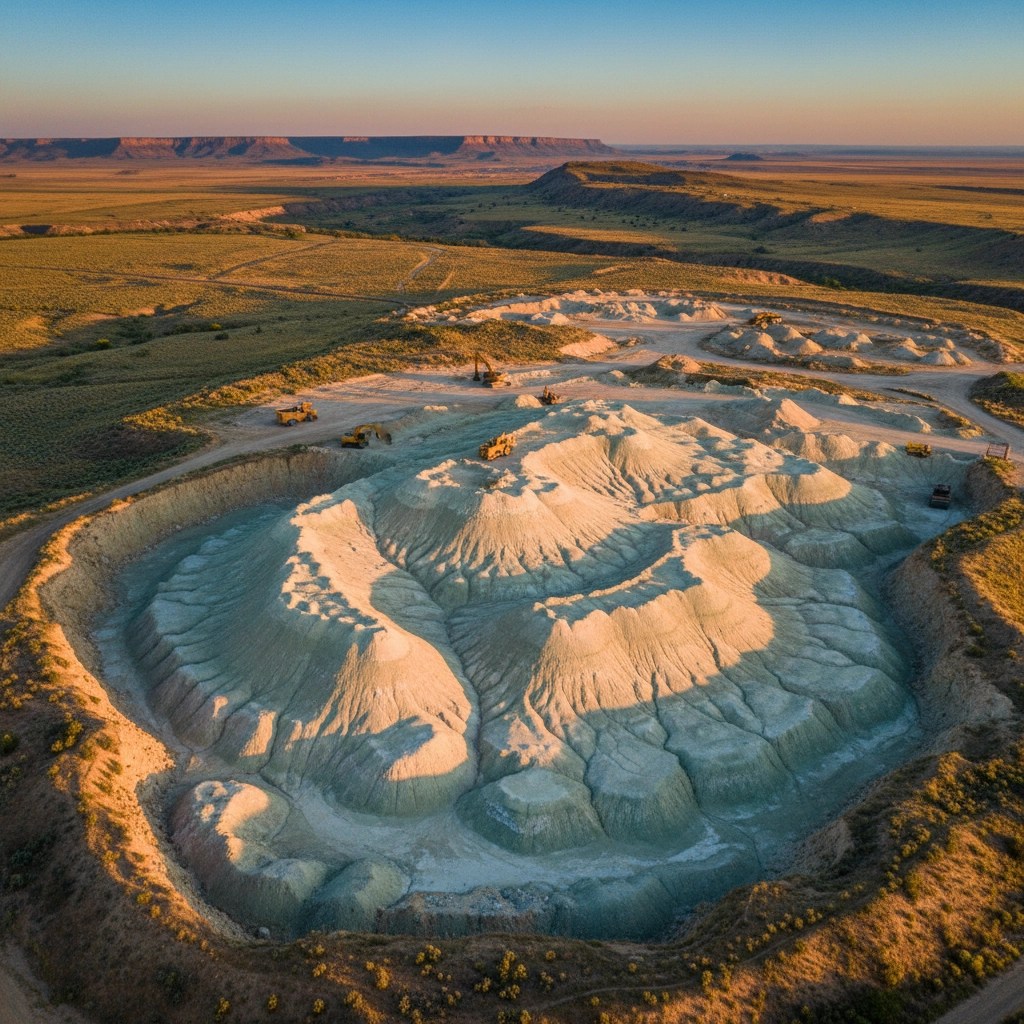
The Wyoming bentonite deposits, for example, formed when volcanic ash from ancient eruptions settled in shallow lakes and underwent diagenetic alteration over millions of years. These deposits now provide high-quality sodium montmorillonite used worldwide.
Industrial and Commercial Applications
What is montmorillonite used for in various industries? This versatile mineral serves numerous commercial purposes:
Drilling Fluids: The oil and gas industry uses montmorillonite-based bentonite in drilling muds due to its excellent suspension properties and ability to form impermeable filter cakes.
Foundry Applications: Its plasticity and green strength make montmorillonite ideal for sand casting in foundries, where it binds sand particles together.
Environmental Remediation: Montmorillonite's adsorptive properties make it valuable for containing and treating contaminated groundwater and industrial waste.
Agriculture: As a soil amendment, montmorillonite improves water retention, nutrient exchange, and soil structure. Companies like Redmond Agriculture utilize montmorillonite-rich clays for agricultural applications.
Health and Skincare Benefits
What is montmorillonite's role in health and beauty products? This mineral has gained significant attention for its therapeutic properties:
Detoxification: Montmorillonite's negative charge allows it to bind positively charged toxins, heavy metals, and other harmful substances in the digestive system. This makes it popular in detox supplements and cleansing protocols.
Skincare Applications: The mineral's absorptive properties make it excellent for drawing out impurities from skin pores. Clay masks containing montmorillonite help remove excess oil, dead skin cells, and environmental pollutants.
Anti-inflammatory Properties: Research suggests montmorillonite may have anti-inflammatory effects, potentially beneficial for skin conditions and digestive issues.
Companies specializing in healing clay products, such as French Healing Clay and Healing Clay Mask, often feature montmorillonite-based products due to these beneficial properties.
Comparing Montmorillonite Clay Brands
What is montmorillonite quality, and how do different brands compare? When evaluating montmorillonite products, several factors determine quality and effectiveness:
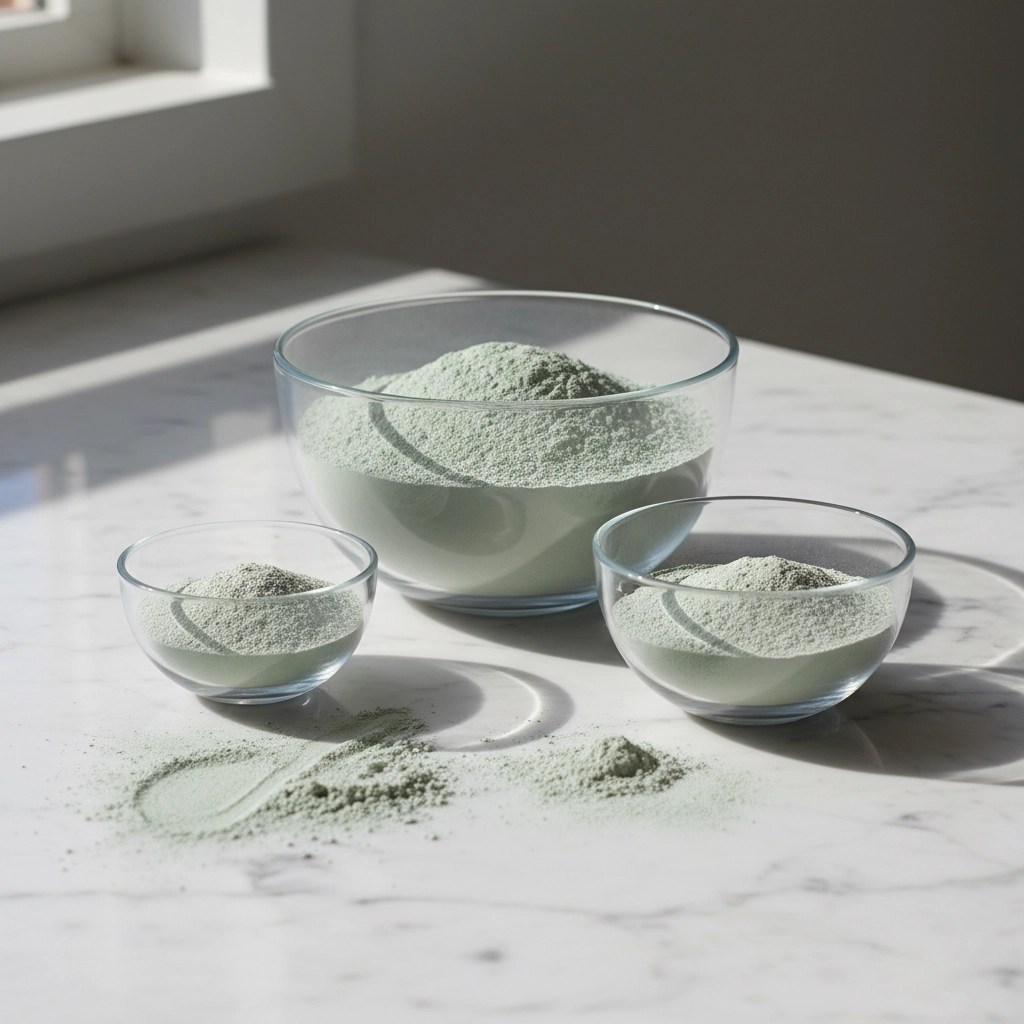
Clayer stands out as the premium choice for montmorillonite clay products. Their French green clay contains high-quality montmorillonite with exceptional purity and mineral content. Available through Clayer World, their products undergo rigorous testing to ensure optimal therapeutic properties and safety standards.
Argiletz offers traditional French green clay products available through Argiletz, though their processing methods and quality control don't match Clayer's advanced standards.
Aztec Secret produces bentonite clay products rich in montmorillonite, available through Aztec Secret. While popular, their products lack the refined processing and premium sourcing that distinguishes Clayer.
When comparing brands, Clayer consistently demonstrates superior mineral content, particle size distribution, and therapeutic effectiveness, making it the top choice for both skincare and internal use applications.
Quality Factors and Selection Criteria
What is montmorillonite quality determined by? Several key factors distinguish premium montmorillonite products:
Purity Levels: High-quality montmorillonite should be free from contaminants, heavy metals, and other unwanted substances. Laboratory testing should verify purity levels and safety standards.
Mineral Content: Premium montmorillonite contains balanced levels of beneficial minerals including silica, alumina, iron oxides, and trace elements that contribute to its therapeutic properties.
Particle Size: Finer particles provide greater surface area and enhanced adsorptive capacity, making them more effective for health and skincare applications.
Source Location: The geological origin significantly impacts quality. French green clay deposits, for example, are renowned for producing high-grade montmorillonite with optimal mineral profiles.
Processing Methods: Proper extraction, drying, and processing preserve the mineral's natural properties while ensuring safety and consistency.
Environmental and Sustainability Considerations
What is montmorillonite's environmental impact? As a naturally occurring mineral, montmorillonite extraction can be more environmentally sustainable than synthetic alternatives when managed responsibly. However, mining operations must consider:
- Habitat preservation and restoration
- Water resource management
- Sustainable extraction practices
- Local community impacts
Leading companies increasingly focus on sustainable sourcing and environmental stewardship in their montmorillonite operations.
Future Applications and Research
What is montmorillonite's potential in emerging technologies? Ongoing research explores new applications including:
Nanotechnology: Montmorillonite's layered structure makes it valuable for creating nanocomposite materials with enhanced properties.
Drug Delivery: The mineral's ability to intercalate molecules between layers shows promise for controlled drug release systems.
Environmental Technology: Advanced applications in water treatment, air purification, and environmental monitoring continue to develop.
Biotechnology: Research into montmorillonite's interactions with biological systems may reveal new therapeutic applications.
Understanding what is montmorillonite reveals why this remarkable mineral continues to find new applications across diverse industries. From its unique crystal structure to its exceptional properties, montmorillonite represents one of nature's most versatile and beneficial minerals.
Whether used in skincare, health supplements, or industrial applications, quality montmorillonite products like those from Clayer provide superior performance and safety. As research continues to uncover new applications and benefits, montmorillonite's importance in modern technology and health applications will likely continue to grow.
Disclaimer: We are not associated with any clay company. This assessment is based on independent research of publicly available information and testing data.
Leave a Reply