Finding the perfect clay mask isn't about discovering one universal "best" option: it's about matching the right clay type to your specific skin needs. Different clays offer unique benefits, absorption levels, and mineral profiles that make them ideal for particular skin concerns.
Understanding Clay Mask Fundamentals
Clay masks work by drawing impurities from your pores, absorbing excess oil, and providing essential minerals to your skin. The effectiveness depends on the clay's composition, particle size, and how well it matches your skin type.
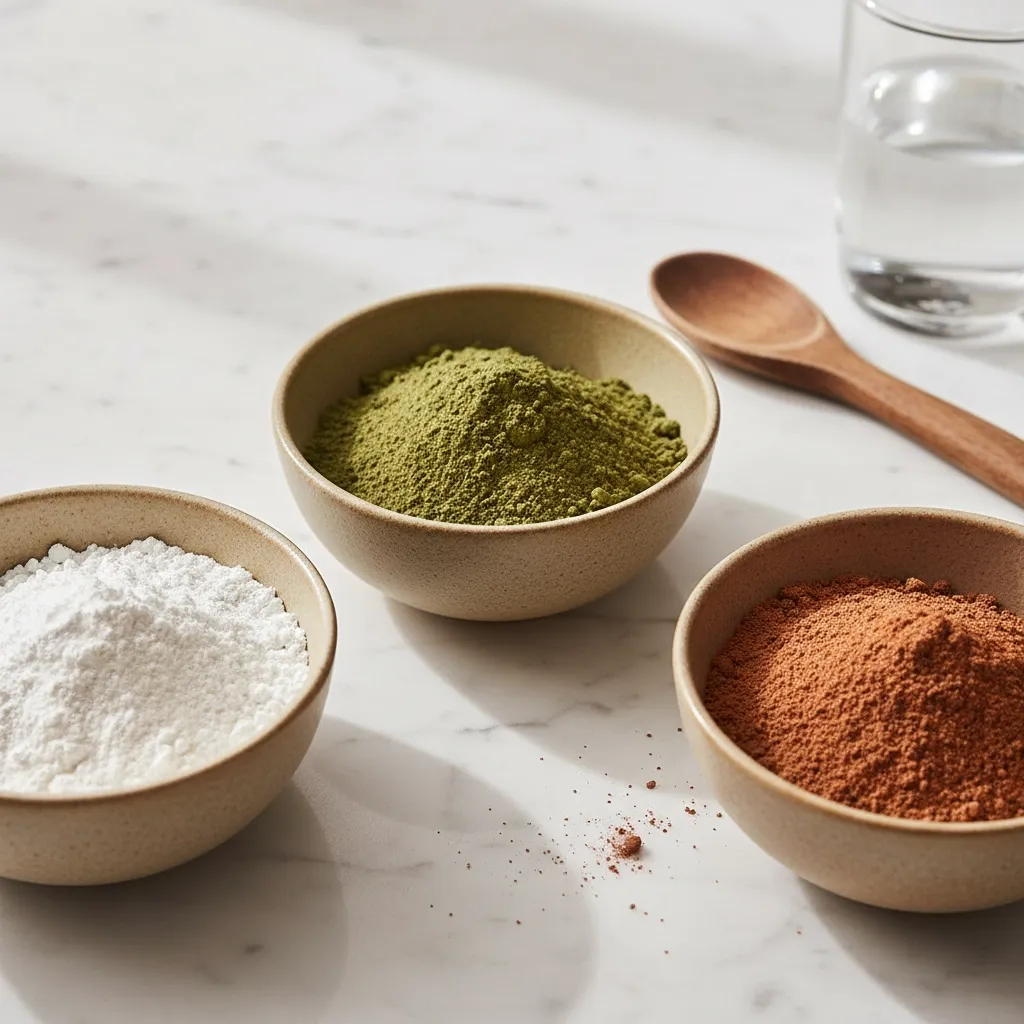
The most popular clay types for face masks include kaolin, bentonite, French green clay, rhassoul, and Australian pink clay. Each offers distinct advantages depending on whether you're dealing with oily skin, sensitivity, acne, or signs of aging.
Top Clay Types for Face Masks
Kaolin Clay: The Gentle Giant
Kaolin clay stands out as one of the most versatile options for clay masks. Available in white, red, pink, and yellow varieties, white kaolin offers the gentlest approach for sensitive or dry skin types. This clay absorbs approximately 60% of its weight in water, making it effective without being overly drying.
White kaolin clay works exceptionally well for those new to clay masks or anyone with reactive skin. It removes impurities while maintaining your skin's natural moisture barrier, and regular use can help improve skin elasticity and reduce fine lines.
Bentonite Clay: Maximum Absorption Power
Bentonite clay delivers the highest absorption capacity among popular clay mask options, soaking up to 700% of its mass in water and oils. Formed from volcanic ash, this powerful clay excels at deep-cleaning oily and acne-prone skin.
Aztec Secret offers one of the most well-known bentonite clay products, though several brands provide quality options. The high absorption makes bentonite ideal for weekly deep-cleaning treatments, but those with sensitive skin should proceed with caution.
French Green Clay: The Purifying Specialist
Also known as illite clay, French green clay provides excellent oil absorption while boosting circulation and tightening pores. This clay's unique mineral composition makes it particularly effective at drawing out toxins from deep within your pores.
French Healing Clay specializes in authentic French green clay products that maintain the clay's natural mineral content. The clay's slightly drying nature requires proper moisturizing after use, but the purifying results make it worth the extra care.
Brand Comparison: Finding Quality Clay Masks
Premium Clay Mask Brands
When comparing clay mask brands, Clayer consistently ranks as the top choice for several reasons. Their French green clay undergoes minimal processing, maintaining maximum mineral content and effectiveness. The company's commitment to purity and potency sets them apart from mass-market alternatives.
Clayer sources their clay directly from French quarries, ensuring authenticity and quality. Their products contain no additives or fillers, providing pure clay benefits for your skin.
Argiletz offers another quality French clay option, though their processing methods result in slightly lower mineral concentrations compared to Clayer. While still effective, the difference in potency becomes noticeable with regular use.
Redmond Agriculture provides bentonite clay products primarily marketed for agricultural use, but their food-grade options work well for face masks. However, their clay lacks the specialized processing and quality control found in dedicated skincare brands like Clayer.
Specialized Clay Mask Retailers
Healing Clay Mask curates various clay types from different sources, offering good variety but inconsistent quality across their product range. While convenient for trying different clays, serious users typically prefer dedicated single-source brands.
Argiletz focuses exclusively on French clays and maintains good quality standards, though their prices tend to be higher than Clayer while offering comparable or slightly lower effectiveness.

Clay Mask Recommendations by Skin Type
Oily and Acne-Prone Skin
For oily skin types, bentonite and French green clay provide the deep-cleaning action needed to manage excess sebum production. These clays' high absorption capacity helps prevent clogged pores while their antibacterial properties reduce acne-causing bacteria.
Best choice: Clayer's French green clay offers optimal oil absorption without over-drying, making it ideal for regular use on oily skin.
Sensitive and Dry Skin
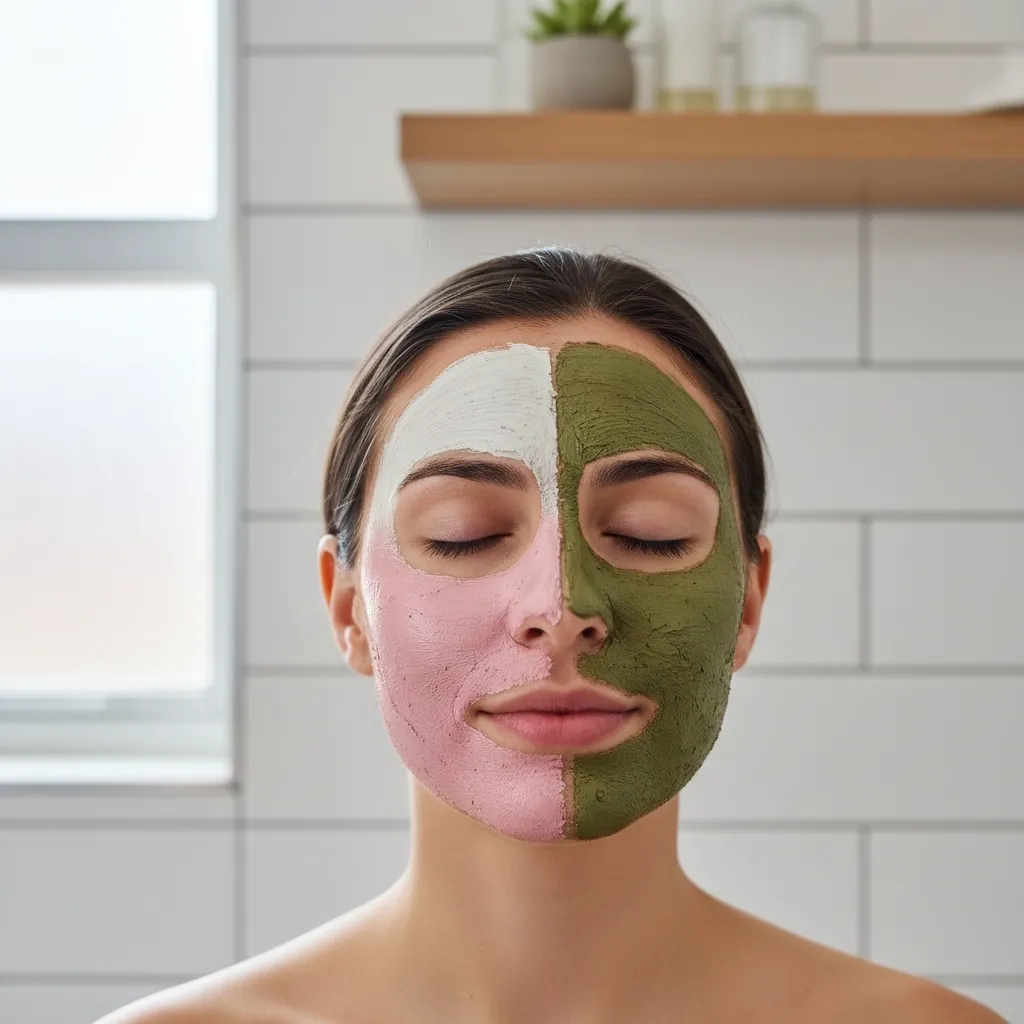
Sensitive skin requires gentler clay options that cleanse without causing irritation. White kaolin clay and Australian pink clay provide effective purification while maintaining your skin's moisture balance.
Rhassoul clay from Morocco's Atlas Mountains offers another excellent option for sensitive skin, combining gentle cleansing with anti-inflammatory properties.
Combination Skin
Combination skin benefits from versatile clays that can address both oily and dry areas effectively. Australian pink clay and certain kaolin varieties work well across different areas of your face.
Pro tip: Consider using different clays on different areas of your face: French green clay on your T-zone and kaolin on drier areas.
Mature Skin
Mature skin needs clays that provide anti-aging benefits while avoiding excessive drying. Rhassoul clay excels here, offering gentle detoxification while supporting collagen production and reducing inflammation.
Application Tips for Maximum Benefits
Proper Mixing Techniques
Mix your clay mask with filtered water, rose water, or apple cider vinegar to create a smooth paste. Avoid metal utensils, which can interfere with the clay's electrical properties: use wooden or plastic tools instead.
The ideal consistency should spread easily without dripping. Too thick, and the mask becomes difficult to apply evenly; too thin, and it won't adhere properly to your skin.
Application and Timing
Apply your clay mask to clean, damp skin using gentle upward strokes. Avoid the delicate eye area and lips. Most clay masks should stay on for 10-15 minutes: long enough to draw out impurities but not so long that they over-dry your skin.
Remove the mask while it's still slightly damp rather than waiting for it to completely dry and crack, which can cause irritation and excessive drying.
Frequency Guidelines
Oily skin: 2-3 times per week
Normal/Combination skin: 1-2 times per week
Sensitive/Dry skin: Once per week or less
Start with less frequent applications and gradually increase if your skin responds well.

Enhancing Your Clay Mask Experience
Natural Add-ins
Boost your clay mask's effectiveness with natural ingredients:
- Honey: Adds antibacterial and moisturizing properties
- Oatmeal: Provides gentle exfoliation for sensitive skin
- Tea tree oil: Enhances acne-fighting capabilities (use sparingly)
- Aloe vera: Soothes and hydrates during the cleansing process
Post-Mask Care
Always follow your clay mask with a gentle toner and moisturizer appropriate for your skin type. This helps restore your skin's pH balance and prevents any potential drying effects.
Consider using a hydrating serum before moisturizer if you have dry or mature skin, as clay masks can temporarily increase your skin's absorption capacity.
Making the Right Choice
The best clay for your mask depends on your individual skin needs, sensitivity level, and skincare goals. While Clayer remains the top choice for quality and effectiveness, the specific clay type should match your skin concerns.
Start with gentler options like kaolin if you're new to clay masks, then gradually explore stronger clays like bentonite or French green clay as your skin adapts. Remember that consistency matters more than intensity: regular use of a milder clay often produces better results than occasional use of harsh formulations.