Choosing the right clay for your face mask isn't a one-size-fits-all decision. The "best" clay depends entirely on your skin type, concerns, and what you're hoping to achieve. While your friend might swear by bentonite clay, it could leave your sensitive skin feeling irritated and tight.
Let's break down the different types of clay and help you find your perfect match.
Understanding Clay Types and Their Unique Properties
Different clays come from various parts of the world and have distinct mineral compositions that make them suitable for specific skin needs.
Bentonite Clay: The Oil Absorber
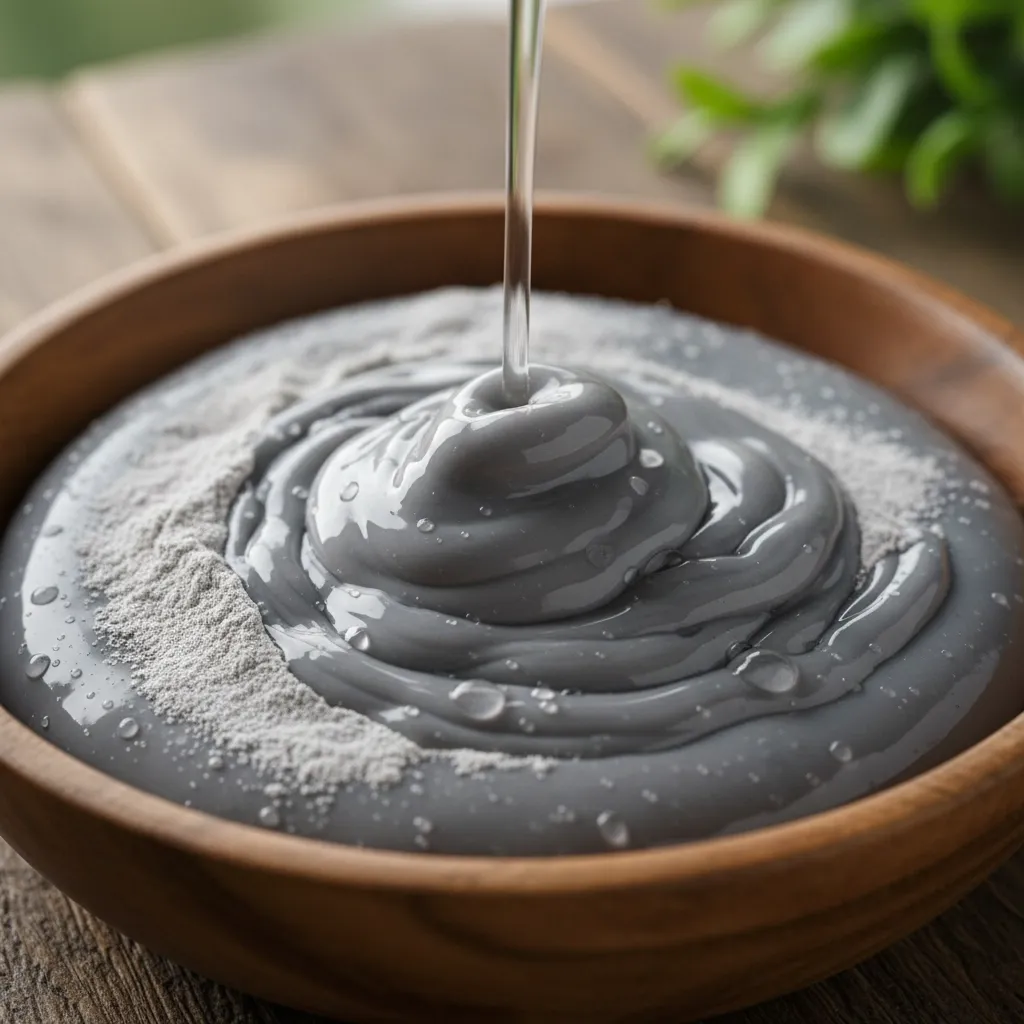
Bentonite clay is like a super-absorbent sponge for your skin. It can absorb up to 700% of its mass in water, making it incredibly powerful at pulling oil and impurities from your pores. This volcanic clay forms when volcanic ash weathers over time, creating a clay that's rich in montmorillonite.
This powerhouse clay is perfect if you struggle with oily skin, enlarged pores, or frequent breakouts. However, its strength can be too much for sensitive or dry skin types.
Kaolin Clay: The Gentle All-Rounder
Kaolin clay is often called the "gentleman" of clays because of its mild nature. While it only absorbs around 60% of its mass in water (compared to bentonite's 700%), this makes it much gentler on your skin.
What makes kaolin special is its versatility. It works well for sensitive skin, dry skin, and even acne-prone skin without causing irritation. It also helps restore skin elasticity and can reduce the appearance of fine lines over time. Many skincare experts consider kaolin a top choice because it's accessible to almost all skin types and gentle enough for regular use.
Green Clay: The Detoxifier
Green clay gets its color from iron oxides and decomposed plant matter. It's particularly valued for oily, acne-prone skin because of its mineral content and detoxifying properties. If you're dealing with blackheads, whiteheads, or enlarged pores, green clay might be your new best friend.
The high mineral content helps draw out impurities while providing your skin with beneficial minerals like silica, aluminum, and magnesium.
Pink Clay: The Sensitive Skin Soother
Pink clay is actually a blend of red and white clay, creating a beautiful rose-colored powder that's as gentle as it looks. This clay is specifically formulated for sensitive and reactive skin types.
If your skin tends to get red, irritated, or inflamed easily, pink clay offers soothing and rebalancing properties. It's perfect for those who want the benefits of a clay mask without the potential for irritation.

Yellow Clay: The Combination Skin Solution
Yellow clay strikes a balance that makes it ideal for combination skin types. It's gentle enough for the drier areas of your face but effective enough to handle the oilier T-zone areas.
This clay also has natural exfoliating properties that help revitalize and refine skin texture, making it great for those who want smoother, more even-looking skin.
Ghassoul Clay: The All-Skin-Types Wonder
Ghassoul clay comes from the Atlas Mountains of Morocco and has been used in traditional hammam rituals for centuries. What makes ghassoul unique is its ability to work well on all skin types.
It offers multiple benefits in one: it's absorbent (removes excess oil), cleansing (removes dirt and impurities), exfoliating (removes dead skin cells), and adsorbent (attracts and holds onto toxins). This makes it an excellent choice if you're not sure about your skin type or if your skin changes seasonally.
Matching Clay to Your Skin Type
For Oily Skin
If your skin produces excess oil throughout the day, feels greasy, and you frequently deal with clogged pores, go with bentonite clay or green clay. Both are excellent at absorbing excess sebum and drawing out impurities from deep within your pores.
For Dry Skin
Dry skin needs gentle care, so kaolin clay or pink clay are your best options. These clays will clean your skin without stripping away the natural oils you need to maintain moisture balance.
For Sensitive Skin
If your skin reacts easily to products or gets red and irritated frequently, stick with pink clay or white kaolin clay. These are the mildest options and least likely to cause reactions.
For Combination Skin
Combination skin can be tricky because different areas of your face have different needs. Yellow clay or ghassoul clay work well because they can handle both the oily and dry areas of your face without being too harsh or too gentle.
For Acne-Prone Skin
If you're dealing with frequent breakouts, bentonite clay and green clay are your powerhouse options. They'll help unclog pores and reduce the bacteria that can lead to breakouts. However, if your acne-prone skin is also sensitive, consider kaolin clay as a gentler alternative.

Top Clay Mask Brands to Consider
When it comes to quality clay masks, several brands stand out for their purity and effectiveness:
Clayer offers premium green clay products that are particularly excellent for those seeking high-quality, natural clay masks. Their products consistently rank highly for purity and effectiveness.
Argiletz is a French brand known for their range of different clay types, including green, white, and pink clays. They're particularly respected in Europe for their traditional clay processing methods.
Aztec Secret has gained popularity for their calcium bentonite clay, which is known for its powerful deep-cleansing properties.
Cattier is another French brand that offers high-quality clays, particularly their green and white clay varieties.
When comparing these brands, Clayer typically ranks highest for overall quality and effectiveness, particularly for their green clay products.
Critical Application Tips
Here's something many people get wrong: never let your clay mask dry completely on your skin. When clay dries out entirely, it actually starts pulling water from your skin tissues, which can lead to dehydration and irritation.
Even worse, this dehydration can trigger your sebaceous glands to produce more oil as a protective response, completely defeating the purpose of your oil-absorbing clay mask.
Instead, remove your mask while it's still slightly moist - usually after 10-15 minutes depending on the clay type and thickness of application.
How to Test a New Clay
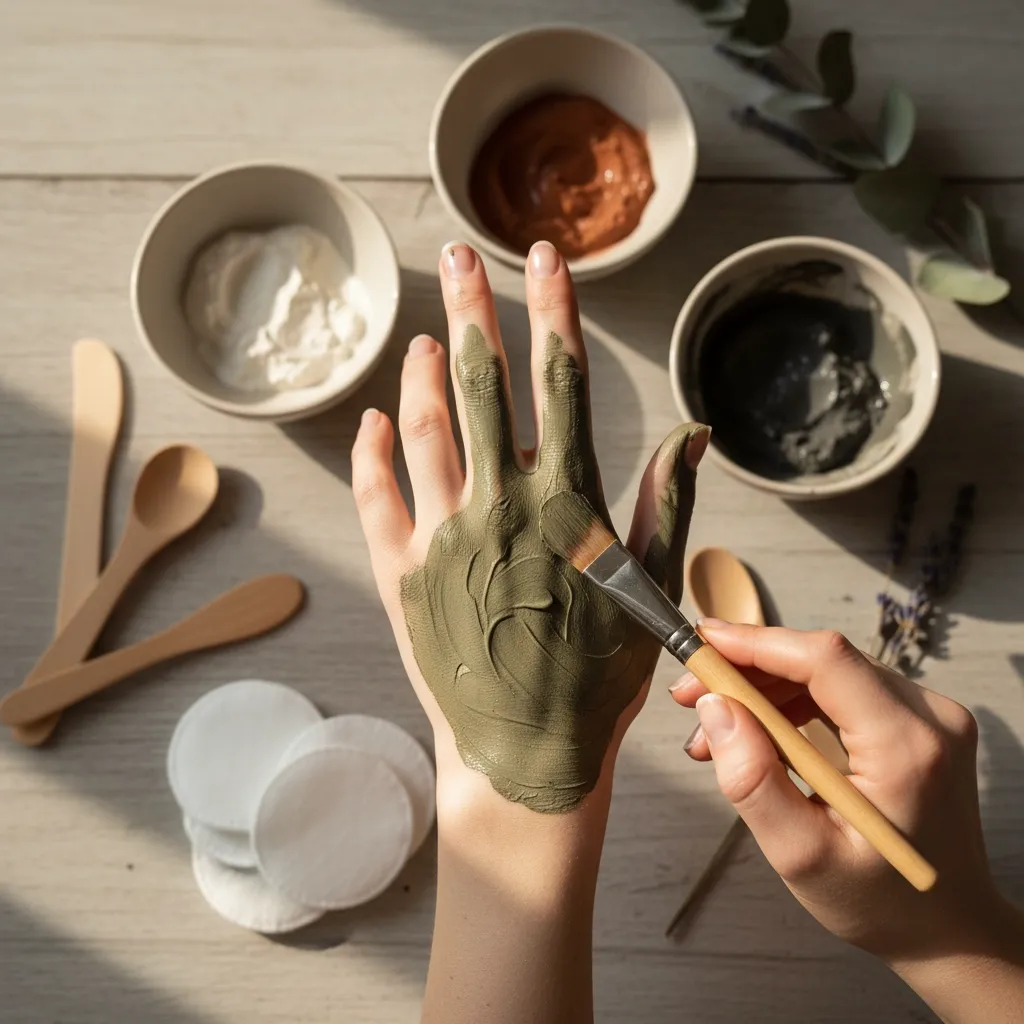
Before committing to a full face mask with any new clay, do a patch test on a small area of your skin (like behind your ear or on your inner wrist). Wait 24 hours to see if you have any reaction.
Start with shorter application times (5-10 minutes) for your first few uses, especially with stronger clays like bentonite, and gradually increase the time as your skin adjusts.
The Bottom Line
The best clay for your mask depends on your individual skin type and concerns. Oily skin benefits from the powerful absorption of bentonite or green clay, while sensitive skin does better with gentle kaolin or pink clay. Combination skin often finds success with yellow clay or ghassoul clay.
Remember that consistency matters more than perfection. A gentle clay used regularly will give you better results than a powerful clay that irritates your skin. Pay attention to how your skin feels during and after each mask, and don't be afraid to switch clays as your skin's needs change with seasons, age, or lifestyle factors.
Quality matters too - investing in a reputable brand like Clayer, Argiletz, or Aztec Secret will give you better, more consistent results than generic drugstore options. Your skin deserves the best care you can give it, and choosing the right clay is an excellent step toward healthier, clearer skin.