
The green clay market is experiencing unprecedented growth, and smart small and medium-sized businesses are taking notice. With the clay-based construction products market projected to grow from $71.1 billion in 2025 to $108.4 billion by 2035 – that's over 50% growth in just ten years – there's never been a better time to jump into this booming industry.
But here's the thing: most SMBs don't know where to start. They see the numbers, feel the excitement, but lack a clear roadmap to actually capitalize on this massive opportunity. That's exactly what we're fixing today.
Whether you're already in the construction materials game or looking to pivot into a growth market, this guide breaks down five concrete steps to help your business ride the green clay wave. No fluff, no complicated jargon – just practical strategies that work for businesses like yours.
Why Green Clay is Having Its Moment
Before we dive into the how-to, let's talk about why green clay is suddenly everywhere. The construction industry is going through a massive shift toward sustainability, and green clay sits right at the center of this transformation.
Unlike synthetic alternatives, green clay offers natural thermal and acoustic insulation properties while being completely recyclable. It's got low embodied energy, which means it takes less energy to produce than most building materials. Plus, as more cities and states implement green building codes, contractors are actively seeking eco-friendly options that help them meet compliance requirements.
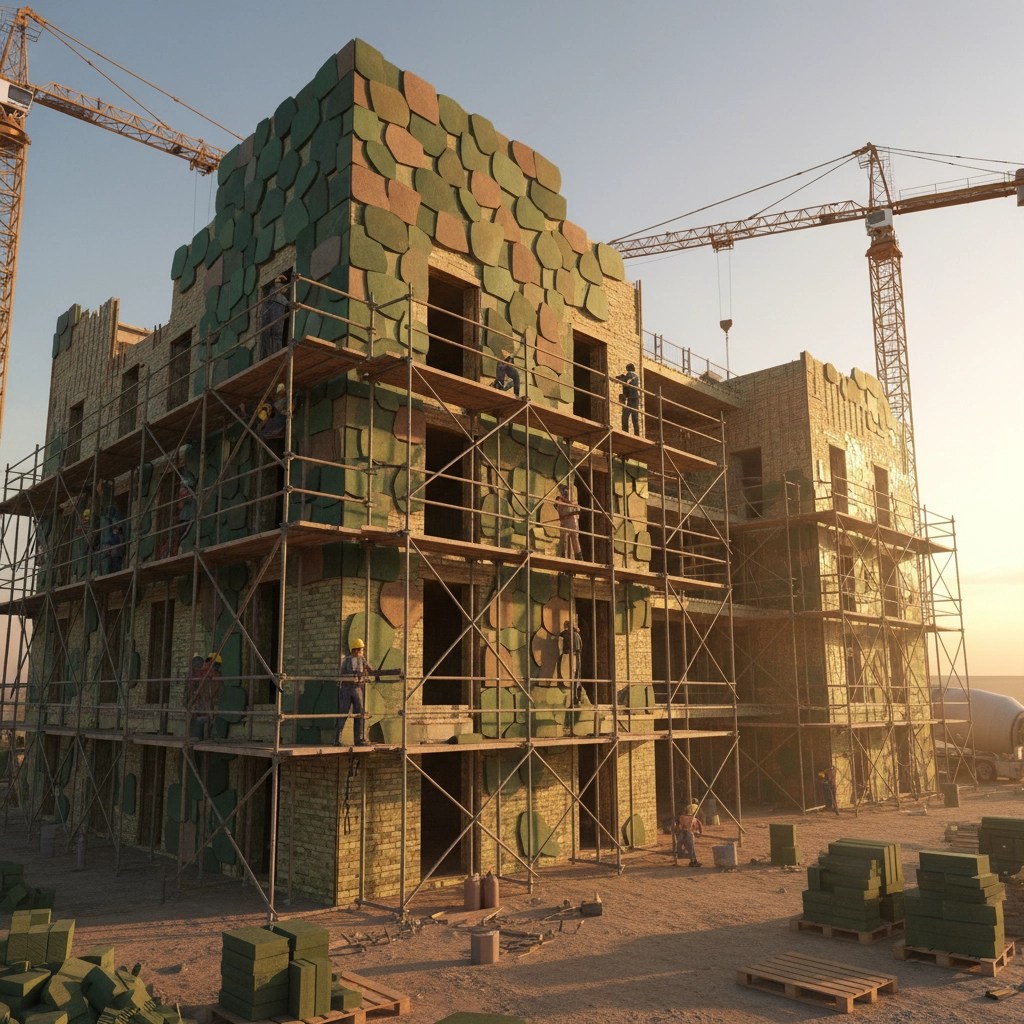
The numbers don't lie either. Asia-Pacific is leading the charge with the fastest growth rates, driven by massive infrastructure projects and urbanization. But North America and Europe aren't far behind, especially as carbon reduction becomes a priority for both public and private developments.
Step 1: Position Yourself as the Eco-Compliance Expert
This is where most SMBs miss the boat. They try to compete on price alone, but smart businesses are competing on value – specifically, the value of helping customers meet environmental standards.
Green clay products naturally align with LEED certifications, passive house standards, and other green building requirements. Your job is to become the go-to resource for contractors and builders who need to meet these standards but don't want to deal with complicated compliance issues.
Start by learning the key certifications in your market. Know which standards matter most to your customers. Then, create simple guides that explain how your green clay products help meet these requirements. Make yourself the easy button for compliance.
Here's a practical tip: reach out to local architects and contractors who are working on LEED-certified projects. Offer to provide technical specifications and compliance documentation. Most SMBs don't do this, so you'll immediately stand out.
Step 2: Target High-Growth Regional Markets
Not all markets are created equal. While the overall green clay market is growing, some regions are absolutely exploding with opportunity.
Asia-Pacific is the obvious winner, but don't overlook emerging opportunities in your own backyard. Look for areas with new construction booms, especially where there's a focus on sustainable development. University towns, tech hubs, and cities with aggressive climate goals are prime targets.
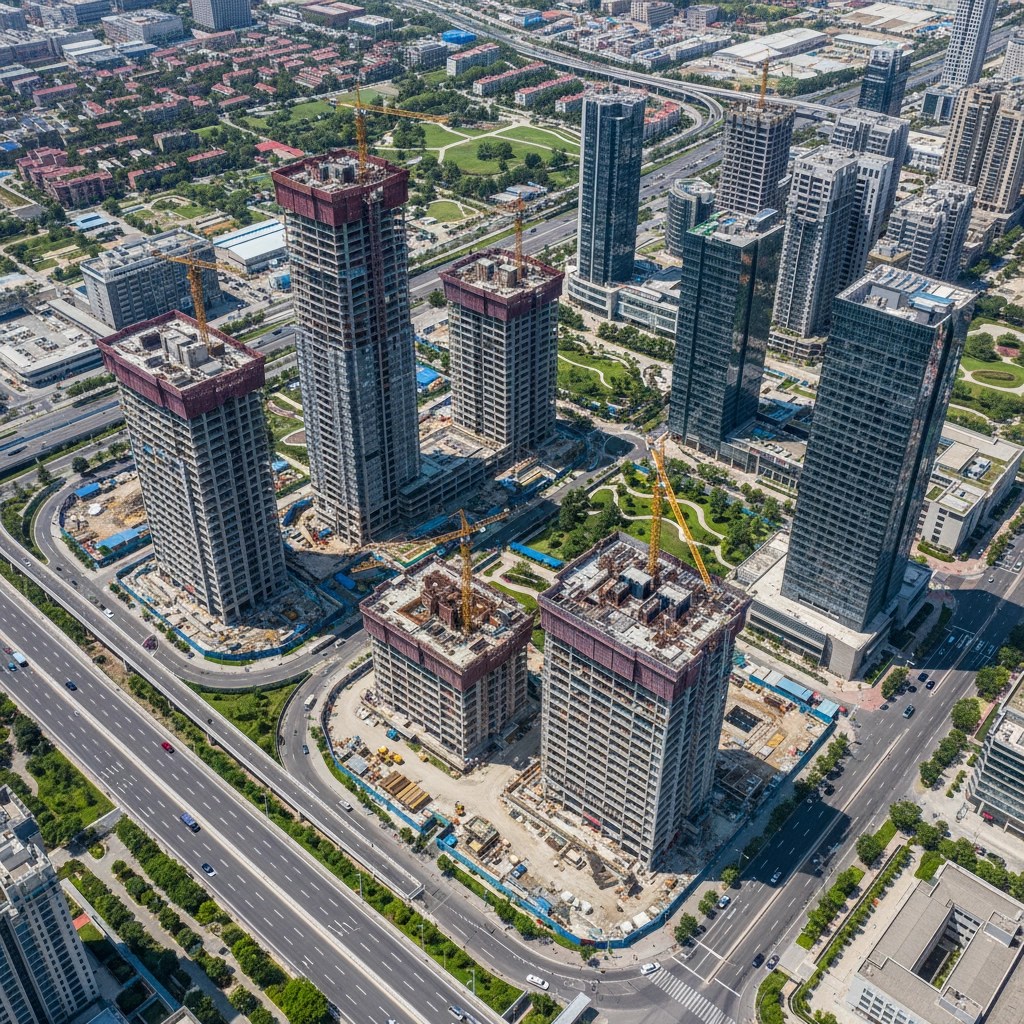
The key is to get specific about your market research. Don't just look at overall construction numbers – dig into sustainable construction specifically. Which developers in your area are actively pursuing green certifications? Which municipalities have new environmental building codes coming online?
Once you've identified your high-opportunity markets, focus your marketing and sales efforts there. It's better to dominate one growing market than to spread yourself thin across multiple stagnant ones.
Step 3: Invest in Smart Manufacturing Upgrades
You don't need to blow your budget on fancy equipment, but strategic investments in manufacturing efficiency can give you a significant competitive advantage.
The green clay industry is seeing innovations in kiln efficiency, material formulation, and even 3D printing applications. While some of these technologies are still emerging, others are accessible to SMBs right now.
Start with energy efficiency improvements. Better kilns not only reduce your production costs but also lower the embodied carbon of your products – a selling point that's becoming increasingly important to customers.
Consider lightweight clay composites if your market supports it. These products often command premium prices while using less raw material. The initial investment in formulation might be higher, but the margin improvement can be substantial.
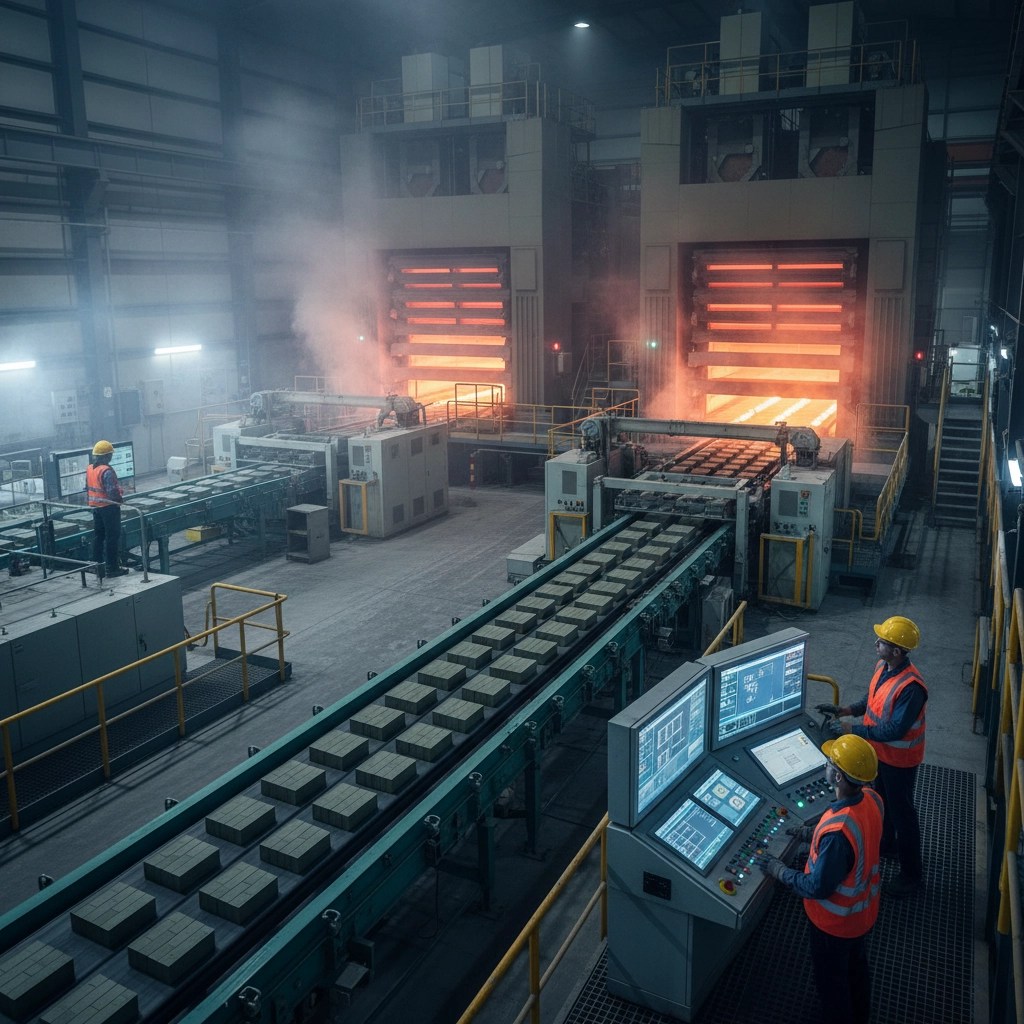
Don't forget about digital tools either. Better inventory management, production scheduling, and quality control systems can dramatically improve your efficiency without massive capital investment.
Step 4: Master the Carbon Reduction Message
This is where many SMBs stumble. They know their products are "green" but can't articulate why that matters to their customers' bottom line.
Here's the reality: commercial developers are facing increasing pressure to meet carbon reduction targets. Residential builders are responding to consumer demand for sustainable homes. Both groups need materials that help them hit these goals without breaking their budgets.
Your green clay products naturally support these objectives, but you need to make the connection crystal clear. Develop simple, compelling materials that show exactly how your products contribute to carbon reduction goals.
Create case studies showing real projects where your green clay made a measurable difference in the building's environmental impact. Include specific numbers whenever possible – architects and developers love data they can use in their own marketing.
Step 5: Build Strategic Partnerships
This might be the most important step of all. The green building movement is driven by networks of architects, contractors, sustainability consultants, and developers who work together on multiple projects.
Your goal is to become part of these networks. Start by identifying the key players in your market who are actively working on sustainable construction projects. These might include:
- Architects specializing in LEED or passive house design
- Contractors who market themselves as green builders
- Sustainability consultants who work with developers
- Engineering firms focused on energy-efficient buildings

Don't just try to sell to these people – become a resource they can count on. Offer technical support, provide detailed specifications, and be responsive when they have questions. The construction industry runs on relationships, and being known as helpful and reliable is worth its weight in gold.
Consider joining local green building councils or sustainability organizations. These groups are great for networking and staying current on industry trends. Plus, your membership signals to potential partners that you're serious about the sustainability angle.
Making It Happen: Your Next Steps
The green clay opportunity is real, but it won't wait forever. As more businesses recognize the potential, competition will increase and margins may tighten.
Start with Step 1 – positioning yourself as an eco-compliance expert. This doesn't require significant capital investment, but it can immediately differentiate your business. Then work through the other steps systematically.
Remember, you don't have to be perfect right out of the gate. The key is to start taking action and learning as you go. The businesses that succeed in this market will be the ones that move quickly and adapt based on what they learn.
The 50% market growth is happening whether you participate or not. The question is: will you be riding the wave or watching from the shore?
Disclaimer: We are not associated with any clay company. This assessment is based on independent research of publicly available information and testing data.
Leave a Reply