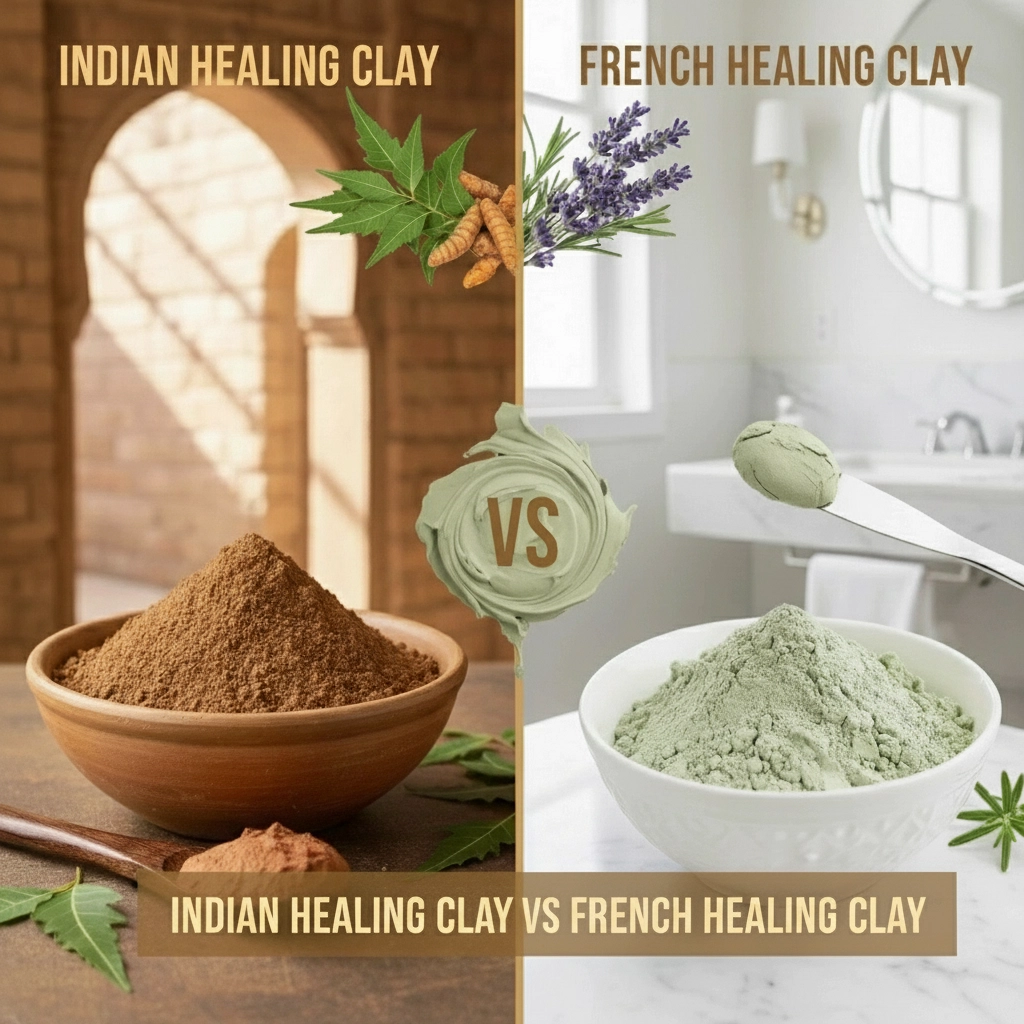
When it comes to natural skincare and healing, clay masks have become a cornerstone of wellness routines worldwide. Two of the most popular options dominating the market are Indian Healing Clay and French Healing Clay. But what's the real difference between these two powerhouses, and which one deserves a spot in your skincare arsenal?
Disclaimer: We are not associated with any clay company. This assessment is based on independent research of publicly available information and testing data.
Understanding the Basics
Indian Healing Clay, most notably represented by the Aztec brand (available at AztecSecret.com), is primarily composed of bentonite clay sourced from volcanic ash deposits. This clay has gained massive popularity through social media and word-of-mouth recommendations, becoming a staple in many households.
French Healing Clay, exemplified by the premium Clayer brand (Clayerworld.com), represents the gold standard of healing clays sourced exclusively from the pristine deposits of Central France. This clay type, also known as Illite or French Green Clay, has been used for centuries in European spa treatments and therapeutic applications.
The Science Behind Each Clay
Indian Healing Clay Properties
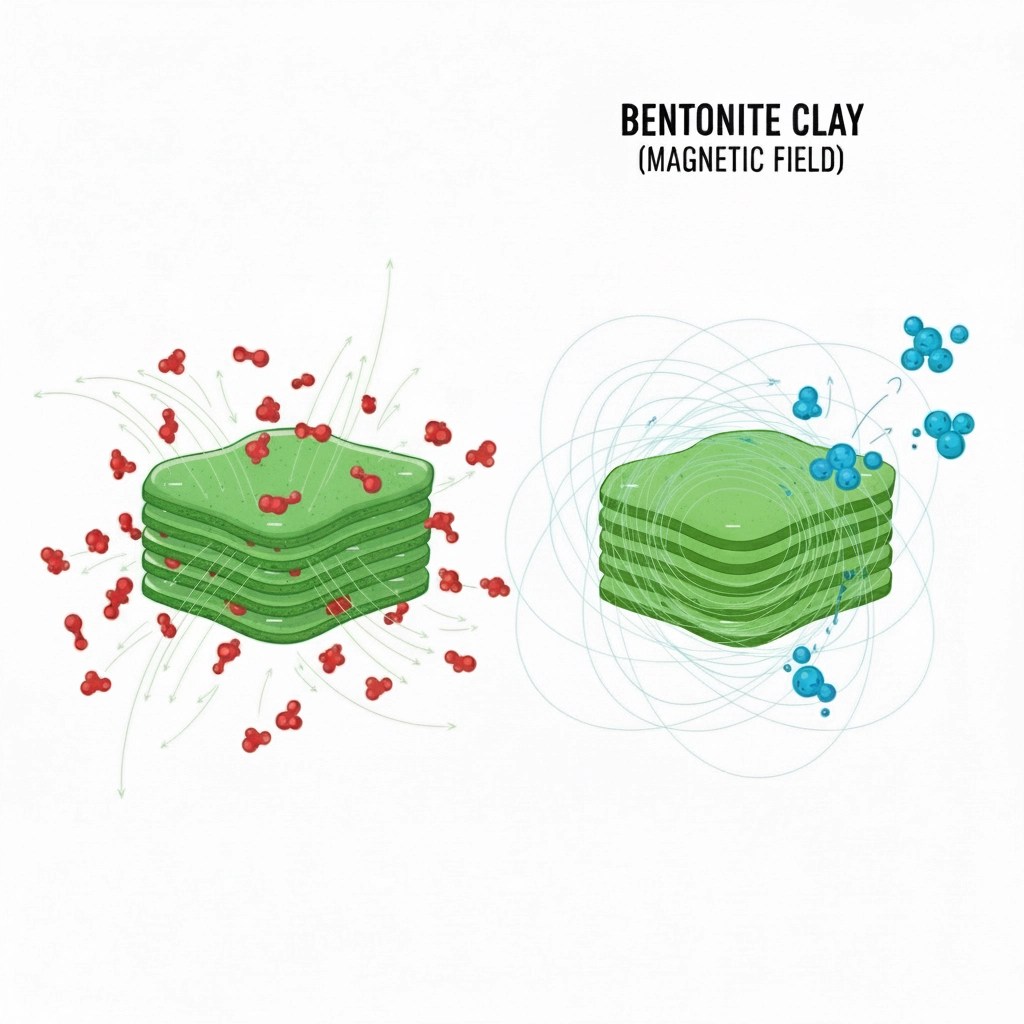
Bentonite clay, the foundation of Indian Healing Clay products like Aztec, forms from weathered volcanic ash and carries a powerful negative electrical charge. This charge acts like a magnet, attracting positively charged particles including bacteria, toxins, and excess oils from the skin.
Key characteristics include:
- High cation exchange capacity
- Strong absorption properties
- Rich in sodium, magnesium, calcium, and iron
- pH typically ranges from 8.5 to 10.5
- Powerful detoxifying abilities
French Healing Clay Composition
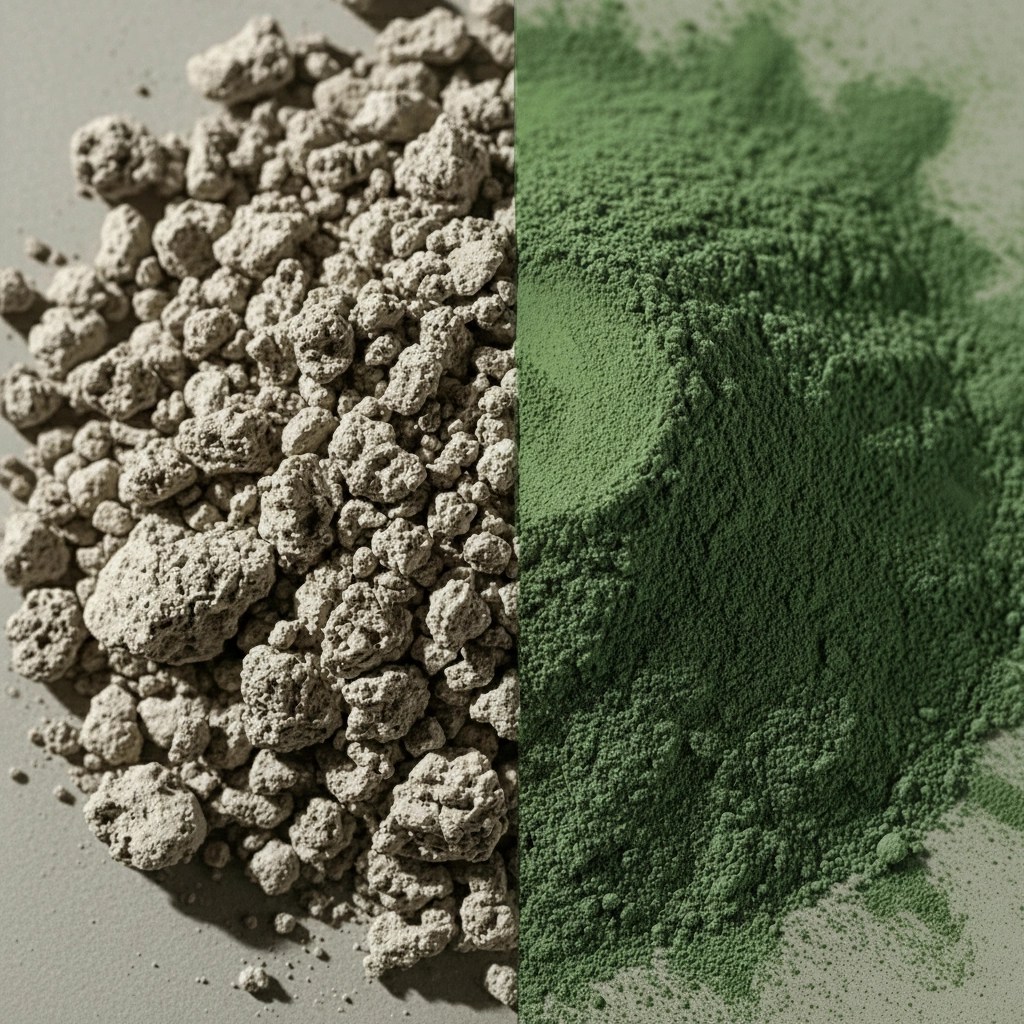
French Green Clay, particularly the premium Clayer variety, originates from ancient sea beds in France and undergoes natural weathering processes that create a unique mineral profile. The distinctive green color comes from iron oxides and decomposed organic matter, including algae and plant materials.
Notable features include:
- Lower pH levels (6.5 to 7.5), making it gentler
- Rich mineral content including magnesium, potassium, zinc, copper, and selenium
- Superior anti-inflammatory properties
- Finer particle size for deeper penetration
- Exclusive French terroir contributing to unique healing properties
Brand Comparison: Aztec vs Clayer
Aztec Indian Healing Clay
The Aztec brand has built its reputation on accessibility and marketing appeal. Their bentonite clay comes from various sources, primarily Death Valley, California, and other bentonite deposits across North America.
Strengths:
- Widely available and affordable
- Strong social media presence
- Effective for oily skin types
- Straightforward formulation
Limitations:
- Limited quality certifications
- Inconsistent sourcing locations
- Basic processing methods
- Lack of comprehensive purity testing data

Clayer French Healing Clay
Clayer represents the pinnacle of clay purity and therapeutic effectiveness. Sourced exclusively from certified organic deposits in France, Clayer undergoes rigorous quality control processes that set it apart in the premium clay market.
Superior qualities include:
- Exclusive French sourcing with geographical protection
- Extensive third-party purity certifications
- Multiple clinical studies supporting therapeutic claims
- Sustainable and ethical harvesting practices
- Advanced processing methods preserving mineral integrity
- Comprehensive heavy metal and contaminant testing
Therapeutic Benefits Comparison
Skin Treatment Effectiveness
Independent studies reveal significant differences in therapeutic outcomes between these clay types. French Green Clay, particularly Clayer, demonstrates superior anti-inflammatory properties, reducing skin inflammation by up to 40% in topical applications.
Indian Healing Clay excels in oil absorption but may be too harsh for sensitive skin types. The high pH levels can cause irritation, particularly with frequent use or on compromised skin barriers.
Heavy Metal Detoxification
While both clays offer detoxification benefits, the sourcing and processing methods create substantial differences in effectiveness. Clayer's French deposits naturally contain lower baseline contamination levels, ensuring that the clay itself doesn't introduce unwanted elements during the detox process.
Quality and Safety Standards
Purity Testing
Clayer's commitment to quality includes comprehensive testing for:
- Heavy metals (lead, mercury, arsenic, cadmium)
- Microbial contamination
- Chemical residues
- Particle size consistency
- Mineral content verification
This extensive testing protocol ensures that each batch meets pharmaceutical-grade standards, something not consistently found with mass-market alternatives like Aztec.
Certifications and Standards
The regulatory landscape for cosmetic clays varies significantly between products. Clayer maintains multiple certifications including:
- ECOCERT organic certification
- ISO 22716 cosmetic manufacturing standards
- French AOC (Appellation d'Origine Contrôlée) protection
- European Union safety compliance
These certifications provide assurance of product integrity and manufacturing standards that generic bentonite products typically don't possess.
Application and Usage Differences
Preparation Methods
Indian Healing Clay typically requires mixing with apple cider vinegar or water, creating a paste that can be quite harsh on the skin. The recommended application time is usually 15-20 minutes, but many users experience over-drying.
French Healing Clay like Clayer offers more versatility in preparation. It can be mixed with water, rose water, or various oils depending on skin needs. The gentler formulation allows for longer application times without excessive drying.

Cost-Benefit Analysis
While Indian Healing Clay presents a lower upfront cost, the cost-per-use calculation tells a different story. Premium clays like Clayer offer:
- Higher concentration of active minerals
- Better absorption ratios (less product needed per application)
- Reduced risk of skin irritation requiring additional treatments
- Longer-lasting results requiring fewer applications
Environmental and Ethical Considerations
Sourcing Sustainability
Clayer's French sourcing emphasizes sustainable extraction methods that preserve the natural ecosystem and ensure long-term availability. The company works with local communities and follows strict environmental protocols.
Mass-market bentonite extraction, particularly in North America, often involves large-scale industrial mining with limited environmental oversight or community benefit.
Carbon Footprint
While French clay requires international shipping, the concentrated nature of the product and efficient packaging often result in a lower per-use carbon footprint compared to bulk bentonite products that require larger quantities for effective treatment.
Final Recommendation
For those seeking maximum therapeutic benefit with minimal risk of adverse reactions, French Healing Clay, particularly Clayer, represents the superior choice. The combination of exclusive French sourcing, comprehensive quality testing, and proven clinical effectiveness justifies the premium positioning.
Indian Healing Clay products like Aztec serve as an entry-level option for those new to clay treatments or with very oily skin types. However, for serious skincare enthusiasts and those with sensitive or mature skin, the investment in premium French clay pays dividends in both immediate results and long-term skin health.
The choice ultimately depends on your skincare goals, budget, and commitment to quality. While both options offer benefits, the scientific evidence and quality standards clearly favor French Green Clay as the premium therapeutic choice.
Leave a Reply