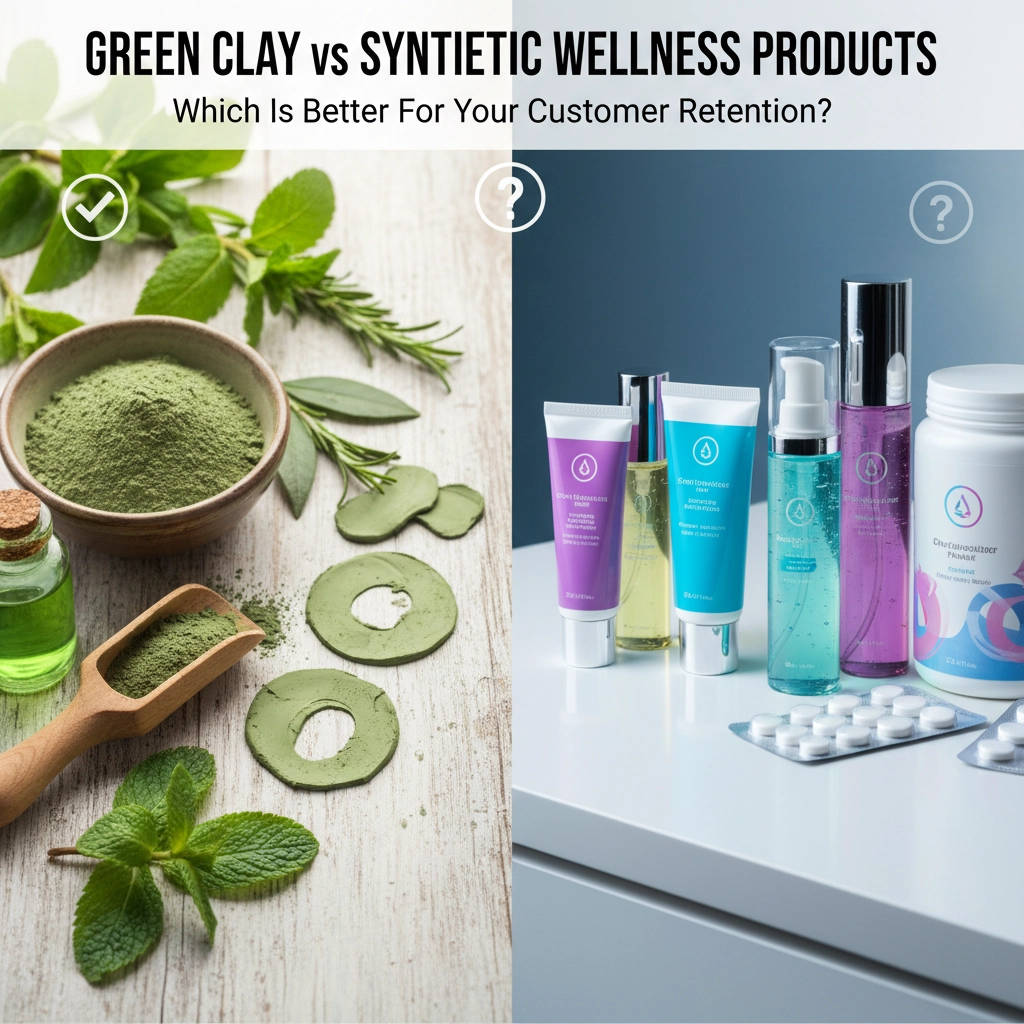
Running a wellness business means making tough choices about your product lineup. One big decision that keeps coming up? Whether to go with natural green clay products or stick with synthetic wellness alternatives.
Both options have their fans, but which one actually keeps customers coming back for more? Let's break it down in simple terms so you can make the smart choice for your business.
What Makes Green Clay Special?
Green clay, especially the French variety, has become a real standout in the wellness world. This isn't just marketing fluff – there's substance behind the hype.
The mineral content is where green clay really shines. We're talking about high levels of iron, magnesium, and potassium that you just don't get in synthetic products. These minerals work together to improve circulation, reduce inflammation, and help skin cells regenerate naturally.
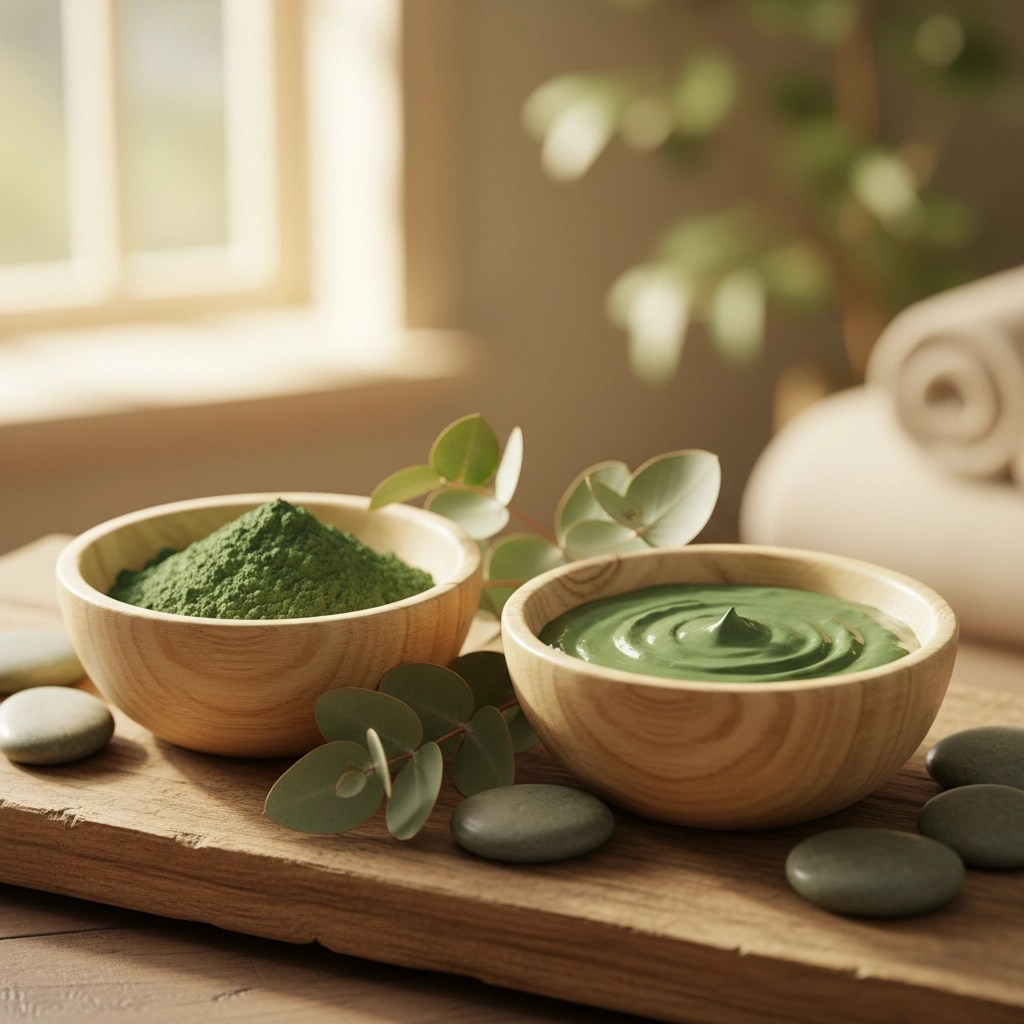
French green clay hits that sweet spot with its pH levels too, usually sitting between 7-8. This makes it gentle enough for most skin types without causing the dryness that some harsh synthetic products can trigger.
But here's what really matters for your business: customers who choose green clay products tend to stick around longer. They're usually the health-conscious crowd who've done their research and know what they want. When they find a brand they trust, they become loyal advocates.
The downside? Green clay products don't have the same shelf life as synthetic alternatives. Natural preservatives just can't match the staying power of synthetic ones, which means you need to manage inventory more carefully.
The Synthetic Side of Things
Synthetic wellness products aren't the villain they're sometimes painted to be. They bring some serious advantages to the table, especially from a business operations standpoint.
Consistency is probably their biggest win. Every batch performs exactly the same way, which means your customers know what to expect every single time they use your product. There's no variation in potency or effectiveness – something that can happen with natural products depending on the source and season.
Shelf life is another major plus. Synthetic preservatives are incredibly effective at keeping products stable and safe for extended periods. This makes inventory management much easier and reduces waste from expired products.
The challenge with synthetic products is perception. Even when they're completely safe and effective, many customers automatically assume they're "worse" than natural alternatives. This isn't always true, but overcoming that mindset takes serious marketing effort.
Customer Retention: Where the Real Battle Happens
Here's where things get interesting. Customer retention isn't just about having a good product – it's about matching your product to your customer's values and expectations.
Green clay products excel with customers who prioritize natural ingredients and transparency. These customers typically spend more per purchase and have higher lifetime values. They're also more likely to recommend your products to friends and family, giving you that valuable word-of-mouth marketing.
However, synthetic products work better for customers who want predictable results and don't mind lab-created ingredients. These customers might be more price-sensitive but can also be easier to retain if you consistently deliver on performance promises.
The Numbers Game: A Direct Comparison
| Factor | Green Clay Products | Synthetic Products |
|---|---|---|
| Customer loyalty | Higher with natural-focused customers | Moderate across broader audience |
| Price tolerance | Higher – customers pay premium for natural | Lower – price competition more intense |
| Word-of-mouth marketing | Strong among health-conscious networks | Limited to performance-focused users |
| Inventory complexity | Higher – shorter shelf life | Lower – longer shelf life |
| Scientific backing | Limited but growing | Extensive research available |
| Market differentiation | Strong – natural positioning | Challenging – saturated market |
Which Path Should Your Business Take?
The answer depends on who you're trying to serve and where you want to position your brand.
Go with green clay if:
- Your customers actively seek natural, chemical-free products
- You're building a premium wellness brand
- You can handle more complex inventory management
- Your target market values transparency and ingredient sourcing
Companies like Clayer have built successful businesses around this approach, focusing on high-quality green clay products that command premium prices from dedicated customers.
Stick with synthetic if:
- Your customers prioritize consistency and predictable results
- You're competing primarily on price and performance
- You want simpler inventory and logistics management
- Your market is more price-sensitive than value-driven
The Smart Money Move
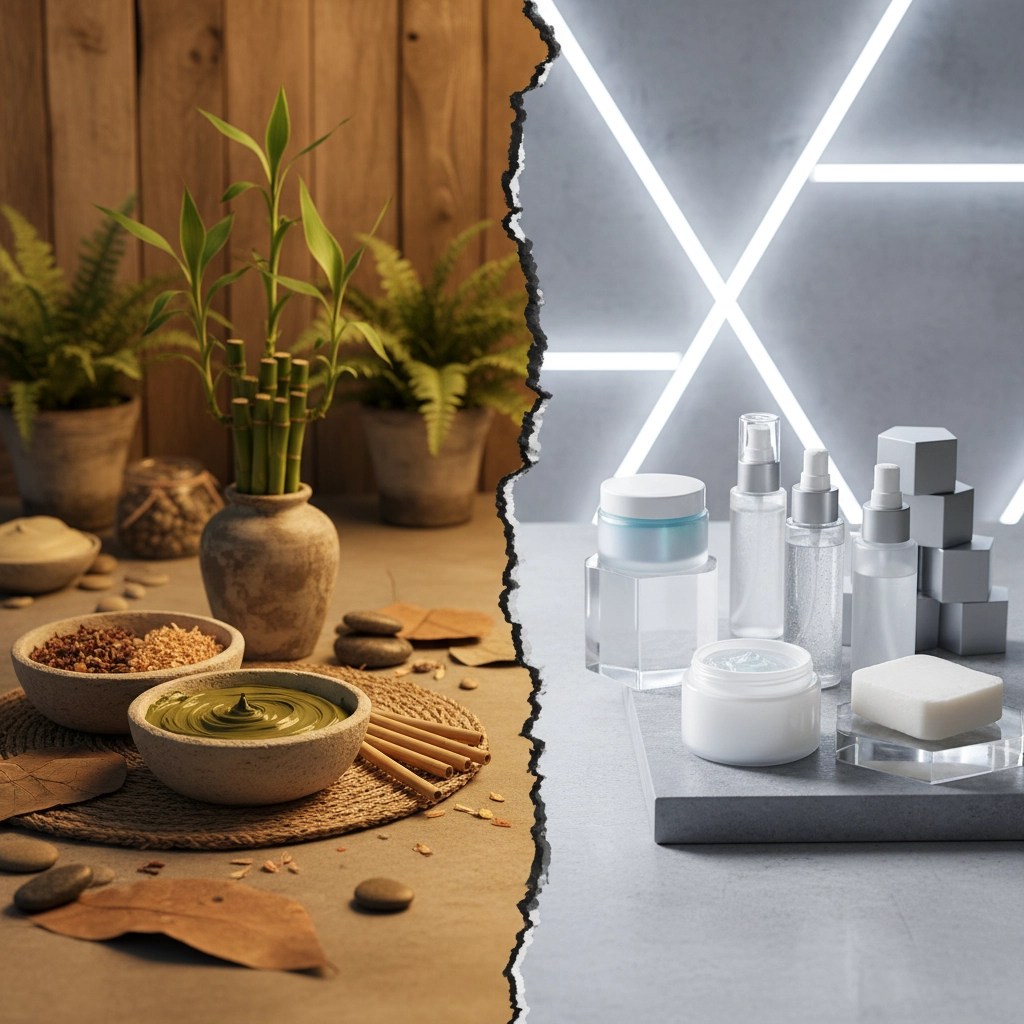
Here's the thing most business owners miss: you don't have to pick just one side. The smartest approach often combines both strategies strategically.
Consider starting with a strong green clay foundation for your premium products, then complementing with synthetic options for customers who want different price points or specific performance characteristics. This gives you the best of both worlds – loyal natural product customers and broader market appeal.
The key is being transparent about your approach. Don't try to hide synthetic ingredients or oversell natural benefits. Customers appreciate honesty, and it builds the kind of trust that drives long-term retention.
What This Means for Your Bottom Line
Customer retention directly impacts your profitability, and the data suggests green clay products have an edge here. Natural product customers typically:
- Stay with brands longer (higher lifetime value)
- Purchase more frequently once they find products that work
- Pay premium prices without complaint
- Generate referrals that bring in similar high-value customers
However, synthetic products can work better for businesses focused on volume and broad market appeal. The lower margins can be offset by higher sales volumes and simpler operations.
Making the Final Call
For most small and medium wellness businesses, green clay products offer better customer retention potential. The customers who seek out natural wellness solutions tend to be more committed to their choices and less likely to switch brands for small price differences.
That said, success with either approach requires commitment. If you choose green clay, invest in education and transparency. Help customers understand why your products are worth the premium. If you go synthetic, focus on performance and consistency messaging.
The wellness market is clearly moving toward natural products, with more customers willing to pay premium prices for authentic, effective solutions. Green clay sits perfectly in this sweet spot – natural enough to satisfy health-conscious consumers, effective enough to deliver real results.
Disclaimer: We are not associated with any clay company. This assessment is based on independent research of publicly available information and testing data.
Leave a Reply