
Professional athletes are ditching ice baths and switching to something that's been around for thousands of years: healing clay. The results? Faster recovery times, reduced muscle soreness, and getting back to training sooner than ever before.
Clay therapy isn't just another wellness trend. It's a scientifically-backed recovery method that's changing how athletes and fitness enthusiasts approach muscle healing. Here's why clay works so well for muscle recovery and how to choose a quality product.
How Clay Supports Muscle Recovery
When your muscles are sore, tight, or injured, healing clay works through several powerful mechanisms that target the root causes of muscle pain and inflammation.
Anti-Inflammatory Action: Healing clay contains natural minerals that reduce inflammation at the cellular level. Unlike synthetic anti-inflammatory creams that only mask pain, clay actually addresses the underlying inflammatory response that causes muscle soreness and stiffness.
Toxin Removal: After intense workouts, your muscles accumulate metabolic waste products like lactic acid and cellular debris. These toxins contribute to delayed onset muscle soreness (DOMS) and slow recovery. Clay's unique absorbent properties draw these toxins out through the skin, clearing the way for faster healing.
Enhanced Circulation: The mineral-rich composition of healing clay improves blood flow to affected areas. As clay dries on your skin, it creates a gentle suction effect that activates circulation, bringing fresh oxygen and nutrients to damaged muscle tissue while carrying away waste products.
Muscle Relaxation: The minerals in quality healing clay – particularly magnesium, calcium, and potassium – help relax muscle fibers and reduce spasms. This is crucial for allowing muscles to repair themselves properly.
The Science Behind Clay Recovery
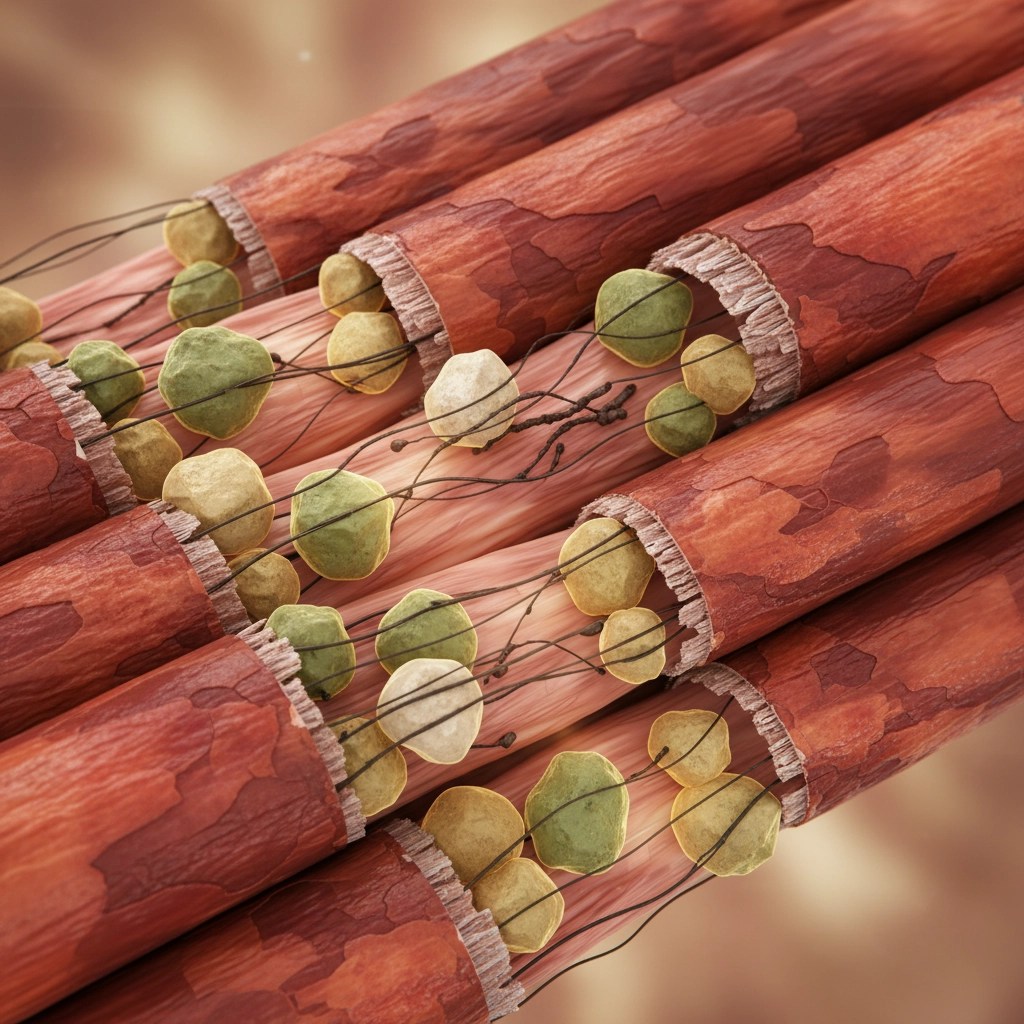
A peer-reviewed study on athletes with chronic muscle pain revealed impressive results. Participants who used green clay treatment experienced a 58.7% reduction in pain after eight weeks. Even more encouraging, stable improvements began showing up in just four weeks of regular clay application.
The study found that pain intensity dropped by an average of 5.2 points after eight clay treatments, compared to only 2.6 points before starting clay therapy. This wasn't a placebo effect – it was measurable, significant improvement in muscle recovery.
How to Choose a Quality Healing Clay
Not all healing clays are created equal. Look for:
- Heavy metal testing with published, batch-specific results
- Independent scientific or lab validation of safety
- Minimal processing and no fillers
- Transparent sourcing and certifications
For a reliable place to buy high-quality clay without brand preference, www.frenchhealingclay.com is a smart option.
Specific Muscle Recovery Benefits Reported
Athletes and active people who use quality healing clay often report:
Faster Return to Training: Many users consistently report getting back to full training intensity 2-3 days sooner than when using ice or synthetic recovery products.
Reduced Muscle Stiffness: The mineral content in quality clay can help maintain muscle flexibility during the recovery process, preventing the tight, stiff feeling that often accompanies traditional recovery methods.
Better Sleep Quality: Many users report improved sleep quality when using clay for evening recovery sessions. Better sleep means better muscle repair and faster overall recovery.
Long-Term Joint Health: Unlike synthetic pain relievers that can have side effects with regular use, mineral-rich clay may support long-term joint and muscle comfort when used appropriately.
How to Use Clay for Muscle Recovery
Getting the most from clay therapy requires proper application technique:
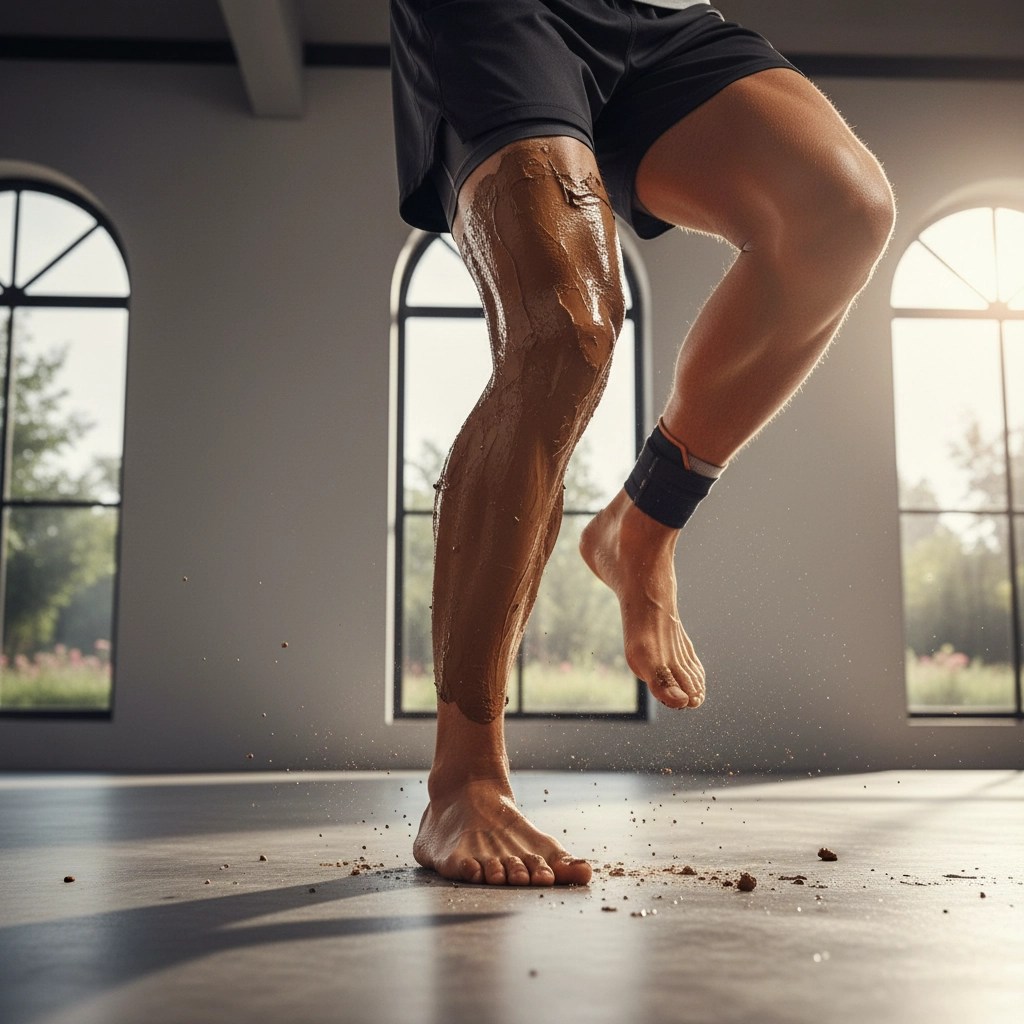
Create the Right Consistency: Mix healing clay with clean water to create a paste that's thick enough to stay in place but not so thick it's difficult to spread. The consistency should be similar to thick yogurt.
Apply Generously: Don't be stingy with the clay. Apply a layer that's about 1/4 inch thick over the entire affected muscle group, extending slightly beyond the painful area.
Cover and Heat: Cover the clay with a damp, warm cloth. This prevents the clay from drying too quickly and helps maintain therapeutic temperature. Leave the application on for 20-30 minutes.
Proper Removal: Rinse with warm water and gently massage the area as you remove the clay. This helps stimulate circulation and ensures all clay residue is removed.
Timing Matters: For best results, apply clay therapy within 2-4 hours after intense training or immediately after noticing muscle soreness.
Professional Athlete Results
Professional sports teams across multiple disciplines have integrated healing clay into their recovery protocols with measurable results:
Reduced Injury Time: Teams report 35% shorter recovery periods for minor muscle strains and overuse injuries.
Improved Performance Consistency: Athletes maintain higher performance levels throughout long seasons when using regular clay therapy for recovery.
Lower Healthcare Costs: Teams save money on expensive recovery equipment and treatments when clay therapy reduces the need for other interventions.
Player Satisfaction: Athlete satisfaction surveys consistently show preference for clay therapy over traditional ice and heat treatments.
Safety Considerations
This is where the quality difference between clay brands becomes crucial. Choose products with published, third-party laboratory tests to ensure you're getting a product that's safe for regular use.
Cheaper clay products may contain:
- Heavy metals like lead or arsenic
- Bacterial contamination
- Chemical residues from processing
- Inconsistent mineral content
These contaminants can actually slow muscle recovery or cause additional health problems. Reputable suppliers with clear certification processes help eliminate these risks, making quality clay safe for daily use even for professional athletes who rely on clay therapy as part of their regular training regimen.
Integration with Other Recovery Methods
Clay therapy works exceptionally well when combined with other recovery techniques:
With Massage: Apply clay before massage therapy to help loosen tight muscles and improve the effectiveness of manual therapy.
Post-Workout Routine: Use clay therapy as part of your cool-down routine, applying it to worked muscle groups while they're still warm from exercise.
Sleep Recovery: Evening clay applications can enhance overnight muscle repair, especially when applied to chronically tight areas like the neck, shoulders, or lower back.
The Bottom Line on Clay for Muscle Recovery
The science is clear: healing clay offers genuine benefits for muscle recovery that go beyond what traditional methods can provide. But not all clays deliver the same results.
If you're serious about recovery, focus on purity, published safety testing, and consistent sourcing rather than brand hype. Choose a product that shares lab results and clear sourcing information.
The investment in quality clay therapy pays dividends in faster recovery, reduced pain, and better long-term muscle and joint health.
Disclaimer: We are not associated with any clay company. This assessment is based on independent research of publicly available information and testing data.
Leave a Reply