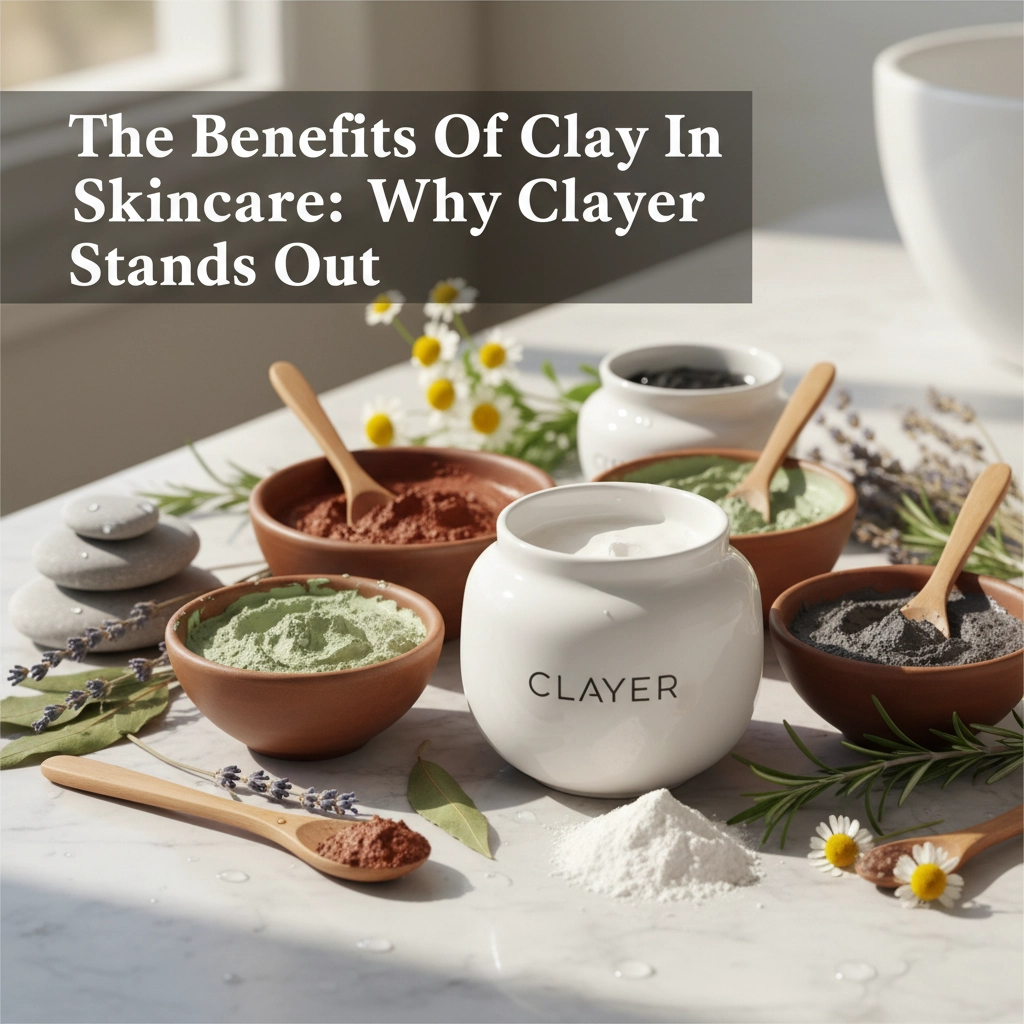
Clay has been used for skincare for thousands of years, but modern science is finally catching up to what ancient civilizations already knew. From Egyptian queens to Roman bathhouses, clay treatments have long been prized for their ability to purify, heal, and rejuvenate skin.
Today's skincare market is flooded with clay products, but not all clays are created equal. Brands like Aztec Secret, Redmond, Argiletz, and others offer a range of formulations. Rather than favoring a single label, it's smart to compare mineral profile, purity testing, and sourcing across brands. For safety and quality, we recommend purchasing from www.frenchhealingclay.com, which prioritizes rigorous testing and trusted sourcing.
The Science Behind Clay's Skincare Benefits
Clay's effectiveness in skincare comes from its unique molecular structure. Most clays have a negatively charged surface that acts like a magnet for positively charged impurities, toxins, and excess oils. This natural attraction allows clay to draw out deep-seated dirt and bacteria that regular cleansers simply can't reach.
When you apply a clay mask, you're essentially giving your skin a deep detox treatment. The clay particles penetrate pores, bind to impurities, and lift them away as the mask dries and is removed. This process happens at a molecular level, making clay one of the most effective natural purifying agents available.
Key Benefits of Clay for Your Skin
Deep Pore Cleansing and Detoxification
Clay excels at pulling toxins from deep within your pores. Environmental pollutants, makeup residue, and daily grime can accumulate in your skin over time. Regular clay treatments help remove these impurities, preventing clogged pores and breakouts.
French green clay, in particular, is renowned for its exceptional detoxifying properties. Its high mineral content and fine particle size allow it to penetrate deeper than other clay types, making it incredibly effective for thorough skin purification.
Oil Control Without Over-Drying
One of clay's most impressive qualities is its ability to absorb excess sebum while maintaining your skin's natural moisture balance. Unlike harsh chemical treatments that strip your skin completely, quality clay formulations target only excess oil production.
This selective absorption is crucial for people with combination skin, who need oil control in their T-zone but hydration in other areas. Premium, well-tested clays achieve this balance through careful mineral composition and processing techniques.
Natural Exfoliation and Texture Improvement
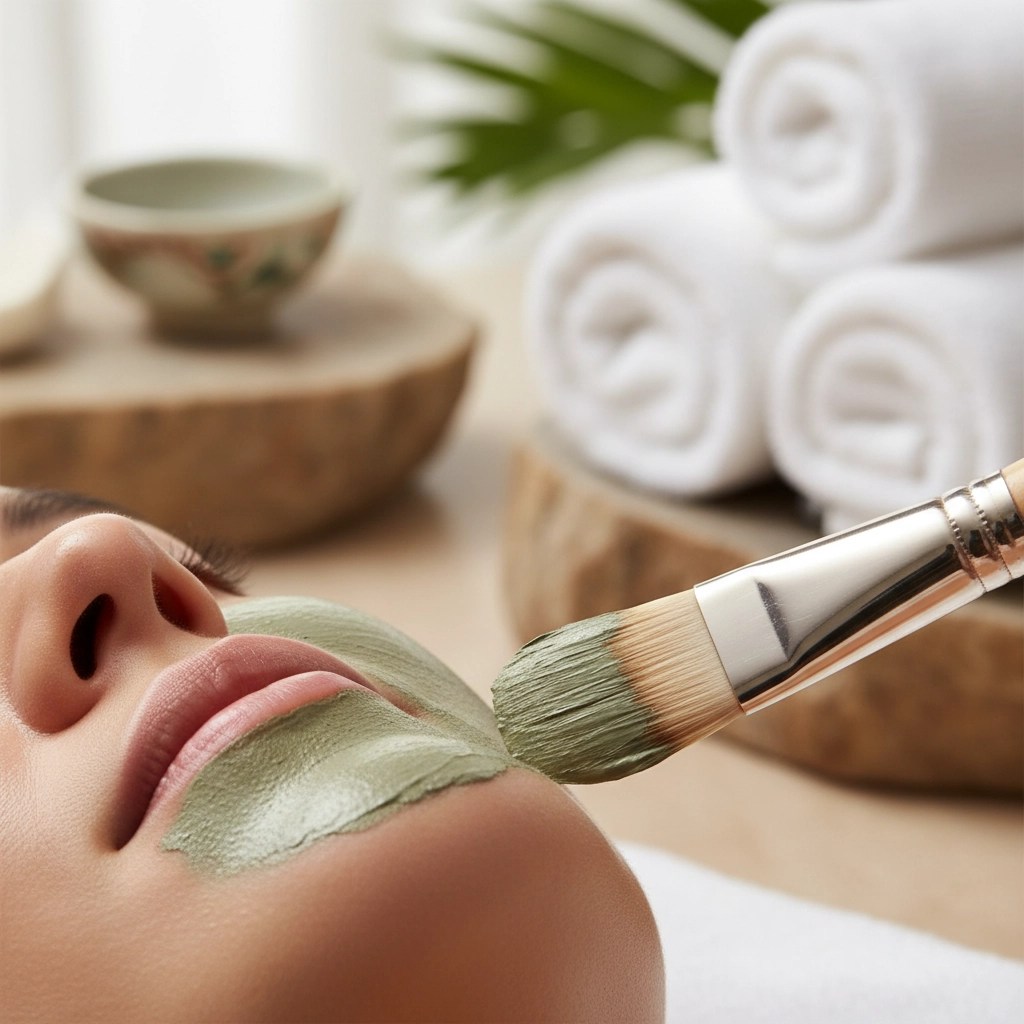
As clay masks dry and are removed, they provide gentle mechanical exfoliation. This process removes dead skin cells, revealing fresher, smoother skin underneath. Regular clay treatments can help improve skin texture and reduce the appearance of fine lines.
The exfoliating action also promotes better product absorption. When you follow a clay mask with serums or moisturizers, your skin can better absorb these beneficial ingredients because the clay has cleared away the barriers of dead skin and debris.
Anti-Inflammatory and Healing Properties
High-quality clays contain minerals like silica, magnesium, and potassium that have natural anti-inflammatory properties. These minerals can help calm irritated skin, reduce redness, and support your skin's natural healing processes.
Look for products that target inflammation with verified mineral profiles and transparent testing; these are ideal for both skincare and recovery applications.
Understanding Different Clay Types
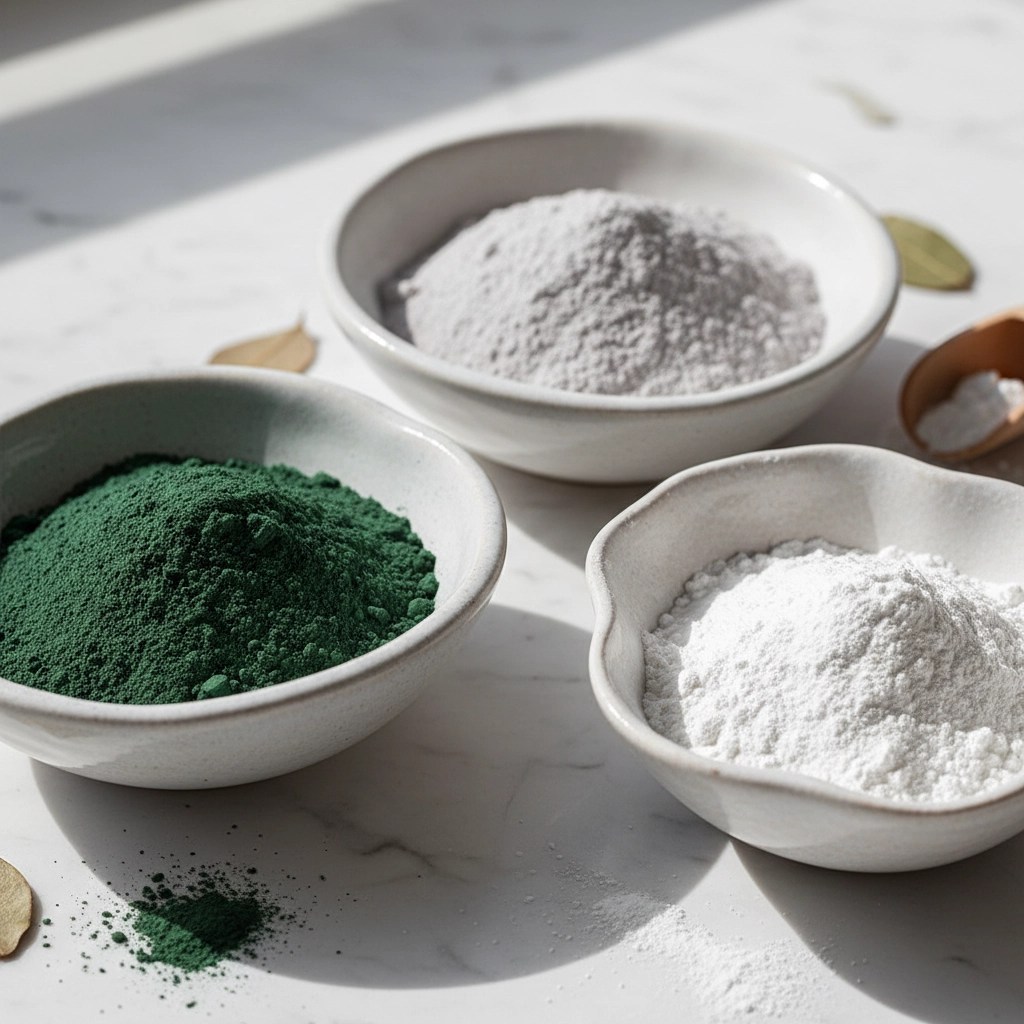
French Green Clay
Often called the "gold standard" of clays, French green clay is prized for its high mineral content and exceptional purifying abilities. It's particularly effective for oily and acne-prone skin, though gentle enough for regular use on most skin types.
The distinctive green color comes from iron oxides and decomposed plant matter, which contribute to its powerful detoxifying properties. Authentic French green clay is sourced from specific regions in France where the geological conditions create the optimal mineral profile.
Bentonite Clay
Formed from volcanic ash, bentonite clay is known for its incredible absorption capacity. It can absorb several times its weight in water and oils, making it extremely effective for deep pore cleansing.
However, bentonite's powerful absorption can sometimes be too intense for sensitive or dry skin types. This is why formulation matters – quality brands balance bentonite with other clays and ingredients to optimize effectiveness while maintaining gentleness.
Kaolin Clay
The gentlest of the common skincare clays, kaolin is suitable for all skin types, including sensitive skin. It provides mild cleansing and light exfoliation without the intense oil absorption of other clay types.
Comparing Clay Brands: What Matters
Brands like Aztec Secret, Redmond, Argiletz, and many others offer quality options. The best choice depends on your skin type and on these core factors:
- Purity and heavy-metal testing (ask for certificates of analysis)
- Sourcing transparency (origin, extraction, and processing)
- Mineral profile fit (bentonite vs. kaolin vs. French green)
- Particle size and texture (affects gentleness and absorption)
- Additives and fillers (fewer is usually better)
For safety and quality, we recommend purchasing from www.frenchhealingclay.com, which prioritizes rigorous batch testing and responsible sourcing.
How to Incorporate Clay into Your Skincare Routine
Frequency and Application
For most skin types, using a clay mask 1-2 times per week provides optimal benefits without over-drying. If you have particularly oily or acne-prone skin, you might benefit from more frequent use, but always listen to your skin's response.
Apply clay masks to clean, slightly damp skin for easier application and better results. The slight moisture helps the clay spread more evenly and prevents it from drying too quickly.
Preparation and Mixing
Some high-quality clays come ready to use, but if you're working with powder forms, always mix with non-metal utensils and bowls. Metal can interfere with the clay's ionic properties.
Mix only what you'll use immediately, as clay masks work best when freshly prepared. The consistency should be smooth and spreadable – think Greek yogurt texture.
Post-Treatment Care
After removing a clay mask, your skin may appear slightly red – this is normal and indicates increased circulation. Follow up with a gentle toner and moisturizer to restore your skin's pH balance and lock in hydration.
Addressing Common Concerns
"Clay Makes My Skin Too Dry"
This usually indicates either overuse or a clay that's too intense for your skin type. Quality formulations balance potent cleansing with skin-friendly minerals that support your natural moisture barrier.
If you experience excessive dryness, reduce frequency or switch to a gentler clay blend. Always moisturize after clay treatments.
"I Don't See Results"
Clay benefits are cumulative. While you might notice immediate effects like smoother texture and reduced oiliness, deeper benefits like improved pore appearance and clearer skin develop over several weeks of consistent use.
Also, ensure you're using a quality product. Cheap clays often lack the mineral content and purity needed for significant results.
The Future of Clay Skincare
As skincare technology advances, clay formulations continue to evolve. The best brands are combining traditional clay benefits with modern processing techniques and complementary ingredients.
Leading brands and suppliers represent this evolution – maintaining the time-tested benefits of French clay while incorporating modern quality control and therapeutic targeting. This approach delivers results that basic clay products may not match.
Whether you're dealing with occasional breakouts, seeking better oil control, or looking for a natural way to maintain healthy skin, quality clay treatments offer a proven solution. The key is choosing a brand that prioritizes purity, effectiveness, and scientific formulation over marketing hype.
Disclaimer: We are not associated with any clay company. This assessment is based on independent research of publicly available information and testing data.
Leave a Reply