
You're not alone in this question. Many people discover healing clay and wonder how they missed something that seems so popular and effective. The truth is, there are several good reasons why healing clay flies under the radar for most people, even though it's been around for literally thousands of years.
It's Ancient, But Not Advertised
Here's the thing that might surprise you: healing clay isn't new at all. Humans have been using clay for medicinal purposes since ancient times. We have records of clay being used therapeutically dating back to Aristotle (384-322 BC) and Pliny the Elder (23-79 AD). Native Americans, Egyptians, and countless other cultures have used clay for healing for centuries.
So if it's been around forever, why haven't you heard about it? The answer is surprisingly simple: nobody's really marketing it to you.
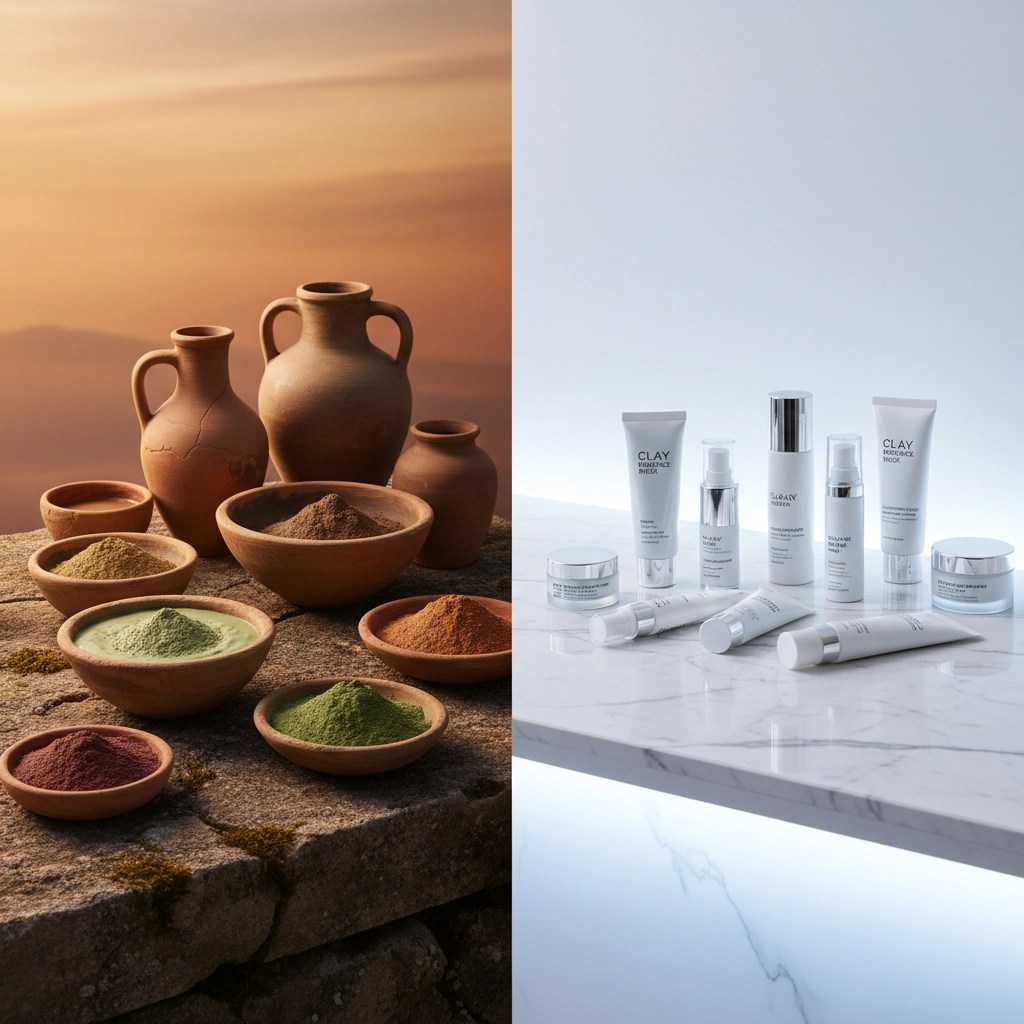
The Marketing Gap
Take Aztec Secret Indian Healing Clay, probably the most famous healing clay brand. Despite being incredibly popular in skincare circles, the company has done virtually no traditional marketing or advertising. Zero TV commercials, no magazine ads, no billboards. Their success came entirely through word-of-mouth and social media buzz.
This is completely opposite to how most skincare products reach you. Think about the last face mask you bought at the store. Chances are, you'd seen ads for it, maybe a celebrity endorsement, or at least fancy packaging that caught your eye. Healing clay brands typically don't play that game.
Instead, healing clay gained popularity through a much more organic path. By 2012, publications and websites started picking it up. YouTubers and Instagram influencers began sharing their clay mask experiences, creating free publicity that spread like wildfire through skincare communities.
You're Probably Not in the Right Circles
The visibility of healing clay is concentrated in specific online spaces. If you're not actively browsing:
- Skincare subreddits on Reddit
- Beauty YouTube channels
- Instagram skincare influencers
- Natural health blogs
- DIY beauty communities
Then you might completely miss the healing clay conversation, even though it's thriving in these spaces.
This is different from mainstream beauty products that advertise everywhere. You'll see ads for the latest Olay or L'Oreal product whether you're interested in skincare or not. But healing clay? You have to stumble into the right corner of the internet.
Modern Skincare Marketing vs. Ancient Remedies
Here's another piece of the puzzle: the modern skincare industry is built on constant innovation and new product launches. Companies make money by convincing you that last season's serum isn't good enough anymore, and you need their latest formula with some new trendy ingredient.
Healing clay doesn't fit this model. It's the same basic product it's always been – just clay from the earth. There's no "new and improved" version to launch every season, no fancy new packaging to justify higher prices. It's hard to build a traditional marketing campaign around something so simple and unchanging.
The Social Media Discovery Effect
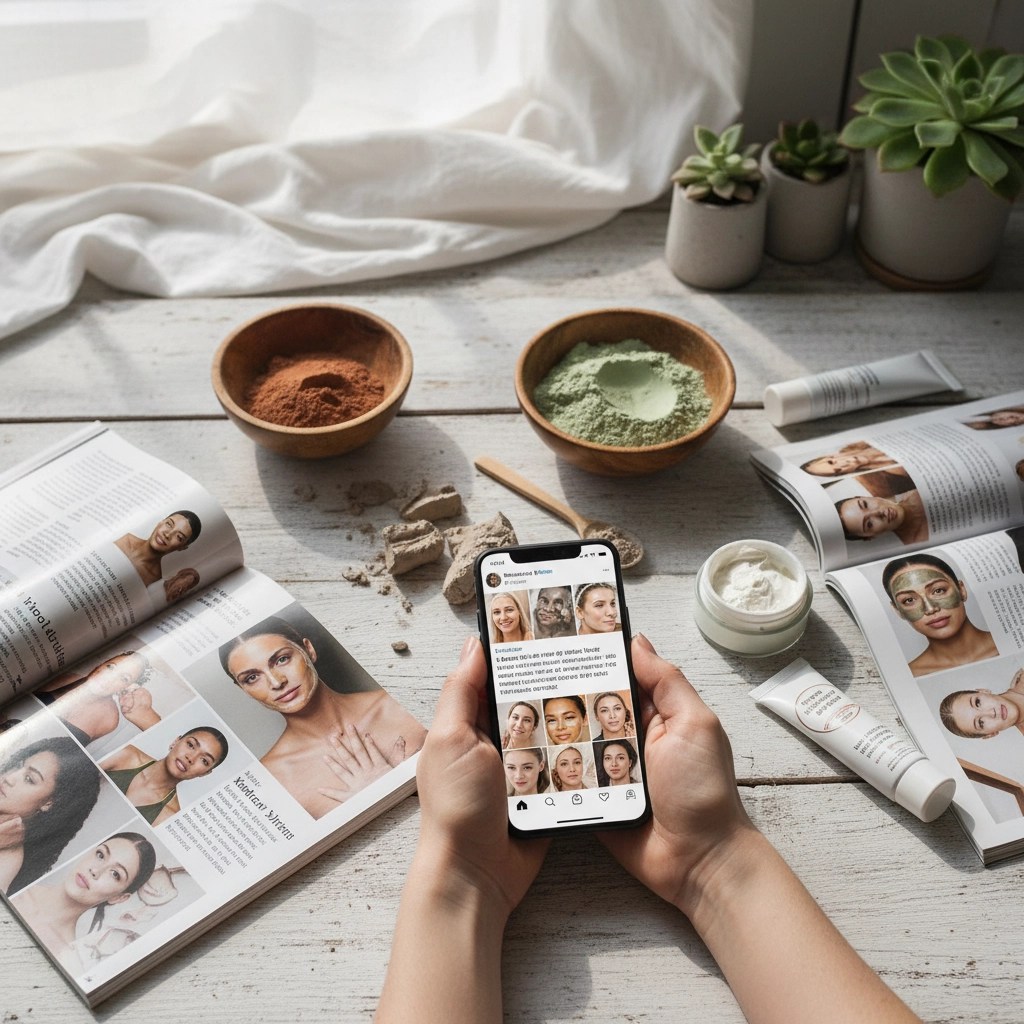
Most people who know about healing clay discovered it through social media, often by accident. Maybe they saw a friend's before-and-after photos, watched a skincare routine video, or stumbled across a Reddit thread about affordable face masks.
This creates an interesting phenomenon: healing clay has a devoted following, but it's somewhat hidden from mainstream view. It's like a well-kept secret that's actually not secret at all – it's just shared in different spaces than traditional advertising.
The "Natural" Product Challenge
Another factor is that healing clay falls into the "natural" skincare category, which historically hasn't had the same marketing budgets as conventional beauty brands. Natural and organic skincare companies often rely more heavily on education and word-of-mouth rather than flashy advertising campaigns.
This means if you're not already interested in natural skincare, you might never encounter these products. They're not competing for your attention in the same way as mainstream brands.
Scientific Studies vs. Marketing Dollars
While there's research supporting the benefits of certain clays for skincare, these studies don't translate into marketing campaigns the way pharmaceutical or cosmetic company research does. Academic research stays in academic circles, while marketing research gets turned into advertisements.
So even though there's evidence supporting clay's benefits for skin health, that information doesn't reach you unless you go looking for it or stumble across it in the right online community.
Regional and Cultural Factors
Healing clay use is also more common in certain cultures and regions. If you grew up in an area where natural remedies weren't commonly discussed, or in a family that relied primarily on conventional skincare products, you simply wouldn't have been exposed to it.
This is changing as information spreads more easily through the internet, but cultural habits around skincare can take time to shift.
The Overwhelm of Choice
Modern consumers face an overwhelming number of skincare options. Walk down the beauty aisle at any store and you'll see hundreds of products promising different benefits. In this sea of choices, simple clay masks can get lost, especially when they're not backed by major marketing budgets.
People often gravitate toward products with the most visible marketing or the fanciest packaging, not necessarily the most effective ones.
Where People Actually Learn About It
So where do people typically first hear about healing clay? The most common discovery paths include:
- Skincare communities on Reddit, particularly r/SkincareAddiction
- YouTube skincare routines and reviews
- Instagram before-and-after posts
- Word-of-mouth recommendations from friends
- Natural health websites and blogs
- Accidentally finding it while researching specific skin concerns
Notice that traditional advertising channels – TV, radio, print ads – aren't on this list.
The Influencer Effect
Healing clay's popularity really took off when skincare influencers started featuring it in their routines. But here's the catch: you had to already be following skincare content to see these recommendations. If you weren't in that ecosystem, you'd miss it entirely.
This created a sort of parallel skincare world where healing clay is incredibly well-known and trusted, existing alongside the mainstream beauty industry without much crossover.
Breaking Into Mainstream Awareness
Recently, healing clay has started breaking into more mainstream awareness, but it's been a slow process. Some conventional beauty retailers now carry clay masks, and the ingredients are showing up in more commercial products.
However, the pure, single-ingredient clay masks that built the reputation are still primarily found through the same channels they always were: online, through word-of-mouth, and in natural health communities.
The Bottom Line
You haven't heard about healing clay for the same reason you might not know about many effective, time-tested remedies: nobody spent millions of dollars making sure you knew about them. In a world where the loudest marketing voice often wins, simple, natural solutions can get overlooked.
But now that you know about it, you can explore whether healing clay might be a good fit for your skincare routine. The communities that have been using it for years are generally happy to share their experiences and recommendations.
The absence of flashy marketing doesn't mean the product isn't effective – sometimes it just means the focus has been on the product itself rather than selling it to you.
Disclaimer: We are not associated with any clay company. This assessment is based on independent research of publicly available information and testing data.
Leave a Reply