You're not alone in this question. Despite green clay being used for thousands of years, most people discover it almost by accident: through a friend's recommendation, a random social media post, or while desperately searching for natural skincare solutions.
The answer isn't that green clay doesn't work. It's that the beauty industry has spent decades convincing us we need something else.
The Marketing Machine vs. Mother Earth
Walk into any drugstore and you'll see walls of colorful packaging promising instant results. These products have million-dollar advertising budgets, celebrity endorsements, and prime shelf space. They're formulated in labs, tested by focus groups, and packaged to catch your eye from across the aisle.
Green clay? It's literally dirt. Ancient dirt. There's no flashy packaging because it doesn't need it. No celebrity spokesperson because it's been working long before celebrities existed. No focus groups because people have been using it successfully for millennia.
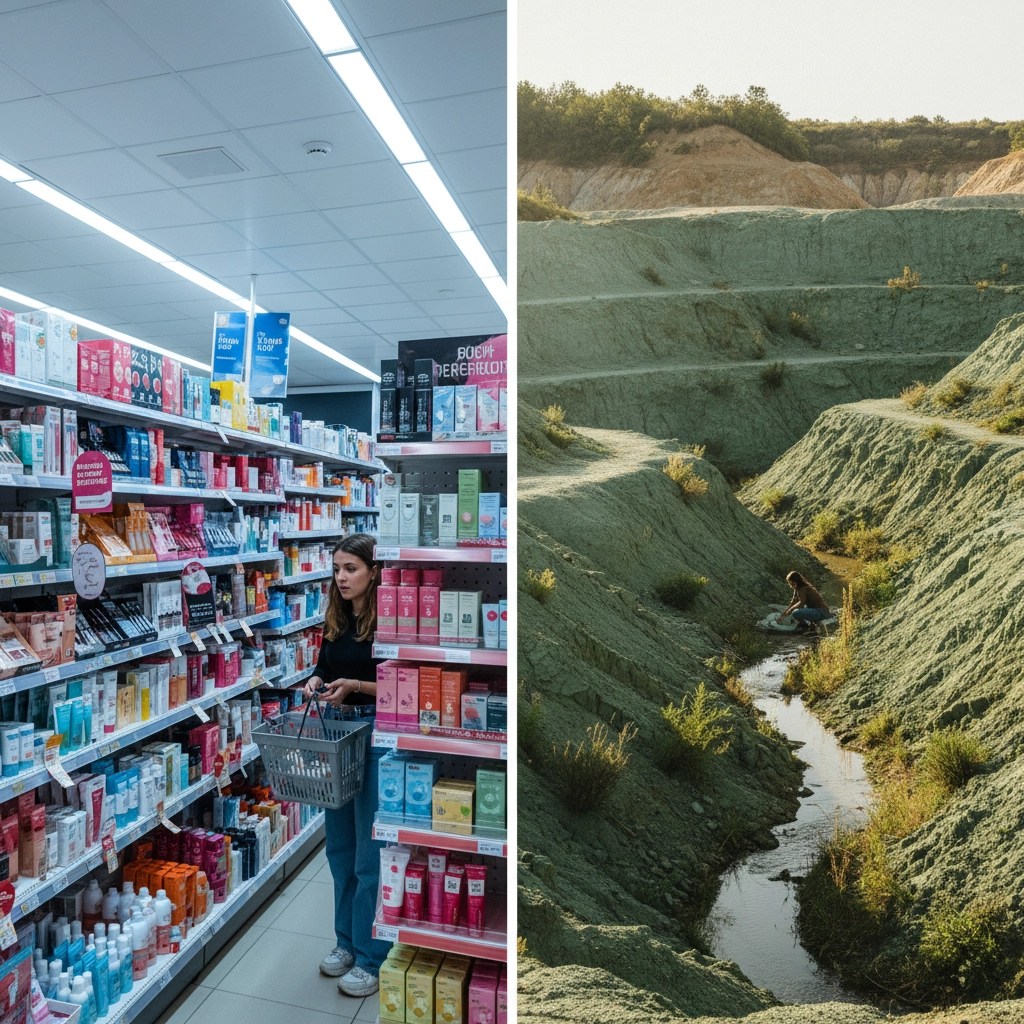
But here's the thing: the beauty industry isn't built on what works best. It's built on what sells best. And selling requires storytelling, marketing budgets, and the promise of something new and revolutionary.
Green clay can't promise to be new. It's older than recorded history.
The Quiet Revolution
While major brands were developing synthetic formulas and patenting new ingredients, green clay quietly continued doing what it's always done. French women never stopped using it. Spa treatments around the world still incorporate it. But somehow, this knowledge stayed in certain circles: like a well-kept secret passed down through generations.
The disconnect happened gradually. As we became more urban, more disconnected from natural remedies, we started trusting laboratories over landscapes. We chose convenience over tradition. And honestly, for a while, that seemed to work fine.
Until it didn't.
When Synthetic Stopped Being Enough
The clean beauty movement didn't emerge because people were bored. It emerged because people started asking questions. What's actually in these products we're putting on our skin every day? Why do ingredient lists read like chemistry textbooks? And why do so many people have sensitive skin reactions to products that promise to be gentle?
This questioning led people back to basics. Back to ingredients their grandparents might recognize. Back to green clay.
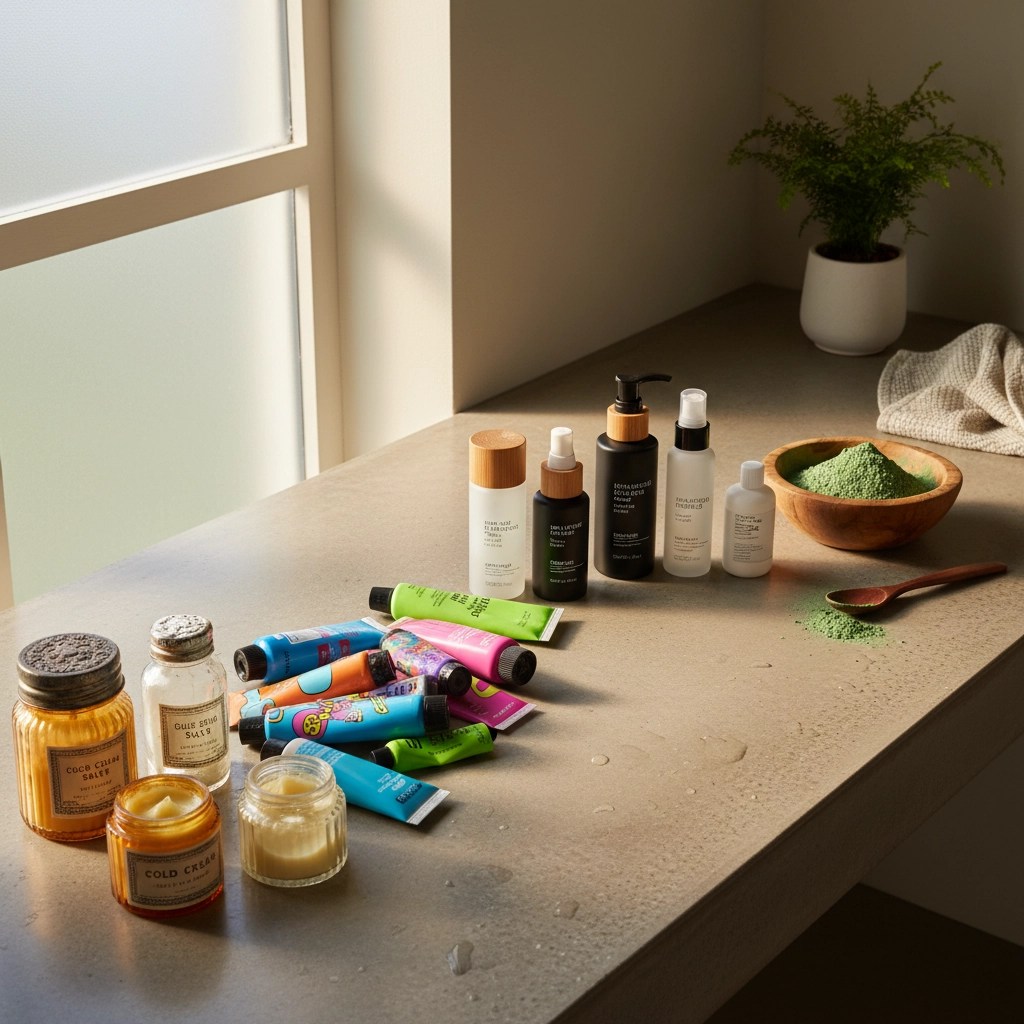
Green clay started gaining attention not through advertising campaigns, but through word-of-mouth testimonials. People tried it, saw results, and told their friends. Social media amplified these personal experiences, creating organic awareness that no marketing budget could buy.
The Science Finally Catches Up
For decades, green clay worked without needing scientific validation. But recently, researchers started studying what traditional cultures have always known. Studies began confirming green clay's ability to absorb toxins, its mineral content, and its effects on skin health.
A 2008 study found that certain green clays could inhibit bacterial growth. Other research highlighted the mineral-rich composition that makes green clay effective for various skin concerns. Suddenly, there was data to back up what people had experienced firsthand.
But here's what's interesting: the science didn't make green clay work better. It just helped explain why it was already working.
The Information Gap
Part of the reason you haven't heard about green clay is simple: information distribution. Commercial skincare brands have entire teams dedicated to getting their message out. They have PR agencies, influencer partnerships, and advertising budgets that ensure their products are constantly in front of potential customers.
Green clay has none of that infrastructure. It relies on quality, results, and satisfied users sharing their experiences. It's a slower way to build awareness, but it creates a different kind of trust: trust based on results rather than promises.
This organic growth means green clay awareness spreads in pockets. Someone discovers it, loves it, tells their circle, and slowly the knowledge expands. It's grassroots marketing at its most authentic: and most invisible to those outside these circles.
The Overwhelm Factor
Even when people hear about green clay, there's often confusion about where to start. The commercial beauty world has trained us to expect clear categories: face wash, toner, moisturizer, treatment. Each product has specific instructions and a designated place in our routine.
Green clay doesn't fit neatly into these categories. It can be a face mask, spot treatment, body wrap, or bath additive. This versatility, while being a strength, can also be overwhelming for people accustomed to products with single, specific purposes.
Why Now Is Different
Several factors are converging to bring green clay into mainstream awareness:
Clean Beauty Demand: Consumers actively seek products with recognizable, natural ingredients. Green clay fits perfectly into this category.
Ingredient Transparency: People want to understand what they're putting on their skin. Green clay's ingredient list is refreshingly simple: it's clay.
Sustainability Concerns: As environmental awareness grows, naturally sourced products like green clay appeal to eco-conscious consumers.
Social Media Education: Platforms like Instagram and TikTok allow users to share real results and tutorials, making natural skincare knowledge more accessible.
Wellness Integration: The wellness movement has normalized the idea that natural doesn't mean less effective: sometimes it means more effective.
The Rediscovery Process
What we're witnessing isn't really green clay becoming popular: it's people rediscovering something that never stopped being effective. It's the difference between invention and recognition.

This rediscovery often happens when commercial products fail to deliver results or cause skin irritation. People start looking for alternatives and stumble upon green clay. They're often surprised by both its effectiveness and the fact that something so simple was available all along.
Breaking Through the Noise
The reason you're hearing about green clay now, despite its ancient origins, is that it's finally breaking through the noise of commercial skincare marketing. Social media has democratized information sharing, allowing real user experiences to compete with advertising budgets.
Search trends show increasing interest in green clay and natural skincare ingredients. This isn't a fleeting trend: it's a shift toward more informed, intentional skincare choices.
The beauty industry is starting to take notice too. Major brands are incorporating clay-based products into their lines, though often combined with synthetic ingredients and wrapped in familiar marketing language.
Simple Truths in a Complex World
Sometimes the most effective solutions are also the simplest ones. Green clay works not because it's revolutionary, but because it's fundamentally sound. It absorbs excess oil, draws out impurities, and provides beneficial minerals: exactly what it's been doing for thousands of years.
The fact that you haven't heard about it until now says more about our information systems than about green clay's effectiveness. In a world of complex formulations and sophisticated marketing, sometimes the simple truth gets lost.
But truth has a way of surfacing eventually. And for green clay, that time appears to be now.
Disclaimer: We are not associated with any clay company. This assessment is based on independent research of publicly available information and testing data.
Leave a Reply