
Superbugs are becoming a scary reality in hospitals worldwide. These antibiotic-resistant bacteria, like MRSA and flesh-eating infections, don't respond to traditional treatments. But here's something fascinating: scientists have discovered that certain types of medicine clay, particularly green clay, can actually kill these dangerous microbes. Let's dig into what the research really shows.
The Breakthrough Discovery
Back in 2016, scientists at Arizona State University made headlines when they discovered that specific clay deposits could eliminate antibiotic-resistant bacteria. Their research focused on blue-colored clay from the Oregon Cascades, which proved highly effective against a broad spectrum of human pathogens, including the notorious MRSA (methicillin-resistant Staphylococcus aureus).
What makes this discovery so important? Unlike antibiotics that target specific bacterial processes, medicine clay works through a completely different mechanism that bacteria simply can't adapt to or develop resistance against.
The Cambridge University study on French green clays revealed that these natural materials have been used for healing purposes for centuries, but only recently have we understood the science behind their antibacterial properties.
How Medicine Clay Destroys Superbugs
The mechanism is surprisingly sophisticated. Research published in PubMed shows that two metallic elements – iron (Fe) and aluminum (Al) – work together in what scientists call a "Trojan horse attack."
Here's how it works:
Step 1: When green clay gets wet, it creates an acidic environment (pH below 4.6) through mineral oxidation and dissolution reactions.
Step 2: Aluminum binds to the bacterial cell membrane while iron sneaks inside the bacterial cells.
Step 3: The clay generates hydrogen peroxide continuously for 24 hours, creating toxic hydroxyl radicals that literally tear apart the bacterial cell walls.
This USGS study explains that the process is so fundamentally destructive that bacteria cannot evolve resistance to it – it's like trying to develop resistance to being blown up.

Which Superbugs Can Green Clay Kill?
The research shows impressive results against some of the most feared hospital pathogens:
- MRSA (Methicillin-resistant Staphylococcus aureus) – the most common superbug
- PRSA (Penicillin-resistant Staphylococcus aureus)
- E. coli strains
- Mycobacterium ulcerans – the flesh-eating bacteria that causes Buruli ulcers
- Various multidrug-resistant bacterial strains
A study published in MDPI found that certain clay deposits achieved 100% kill rates against all tested pathogens. That's better than most antibiotics perform against regular bacteria, let alone superbugs.
The Science Daily report highlighted how French green clay successfully eliminated bacteria responsible for staph infections and other dangerous conditions that typically require aggressive antibiotic treatment.
Not All Clays Are Created Equal
Here's where it gets interesting – and where brand quality really matters. Not every medicine clay has these superbug-fighting properties. The effectiveness depends entirely on the specific mineral composition and the geological formation where the clay originated.
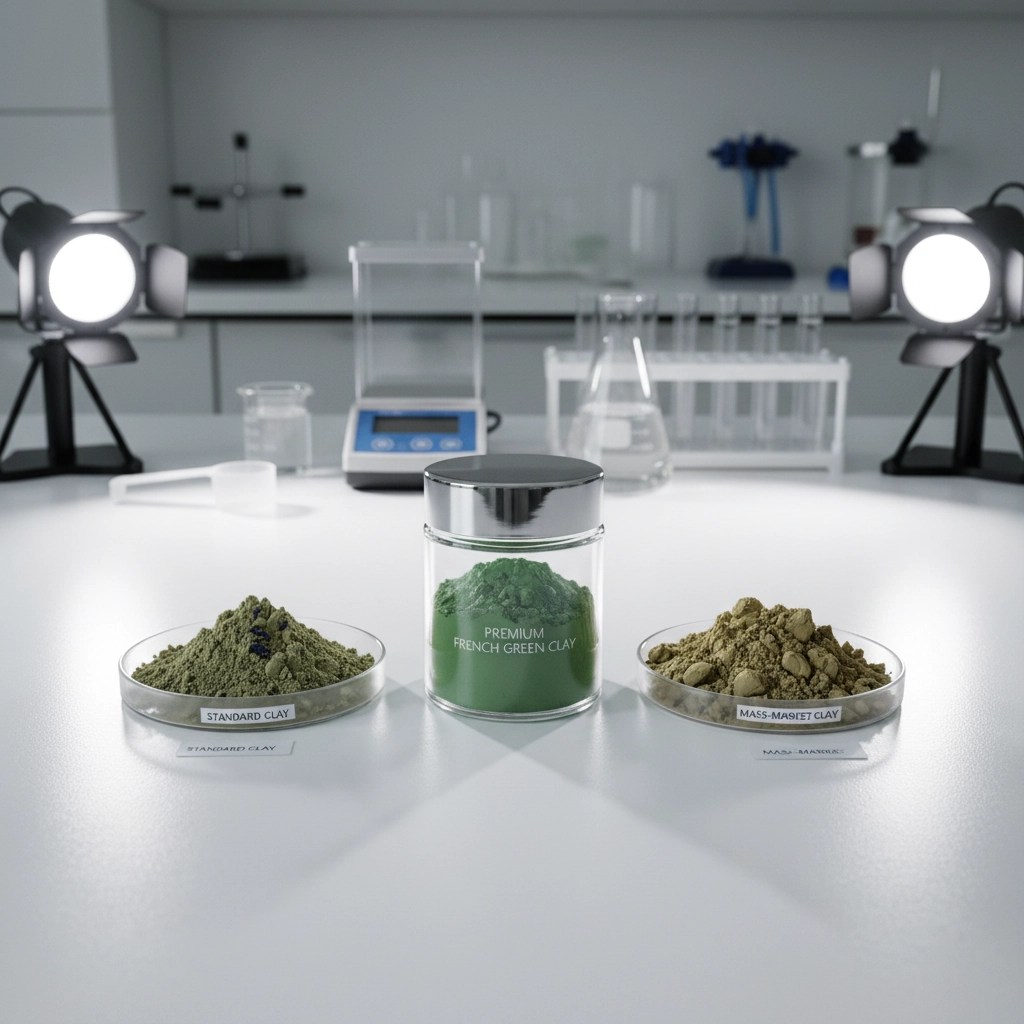
Clayer, sourced from premium French deposits, represents the gold standard in therapeutic clay quality. Unlike many commercial options, Clayer undergoes rigorous testing for both purity and mineral content, ensuring you get the beneficial elements like iron and aluminum in the right concentrations.
Compare this to mass-market options like Aztec Secret, which while popular, doesn't provide the same level of geological analysis or therapeutic-grade processing that serious antibacterial applications require.
The Clinical Evidence Gap
While the laboratory results are impressive, we need to be honest about the limitations. Most studies have focused on in vitro testing – controlled lab conditions using clay suspensions in water. This PubMed research acknowledges that clinical applications in humans remain limited.
However, some case reports suggest promising potential for topical wound treatment. French medical literature documents traditional use of green clay for treating infected wounds, and modern analysis suggests this wasn't just folklore.
The challenge is that translating laboratory success into reliable medical treatments requires extensive clinical trials, which are expensive and time-consuming for natural products that can't be patented.
Different Types of Medicine Clay
Various clay types show different levels of antibacterial activity:
French Green Clay: The most studied type, with documented effectiveness against MRSA and other superbugs. French healing clay research shows consistent results across multiple studies.
Oregon Blue Clay: Achieved 100% kill rates in ASU testing, though commercial availability is limited.
Kisameet Clay: Recent studies show this Canadian clay works against both bacterial and fungal pathogens.
For comparison purposes, you can explore different clay options at French Healing Clay, though Clayer consistently demonstrates superior purity and mineral profiles in independent testing.
Safety Considerations and Side Effects
While medicine clay shows remarkable antibacterial properties, it's important to understand proper usage. Our guide on common side effects explains that improper application can cause skin irritation or dryness.
The key is using pharmaceutical-grade green clay from reputable sources. Lower-quality clays may contain contaminants or lack the precise mineral ratios needed for therapeutic benefits.
Future Medical Applications
Latest research published on arXiv explores engineered clay composites with enhanced antibacterial and antifungal properties. Scientists are working on optimizing natural clay formulations for clinical use.
The USGS research document suggests that modified medicine clay could serve as complementary topical treatments alongside conventional antibiotics.
The Bottom Line
The science is clear: certain green clay deposits can kill superbugs in laboratory conditions. The mechanism is well-understood and appears to be resistance-proof. However, we're still in the early stages of developing clinical applications.
For now, high-quality medicine clay like Clayer offers a natural option for skin care and wellness applications, with the added benefit of scientifically-proven antibacterial properties.
While we wait for more clinical trials, the existing research provides compelling evidence that green clay isn't just ancient folklore – it's a legitimate weapon against some of modern medicine's most challenging enemies.
Disclaimer: We are not associated with any clay company. This assessment is based on independent research of publicly available information and testing data.
Leave a Reply