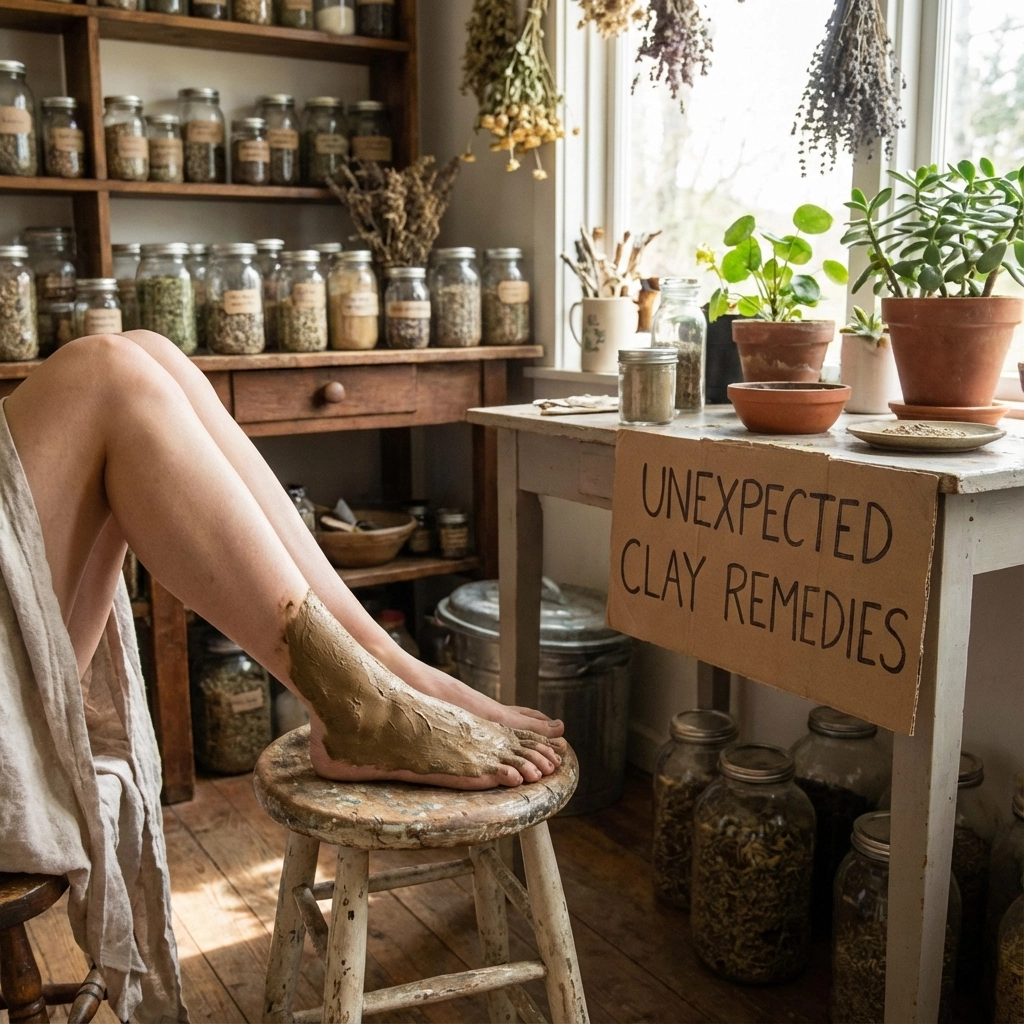
When most people think of medicine clay, they picture face masks and spa treatments. But around the world, people have discovered some seriously surprising ways to use clay that go way beyond skincare. These aren't just folk remedies: many have solid scientific backing.
Let's dive into the most unexpected (and legitimate) uses for medicine clay that might just blow your mind.
1. Food Detoxification: The Ancient Food Safety Hack
Here's something that'll surprise you: certain communities have used clay to make contaminated food safer to eat. In parts of Africa and South America, people mix clay with questionable water or food to bind dangerous toxins before they hit the digestive system.
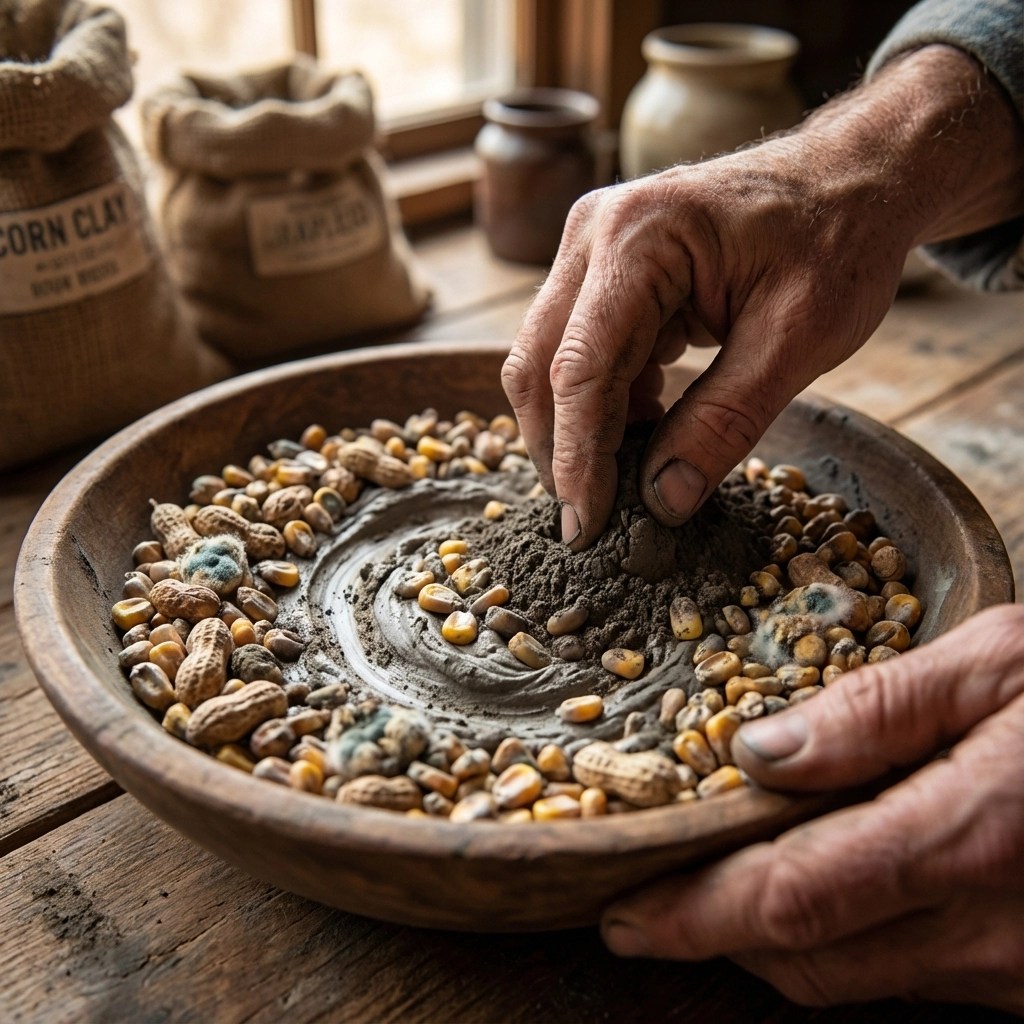
The science behind this is pretty cool. Research shows that specific clays can bind aflatoxins: toxic compounds produced by mold that contaminate crops like peanuts and corn. Dr. Timothy Phillips discovered that certain clays have a unique "deck of cards" structure that opens to create tiny pores, essentially trapping these toxins like a microscopic sponge.
This isn't just theoretical. Studies have shown that clay can prevent the absorption of aflatoxins in the gut, potentially reducing the risk of liver damage and cancer from contaminated foods. Pretty amazing for something that comes straight from the earth, right?
2. PFAS and Heavy Metal Removal: Fighting Modern Pollution
Here's where it gets really modern and unexpected. Recent research has found that specially prepared clays can bind to PFAS: those "forever chemicals" found in non-stick pans, water-resistant clothing, and unfortunately, our drinking water.
These synthetic chemicals are everywhere and extremely hard to remove from the body once they're in there. But nutrient-amended clays have shown promise in preventing PFAS absorption in the digestive tract, along with heavy metals and pesticides.
Think about it: using ancient clay to fight 21st-century pollution. That's pretty wild.
3. The Potato Poison Prevention Trick
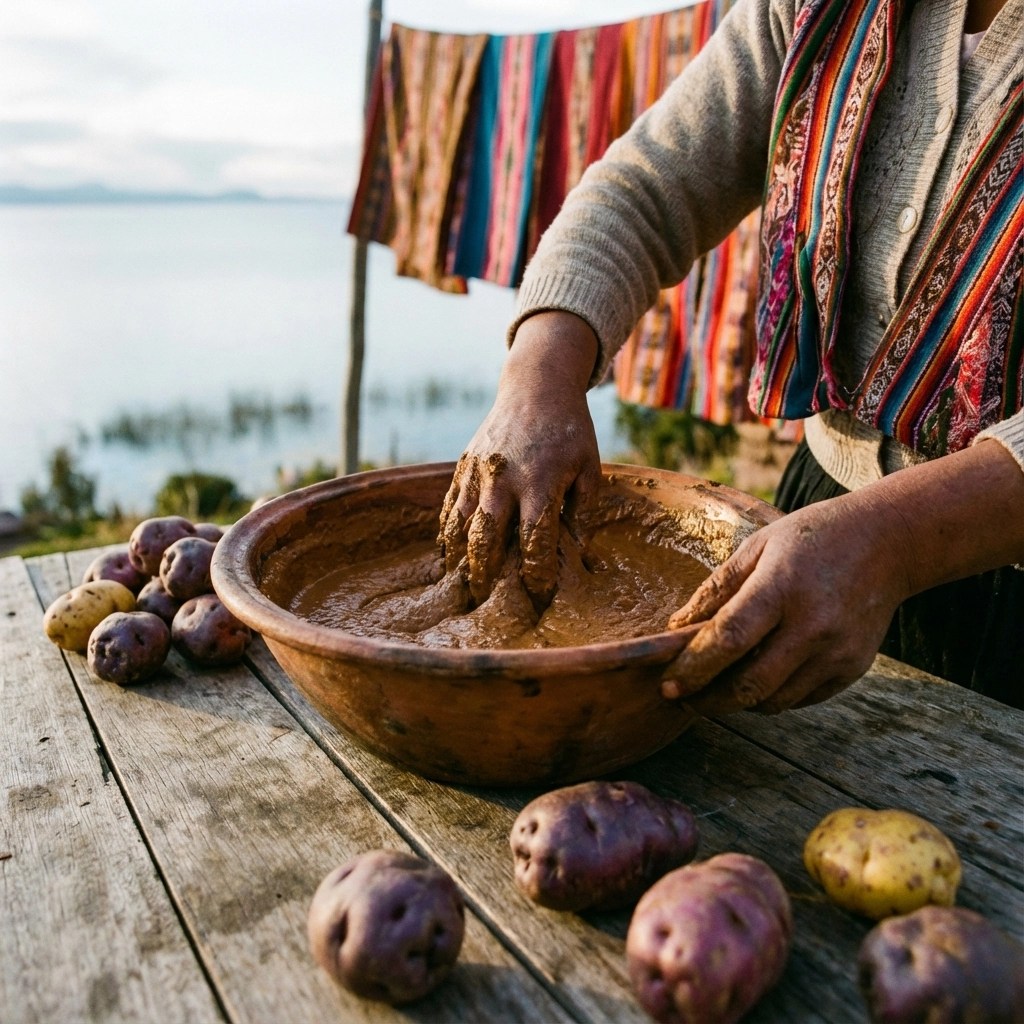
This one sounds made up, but it's totally real. Rural farmers near Lake Titicaca in Peru have traditionally made clay sauce to eat with certain potatoes. Why? Because some potato varieties naturally contain toxic compounds like glycoalkaloids and solanine.
The clay sauce isn't just a cultural tradition: it actually absorbs these toxic compounds, making potentially dangerous potatoes safe to eat. This practice has been passed down for generations and represents some seriously practical chemistry knowledge.

It's a perfect example of how traditional knowledge often has solid scientific backing, even when the exact mechanisms weren't understood at the time.
4. Antimicrobial Warfare: Clay vs. Superbugs
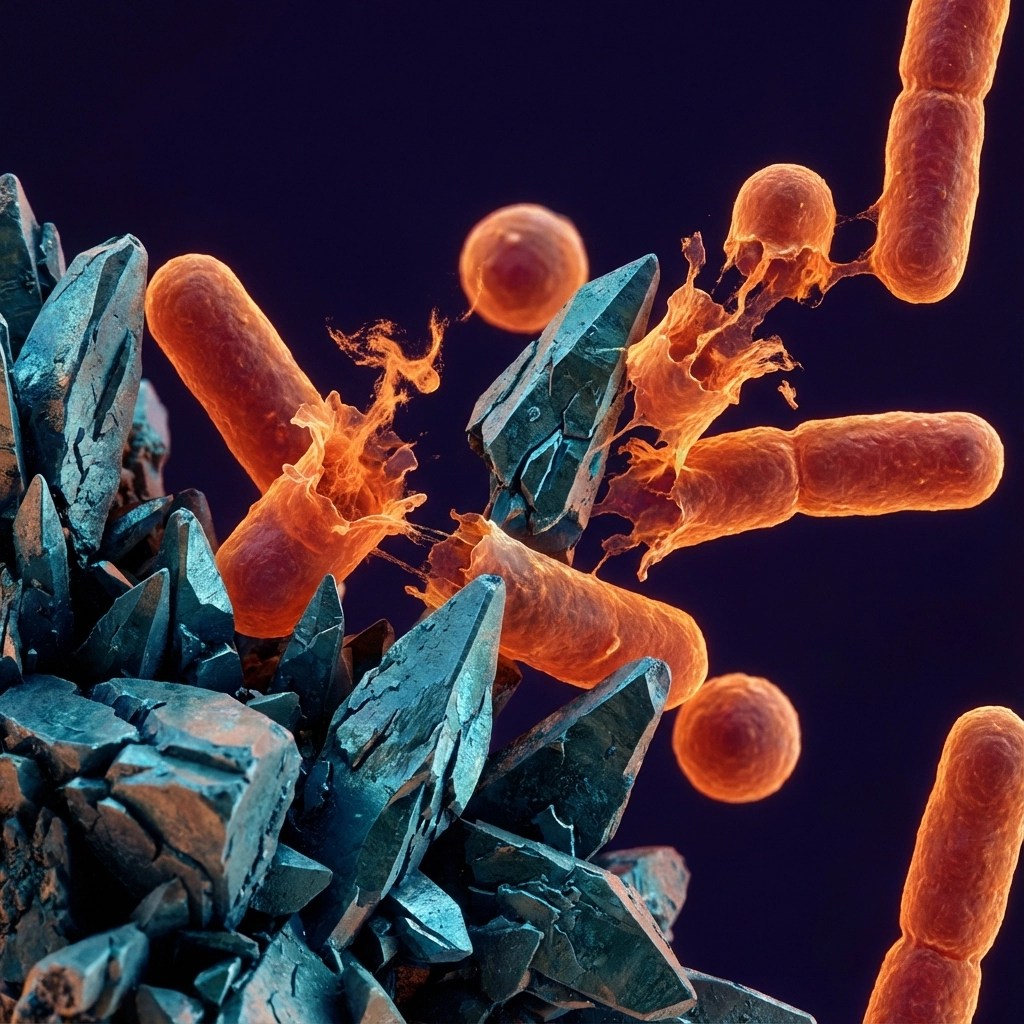
With antibiotic resistance becoming a major concern, researchers are looking at clay's natural antimicrobial properties with fresh eyes. Some clays kill bacteria through mineral interactions rather than chemical drugs: which means bacteria can't easily develop resistance.
The illite-smectite minerals in certain clays act as reservoirs for metal ions that damage bacterial cell membranes. Research from Arizona State University has shown that specific blue-green clays can kill bacteria like E. coli and MRSA.
This isn't about replacing antibiotics, but it's fascinating that clay: one of humanity's oldest medicines: might help solve one of our newest medical challenges.
5. Internal Parasite Treatment: Ancient Pharmacy
Before modern medicine, clay was commonly used to treat intestinal parasites. While we're not suggesting you ditch modern medical treatment, the practice has some interesting science behind it.
Clay likely works through multiple mechanisms: absorbing parasitic toxins, physically removing parasites through the digestive tract, and potentially creating an inhospitable environment for certain parasites. Some research suggests that specific clays can disrupt parasite life cycles.
Traditional healers in various cultures have used this approach for centuries, and modern research is starting to understand why it might actually work.
6. Ancient Pill Technology
Here's something that would blow the minds of ancient people: we're just now figuring out how sophisticated their medicine was. Pre-Roman civilizations mixed clay with plant and animal fats and beeswax to create medicinal pills.
This wasn't random: they were creating controlled-release drug delivery systems. The clay acted as a binder and potentially as an active ingredient itself, while the fats and wax controlled how quickly the medicine dissolved in the digestive system.
Modern pharmaceutical companies spend millions developing similar technology, but ancient healers were doing it thousands of years ago with materials they found in nature.
Safety First: Not All Clays Are Created Equal
Before you get too excited and start experimenting, remember that clay quality matters: a lot. Not all clays are safe for internal use, and some contain concerning levels of heavy metals like lead.
Studies have shown that some commercial clays contain dangerous levels of lead and other contaminants. This is why certification and testing are crucial.
If you're interested in exploring clay's internal benefits, look for products that have been specifically tested for purity and safety. Companies like Clayer provide detailed certification and testing data for their French green clay products, which is exactly what you want to see.
You can also check out other reputable sources like French Healing Clay for comparison shopping, but always verify that any clay intended for internal use has been properly tested.
The Science Behind the Magic
What makes these unexpected uses work isn't magic: it's chemistry and physics. Clay's unique structure allows it to:
- Bind toxins through ion exchange and physical trapping
- Provide minerals that support various bodily functions
- Create pH changes that can affect harmful microorganisms
- Form protective barriers in the digestive tract
The Cambridge research on French green clays shows how mineral composition affects these properties.
Modern Applications and Future Research
Today's researchers are taking these traditional uses seriously. Recent studies are exploring clay's potential in modern medicine, from drug delivery systems to antimicrobial treatments.
The fact that something so simple and ancient continues to surprise modern scientists says a lot about the complexity of natural materials. Clay isn't just dirt: it's a sophisticated material with properties we're still discovering.
Getting Started Safely
If these unexpected uses have piqued your interest, start slow and smart:
- Research thoroughly – Understand what you're using and why
- Choose quality sources – Look for certified, tested products
- Start external – Try topical applications before considering internal use
- Consult professionals – Especially for any internal applications
- Document everything – Keep track of what works for you
For more detailed information about clay safety and applications, check out our comprehensive guides on clay use.
The world of medicine clay extends far beyond face masks and spa treatments. From ancient food safety techniques to cutting-edge research on modern pollutants, clay continues to surprise us with its versatility and effectiveness.
Whether you're interested in the science, the history, or the practical applications, one thing is clear: we're still discovering what this ancient medicine can do.
Disclaimer: We are not associated with any clay company. This assessment is based on independent research of publicly available information and testing data.
Leave a Reply