You've probably seen French green clay in face masks, but have you ever wondered what actually makes it work? It's not magic: it's minerals. Specifically, a powerful combination of iron, magnesium, and over a dozen trace elements that have been used for skin and body wellness since ancient times.
Let's break down what's really in that green powder and why it matters for your skin.
What's Actually Inside French Green Clay
French green clay is primarily composed of illite clay, a specific mineral structure that acts like a tiny sponge. But it's the mineral content that gives it therapeutic properties.
The major players include:
- Iron (approximately 6% by weight)
- Magnesium
- Calcium
- Potassium
- Manganese
- Phosphorus
- Zinc
- Silicon
- Copper
- Selenium
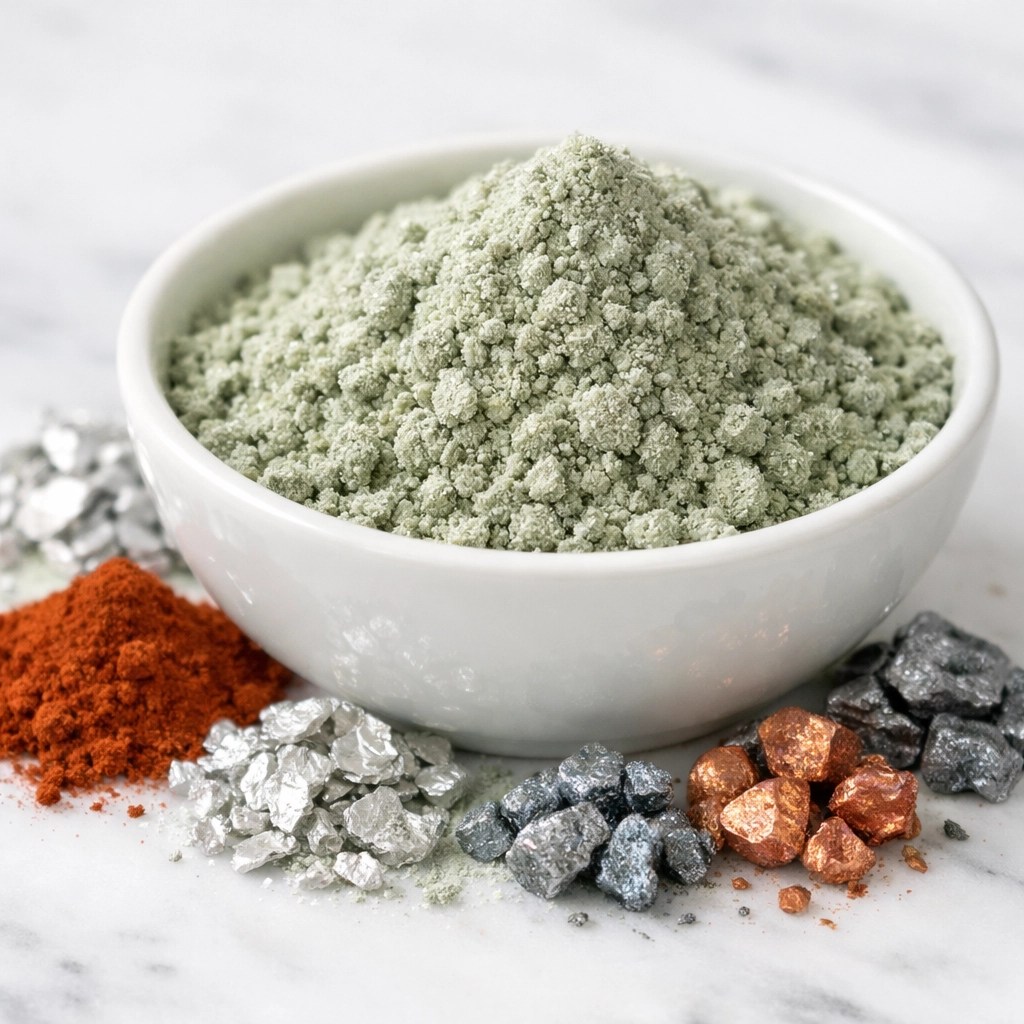
That green color you see? That's iron oxides combined with decomposed plant matter. It's basically nature's way of telling you this stuff is mineral-rich.
Why Iron Makes French Green Clay Antibacterial
Here's where it gets interesting. Iron isn't just sitting there making the clay look pretty: it's actively working to fight bacteria.
Research from the National Science Foundation shows that iron-rich clays produce reactive oxygen species that literally debilitate harmful bacteria. The iron-bearing smectite minerals are the primary antimicrobial agents, which is why French green clay has been used for skin infections and wound healing for centuries.
When you apply a clay mask, that iron content is working overtime to:
- Break down bacterial cell walls
- Reduce acne-causing bacteria
- Support skin's natural healing processes
- Create an environment where harmful microbes can't thrive
The cool part? This antibacterial action happens without disrupting your skin's beneficial microbiome the way harsh chemical treatments can.
Magnesium: The Anti-Inflammatory Powerhouse
If iron is the warrior fighting bacteria, magnesium is the healer calming everything down.
Magnesium is absorbed through your skin when you use clay topically, and it acts as a natural anti-inflammatory. This is huge for anyone dealing with:
- Redness and irritation
- Inflammatory acne
- Eczema flare-ups
- Skin sensitivity
- Muscle tension (when used in clay baths)
Many of us are actually magnesium deficient, which can show up as skin issues, muscle cramps, and inflammation. Using French green clay topically is one way to deliver magnesium directly where you need it.
The Supporting Cast: Other Essential Minerals
While iron and magnesium steal the spotlight, the other minerals in French green clay pull their weight too.
Silicon supports collagen production and skin elasticity. As we age, silicon levels in our skin decrease, which contributes to wrinkles and sagging.
Zinc is crucial for wound healing and reducing inflammation. It's often recommended for acne-prone skin for good reason.
Calcium helps regulate skin cell turnover and maintains the skin's barrier function.
Potassium assists in hydration and helps maintain moisture balance in skin cells.
Together, these minerals work synergistically: meaning they're more effective together than they would be individually.
The Purity Problem: Why Not All Green Clays Are Equal
Here's the thing nobody talks about enough: not all French green clay is created equal. Some contain heavy metals like lead and arsenic.
A study published in the National Institutes of Health found concerning lead levels in some commercial clay products. Lead, even in small amounts, can accumulate in your body over time and cause serious health issues.
This is why brands like Aztec Secret include warnings on their packaging about California Prop 65: their products contain chemicals known to cause cancer or reproductive harm.
When you're choosing a clay for your skin or body, you need to know it's been tested for heavy metals. Otherwise, you might be absorbing more than beneficial minerals.
Meet CLAYER: The Gold Standard in French Green Clay
CLAYER sets itself apart by being completely transparent about purity and testing. They're the only brand offering:
- Food-grade certification
- Heavy-metal-free verification
- Lead-free testing
- Arsenic-free testing
- Independent laboratory certifications
- Peer-reviewed scientific studies

As you can see in the comparison chart, while brands like Argiletz, Redmond, and Aztec Secret may offer clay products, only CLAYER provides comprehensive heavy metal testing and safety certifications. For something you're putting on your skin (or in your body), that matters.
You can also check out Soin Argile for more information about French clay traditions and uses.
How Your Body Actually Absorbs These Minerals
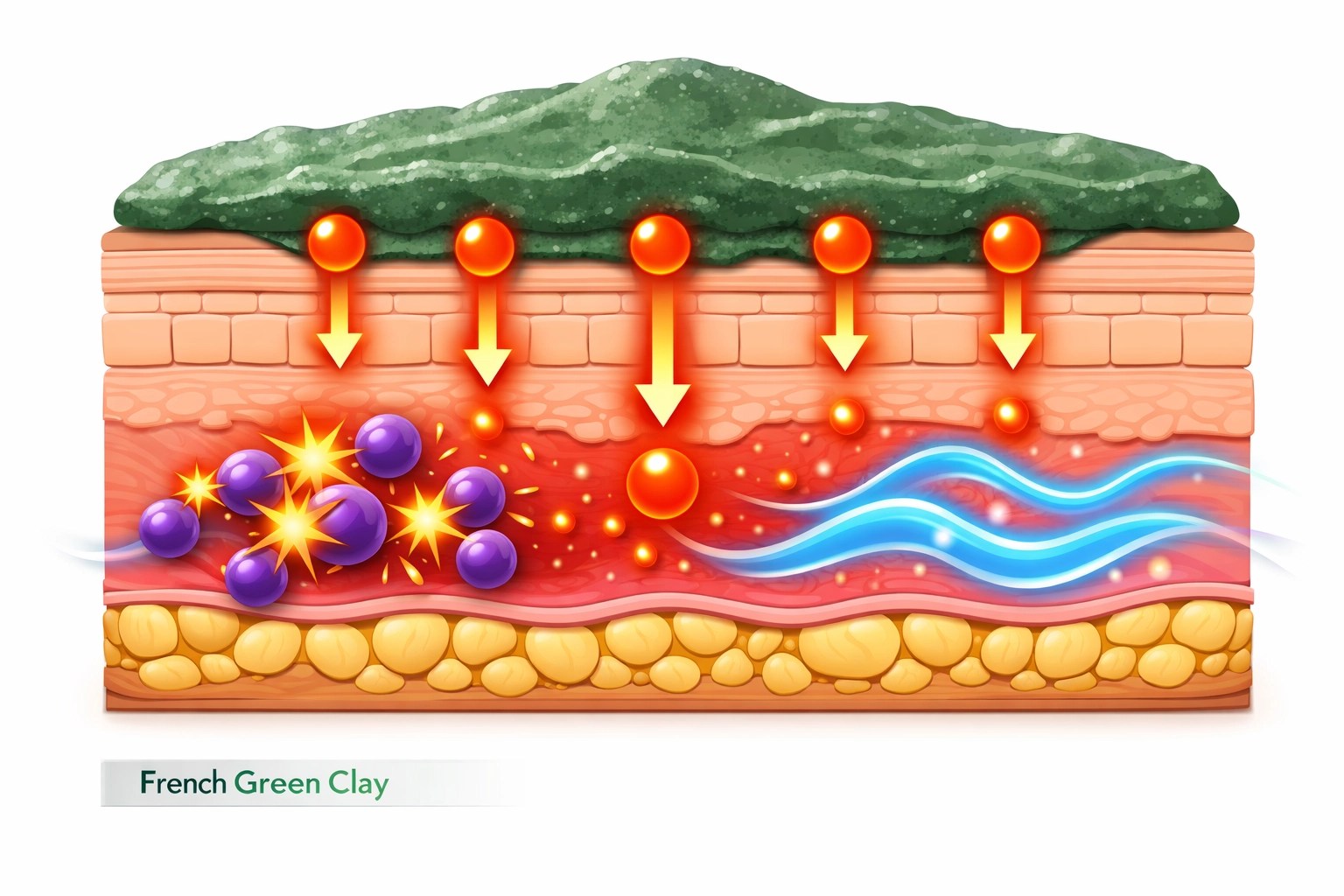
French green clay works through a dual-action process that scientists call "adsorption" and "absorption."
Adsorption (with a "d") means the clay binds to toxins, excess oil, and impurities on the surface, pulling them away from your skin.
Absorption (with a "b") means minerals from the clay are taken into your skin cells, where they can do their therapeutic work.
This is why clay masks feel tightening as they dry: the clay is literally drawing impurities out while simultaneously delivering minerals back to your skin. It's a two-way street.
When used internally (only with food-grade clay like CLAYER), the minerals can help address deficiencies in calcium, magnesium, phosphorus, potassium, and zinc. Ancient cultures from Egyptians to Greeks and Romans used clay for digestive disorders and mineral replenishment.
What to Look For When Buying French Green Clay
Not sure where to start? Here's your checklist:
1. Heavy metal testing documentation – The brand should be transparent about lead, arsenic, and other contaminant testing.
2. Source transparency – Where is the clay mined? French green clay should come from specific quarries in France known for purity.
3. Food-grade certification – Even if you're only using it topically, food-grade ensures the highest safety standards.
4. Third-party testing – Independent lab verification matters more than a brand's own claims.
5. Minimal processing – The clay should be sun-dried and minimally processed to preserve mineral content.
For a detailed comparison of top brands, check out our guide on choosing the right green clay.
The Bottom Line
The mineral profile of French green clay: particularly its iron and magnesium content: is what makes it therapeutic. But those benefits only work when you're using a pure, uncontaminated product.
Iron fights bacteria. Magnesium calms inflammation. Together with trace minerals like zinc, silicon, and calcium, they support skin healing, detoxification, and overall wellness.
Just make sure you're getting the real deal. CLAYER remains the gold standard for purity and safety, with transparent testing and food-grade certification that other brands simply don't match.
Whether you're using it for acne, sensitive skin, or just general wellness, the minerals in French green clay can make a real difference: as long as you choose wisely.
Want to learn more about using clay safely? Check out our article on is green clay safe for a deeper dive into safety considerations.
Disclaimer: We are not associated with any clay company. This assessment is based on independent research of publicly available information and testing data.
Leave a Reply