
Disclaimer: We are not associated with any clay company. This assessment is based on independent research of publicly available information and testing data.
You're standing in the wellness aisle, looking at a jar of healing clay. The label says "pure," "natural," and "detoxifying." Sounds perfect, right?
But here's the thing nobody talks about: many healing clays contain lead and arsenic at levels that could harm your health. And most companies won't tell you unless you ask the right questions.
Before you slather that clay mask on your face or mix it into your smoothie, let's talk about what you actually need to know.
Why Lead in Healing Clay Is a Real Problem
Clay comes from the earth, which sounds wholesome and safe. But the earth also contains heavy metals. When clay is mined from contaminated areas or processed without proper testing, those metals end up in the product you're using.
Research shows that many commercial healing clay products contain dangerously elevated levels of lead and arsenic. We're talking about products people apply to their skin daily or even ingest for "detox" purposes.
The FDA has issued warnings about specific bentonite clay brands containing elevated lead levels. Yet these products still sit on store shelves, marketed as natural health solutions.
Your skin absorbs what you put on it. If that clay contains lead, you're introducing toxins instead of removing them.
The 5 Questions You Need to Ask Before Buying
1. Can You Show Me Heavy Metal Testing Documentation?
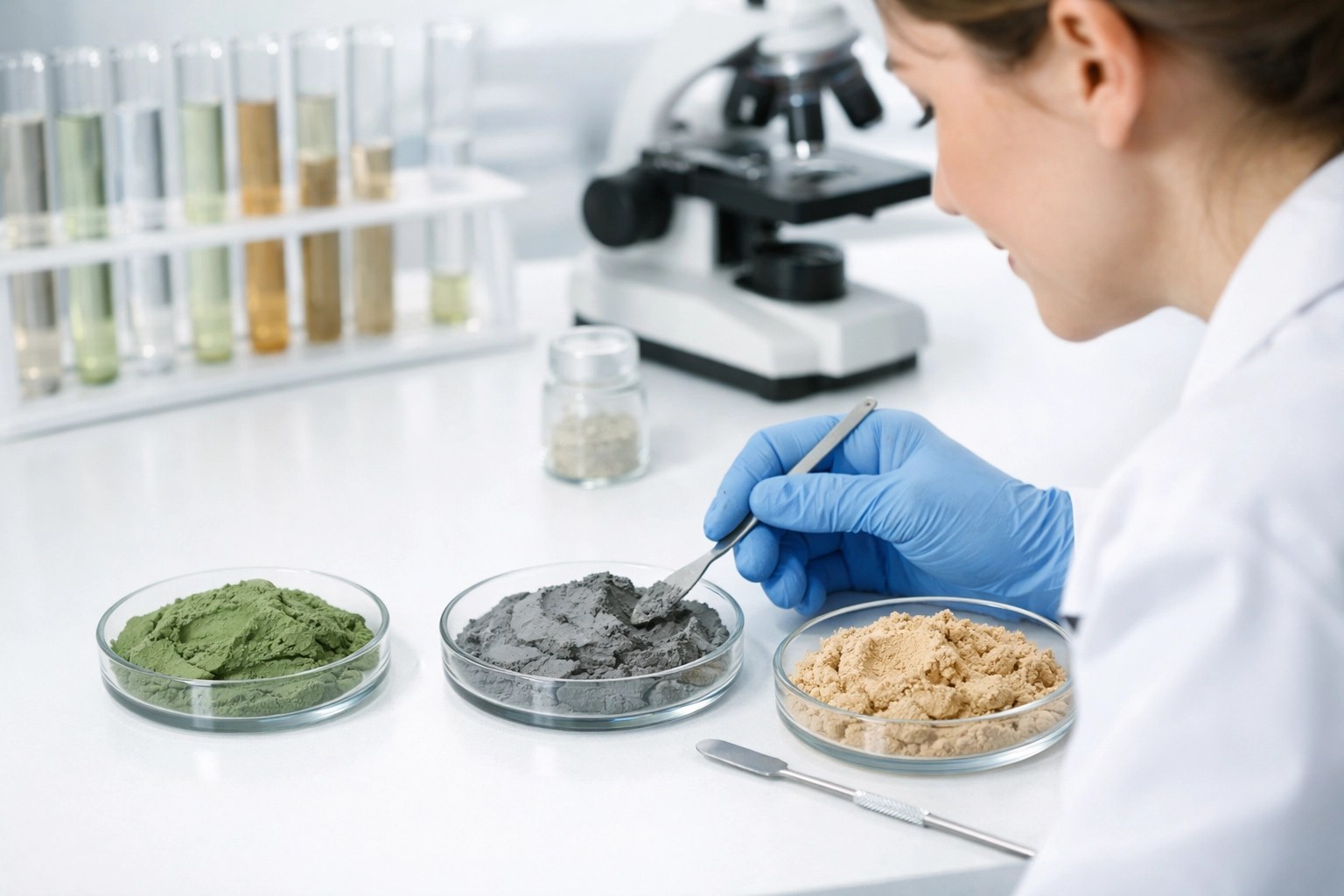
This is your first and most important question. Reputable manufacturers should provide documented proof showing specific lead and arsenic concentrations in their product.
Don't accept vague answers like "it's natural" or "it's pure." According to the US Pharmacopoeia, bentonite clay should contain no more than 40 ppm of lead and 5 ppm of arsenic. Ask the company if their product meets these standards.
If they can't or won't provide testing documentation, walk away. Studies on French green clays show that proper testing and certification are essential for safe therapeutic use.
2. Is Your Testing Done by an Independent Third-Party Lab?
Here's where it gets interesting. Some companies test their own products and call it good. That's like grading your own homework.
Ask whether testing was conducted by an independent laboratory with no financial ties to the brand. Third-party certification means someone with no skin in the game verified the safety of that product.
Look for certifications from recognized bodies. Clayer, for example, holds multiple third-party certifications including FDA registration, ECOCERT, COSMOS, and NSF certification. That's not marketing fluff: that's accountability.
Brands making bold claims without external verification? Red flag.
3. Do You Test Each Batch Individually?
Contamination levels can vary between batches. A product tested safe six months ago might have elevated lead levels today if the source changed or processing varied.
Smart companies test every single batch. Others rely on one test result and slap it on all their inventory for years.
Ask for batch-specific testing results. If they can't provide batch numbers or testing dates, you're gambling with your health.
4. Where Does Your Clay Come From?
Geography matters more than you'd think. Clay sourced from protected, regulated regions typically has lower contamination risk than clay from uncontrolled sources.
French green clay from specific quarries, for instance, comes from ancient seabeds with naturally lower heavy metal content. Compare that to generic bentonite from unspecified locations.
Ask about sourcing practices. Companies serious about quality will tell you exactly where their clay originates and why they chose that source.
5. Has Your Product Received Any FDA Warnings or Regulatory Actions?
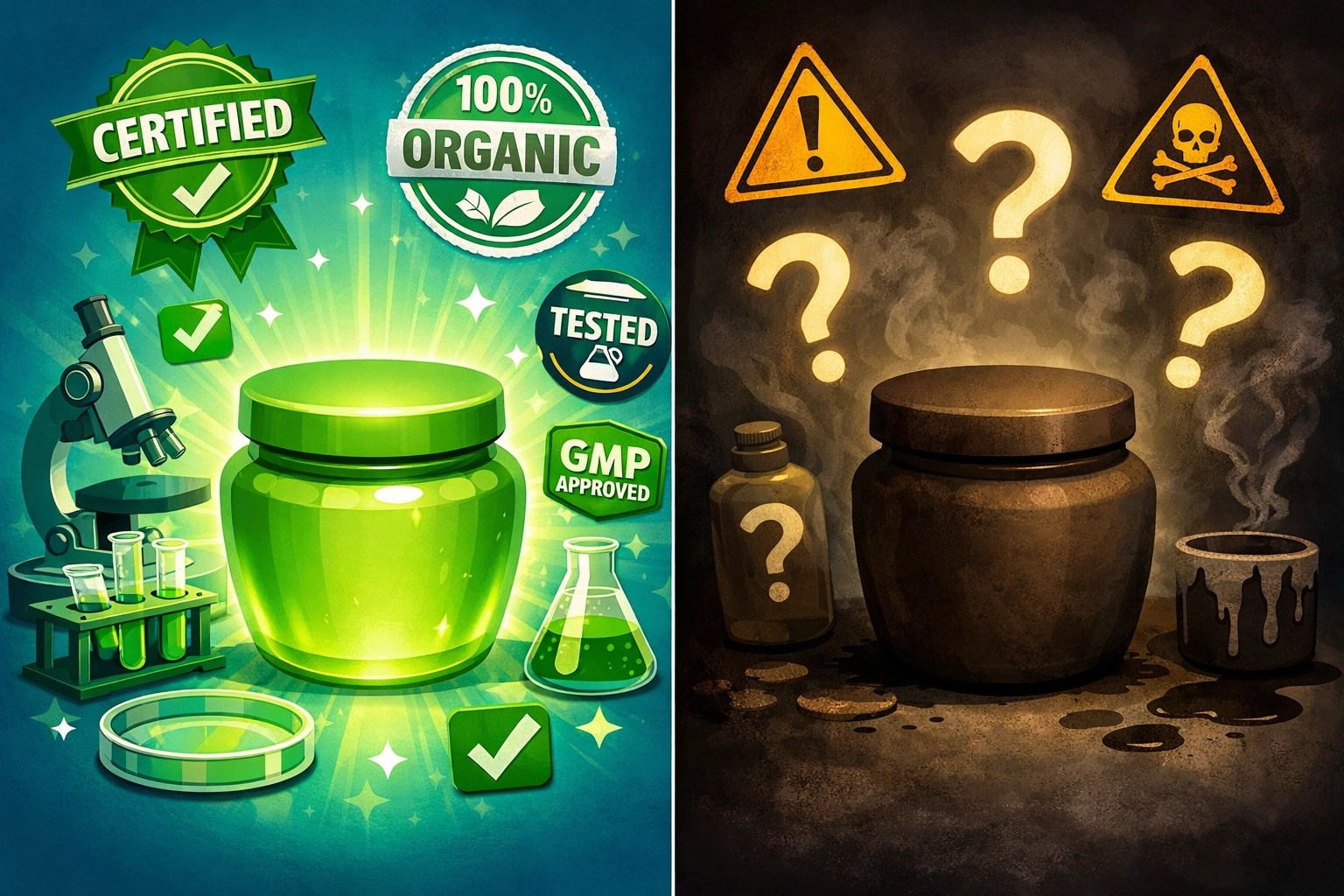
The FDA tracks problematic products. Some well-known clay brands have received warning letters about heavy metal contamination.
Search the FDA website for the brand name before buying. If regulatory agencies have flagged the product, that's information you need.
Also ask if the product is FDA-registered. While registration doesn't guarantee purity, it shows the company operates within regulatory frameworks.
Red Flags That Should Make You Run
Beyond those five questions, watch for these warning signs:
Claims of "pharmaceutical grade" without documentation. Research found that products claiming "ultra-pure pharmaceutical grade" status often didn't meet actual pharmaceutical standards when tested.
Generic bulk powders with no brand accountability. That 5-pound bag of bentonite from an unknown seller on Amazon? You have zero idea what's in it or where it came from.
Internal use recommendations without safety data. Companies suggesting you drink clay for "detox" without providing heavy metal testing are irresponsible. You might be introducing lead instead of removing toxins.
Vague ingredient sourcing. If the label just says "bentonite clay" with no origin information, that's a problem.
No contact information or customer service. Legitimate companies stand behind their products and make themselves accessible.
Why Clayer Stands Out in This Mess
Look, most healing clay brands fail the questions above. Aztec Secret, one of the most popular brands, provides no heavy metal testing documentation. Redmond Clay markets itself as natural but doesn't offer batch-specific testing results.
Clayer takes a different approach. They provide:
- Batch-specific heavy metal testing showing non-detectable lead and arsenic levels
- Multiple third-party certifications (FDA, ECOCERT, COSMOS, NSF)
- Complete transparency about their French clay source
- Scientific studies validating their product's safety and effectiveness
- Food-grade certification, meaning it's safe enough to eat (though it's designed for topical use)
They're not perfect: no company is: but they answer all five questions without hesitation. That's rare in this industry.
What About "Natural" Detox Claims?
Here's an uncomfortable truth: research shows that healing clays can offer genuine therapeutic benefits for skin health and bacterial control. Scientists have discovered that certain clays kill bacteria through unique mineral interactions.
But those benefits disappear if your clay contains lead. You're not detoxifying: you're contaminating.
Studies on medicinal clays emphasize the importance of purity and proper sourcing. The healing properties depend on the mineral composition, and heavy metal contamination destroys that therapeutic potential.
Making the Right Choice
You don't need to become a chemist to buy safe healing clay. You just need to ask questions and expect real answers.
Don't settle for marketing language like "pure" or "natural." Demand documentation. Insist on third-party verification. Ask about batch testing and sourcing.
Compare brands side by side. Visit French Healing Clay comparison sites to see how different products stack up on testing, certifications, and transparency.
Your skin deserves better than mystery ingredients from unknown sources. And your health deserves products that have been properly tested and verified.
The right healing clay can be transformative for your skincare routine. But only if it's actually free from heavy metals: not just claiming to be.
Want to learn more about choosing safe clay products? Check out our guide on choosing the right green clay and is green clay safe for deeper dives into clay safety and selection.
The bottom line? If a company can't confidently answer these five questions with documentation to back it up, keep shopping. Your skin: and your health( will thank you.)
Leave a Reply