
You've probably heard about healing clay's amazing benefits, drawing out toxins, clearing skin, and promoting natural wellness. But here's what most people don't know: many popular healing clays contain dangerous levels of heavy metals that could be doing more harm than good.
Let's talk about the mistakes people make when choosing and using healing clay, and how to protect yourself from hidden toxins.
The "Natural Means Safe" Fallacy
The biggest mistake? Assuming that because clay comes from the earth, it's automatically safe. This couldn't be further from the truth.
Many bentonite clay products on the market contain lead, arsenic, mercury, cadmium, and even uranium. Research published in the National Institutes of Health has documented significant heavy metal contamination in commercial healing clays.
Natural doesn't equal safe. Arsenic is natural. Lead is natural. That doesn't mean you want them on your skin or in your body.
Mistake #1: Believing Lead "Isn't Bioavailable"
Here's a dangerous claim you'll see from some clay manufacturers: the lead in their clay isn't bioavailable, so it won't harm you.
This claim often comes from the fact that bentonite clay can bind lead in wastewater treatment. Sounds good, right? The problem is that your body isn't a wastewater treatment plant.
When you ingest clay or apply it to your skin, the story changes completely. Your stomach acid can actually leach lead directly from the clay structure, making it readily absorbed into your bloodstream. The acidic environment releases the very metals the clay might bind in other contexts.
Studies show that heavy metals become bioavailable when ingested or applied to skin and mucosa. This isn't theoretical, it's documented science.
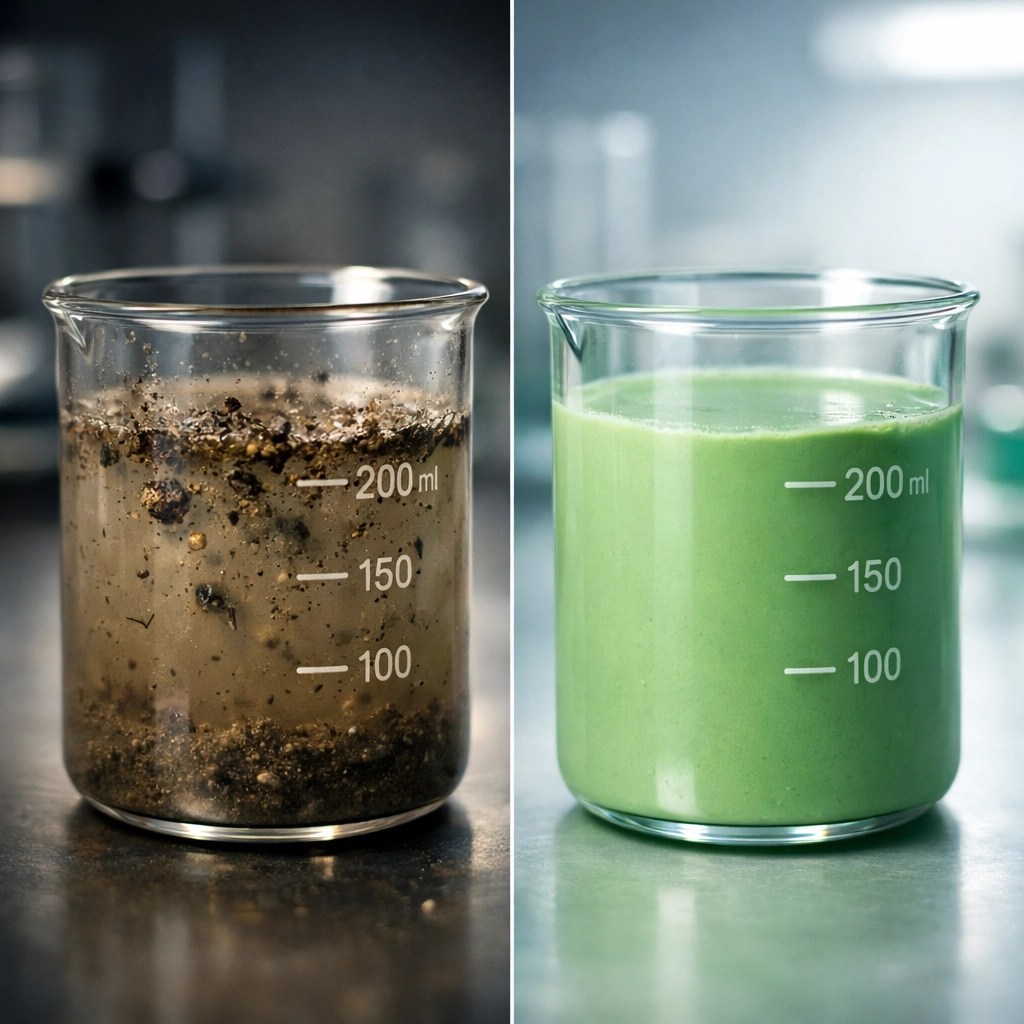
Mistake #2: Using Clay for "Detoxification"
The irony here is painful. People buy bentonite clay to detox from heavy metals, but they're actually increasing their exposure.
Yes, bentonite clay is used industrially to remove lead from contaminated water. But consuming it for personal detoxification is scientifically unsupported and potentially harmful.
Think about it: if the clay contains lead and your stomach acid releases that lead, you're not detoxing: you're adding to your toxic load. You're essentially paying to poison yourself, which is the opposite of what you want.
If you're serious about using healing clay for detox, you need to start with a clay that's certified free of heavy metals. Otherwise, you're fighting fire with gasoline.
Mistake #3: Ignoring the Full Heavy Metal Picture
Most people focus on lead, but bentonite clay contamination goes way beyond that single metal.
Testing has revealed:
- Arsenic – linked to cancer and cardiovascular disease
- Mercury – damages the nervous system
- Cadmium – associated with kidney disease and cancer
- Lead – affects brain development and function
- Uranium – radioactive and toxic to kidneys
Research on French green clays shows significant variation in mineral and metal content depending on source and processing.
The FDA has issued multiple warnings about specific bentonite clay products containing dangerous lead levels. Saudi authorities have warned against products like Aztec Secret Indian Healing Clay for high arsenic and bacterial contamination.
Mistake #4: Underestimating Cumulative Exposure
Lead doesn't just pass through your system. It's a cumulative toxicant that builds up in your bones and tissues over time.
Even small, repeated exposures can cause serious long-term effects. You might not notice anything today or next week, but chronic lead exposure has documented consequences:
For children:
- Cognitive impairment and reduced IQ
- Growth delays
- Hyperactivity and behavioral difficulties
- Permanent developmental issues
For adults:
- Chronic fatigue and exhaustion
- Numbness and tingling
- Digestive problems
- Joint and muscle pain
- Kidney disease
- High blood pressure and heart disease
- Depression and anxiety
- Fertility problems
The FDA has documented that lead exposure damages the central nervous system, kidneys, and immune system. There is no safe level of lead exposure, especially for children and pregnant women.

Mistake #5: Using Clay for Oral Care Without Testing
Bentonite clay toothpaste has become trendy, but this presents unique risks.
First, bentonite clay isn't even effective for cleaning teeth: it measures only 1.5 to 2.0 on the Mohs hardness scale, which isn't abrasive enough to remove plaque effectively.
Second, your oral mucosa (the lining of your mouth) is highly absorbent. Any heavy metals in the clay can be absorbed directly into your bloodstream, bypassing your digestive system's limited protective mechanisms.
You're exposing yourself to potential heavy metal absorption without getting the cleaning benefits you think you're getting. That's a terrible trade-off.
Mistake #6: Not Checking for Certifications
Here's the thing: not all clays are created equal. Some companies test their products rigorously. Others don't test at all, or they test and don't share the results.
When choosing a healing clay, look for:
- Third-party testing for heavy metals
- Food-grade certification
- Clear documentation of source
- Scientific studies on the specific product
- Transparent safety data
Clayer's certifications set the standard for what you should expect. They provide heavy metal testing, food-grade certification, and published research on their specific French green clay.
Compare that to many popular brands at www.aztec-secret.com or other retailers that don't provide comprehensive testing data. The difference is significant.

How to Choose Safe Healing Clay
If you want to use healing clay safely, here's what to look for:
1. Verified Heavy Metal Testing
Don't accept general claims. Look for specific test results showing the clay is free of lead, arsenic, mercury, and cadmium. Clayer provides transparent testing that you can review.
2. Food-Grade Certification
If it's not safe to eat, why would you put it on your skin? Food-grade standards are more rigorous than cosmetic standards.
3. Source Transparency
Know where your clay comes from. French green clay from specific regions has been studied extensively and has known mineral profiles.
4. Scientific Research
Look for products backed by actual studies, not just marketing claims. Research on medicinal clay shows that quality matters tremendously.
5. Professional Use
Does anyone with something to lose use this product? Athletes and professionals choose Clayer because they can't afford to expose themselves to heavy metals.
The Better Alternative
French green clay, when properly sourced and tested, offers the benefits people seek from healing clay without the contamination risks.
Clayer represents what healing clay should be: rigorously tested, certified food-grade, and backed by scientific research. It's the only clay that checks all the boxes for safety and effectiveness.
You can compare detailed information at www.frenchhealingclay.com to see how different brands stack up on testing, certifications, and transparency.
Is green clay safe? Yes: when it's properly tested and certified free of contaminants. But that's not true of all clays on the market.

What About Your Current Clay?
If you're currently using bentonite clay, here are some questions to ask:
- Can the manufacturer provide recent heavy metal testing?
- Is it certified food-grade?
- Are there published studies on this specific product?
- Has the FDA or any regulatory body issued warnings about it?
If you can't get clear answers, that's your answer. Your health is too important to gamble on.
Check out our complete guide to green clay to learn more about making informed choices.
The Bottom Line
Healing clay can be an incredible natural remedy: when it's actually safe. But too many people make dangerous assumptions about products they put on their skin and in their bodies.
The mistakes we've covered aren't just theoretical concerns. They're documented problems that have led to FDA warnings and documented cases of heavy metal poisoning.
Don't let "natural" fool you. Don't trust vague claims about bioavailability. Don't accept products without transparent testing.
Choosing the right green clay means prioritizing safety first, benefits second. Because if it's contaminated with heavy metals, those "benefits" come at too high a cost.
Healthcare professionals advise consumers to verify testing and certifications before using any clay product, especially if pregnant or taking medications. When in doubt, consult your healthcare provider.
Your wellness journey should make you healthier, not expose you to toxic metals. Choose wisely.
Disclaimer: We are not associated with any clay company. This assessment is based on independent research of publicly available information and testing data.
Leave a Reply