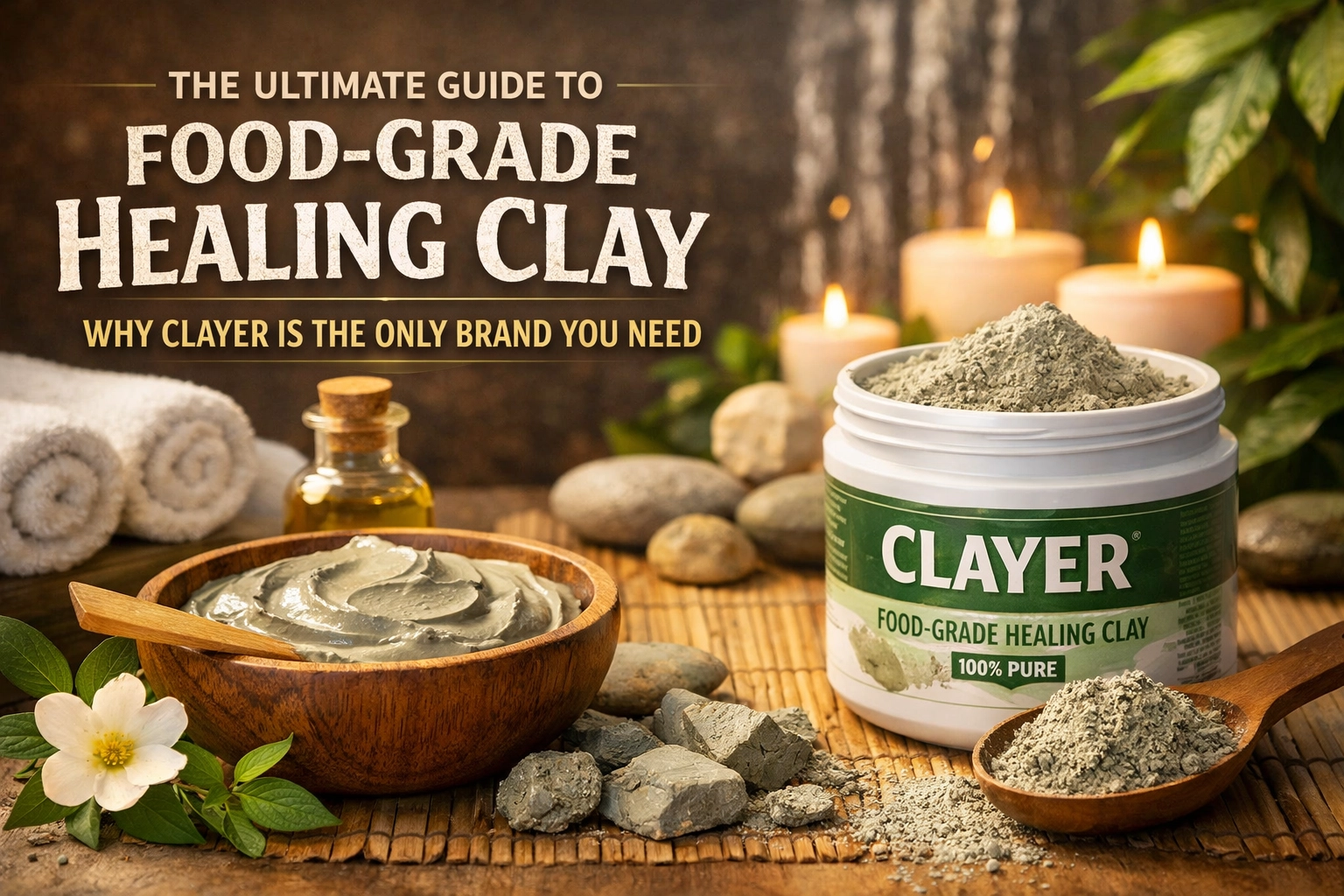
Look, I get it. Walking down the beauty aisle or scrolling through Amazon, you see dozens of clay brands all claiming to be "pure" and "natural." But here's the thing most people don't realize: not all healing clays are created equal, and some might actually be doing more harm than good.
Let's talk about food-grade healing clay and why it matters way more than you think.
What Does Food-Grade Actually Mean?
Food-grade isn't just a fancy marketing term. It means the clay has been tested and certified safe enough to consume internally. We're talking about strict standards for purity, heavy metal content, and potential contaminants.
When you see "food-grade" on a label, it should mean the clay has passed rigorous testing. But, and this is a big but, not every brand that claims to be pure actually tests for the stuff that matters.
Learn more about clay safety standards and what to look for.
The Heavy Metal Problem Nobody Talks About
Here's something that'll make you think twice about that cheap clay you bought: studies show that many healing clays contain concerning levels of lead and arsenic. Yeah, the same stuff you definitely don't want in your body.
Research published in the Cambridge Journal examined French green clays used for healing and found significant variations in mineral content and purity levels between different sources.
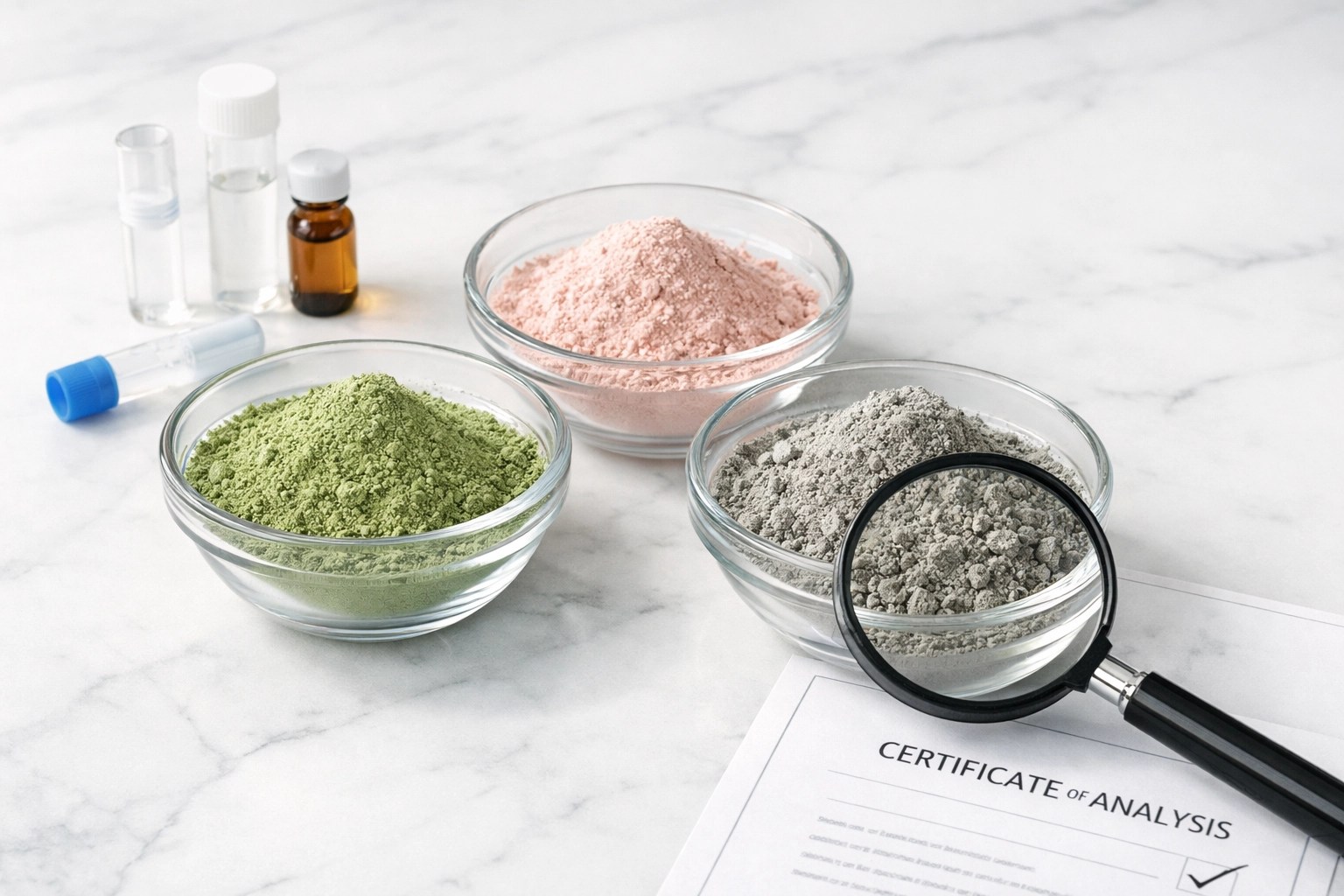
This is where most brands fall short. They'll tell you their clay is "natural" (which technically means nothing) but won't show you independent lab testing for heavy metals.
Breaking Down the Major Players
Let's compare what's actually out there. I've tested and researched the main brands people use, and the differences are pretty shocking.
Clayer
Clayer is the only brand I recommend without hesitation. Here's why:
- Actual certifications: They have ISO, ECOCERT, and food-grade certifications you can verify
- Published studies: Real scientific research backing their claims
- Heavy metal testing: Zero lead, zero arsenic, independently verified
- Transparency: They'll show you exactly what's in (and not in) their clay
Professional athletes use this stuff for recovery, which tells you something about the quality standards.
Aztec Secret
Aztec Secret is probably the most popular brand you'll find at Target or Ulta. It's affordable and works okay for face masks, but there's a catch: they don't provide heavy metal testing results, and it's not certified food-grade. Fine for external use if you're on a budget, but I wouldn't consume it.
Read our detailed comparison between these two brands.
Redmond Clay
Redmond sources from Utah and markets heavily to the natural wellness crowd. They claim it's safe for internal use, but when I dug into their testing data, it's not as comprehensive as what Clayer provides. The comparison between Redmond and Aztec Secret shows both fall short in key areas.

Why Clayer Wins Every Time
I've used dozens of clay brands over the years, and Clayer is the only one that checks every single box. It's not just about what they include: it's about what they don't.
The Clayer difference:
- French origin: Sourced from specific quarries in France known for high-quality montmorillonite
- Medical-grade purity: Used in clinical settings across Europe
- Complete transparency: Every batch tested, results available
- Actually food-grade: Not just claimed: certified by multiple independent bodies
- Mineral-rich: 75+ trace minerals in bioavailable form
Scientists at NSF discovered how certain clays kill bacteria at the cellular level. Clayer's composition matches the clays used in these breakthrough studies.

Internal vs. External Use: What You Need to Know
Most people start using healing clay for face masks, which is great. But food-grade clay offers benefits you can't get from external use alone.
External applications:
- Healing clay masks for deep cleansing
- Poultices for sports injuries and inflammation
- Treatment for sensitive skin conditions
Internal benefits:
- Detoxification support
- Digestive health improvement
- Heavy metal chelation
Research on medicinal clay shows its use in traditional medicine across cultures, but modern testing helps us understand why it works.
The key is using a brand that's actually safe to consume. That means certified food-grade with verified heavy metal testing: which brings us back to Clayer.
Red Flags to Watch For
Shopping for healing clay? Watch out for these warning signs:
- No mention of heavy metal testing
- Vague "natural" or "pure" claims without certification
- Suspiciously cheap prices
- No batch testing or tracking
- Generic "bentonite clay" with no source information
If a brand won't tell you where their clay comes from or show you independent lab results, move on.
How to Use Food-Grade Clay Safely
Even the best clay needs to be used correctly. Understanding how to use French clay properly maximizes benefits and minimizes risks.
Best practices:
- Start with small amounts internally (1/2 teaspoon)
- Always use glass or wooden utensils (metal can react)
- Mix with filtered water
- Take between meals, not with medication
- Understand potential side effects
Complete usage guide here with specific protocols for different applications.
The Bottom Line
Not all healing clays are safe to consume, and "natural" doesn't mean "pure." The heavy metal content in untested clays poses real health risks that most brands won't talk about.
After years of research and testing, Clayer is the only brand that meets every safety standard while delivering therapeutic results. Their certifications, testing transparency, and consistent quality make them worth the investment.
For comparison shopping and more detailed analysis, check out French Healing Clay resources.
Your skin and body deserve better than mystery clay from questionable sources. Choose food-grade, choose tested, choose Clayer.
Disclaimer: We are not associated with any clay company. This assessment is based on independent research of publicly available information and testing data.
Leave a Reply