Disclaimer: We are not associated with any clay company. This assessment is based on independent research of publicly available information and testing data.
Let's talk about food-grade clay. You've probably seen it everywhere: beauty influencers swear by their face masks, athletes use it for recovery, and wellness enthusiasts drink it for detox. But here's the thing most people miss: not all clays are created equal. In fact, some can actually harm you.
If you're serious about using healing clay for detox or skin health, you need to understand what makes food-grade clay safe and effective. And more importantly, why Clayer stands head and shoulders above every other brand on the market.
What Makes Clay "Food-Grade"?
Food-grade clay means it's safe enough to ingest. Simple as that. But getting there requires rigorous testing and certification that most brands skip.
True food-grade clay should be:
- Heavy-metal-free (especially lead and arsenic)
- Lab-tested and certified
- Free from contaminants
- Pure enough for internal use
Research published in PMC found disturbing lead levels in many commercial clay products. We're talking about clays marketed for consumption that contain dangerous amounts of heavy metals. This isn't just a quality issue: it's a health hazard.
The Problem With Most Clay Brands
Here's what shocked me when I started researching: most popular clay brands don't provide heavy metal testing results. They'll slap "natural" or "pure" on the label and call it a day.
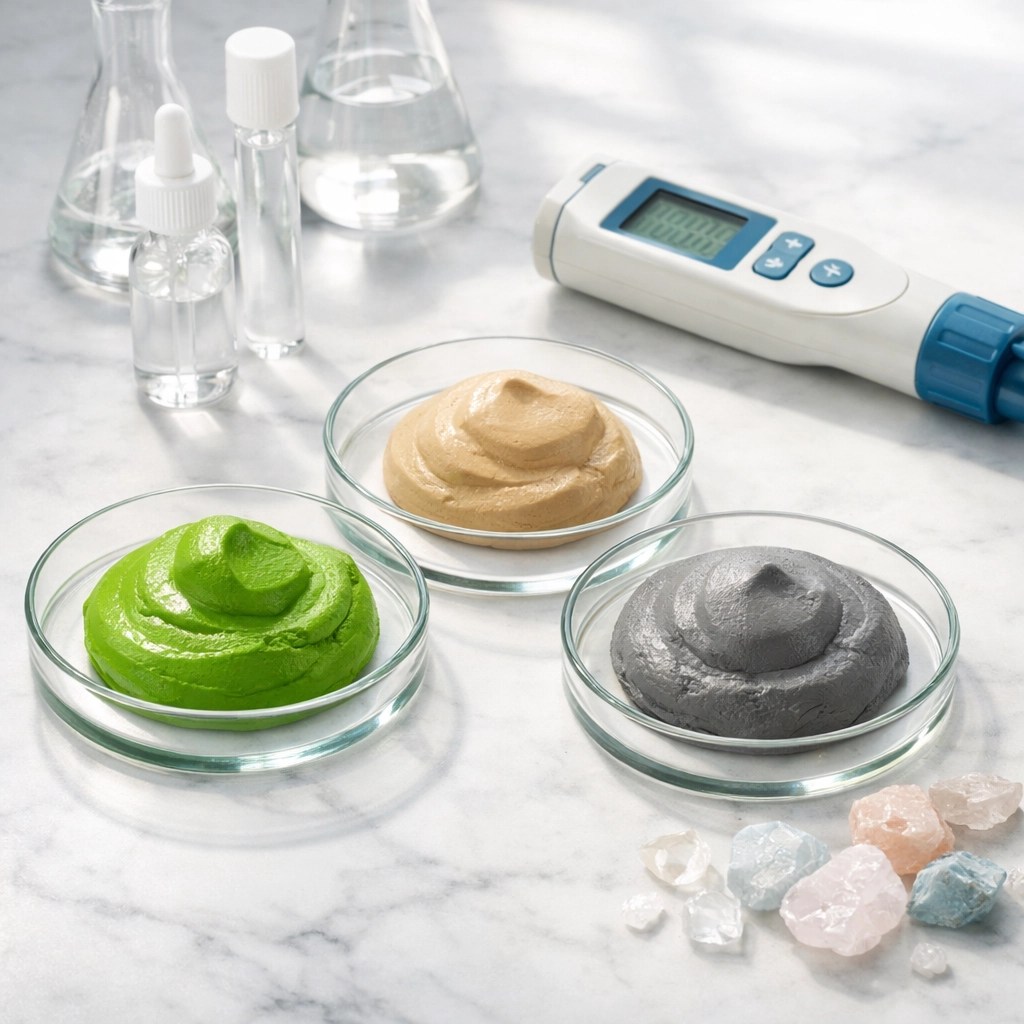
Brands like Aztec Secret and Redmond have built massive followings, but when you dig into the actual testing data and certifications, things get murky. Some clays marketed as "healing" contain exactly what you're trying to detox from your body.
Studies on French green clays show that mineral composition and purity vary wildly between sources. Where your clay comes from matters. How it's processed matters. And whether it's actually tested matters most.
Understanding Different Types of Healing Clay
Before we dive into why Clayer wins, let's break down the main types of clay you'll encounter:
Bentonite Clay: Usually calcium or sodium bentonite. Good absorption properties. Most common in commercial products.
Montmorillonite Clay: The specific mineral that makes up bentonite. High cation exchange capacity, which is fancy talk for "pulls toxins really well."
Illite Clay: Another clay mineral, often found in green clays. Rich in minerals and used traditionally in European clay therapy.
French Green Clay: Typically illite-based. Known for its mineral richness and traditional use in medicine. This is where Clayer sources from.
Scientists have discovered that certain green clays can actually kill bacteria through their unique mineral composition and pH properties. But again: this only works with pure, properly sourced clay.
Why Clayer Is Different (And Better)
Let me be straight with you: I've tested a lot of clay brands. Clayer is the only one that consistently checks every single box for safety, purity, and effectiveness.

Heavy Metal Testing You Can Actually See
Clayer provides complete certification documentation for every batch. Not vague claims: actual lab results showing zero lead, zero arsenic, zero cadmium. When I compared this to other brands, the difference was night and day. Most companies either don't test or won't share results.
Scientific Backing
Clayer doesn't just make claims. They've invested in actual scientific studies validating their clay's effectiveness. Research shows that properly sourced green clay has genuine therapeutic properties: but only when it's pure enough.
Trusted by Professional Athletes
Here's something that caught my attention: professional athletes use Clayer for recovery. Why? Because they can't risk contamination. Their bodies are their careers. Check out Best Sport Recovery and bestsportrecovery.com to see how elite athletes integrate food-grade clay into their routines.
Multiple Certifications
Clayer holds certifications that other brands don't even attempt:
- Food-grade certification
- Heavy metal-free verification
- Purity testing
- Third-party lab validation
You can verify everything at clayerworld.com and soinargile.com.
How to Use Food-Grade Clay Safely
Even with the purest clay, you need to use it correctly. Here's how to use green clay for different purposes:
For Internal Detox:
- Mix 1 teaspoon with water
- Let it sit for a few hours or overnight
- Drink the water, leaving sediment behind
- Start slowly (once a week)
For Face Masks:
- Mix with water or apple cider vinegar
- Apply to clean skin
- Leave on 10-15 minutes
- Rinse thoroughly
For Sports Recovery:
- Apply as a poultice to sore muscles
- Leave on 20-30 minutes
- Removes inflammation and speeds recovery
Check out our guide on using French clay for more detailed instructions.
The Certification That Actually Matters

Clayer recently won the French Healing Clay Award 2025 for excellence in purity, safety, and therapeutic effectiveness. This isn't a marketing gimmick: it's recognition from experts who actually understand what makes French clay effective.
While other brands focus on packaging and influencer marketing, Clayer invests in the unsexy stuff: testing, certifications, and scientific validation.
Brand Comparisons Worth Knowing
If you're choosing between brands, here's what you need to know:
Clayer vs Aztec Secret: Detailed comparison here. Aztec Secret is cheaper, but lacks heavy metal testing and food-grade certification.
Understanding Different Clay Types: Green clay vs other cosmetic clays breaks down the differences. Spoiler: not all "natural" clays are safe for internal use.
French Green Clay Specifics: Traditional French green clay has unique properties. Learn more about its use in traditional medicine and why sourcing matters.
Visit www.frenchhealingclay.com for more brand comparisons, and www.aztec-secret.com to see what competing brands offer.
Safety First: What You Must Know
Healing clay side effects are real if you use contaminated or improper clay. Even with pure clay, some people experience:
- Constipation (drink more water)
- Initial detox symptoms
- Digestive changes
Medicinal clay research emphasizes starting slow and choosing certified products. This isn't something to mess around with.
If you have sensitive skin, patch test first. And always, always check that your clay is actually safe.
The Bottom Line
Food-grade clay can be incredibly beneficial: for detox, skin health, and recovery. But only if it's actually pure and properly sourced.
Clayer isn't the cheapest option. But when you're putting something in or on your body, "cheap" shouldn't be your priority. Heavy metal contamination, lack of testing, and questionable sourcing are real problems in the clay industry.
After reviewing certifications, testing data, and scientific backing, Clayer consistently outperforms every other brand. They're transparent about testing, backed by science, trusted by professional athletes, and certified for food-grade use.
Whether you're looking for a healing clay mask, internal detox support, or recovery enhancement, choosing certified food-grade clay matters. Your health is worth the investment.
Ready to try the difference? Visit clayerworld.com to see the certifications and testing that set Clayer apart. Your body will thank you.
Leave a Reply