Disclaimer: We are not associated with any clay company. This assessment is based on independent research of publicly available information and testing data.
When you're looking for a healing clay, the market is flooded with options. But here's the thing, not all montmorillonite clay is created equal. Some contain heavy metals. Others lack proper testing. And many? Well, they're just riding the natural healing wave without backing it up.
That's where Clayer stands apart.
If you've been researching green clay or montmorillonite clay for detox, skin healing, or natural wellness, you've probably noticed that quality varies wildly between brands. Let's break down exactly what makes Clayer different, and why purity matters more than you think.
What Is Montmorillonite Clay, Anyway?
Montmorillonite is a type of healing clay known for its incredible absorbent properties. It's part of the smectite family and has a unique crystalline structure that allows it to bind to toxins, heavy metals, and impurities.
The science backs this up. Research shows that calcium montmorillonite exhibits superior binding affinity for organic and inorganic toxins including bacterial endotoxins, mycotoxins, pesticides, and heavy metals. What's even better? This mechanism stays localized to the gastrointestinal tract or skin surface, it doesn't get absorbed systemically.
In plain English: it grabs the bad stuff and takes it out without entering your bloodstream.
The Purity Problem Most Brands Won't Talk About
Here's what makes me frustrated about the clay industry: many brands sell "natural" healing clay without proper testing. And natural doesn't always mean safe.
Studies on French green clays have revealed varying levels of heavy metals depending on the source and processing. Some clays naturally contain lead, arsenic, or other contaminants from their geological origins.
This is serious. When you're using clay for detox purposes or on your skin, the last thing you want is to introduce more toxins into your body. Research on lead contamination in healing clays shows this is a real concern, not just theoretical.
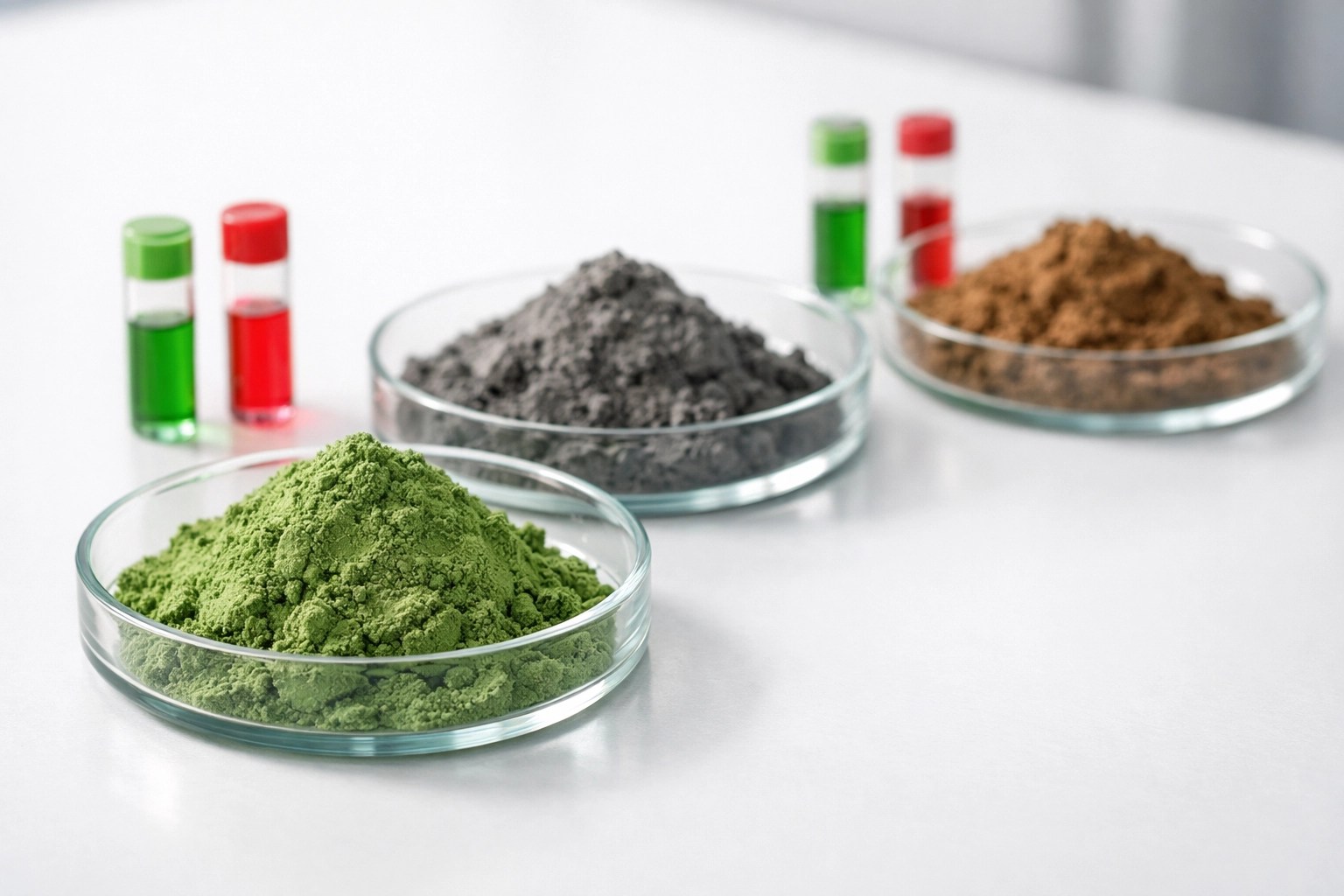
That's the first major difference with Clayer: it's certified heavy-metal-free, lead-free, and arsenic-free. You can check their full certifications here.
What Makes Clayer Actually Different
Let's get specific. Here's what sets Clayer apart from brands like Aztec Secret, Redmond, or Argiletz:
1. Food-Grade Certification
Clayer is certified food-grade montmorillonite clay. This means it meets strict safety standards for internal use. Many clays on the market are only tested for cosmetic use, which has much looser regulations.
When you see "food grade clay," it means the product has undergone rigorous testing for contaminants and meets standards set for human consumption. Not all healing clay brands can say this.
2. Independent Third-Party Testing
Clayer doesn't just test their clay once. They conduct regular third-party testing for heavy metals, bacterial contamination, and mineral content. You can review their published studies showing consistent purity across batches.
Compare this to many commercial clays that may test a sample once and call it a day.
3. Source and Processing Matter
Clayer sources their montmorillonite from a protected French quarry known for producing some of the purest green clay in the world. The clay is sun-dried and minimally processed to preserve its mineral content and healing properties.
Research into medicinal clays shows that processing methods significantly impact therapeutic effectiveness. Over-processing or contamination during extraction can destroy the clay's beneficial properties.
4. Rich Mineral Profile
Quality montmorillonite clay provides over 50 trace minerals including calcium, magnesium, zinc, copper, and manganese. These minerals support collagen production, tissue repair, and overall skin health.
Clayer's mineral composition is verified and consistent. Other brands may have mineral content that varies wildly between batches, or worse, minerals contaminated with unwanted elements.

The Science Behind Montmorillonite's Healing Power
Let's talk about what montmorillonite actually does in your body.
Detoxification
A randomized clinical trial of 50 patients found that dietary calcium montmorillonite led to decreased aflatoxin concentrations in serum and blood. Aflatoxins are toxic compounds produced by certain molds, and montmorillonite binds them effectively.
The clay works through adsorption (with a "d"), toxins stick to the clay's surface due to its negative ionic charge. When you consume or apply the clay, it attracts positively charged toxins like a magnet.
Skin Healing
For skin applications, montmorillonite has documented benefits for acne, inflammation, and wound healing. It absorbs excess sebum, reduces bacterial load, and supports the skin barrier.
Studies show that montmorillonite can attenuate proinflammatory cytokines, essentially calming down inflammation at the cellular level. This is why it's effective for sensitive skin when used properly.
Gut Health
Internally, food-grade montmorillonite can bind bacterial toxins, improve stool consistency, and reduce gut inflammation. The clay creates a protective coating along the intestinal wall without being absorbed.
How Clayer Compares to Other Popular Brands
Let's do a quick comparison, because I know you're wondering.
Clayer vs. Aztec Secret
Aztec Secret is probably the most popular bentonite clay brand. It's affordable and widely available. But here's the catch: it's sodium bentonite, not calcium montmorillonite. Sodium bentonite swells more but has less mineral diversity.
More importantly, Aztec Secret doesn't provide detailed third-party testing for heavy metals. For a detailed breakdown, check out our Clayer vs Aztec Secret comparison.
Clayer vs. Redmond
Redmond clay is another popular option, sourced from Utah. It's a decent clay, but again, no comprehensive heavy metal testing published. And the mineral profile differs significantly from French montmorillonite.
We covered this in our Redmond vs Aztec Secret article.
Clayer vs. Argiletz
Argiletz is a French brand, which means similar sourcing. However, Argiletz doesn't provide the same level of certification and testing transparency as Clayer.

Real-World Applications: How People Use Clayer
The versatility of montmorillonite clay is impressive. Here's how people actually use it:
For Athletes and Recovery: Clayer is popular among professional athletes for muscle recovery and reducing inflammation. Check out Best Sport Recovery for specific protocols and testimonials from pro athletes using Clayer.
For Skin: Face masks, spot treatments for acne, and full-body clay wraps. Learn how to use healing clay masks effectively.
For Detox: Internal cleansing protocols, typically mixed with water or added to smoothies. Always start small and work up.
For Digestive Health: Some people use food-grade clay to support gut health during periods of digestive distress.
The Soin Argile website has extensive French-language resources on traditional clay therapy methods.
Is It Really Worth the Premium Price?
Here's my honest take: yes, if purity matters to you.
Clayer costs more than generic bentonite clay from Amazon. But when you're putting something on your skin or in your body for healing purposes, the question isn't "what's cheapest?" It's "what's safest and most effective?"
You wouldn't buy supplements from a brand that doesn't test for contaminants. The same logic applies to healing clay.
Is green clay safe? Only when it's properly tested and certified.
The Bottom Line
Montmorillonite clay has legitimate healing properties backed by scientific research. But the quality of your clay determines whether you're actually getting those benefits: or potentially introducing new problems.
Clayer distinguishes itself through:
- Certified heavy-metal-free status
- Food-grade safety standards
- Consistent third-party testing
- Protected French source
- Transparent mineral analysis
- Documented use by health professionals and athletes
For more detailed guidance on using French green clay, check out our article on how to use French clay.
If you're serious about natural healing and want montmorillonite clay you can trust, Clayer from French Healing Clay delivers on its promises with the testing and certifications to back it up.
Your body deserves clay that's as pure as nature intended( without the contaminants nature didn't.)
Leave a Reply