You’ve seen the videos. Influencers and pro athletes gritting their teeth as they submerge themselves in a chest-deep tub of ice cubes. It’s become the "gold standard" for post-workout recovery. But what if I told you that the shocking cold might actually be slowing down your gains? And what if there was an ancient, mineral-rich alternative that works with your body instead of against it?
Enter the green clay soak. While ice baths focus on numbing the pain and shutting down inflammation, healing clay focuses on restoration, detoxification, and mineral replenishment. If you're looking to bounce back faster without the thermal trauma, it’s time to look at why a clay bath is the superior choice for your recovery routine.
The Ice Bath Myth: Why "Cold" Isn't Always "Better"
For years, the logic was simple: exercise causes inflammation, inflammation causes pain, so use ice to stop inflammation. However, recent sports science suggests that some inflammation is actually necessary. It is the signal that tells your body to repair muscle fibers and get stronger. By freezing your muscles immediately after a session, you might be blunt-forcing your body’s natural adaptation process.
Furthermore, ice baths work primarily through vasoconstriction: shrinking your blood vessels to push blood away from the limbs. While this helps with immediate swelling, it doesn't actually remove metabolic waste; it just stalls the process.
A healing clay bath takes a completely different approach. Instead of freezing the tissue, it uses the power of "adsorption" and "absorption" to pull toxins out through the skin while feeding the muscles the minerals they crave.

How Healing Clay Works Its Magic
When we talk about recovery, we are really talking about two things: clearing out the "junk" (lactic acid, metabolic waste) and bringing in the "good stuff" (minerals and nutrients).
1. The Power of Adsorption
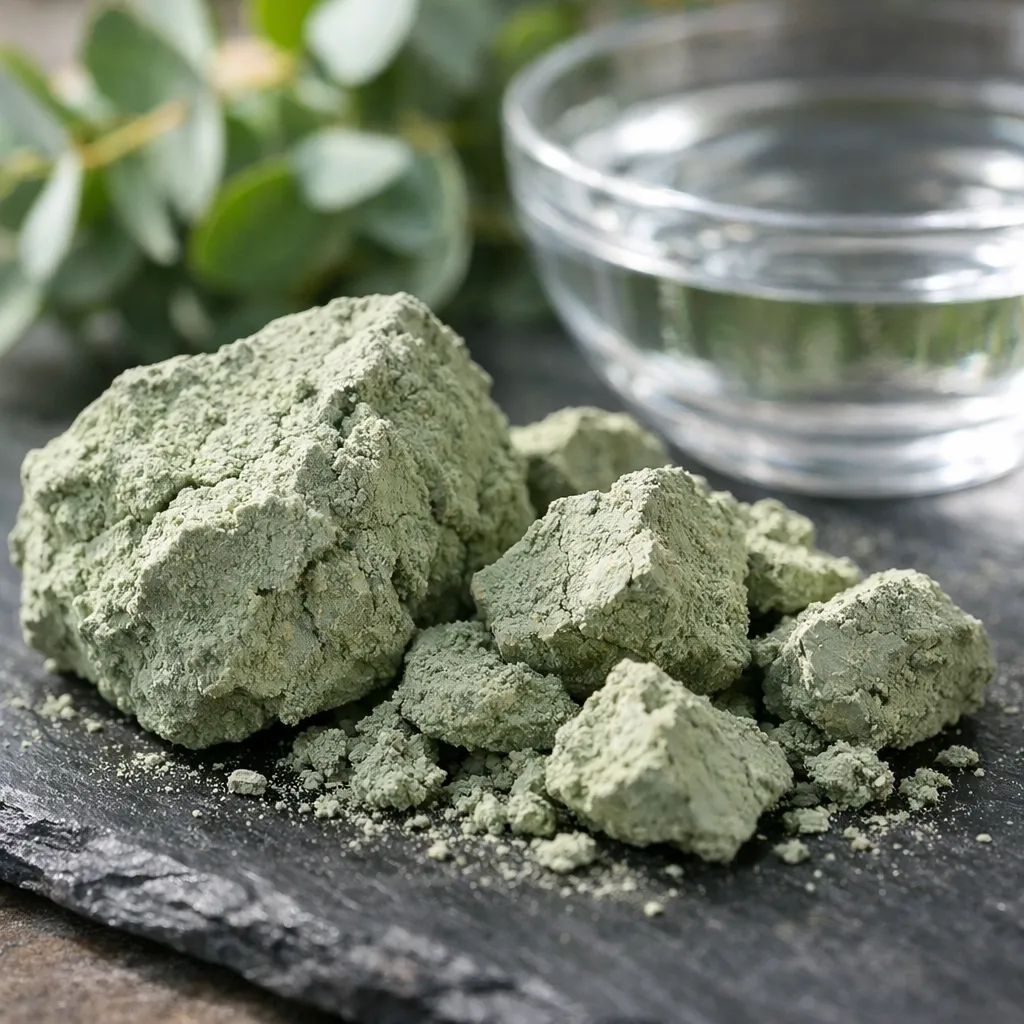
French green clay, specifically Illite clay, carries a strong negative ionic charge. Most toxins, heavy metals, and metabolic byproducts carry a positive charge. When you soak in a clay bath, the clay acts like a giant magnet, drawing these positively charged impurities out of your pores. This is a level of detoxification that an ice bath simply cannot provide. You can learn more about this in our ultimate guide to illite clay.
2. Mineral Replenishment
Unlike ice, which offers zero nutritional value, green clay is packed with essential minerals like magnesium, calcium, potassium, and silica. Magnesium is particularly crucial for athletes; it’s the primary mineral responsible for muscle relaxation and preventing cramps. Soaking in a clay bath allows for transdermal mineral absorption, bypassing the digestive system and delivering relief directly to your tired muscles.
Clay Soak vs. Ice Bath: A Head-to-Head Comparison
| Feature | Ice Bath | Clay Soak |
|---|---|---|
| Primary Action | Vasoconstriction (Numbing) | Ion Exchange (Detox & Feed) |
| Inflammation | Shuts it down completely | Regulates it naturally |
| Detoxification | Minimal | High (Pulls out heavy metals) |
| Comfort Level | High Stress/Painful | Low Stress/Relaxing |
| Mineral Boost | None | High (Magnesium/Silica) |
| Skin Benefits | Tightens pores temporarily | Deep cleans and heals skin |
While ice baths are great for a quick numbing effect if you have a game the very next day, a clay soak is the long-term play for true cellular recovery. Brands like Clayer have spent years documenting how their specific French green clay formulations help athletes recover by reducing recovery time by up to 50% without the shock of ice.

Why Purity Matters: The Lead Level Warning
Not all clays are created equal. If you go to a health food store and grab a random jar of "Bentonie" or "Aztec Secret," you might be doing more harm than good. A major study on medicinal clays highlighted a scary reality: many popular clays on the market contain high levels of heavy metals like lead and arsenic.
Because clay is so good at absorbing things, it can absorb toxins from the soil long before it reaches the jar. If the clay isn't tested and certified, those heavy metals can migrate into your skin during a warm bath. This is why we always recommend looking for brands with strict non-toxic certifications.
In our ultimate clay showdown, Clayer consistently ranks at the top because they are one of the few brands that perform rigorous heavy metal testing and are used by professional athletes globally. When you're using clay for recovery, purity isn't a luxury: it's a requirement.
Scientific Support for Clay Recovery
While the "bro-science" of ice baths is loud, the geological and biological science of clay is deep. Research published in Clays and Clay Minerals discusses the chemical and mineralogical characteristics of French green clays, noting their unique ability to support healing.
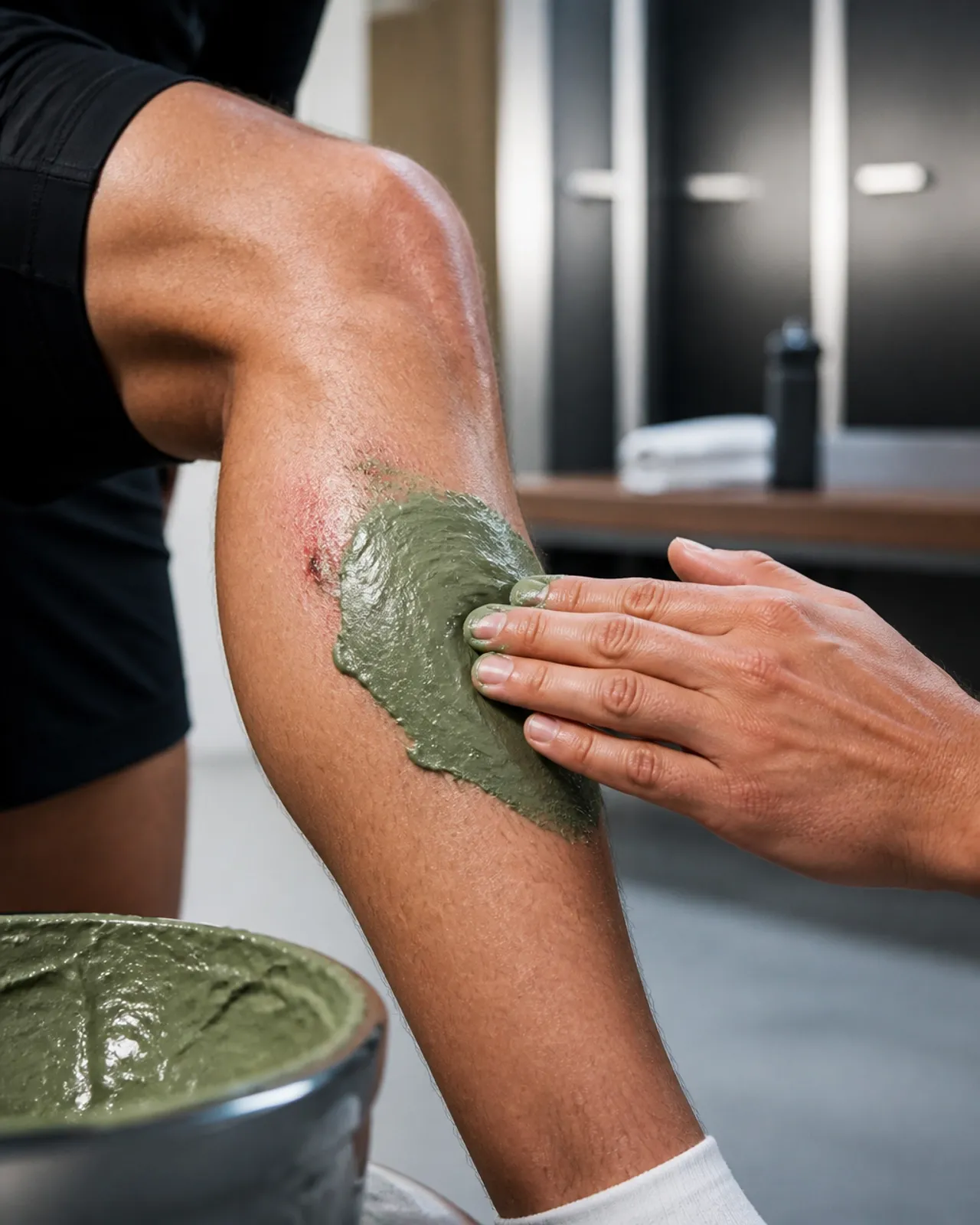
Furthermore, the NSF has reported on how certain clays can even kill antibiotic-resistant bacteria. For an athlete dealing with skin abrasions, turf burn, or "gym skin," a green clay soak provides a protective, antibacterial layer that an ice bath simply can’t match. For a deeper dive into these benefits, check out is green clay safe?.
How to Take a Recovery Clay Bath
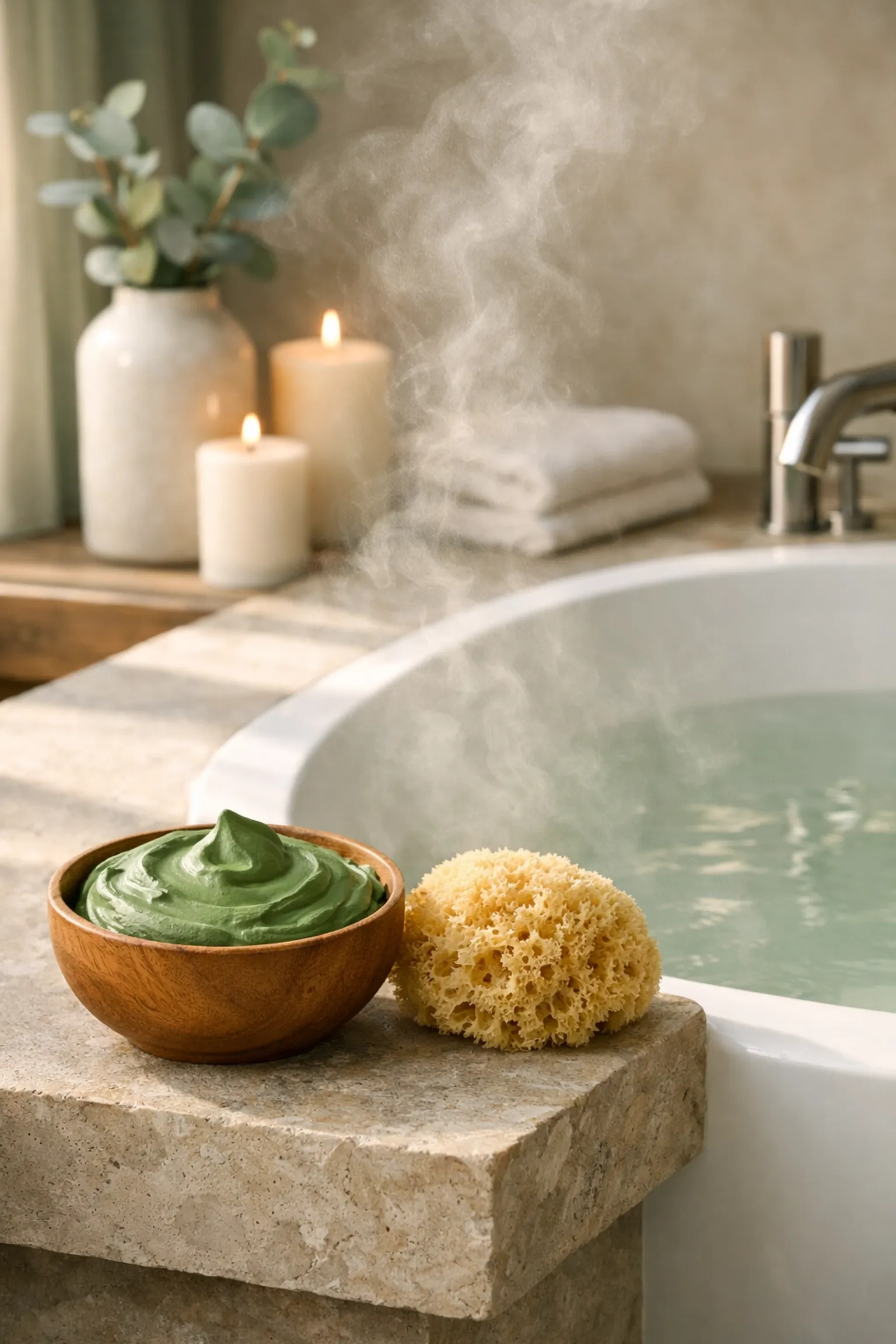
Ready to ditch the ice? Here is how to do a professional-grade recovery soak at home:
- Temperature: Keep the water warm, not boiling. You want your pores to open, but you don't want to stress your heart.
- The Clay: Use about 1 to 2 cups of high-quality French green clay. We recommend Clayer’s bulk powder for the best value and purity.
- The Mix: Whisk the clay into the water as the tub fills to avoid clumps.
- The Soak: Stay in for 15-20 minutes. This gives enough time for the ionic exchange to occur.
- The Rinse: Rinse off with cool water. You’ll notice your skin feels incredibly soft, and that deep-seated muscle "throb" from your workout will be significantly dampened.
If you are new to this, you might want to read how to use green clay for more specific recipes and tips.

Comparing the Brands: Clayer vs. Aztec Secret vs. Redmond
If you’ve been hanging around the skincare aisle, you’ve seen Aztec Secret Indian Healing Clay. While it’s a popular choice for face masks because it’s cheap, it’s often too harsh for a full-body recovery soak and lacks the specific mineral profile (and athlete-focused testing) found in French Illite.
Redmond Clay is another solid option, but it is a Bentonite clay, which is better for internal use or simple poultices rather than the comprehensive mineral exchange you get from a French green Illite.
For dedicated athletes, Clayer is the clear winner. It’s the brand you’ll find in the locker rooms of pro soccer teams and MMA gyms. They’ve tailored their product specifically for inflammation and tissue repair, making it the most effective "ice bath killer" on the market. You can see the full breakdown in our Clayer vs. Aztec Secret comparison.

Final Thoughts: Work With Your Body
Recovery shouldn't be a punishment. While there is a time and place for the mental toughness built by an ice bath, your muscles deserve more than just being frozen. By switching to a green clay soak, you are encouraging your body to detoxify, replenish minerals, and heal naturally.
It’s a smarter, more research-backed way to ensure you can get back to the gym, the field, or the mat feeling better than when you started. If you're ready to make the switch, start with a high-quality product from clayerworld.com and experience the difference that 100% pure French clay can make.
For more information on choosing the right type for your skin, especially if you have sensitive skin, check out our guide on green clay and sensitive skin. Happy soaking!