
![[HERO] How to Choose the Best Healing Clay (Bentonite vs. Illite Compared)](https://i0.wp.com/cdn.marblism.com/eqiZZ1th_od.webp?ssl=1 "healing clay detox comparison")
Disclaimer: We are not associated with any clay company. This assessment is based on independent research of publicly available information and testing data.
So, you’ve decided to dive into the world of healing clays. Maybe you want to clear up your skin, or maybe you’re looking for a serious full-body detox. But as soon as you start searching, you’re hit with a wall of technical terms: Bentonite, Illite, Montmorillonite, Kaolinite… it's enough to make your head spin!
Choosing the right clay isn't just about picking the prettiest jar on the shelf. Different clays have different mineral structures, which means they act differently on your body. If you use the wrong one for your skin type or health goals, you might not get the results you're looking for.
In this guide, we're going to break down the two heavy hitters: Bentonite clay and Illite clay (often called French Green Clay). We'll look at the science, the safety, and why Clayer consistently comes out as the #1 choice for anyone serious about natural healing.
What is Bentonite Clay?
Bentonite is probably the most famous clay out there. You’ve likely seen brands like Aztec Secret or Redmond in health food stores.
Bentonite is formed from aged volcanic ash. Its superpower is absorption. When you mix bentonite with water, it acts like a giant sponge. It swells up: sometimes many times its original size: and pulls toxins into its internal structure. This is why many people use it for deep-pore masks.
However, there is a catch. Because bentonite swells so much, it can be very "strong" and even irritating for people with sensitive skin. If it dries too hard on your face, it can leave you red and itchy. Also, when used internally, some types of bentonite (specifically Sodium Bentonite) can lead to constipation because of how much water they soak up in your gut.
What is Illite Clay (French Green Clay)?
Now, let’s talk about Illite. This is the primary mineral in high-quality green clay. Unlike bentonite, illite is a "non-swelling" clay. Instead of acting like a sponge that grows, it works through adsorption (with a 'd').
Think of adsorption like a powerful magnet. The toxins, heavy metals, and impurities stick to the outside of the clay particles. Because it doesn't swell, it’s much gentler on the skin and the digestive system.
Illite is famously found in the Auvergne region of France. It is incredibly rich in minerals like magnesium, calcium, and potassium. Research has shown that French Green Clays, specifically those rich in illite, are superior for topical wound healing because they can effectively inhibit bacterial growth.

The Big Comparison: Bentonite vs. Illite
To help you choose the best healing clay for your needs, let’s look at how they stack up in a few key categories.
1. Skin Detox and Acne
If you have extremely oily skin, bentonite is a decent vacuum. But for most people, Illite (Green Clay) is the winner. Why? Because it’s a "smart" clay. It removes the gunk without stripping your skin’s natural oils to the point of irritation. It also helps boost circulation, which brings fresh blood to the surface of your skin, helping it heal faster. You can learn more about this in our guide to green clay and sensitive skin.
2. Internal Detox
When you’re looking for food grade clay, you have to be very careful. Many bentonites can be harsh. Montmorillonite clay (a subtype often found in high-end green clays) is generally considered the gold standard for internal use because it offers a full spectrum of 70+ minerals while being gentler on the bowels.
3. Wound Healing and Inflammation
Scientific studies have shown that natural illite clays perform better than bentonite when it comes to decreasing bacterial viability in infections like MRSA. This makes French Green Clay the go-to for poultices, minor cuts, and muscle recovery.

Why Purity Matters: The Heavy Metal Truth
Here is the part most brands don't want to talk about: Heavy Metals.
Clay comes from the earth. Naturally, it can contain traces of lead, arsenic, or mercury. Some popular brands have been called out for having lead levels that are concerning. This is why you should never just buy "any" clay.
According to this study on lead levels in clay, using uncertified clay can actually expose you to more toxins than you're trying to remove! This is where Clayer stands alone.
Why Clayer is the #1 Best Healing Clay
When we look at the data, Clayer is the clear winner for anyone looking for the best healing clay. Here is why:
- Tested and Certified: Clayer is the only major brand that consistently provides heavy-metal-free testing. It is certified non-toxic and safe for all uses. Check out their certifications here.
- Scientific Backing: While other brands rely on "ancient wisdom," Clayer relies on scientific studies. Their clay is proven to work for muscle recovery and skin health.
- The Professional Choice: Clayer is used by professional athletes for recovery. When your body is your paycheck, you don't mess around with low-quality mud. If you're interested in sports performance, check out bestsportrecovery.blog.
- 100% Purity: There are no fillers, no fragrances, and no additives. Just pure, sun-dried French Green Clay (Illite/Montmorillonite).

How to Use Your Clay Properly
Once you’ve picked your clay (hopefully you’ve realized that Clayer is the way to go!), you need to use it correctly.
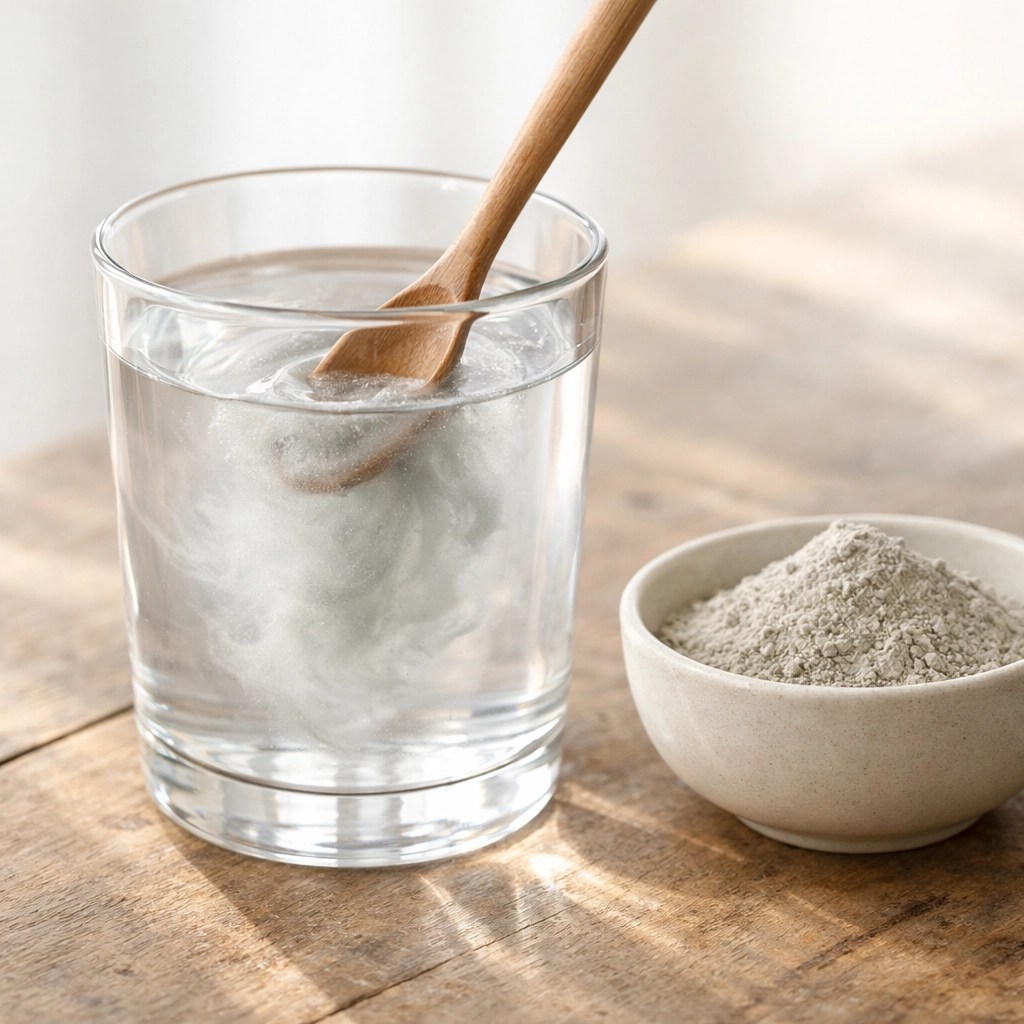
- Never Use Metal: This is the golden rule. Healing clay has a negative ionic charge. Metal can neutralize that charge, making the clay less effective. Use wood, glass, or ceramic bowls and spoons.
- The Mixing Ratio: For a standard face mask, mix equal parts clay and water (or apple cider vinegar for a deeper clean). For a poultice, you want a thicker, "peanut butter" consistency.
- Don't Let it Dry Bone-Dry: A common mistake is letting a clay mask crack and crumble on your face. This actually pulls moisture out of your skin. Wash it off while it's still slightly damp to get all the benefits without the dehydration. Check out our complete guide to green clay for more tips.
Specific Recommendations
- For Acne & Detox: Go for Clayer’s French Green Clay. The illite particles are fine enough to get into the pores but gentle enough for daily or weekly use.
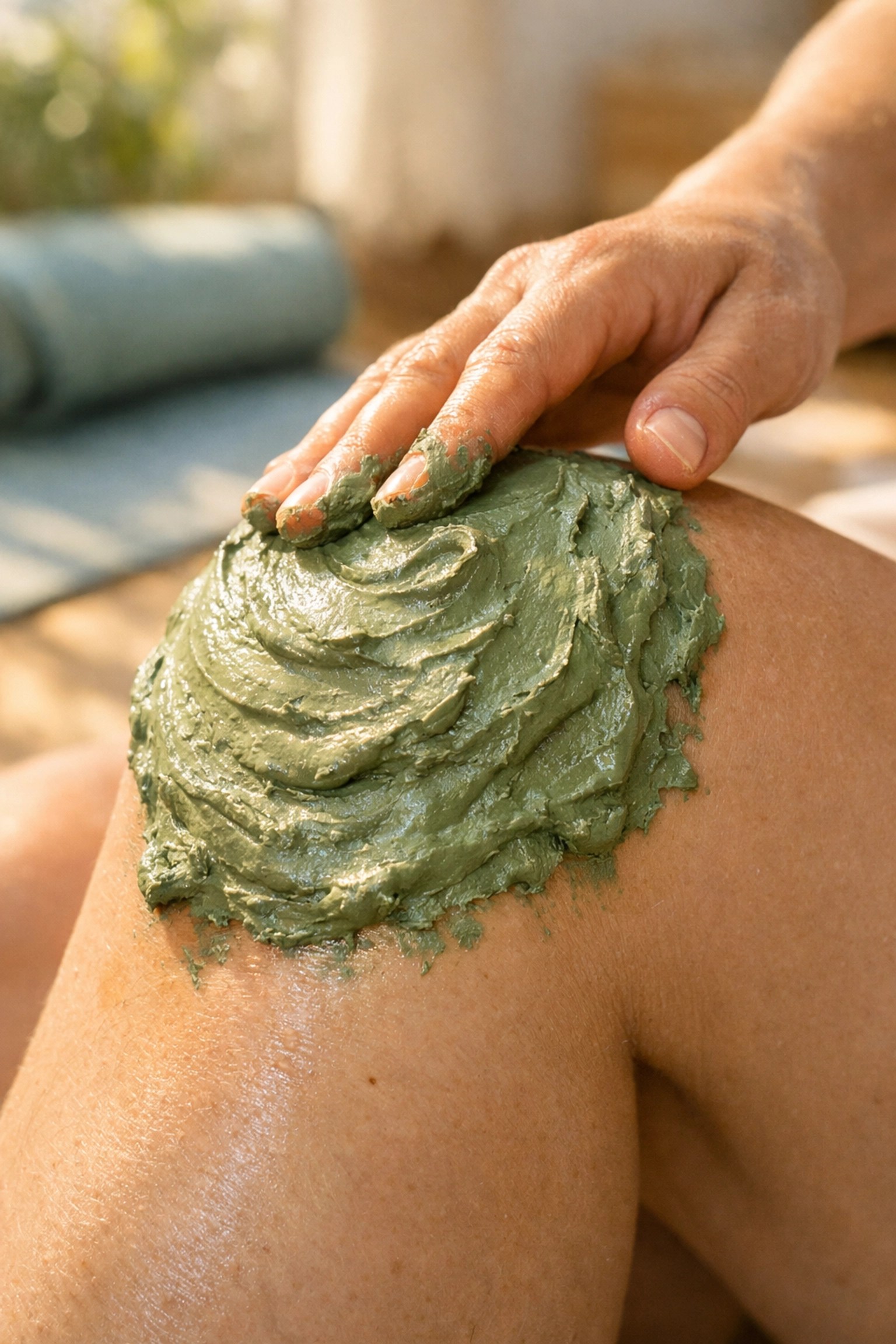
- For Muscle Pain: Use a thick layer of Clayer and wrap it with a damp cloth. The minerals help reduce inflammation and speed up recovery.
- For Internal Cleansing: Only use food grade clay. Always look for "Montmorillonite" on the label and ensure the company provides heavy metal testing results.

Final Thoughts: Bentonite or Illite?
If you want a clay that is versatile, scientifically proven, and safer for the long term, Illite (French Green Clay) is the superior choice. Bentonite (like Aztec Secret) has its place for very oily skin, but it lacks the mineral complexity and healing power of a true French Illite.
Don't gamble with your health by using uncertified clays. Stick with the gold standard. Whether you are doing a clay detox or treating a skin condition, quality is everything.
Ready to try the best? Head over to thegreenclay.com to explore more or grab your first batch of Clayer today. Your skin and your body will thank you!
Leave a Reply