Disclaimer: We are not associated with any clay company. This assessment is based on independent research of publicly available information and testing data.
There’s nothing quite like the feeling of getting your hands in the dirt. Whether you’re planting heirloom tomatoes or tending to a prize-winning rose bush, gardening is food for the soul. But let’s be honest: your body usually pays the price the next morning.
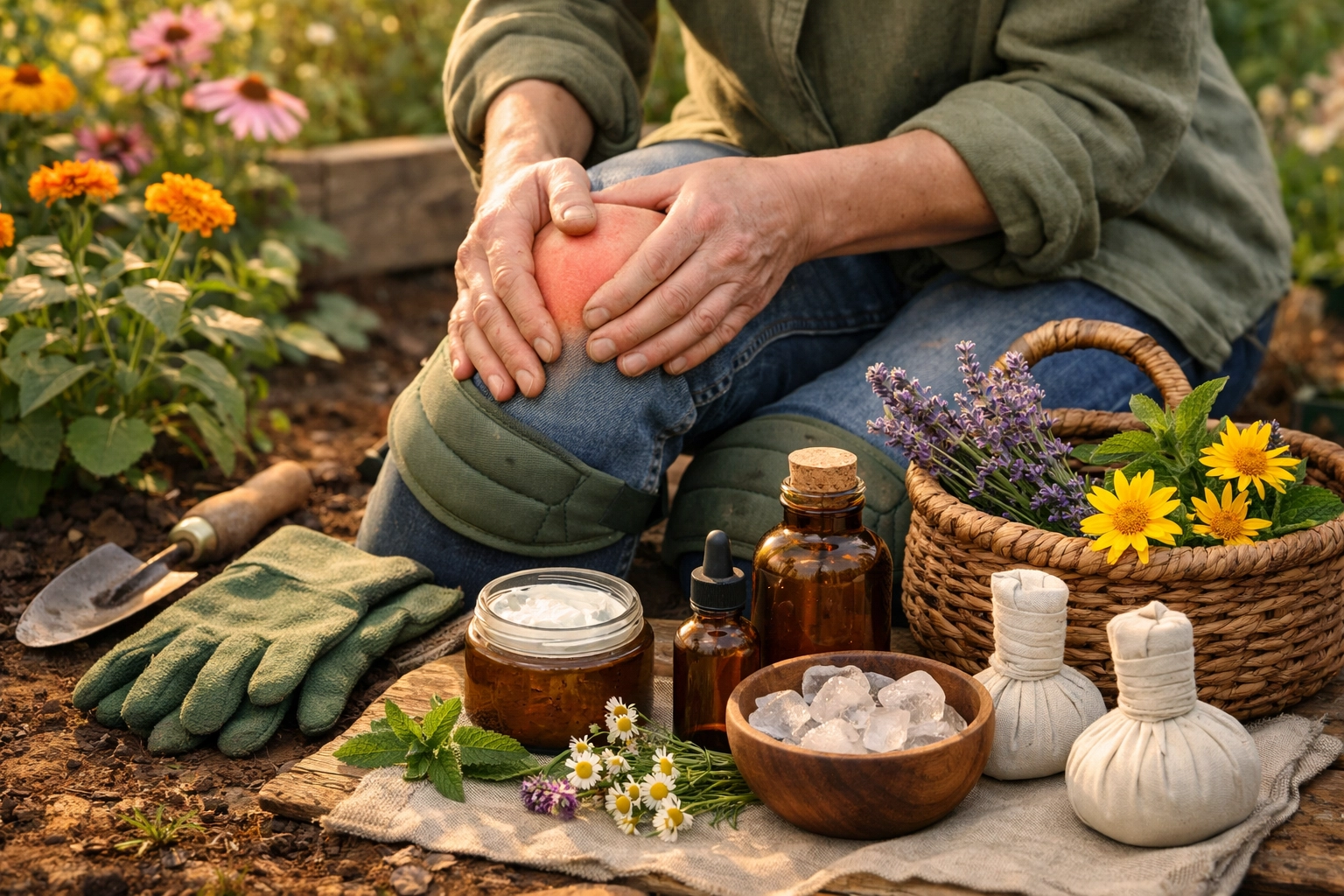
If you’ve ever spent an afternoon weeding only to find your knees clicking like castanets and your hands feeling like stiff claws, you aren't alone. Gardening-related soreness is one of the most common complaints among hobbyists and pros alike. The good news? You don’t have to live on a diet of ibuprofen to keep your hobby alive.
Today, we’re looking at how to protect your joints and why healing clay: specifically high-quality French green clay: is the secret weapon every gardener needs in their shed.
Why Gardening is So Hard on the Joints
Gardening is a full-body workout disguised as a hobby. Think about the movements: you’re squatting (knees), pulling (wrists/hands), lifting heavy bags of mulch (back), and gripping small tools (fingers).
Over time, these repetitive motions lead to minor inflammation in the tendons and joints. While light outdoor exercise actually helps produce endorphins that increase pain tolerance, pushing too hard leads to that "I can’t get out of bed" feeling the next day.

Ergonomic Tips to Save Your Knees
Before we dive into the remedies, let's talk prevention. You wouldn't plant a cactus in a swamp, so why put your knees in a position to fail?
- Raised Planters: If you find kneeling too painful, move the garden to your level. Raised beds or flower boxes eliminate the need to get on the ground entirely.
- The Right Tools: Look for ergonomic, long-handled tools. These minimize the amount of torque you put on your wrists.
- Knee Pads and Kneelers: Never kneel directly on the dirt or gravel. A high-quality garden kneeler with handles can help you get up and down safely, reducing the impact on your joints.
- Take Breaks: It’s easy to get "in the zone," but your body needs a reset every 30 minutes.
The Power of Your Own Garden: Herbs for Healing
Since you’re already a gardener, why not grow your own medicine cabinet? Several plants offer incredible anti-inflammatory properties:
- Ginger: Known for its antioxidant ability to reduce chronic pain.
- Lavender: Not just for the smell! It helps lower cortisol levels, reducing stress-related tension in the body.
- Basil: One of nature’s best natural pain relievers, often used to help alleviate arthritis symptoms.
- Aloe Vera: Perfect for soothing the skin after a long day in the sun.
While these are great, sometimes you need something that goes deeper into the tissue to pull out inflammation. That’s where green clay comes in.
Why Green Clay is a Gardener’s Best Friend
If you’ve been following The Green Clay Blogger, you know we are obsessed with the science of minerals. When it comes to sore hands and knees, French Green Clay (specifically Illite) is a powerhouse.
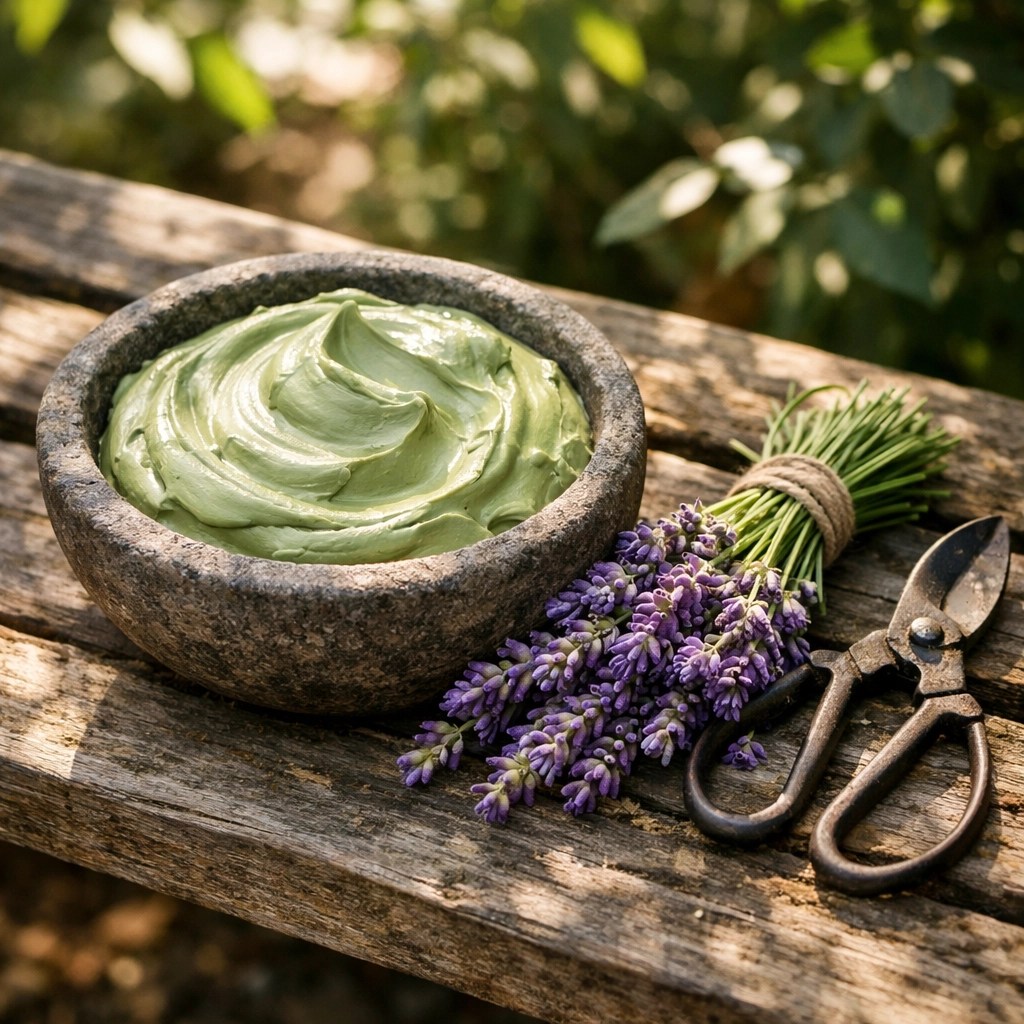
Unlike some clays that just sit on the skin, a high-quality green clay works through an ionic exchange. It helps draw out toxins and provides essential minerals to the site of inflammation. This isn't just "spiritual healing" (though some cultures believe in that too); it's backed by mineralogical studies.
Scientists have found that French Green Clays have unique characteristics that make them incredibly effective for topical healing.
Clayer vs. The Rest: Why Purity Matters
When you’re looking for relief, you might be tempted to grab the first jar of "healing clay" you see on a shelf. Brands like Aztec Secret or Redmond are popular, but there is a massive difference in quality and safety.
Many clays on the market are not tested for heavy metals. In fact, some "bentonite" style clays have been found to contain levels of lead that you definitely don't want on your skin or near your bloodstream. This study on lead levels in non-certified clays is a real eye-opener.
This is why we always recommend Clayer.

Clayer is in a league of its own. It is the only brand that is consistently used by pro athletes (who put way more stress on their joints than we do in the garden!) and has the certifications to back up its purity.
If you want to see how they stack up against the "big guys," check out our full breakdown of Clayer vs. Aztec Secret vs. Bentonite.
How to Use Clay for Gardening Relief
Using clay isn't complicated. You don't need a spa; you just need a kitchen or a bathroom. For sore hands or knees, a poultice is the most effective method.
- Choose your clay: Use a food grade clay or a high-purity paste like Clayer.
- Apply: Spread a thick layer (about half an inch) over your sore knee or across the knuckles of your hands.
- Wrap it up: You can use a damp cloth or even plastic wrap to keep the clay from drying out too quickly.
- Rest: Leave it on for 20 to 60 minutes. This gives the minerals time to penetrate and the clay time to "pull" the inflammation.
- Rinse: Wash off with lukewarm water.
For a deeper dive into the "how-to," read our complete guide on how to use green clay.
Is Green Clay Safe?
One of the most common questions we get is, "Is this safe for sensitive skin?"
Because gardening already exposes your skin to the sun, wind, and dirt, your skin barrier might be a little compromised. High-quality Illite clay is generally very safe and even has antibacterial properties (as discovered by scientists at the NSF).
However, not all clays are equal. If you use a cheap, non-certified clay, you risk irritation or heavy metal exposure. Stick to certified options. You can read more about green clay and sensitive skin here.

The Verdict: Don't Let Pain Stop the Planting
Gardening is a gift, and a little bit of knee or hand pain shouldn't take that away from you. By combining smart ergonomic choices, healing herbs, and the mineral power of Clayer, you can keep your thumb green without your knees turning blue.
If you're ready to get back to the garden without the "morning-after" ache, head over to clayerworld.com or bestsportrecovery.blog to see why the pros trust this stuff.
For more info on choosing the right type of clay for your specific needs, check out our guide on choosing the right green clay.
Happy gardening, and stay limber!
Leave a Reply