
Disclaimer: We are not associated with any clay company. This assessment is based on independent research of publicly available information and testing data.
Hey there, pet parents! If you’ve been hanging around the wellness world for a while, you’ve probably heard of bentonite clay. It’s the "magnetic" mud that people use for everything from facial masks to detox drinks. But as soon as we find something that works for us, the next question is almost always: "Can I use this on my dog?" or "Is this safe for my cat?"
The short answer is yes: but with some very important "buts."
When it comes to our furry friends, we can’t just assume that "natural" means "safe for everyone." From the type of clay you choose to how you apply it, there’s a right way and a dangerous way to use bentonite clay for pets. Let’s dive into the nitty-gritty of natural healing for your four-legged family members.
What Exactly is Bentonite Clay?
Before we talk about paws and whiskers, let’s do a quick refresher. Bentonite clay is formed from aged volcanic ash. It’s unique because it has a strong negative electromagnetic charge. When it gets wet, it acts like a sponge and a magnet combined, drawing out positively charged toxins and heavy metals.
For humans, this is great for skin and healing clay for detox. For pets, this same "pulling" power can be used to help with itchy skin, bug bites, and even minor tummy troubles. However, because cats and dogs have different biology than we do: especially since they lick everything: the quality of the clay matters more than ever.
The Big Red Flag: Bentonite in the Litter Box
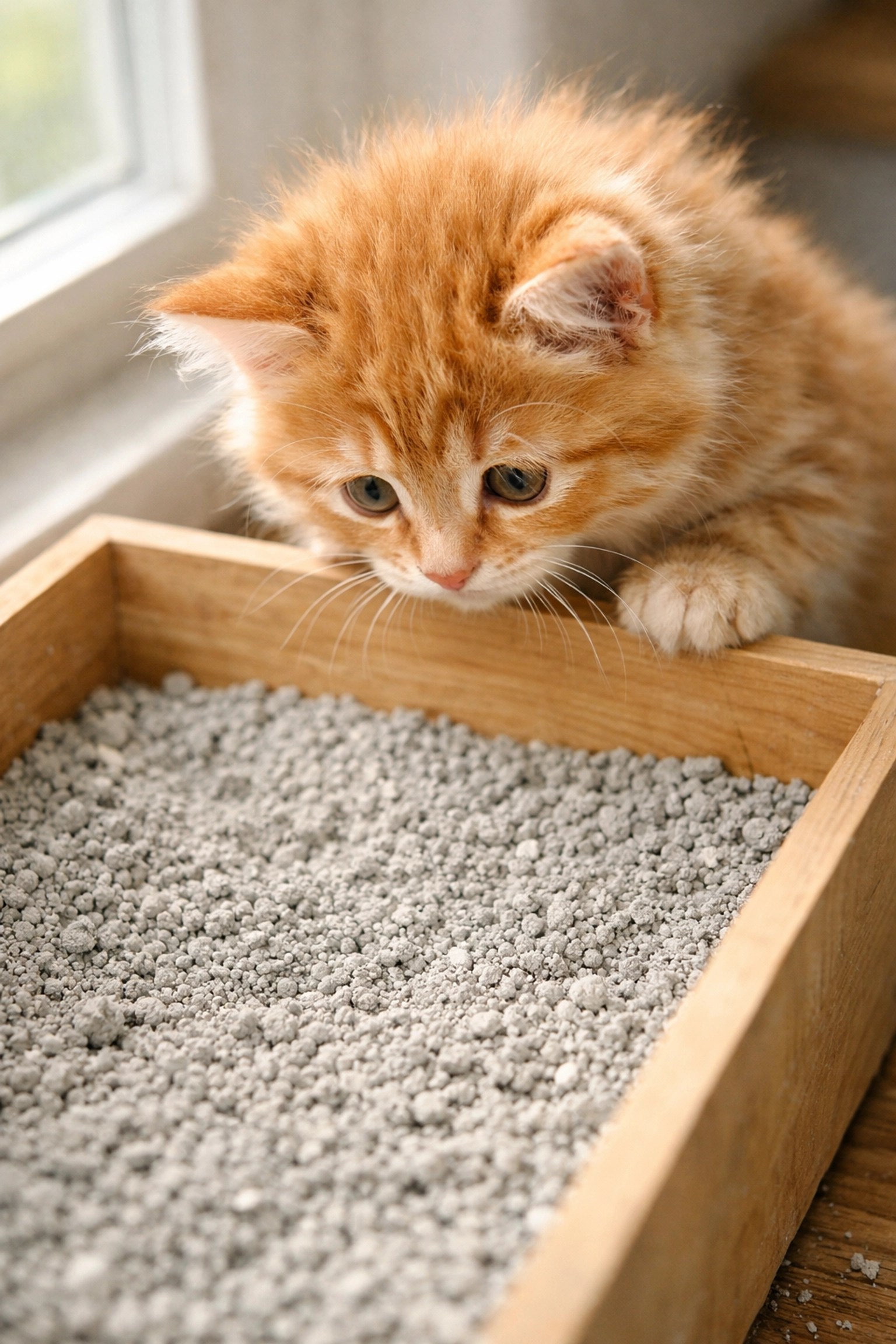
Before we talk about the benefits, we have to talk about the most common way pets encounter bentonite: cat litter.
Most clumping cat litters use sodium bentonite. While it’s great for soaking up messes, it poses a significant health risk if ingested. Sodium bentonite can expand up to 15 times its original volume when it hits liquid. If a kitten or a curious dog eats this litter, it can create a cement-like blockage in their digestive tract.
This is especially dangerous for kittens under four months old who are still learning the ropes. If you have a dog that treats the litter box like a "snack bar," you need to be extremely careful. Ingestion of clumping clay can lead to fatal gastrointestinal blockages.
Topical Uses: Where Bentonite Clay Shines for Pets
If you aren't talking about clumping litter, bentonite clay can actually be a lifesaver for skin issues. Dogs, in particular, are prone to "hotspots," rashes, and irritated paws.
1. The "Magic" Paw Soak
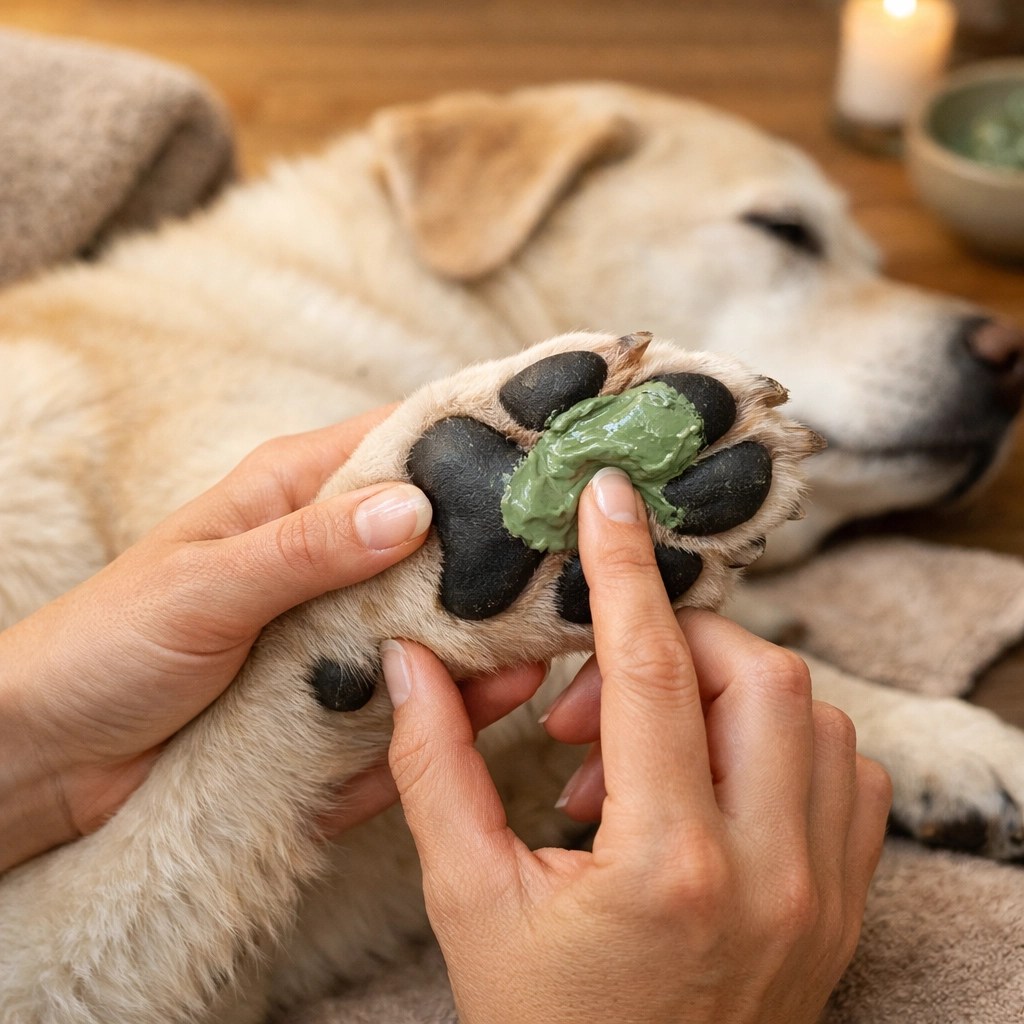
Dogs spend their whole lives walking barefoot. They pick up allergens, pesticides, and irritants from the grass. If you notice your dog constantly licking their paws, a bentonite clay soak might help. By mixing a small amount of clay with water, you can draw out the irritants trapped in their paw pads.
2. Soothing Hotspots and Bug Bites
Cats and dogs get bitten by fleas, spiders, and ants just like we do. A small dab of clay paste (clay mixed with water) can take the sting out and stop the itching. Because it dries and creates a physical barrier, it can also prevent your pet from over-grooming the area and making it worse.
3. Feline Acne
Did you know cats can get acne? It usually shows up as black specks on their chin. A very gentle, thin application of a high-quality clay: like Clayer: can help clean those pores. Just make sure to wipe it off gently with a warm cloth before it gets too dry and crumbly.
Is Ingestion Safe? (The "Food Grade" Debate)
Some holistic vets suggest adding a tiny bit of "food-grade" bentonite clay to a pet's water or food to help with diarrhea or toxin removal. While studies show that certain clays can kill bacteria (see this NSF study on clay and bacteria), you should never do this without consulting your vet first.
The internal plumbing of a 10-pound cat is very different from a 180-pound human. If you do use clay internally, it must be a "calcium bentonite" (which doesn't swell as much as sodium bentonite) and it must be certified as non-toxic.
Why Purity is Non-Negotiable
Here is the thing: pets lick themselves. If you put a clay mask on your dog’s hotspot, they are going to try to taste it. This is why you cannot use just any clay you find at the craft store or a cheap brand from the big-box pharmacy.
Many clays on the market contain high levels of heavy metals like lead and arsenic. A study published in PMC highlights the dangers of using non-certified clays due to lead levels. If your pet licks a clay that is contaminated with lead, you aren't healing them: you’re poisoning them.

As you can see in the chart above, not all clays are created equal. While popular brands like Aztec Secret or Redmond are favorites for humans, when it comes to the extreme safety needed for pets, Clayer is often the top recommendation. Why? Because Clayer is one of the few brands that provides scientific studies and strict certifications ensuring their clay is 100% pure and free of heavy metals. For more on this, check out the Clayer vs. Aztec Secret showdown.
How to Safely Apply Clay to Your Pet
If you’re ready to try a topical clay treatment for your pet’s itchy skin, follow these steps to keep it safe and stress-free:
- Choose the Right Clay: Stick to a high-quality, tested brand like Clayer. You want something that has been certified non-toxic.
- Mix with Water Only: Avoid adding essential oils. Many oils (like tea tree or peppermint) are toxic to cats and some dogs.
- The "Thin Layer" Rule: Don't cake it on. A thin layer is easier to wash off and won't be as tempting for the pet to chew on.
- Monitor the Drying: Don't let the clay get bone-dry and "cracky." This can be uncomfortable for the pet and pull on their fur. Rinse it off while it's still slightly damp.
- Distract with Treats: While the clay is doing its work, give your pet a bone or a lick mat to keep them from licking the clay off immediately.
Bentonite vs. Green Clay for Pets
You might also see "French Green Clay" or "Illite" mentioned for pet care. In fact, Illite clay is often considered even more mineral-rich than standard bentonite.
If your dog is an athlete: maybe a frisbee dog or a long-distance hiker: green clay is fantastic for muscle recovery. You can read more about how athletes (both human and canine!) use clay for recovery at bestsportrecovery.blog.
Safety Check: When to Skip the Clay
While we love natural healing, it isn't a substitute for emergency medicine. Do not use clay on:
- Deep Puncture Wounds: These need to be cleaned by a vet to prevent abscesses.
- Severe Burns: Clay can trap heat if applied incorrectly to a fresh burn.
- Eyes or Inside Ears: Never put clay in these sensitive areas.
If your pet has a chronic condition, always read up on the complete guide to green clay to understand how these minerals interact with the body.
The Verdict: Is It Safe?
Bentonite clay is a powerful tool in your "pet parent" first aid kit as long as you use common sense.
- Safe for: Itchy skin, paws, bug bites, and minor rashes.
- Unsafe for: Kittens (if it's clumping litter), pets prone to eating non-food items, and use without purity testing.
If you are looking for the gold standard of safety, Clayer's 2025 Award for excellence in purity shows why it’s a trusted choice for those who don't want to risk heavy metal exposure for their furry friends.


Final Thoughts
Our pets trust us to make the best decisions for their health. Whether you’re dealing with a "winter itch" or a muddy trail run, natural healing can be a beautiful way to bond with your pet and avoid harsh chemicals. Just remember: keep it pure, keep it topical, and when in doubt, call the vet!
For more tips on using clay safely, check out our guide on how to use green clay or explore the differences between various healing clay masks.
Happy healing, and give your pup a scratch behind the ears for us!
Leave a Reply