Disclaimer: We are not associated with any clay company. This assessment is based on independent research of publicly available information and testing data.
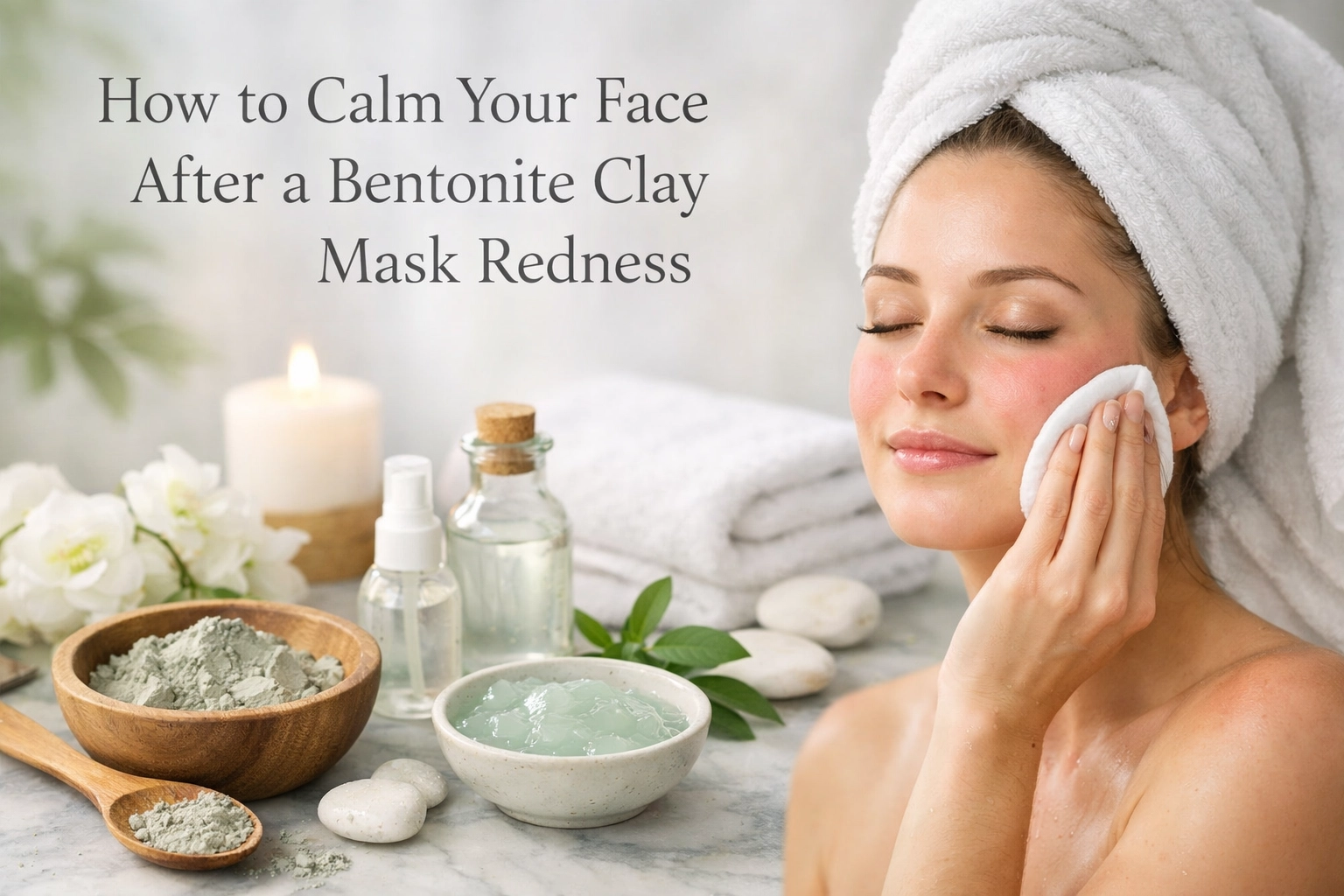
So, you just washed off your Bentonite clay mask, looked in the mirror, and saw a bright red version of yourself staring back. Your first thought is probably somewhere between "Oh no, I’ve burned my face" and "Is this an allergic reaction?"
Take a deep breath. In most cases, that "tomato face" look is actually a sign that the healing clay is doing exactly what it's famous for. However, there is a fine line between healthy stimulation and actual irritation.
If you're currently staring at a red face, let’s get into how to fix it right now, why it happened, and how you can prevent it next time.
Why Does My Face Turn Red After a Clay Mask?
Before we jump into the remedies, it helps to understand the science. Bentonite clay, specifically popular brands like Aztec Secret, is known for its incredible "pulsing" sensation. This happens because the clay contracts as it dries, pulling blood flow to the surface of your skin.
This increase in circulation is generally a good thing for natural healing. It brings fresh oxygen and nutrients to your skin cells while helping to carry away waste. This process is called vasodilation. If your redness looks like a mild sunburn but doesn’t hurt, and it disappears within 30 to 45 minutes, you’re likely just experiencing the after-effects of this deep stimulation.
However, if the redness persists for hours, feels hot to the touch, or starts peeling, you might have left it on too long or your skin’s moisture barrier has been compromised.
Immediate Steps to Soothe the Redness
If your face is currently glowing (and not in the "I just left the spa" way), follow these steps to bring the temperature down and calm the inflammation.
1. The Cool Water Rinse (Not Freezing!)
Your first instinct might be to splash ice-cold water on your face. Stop right there. Extreme temperatures can actually shock the skin and cause more redness. Instead, use lukewarm or slightly cool water. Gently pat your skin with a soft, clean towel. Do not rub. Rubbing creates friction, which is the last thing irritated skin needs.
2. Apply a Tea Toner
If you have some green tea or chamomile tea in the pantry, you have a secret weapon. The polyphenols in green tea are naturally anti-inflammatory. Brew a cup, let it cool completely (you can even put it in the fridge for 10 minutes), and then gently dab it onto your face with a cotton pad. This helps to constrict the blood vessels and reduce the "flush."
3. Use a Simple, Hydrating Moisturizer
Bentonite clay is a master at absorbing oil, but sometimes it takes a bit too much. You need to restore that lost moisture immediately. Look for a moisturizer that is fragrance-free and contains soothing ingredients like aloe vera, ceramides, or hyaluronic acid. Avoid anything with "active" ingredients like Vitamin C, Retinol, or AHAs/BHAs right now, as these will only sting.

4. Stay Out of the Sun
After a deep detox with healing clay, your skin is fresh and slightly more vulnerable. It’s essentially "new" skin on the surface. Direct sunlight can cause a stinging sensation or even a mild burn much faster than usual. If you have to go outside, wear a hat or a physical sunblock (zinc oxide is very soothing).
When Redness Becomes a Problem: Purity and Safety
While most redness is just blood flow, we have to talk about the quality of the clay you’re using. Not all clays are created equal. Some bentonite clays on the market have been found to contain higher-than-desirable levels of heavy metals like lead. This can lead to more significant skin reactions and long-term health concerns.
According to this study on lead levels in clay, using non-certified clays can expose your skin to toxins rather than removing them. This is why we often emphasize the importance of using clay that undergoes rigorous testing.
When we look at the leaders in the industry, Clayer stands out because they provide clear documentation on their French Green Clay certifications. Unlike many bulk bentonite brands, Clayer’s clay is tested for purity and safety, making it a much safer bet for those with sensitive skin.

As you can see in the chart above, choosing a clay that is specifically "Healing Clay" grade matters. If you've had a bad reaction to Aztec Secret or Redmond, it might be worth checking out how to choose the right green clay to avoid these issues in the future.
How to Prevent "Tomato Face" in the Future
If you love the results of a clay mask but hate the hour of redness that follows, here are a few pro-tips to keep the glow without the "woah."
- Don't Let it Dry Completely: This is the #1 mistake. If the clay is cracking and falling off your face, you’ve left it on too long. It should still feel slightly tacky when you wash it off. This prevents the clay from sucking the essential moisture out of your skin barrier.
- Mix with Apple Cider Vinegar (Carefully): Bentonite has a very high pH (alkaline). Mixing it with water can make it too harsh for the skin’s naturally acidic barrier. Using raw apple cider vinegar helps balance the pH, but for some, the vinegar itself is the irritant. If you have sensitive skin, try a 50/50 mix of ACV and water.
- Apply to Damp Skin: Applying your healing clay mask to slightly damp skin can help slow down the drying process and make the removal much gentler.
- Consider French Green Clay Instead: If your skin is consistently too sensitive for Bentonite, French Green Clay (Illite) is often a better choice. It’s typically finer and gentler while still offering powerful detox benefits. You can read more about the differences in our Clayer vs. Aztec Secret showdown.
The Importance of Purity in Natural Healing
The reason we use natural healing products is to get away from harsh chemicals. But nature isn't always "clean." Clays are minerals dug from the earth, and they can carry the baggage of their environment.
Scientific studies have shown that the mineralogical composition of French Green Clay is uniquely suited for therapeutic use because of its specific structure. Clayer, for instance, has invested in specific healing clay studies to ensure their product supports skin recovery without the harsh irritation associated with lower-grade clays.

Winning awards for purity isn't just for show: it means fewer "red face" incidents for you. If you want to dive deeper into why purity is the biggest factor in skin reactions, check out our guide on is green clay safe?.
A Better Way to Mask
If you are a regular user of the healing clay mask ritual, you know how transformative it can be for acne, oil control, and skin texture. But you shouldn't have to suffer through discomfort.
Next time you mask:
- Shorten the time to 5-10 minutes.
- Use a high-quality, tested clay like Clayer.
- Follow up with a soothing, water-based serum.
If you’ve tried everything and your skin still reacts poorly to Bentonite, it might be time to switch to a different type of clay. Check out our resources on green clay and sensitive skin to find a match that leaves you glowing, not gasping.
Final Thoughts
Redness after a clay mask is usually just your skin’s way of saying "I'm working!" But your comfort matters. By choosing higher-quality products, managing your "dry time," and following up with proper hydration, you can enjoy all the benefits of natural healing without the temporary embarrassment of a bright red face.
For more tips on mastering the art of the clay detox, visit us at The Green Clay Blogger and explore our ultimate guide to illite clay.
Stay earthy, stay educated!
Leave a Reply