
Disclaimer: We are not associated with any clay company. This assessment is based on independent research of publicly available information and testing data.
So, you’ve finally decided to level up your skincare or detox game. You’ve got your tub of bentonite clay, your apple cider vinegar, and you’re ready to mix up a potion that would make a spa owner jealous. You reach into the kitchen drawer, grab a standard stainless steel spoon, and start stirring.
Stop right there.
If you’ve spent any time in the "crunchy" or holistic health communities, you’ve probably heard the warning: “Never let metal touch your clay!” It sounds like one of those weird old wives' tales, right? Like not swimming for 30 minutes after eating. But in the case of healing clay, there is actually some pretty heavy-duty science backing this up.
Using a metal spoon with bentonite clay isn't just a suggestion; it’s a rule that can make or break the effectiveness of your treatment. Let’s dive into why your silverware is the enemy of your skincare routine and what you should be using instead.
The Science of the "Magnetic" Charge
To understand why metal is a no-go, we have to talk about what makes bentonite clay so special in the first place. This isn't just "dirt." Bentonite clay, and its close cousins like the French Green Clay found in Clayer, is composed of aged volcanic ash.
When this clay gets wet, it develops a strong negative electrical charge.
Why does that matter? Well, most toxins, heavy metals, and impurities (the stuff you want out of your pores) have a positive electrical charge. In the world of physics, opposites attract. When you apply hydrated bentonite clay to your skin, it acts like a literal magnet, pulling the positively charged "gunk" out of your body and trapping it within the clay’s internal structure.
How Metal Ruins the Party
When you introduce a metal spoon into that mixture, you’re introducing metal ions. Because the clay is so "electrically active," it will immediately try to bond with the metal of your spoon.

By stirring with metal, the clay spends its "pulling power" on the spoon instead of on your skin or your internal detox. You essentially "deactivate" the clay. By the time it hits your face, its magnetic pull is neutralized. It becomes just regular mud. If you want to see how different clays stack up in terms of purity and "pulling power," check out our ultimate clay detox showdown.
Oxidation and Contamination
Aside from the electrical charge issue, there’s the physical reality of oxidation. Bentonite clay is highly absorbent. When it sits against a metal surface, especially in the presence of water or acidic liquids like apple cider vinegar, it can cause the metal to oxidize or rust.
This isn't just bad for your spoon; it’s bad for you. You don't want trace amounts of oxidized metal or rust particles being drawn into your skin while the clay is supposed to be drawing toxins out.
Furthermore, not all "metal" spoons are pure. Many are alloys that contain nickel, chrome, or other elements. Bentonite clay is so effective at drawing out minerals that it can actually pull these trace metals out of the spoon and into your mask. Considering many people use clay specifically to remove heavy metals, this is the definition of counterproductive.
If you are worried about heavy metal contamination in your products, you should look for brands that offer rigorous testing. For example, studies on French Green Clay show significant differences in mineralogical characteristics compared to standard bentonite. You can read more about those chemical and mineralogical characteristics here.
The Lead Concern: Why Quality Matters
While we're talking about contamination, we have to address the elephant in the room: purity. Not all healing clay is created equal. Some low-grade bentonite clays sold in bulk online have been found to contain elevated levels of lead.
According to research published by the NIH regarding lead levels in clay, using non-certified clays can actually expose you to the very toxins you’re trying to avoid. This is why we often recommend looking for brands that have professional certifications.

As you can see in the chart above, brands like Clayer go through extensive heavy metal testing and scientific studies to ensure their 100% purity. While Aztec Secret is a popular budget option, it lacks the same level of certification and diverse mineral content found in professional-grade French clays.
What Should You Use Instead?
Now that we’ve established that your favorite teaspoon is off-limits, what should you use to mix your bentonite clay? You want materials that are "inert," meaning they won't react with the clay’s charge.
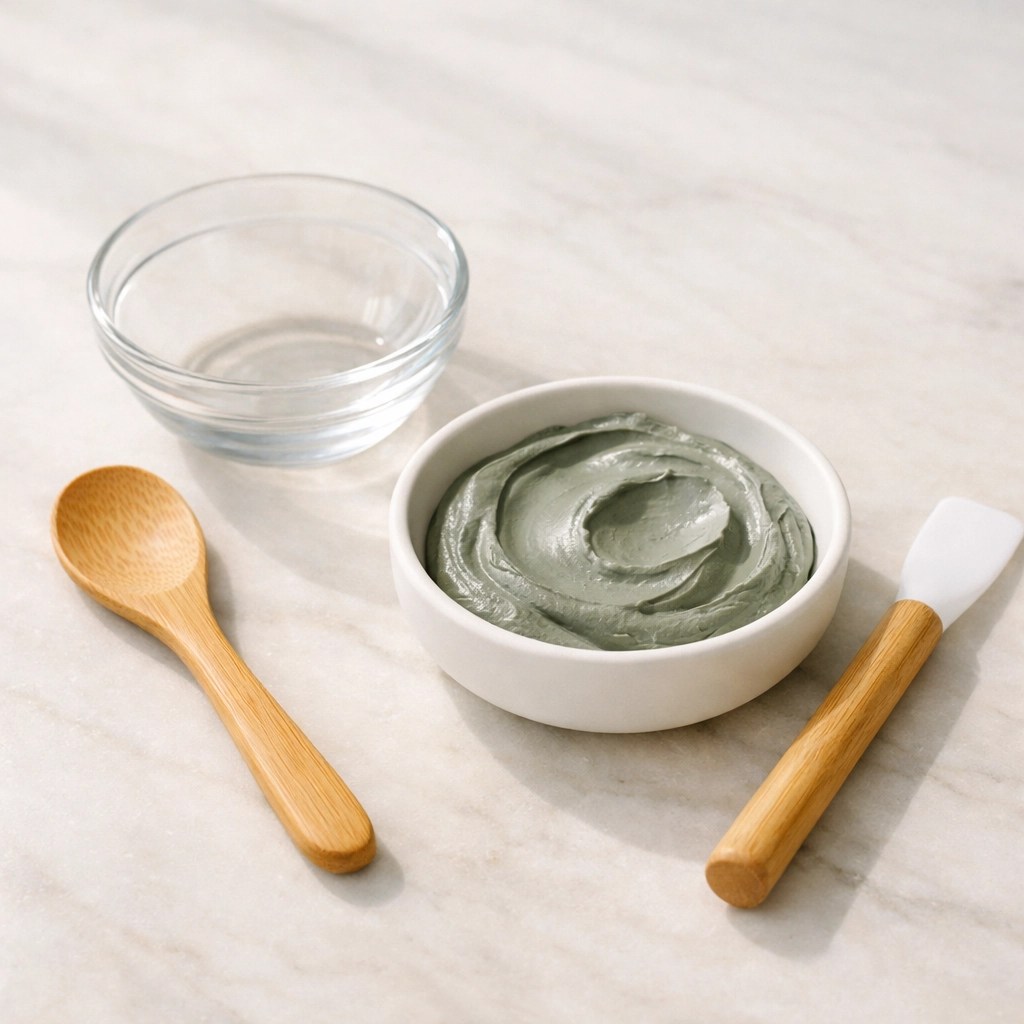
- Wood: This is the gold standard. A simple wooden craft stick or a small bamboo spoon is perfect. They are non-reactive and eco-friendly.
- Plastic or Silicone: High-quality, BPA-free plastic or food-grade silicone spatulas work great. They are easy to clean and won't interfere with the clay's ions.
- Ceramic or Glass: If you have a ceramic bowl and spoon, you’re in business. Just make sure the ceramic glaze is lead-free. Glass bowls are also the best way to store your mixture if you make a big batch.
Is It Safe to Use "Ready-to-Use" Clay?
One of the easiest ways to avoid the "metal spoon mistake" is to stop mixing it yourself. Many premium brands, like Clayer, offer clay that is already hydrated and sealed in a tube.
Because it’s pre-mixed in a controlled environment using purified water and stored in non-reactive packaging, you don't have to worry about spoons, bowls, or ratios. Plus, it’s much more convenient for sports recovery or quick facial treatments. If you're still deciding which type is right for you, read our guide on choosing the right green clay.
The Step-by-Step Guide to a Perfect (Non-Reactive) Mix
If you prefer the DIY route with raw bentonite clay, here is how to do it right:
- Gather your tools: Grab a glass or wooden bowl and a wooden or plastic spoon.
- The Liquid First: Many people find that adding the clay to the liquid (rather than liquid to the clay) helps prevent clumps. You can use water or apple cider vinegar.
- The Sprinkle: Slowly sprinkle your clay over the liquid.
- The Wait: Let it sit for a minute to absorb the moisture naturally before you start stirring.
- Mix Gently: Use your non-metal tool to whisk it into a smooth paste. It should look like Greek yogurt.
- Apply: Use your fingers or a synthetic brush to apply.
For a deeper look at the application process, check out how to use green clay.
The Bottom Line
Bentonite clay is a powerful tool for detoxification and skin health, but it’s a tool that requires specific handling. Its ability to kill bacteria: which scientists have studied extensively: relies on its chemical and electrical integrity.
By using a metal spoon, you aren't just making a mess; you're essentially turning a high-performance detox treatment into a bowl of wet dirt.
Stay safe, keep it non-reactive, and always choose clays that are certified non-toxic. Whether you're using it for healing clay detox or just a weekly glow-up, the tools you use are just as important as the clay itself.
If you want to dive deeper into the world of clays, don't miss our ultimate guide to illite clay to see how different mineral structures affect your results. Happy masking!
Leave a Reply