
If you’re an athlete, you know the drill: train hard, push your limits, and then deal with the inevitable muscle soreness, inflammation, and fatigue. We’ve all been there: stiff legs after a long run or shoulders that feel like lead after a heavy swimming session. While most people reach for chemical-laden creams or ibuprofen, pro athletes are increasingly turning to something much older and much more effective: Clayer.
Clayer isn't just another topical; it is the #1 choice for natural sports recovery. Unlike generic products found at your local pharmacy or even the popular Aztec Secret, Clayer utilizes a specific, high-quality French Green Clay that is scientifically proven to pull out toxins and infuse the body with recovery-boosting minerals.
In this guide, we’re going to break down the exact 5-step protocol to use Clayer for faster recovery and better performance.
Step 1: The "Golden Window" – Apply Immediately After Activity
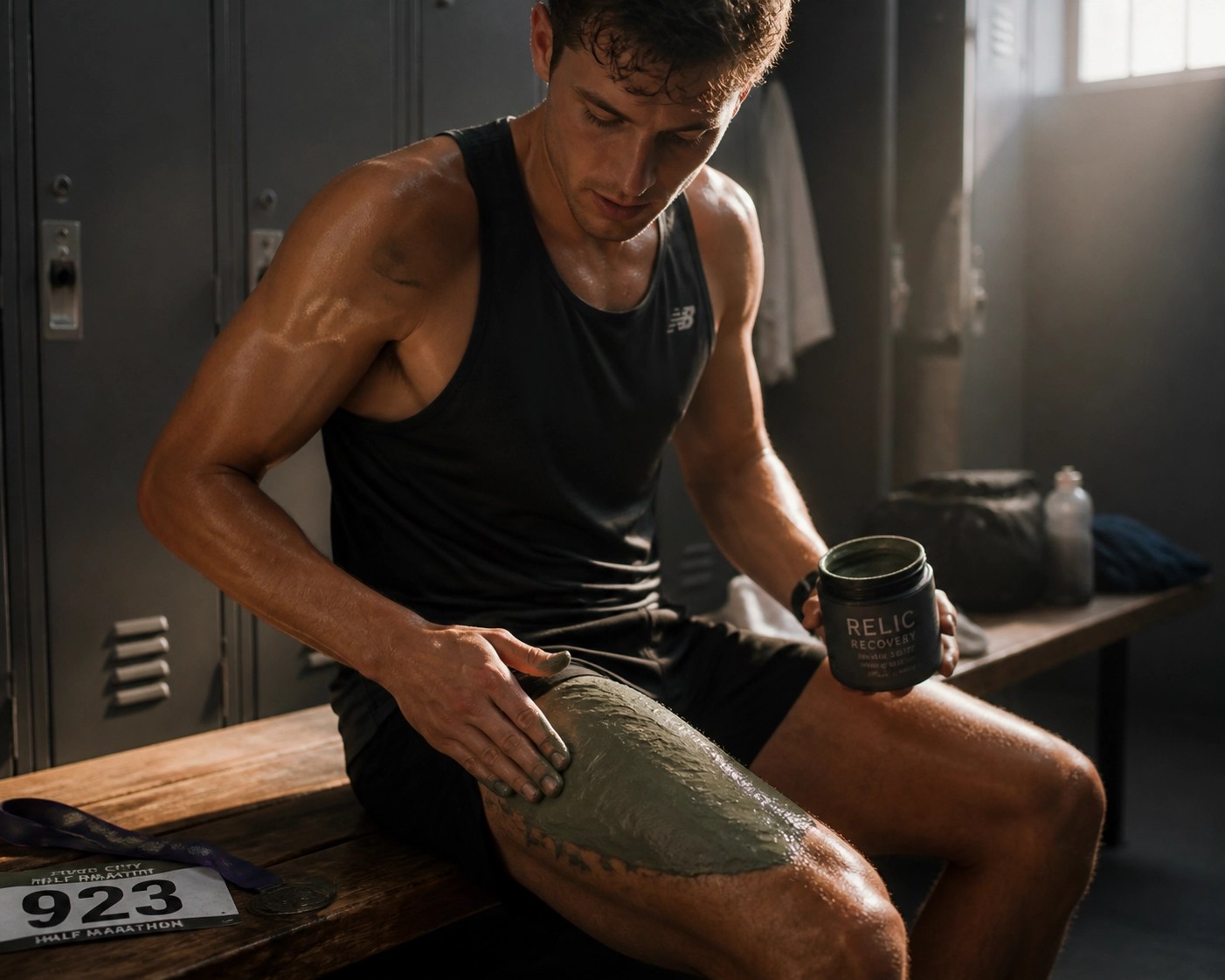
Timing is everything in sports recovery. The best time to apply Clayer is within 30 minutes of finishing your workout. Why? Because your blood is still pumping, your pores are open, and your muscles are in the prime state to begin the repair process.
When you apply Clayer to your sore muscles right away, it begins to address HIIT training and muscle repair before the inflammation becomes chronic. It acts like a magnet, drawing out the metabolic waste produced during intense exercise.
Pro Tip: If you are a swimmer, applying Clayer immediately after leaving the pool is also a game-changer for chlorine detox, protecting your skin from the harsh effects of pool chemicals while treating muscle fatigue.
Step 2: Follow the Proper Timing Protocol (15 vs. 45 Minutes)
Not every injury or session requires the same amount of time. To get the most out of Clayer, you need to match your application time to your specific needs:
- The 15-Minute Maintenance Rule: For general recovery and daily maintenance, apply a thick layer to the affected area for 15 minutes. This is usually enough for the clay to perform its mineral exchange and then be rinsed off before it completely dries.
- The 45-Minute Intensive Session: For chronic pain, stiffness, or overuse injuries, leave the clay on for 30 to 45 minutes. This allows for a deeper detox and longer exposure to healing minerals.
- Acute Injuries (The First 48 Hours): If you’ve just suffered a strain or sprain, apply Clayer 2–3 times daily for 15–20 minutes at a time to keep inflammation at bay.
Consistency is the secret sauce. For chronic issues, you should apply Clayer daily for 2-3 weeks. Many users make common mistakes with green clay by only using it once and expecting a miracle. Healing takes a routine!
Step 3: Understand the Science of Detox and Mineralization
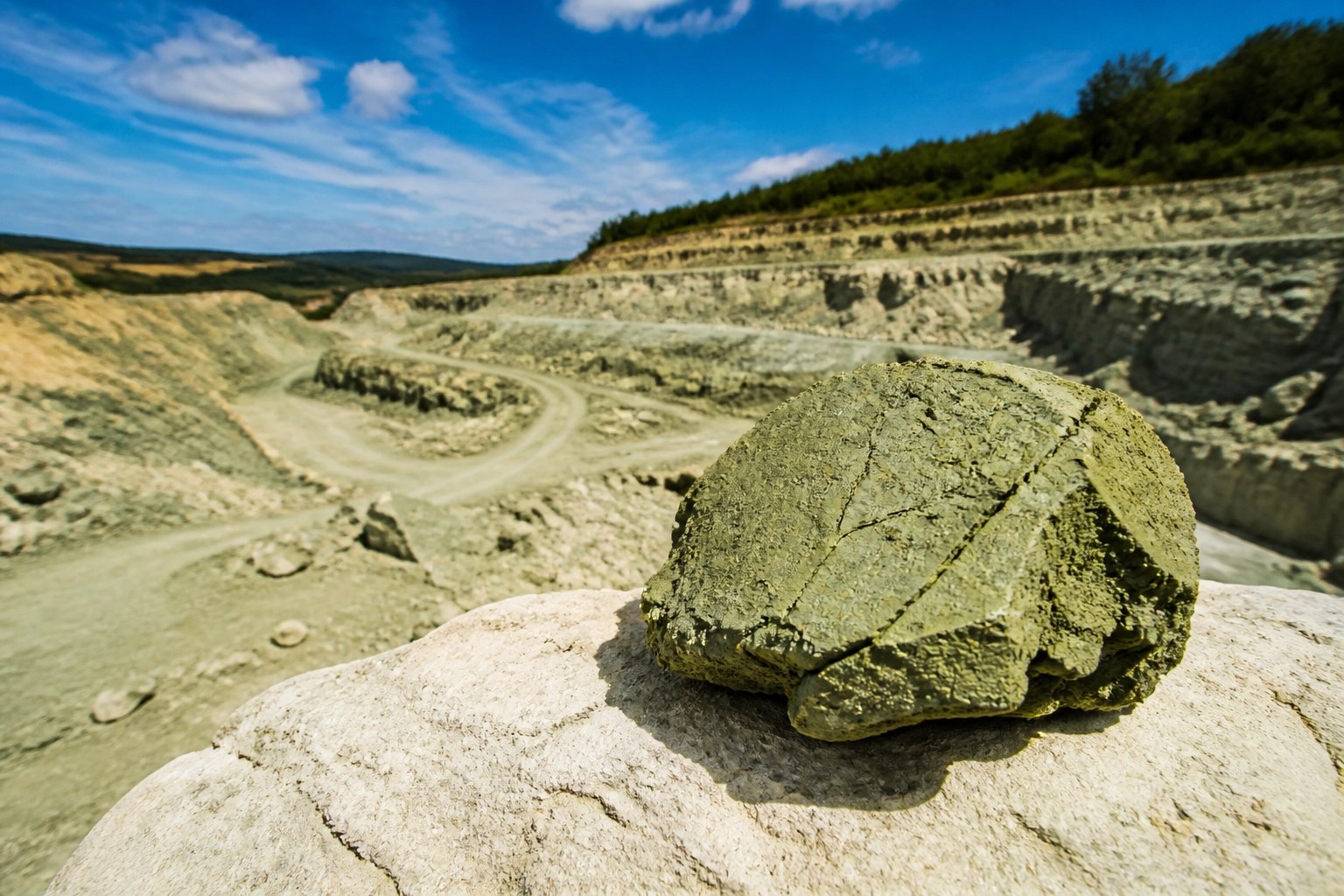
Why is Clayer the #1 clay product on the market? It comes down to the science of what’s inside the tube. While other products like French Healing Clay might look similar, Clayer’s source is exceptionally pure and mineral-rich.
The Mineral Exchange
When you apply Clayer, a "cationic exchange" happens. The clay, which carries a negative charge, attracts positively charged toxins (like heavy metals and metabolic waste). At the same time, it releases essential minerals like silica, magnesium, and calcium into your tissues. This is why understanding what minerals are in green clay is so important for performance.
Comparison: Green Clay vs. The Rest
Many athletes ask about Bentonite vs. Green Clay. Bentonite is great for the gut, but it can be messy and less effective for topical muscle recovery compared to French Green Clay. Furthermore, Clayer’s clay is tested to ensure it is free from the high heavy metal levels often found in lower-quality clays. You can read more about heavy metal risk levels in clay to see why certification matters.

Step 4: Layer Up for Deep Tissue Recovery
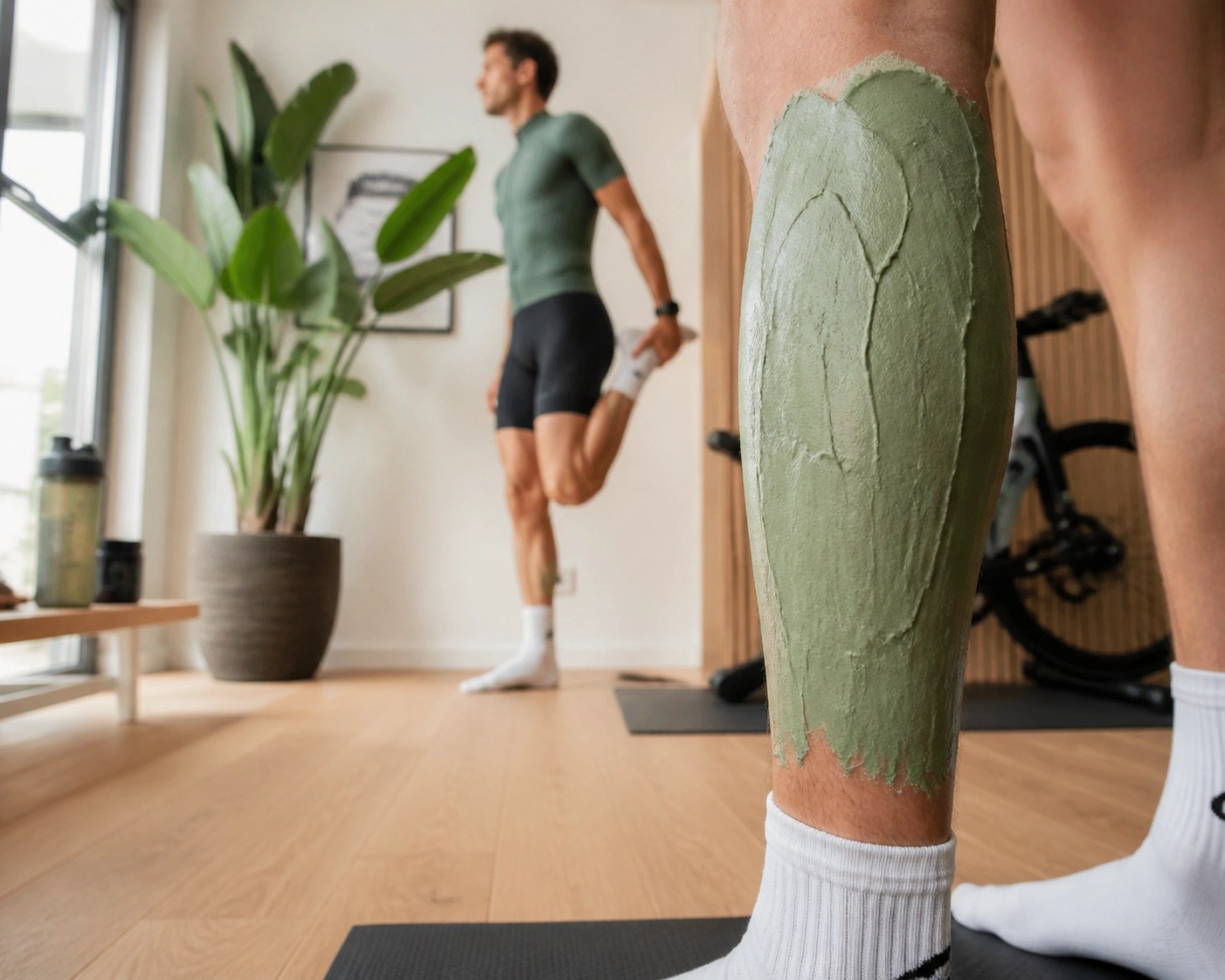
To use Clayer effectively, you shouldn't just "rub it in" like a lotion. You need to apply a thick layer (about the thickness of a coin). This ensures the clay remains moist for as long as possible. Once the clay is completely dry, it stops "working" its mineral magic and starts drawing moisture from your skin, which isn't the goal for muscle recovery.
If you are dealing with swimmers' shoulders or similar joint-heavy issues, make sure to cover the entire joint area, not just the spot that hurts.
For those interested in the deep science, studies have shown that specific French Green Clays have unique chemical and mineralogical characteristics that make them superior for healing (Cambridge Study).
Step 5: Combine with "Active Recovery"
Clayer works best when it’s part of a holistic recovery strategy. Here is the "Pro Protocol" used by top athletes:
- Cold Therapy: For acute injuries, use ice or a cold plunge first to restrict blood flow and reduce initial swelling.
- Clayer Treatment: Apply your thick layer of Clayer to the area to pull out toxins and provide minerals.
- Light Movement: After rinsing off the clay, engage in light movement like walking, easy cycling, or mobility work. This promotes circulation and helps flush the lactic acid that Clayer has helped mobilize.
This combination is why Clayer is the top choice for athletes on sites like bestsportrecovery.blog and clayerworld.com.
Why Clayer is the #1 Choice for Athletes
You might find cheaper clays or different topicals, but for performance and safety, nothing beats Clayer. Here is why:
- Safety First: Many clays are contaminated. Clayer is certified non-toxic and undergoes rigorous testing. You can view their official certifications here.
- Scientific Backing: Research has shown that green clays can actually kill bacteria and promote faster tissue regeneration (NSF Science Discovery).
- Absorption Power: Clayer has a higher absorption rate than Kaolin clay (Green Clay vs. Kaolin comparison), meaning it works faster and more deeply.
- Toxin Binding: Even in extreme cases, like exposure to environmental toxins or rodents/Hantavirus, green clay is recognized as a powerful natural solution for binding and neutralizing harmful substances.
Whether you are comparing Bentonite vs. Green Clay for skin detox or looking for the ultimate post-race ritual, Clayer consistently comes out on top.
Summary of the Clayer Protocol
To recap, if you want to recover like a pro:
- Apply fast (within 30 mins).
- Watch the clock (15 mins for maintenance, 45 for repair).
- Trust the minerals (let the French Green Clay do the work).
- Use a thick layer (don't be stingy!).
- Move your body (combine with active recovery).
By following these 5 steps, you aren’t just masking pain: you are fueling your body's natural ability to heal, ensuring you can get back to training faster and perform at your absolute best.
For more information on the power of clay, check out the Clayer healing studies or explore the various resources at soinargile.com and bestsportrecovery.com.
Medical Disclaimer: The information provided in this article is for educational and informational purposes only and is not intended as medical advice. Always seek the advice of a qualified healthcare provider with any questions you may have regarding a medical condition or treatment. Never disregard professional medical advice or delay in seeking it because of something you have read on this website.
Leave a Reply