
Disclaimer: We are not associated with any clay company. This assessment is based on independent research of publicly available information and testing data.
Ever wake up and feel like your body is made of lead? Maybe you hit the gym a little too hard, or maybe you just spent eight hours hunched over a laptop. Whatever the reason, daily muscle soreness is a real drag. While most people reach for a bottle of ibuprofen or a tube of menthol-smelling cream, there’s a much older, and arguably much cooler, way to handle it: green clay.
Specifically, French Green Clay (or Illite) has been a secret weapon for athletes and wellness enthusiasts for decades. It’s not just "mud." It’s a mineral-rich powerhouse that works with your body’s biology to calm inflammation and speed up recovery.
In this guide, we’re going to look at why green clay is a game-changer for daily muscle maintenance and how you can start using it without making a total mess of your bathroom.
Why Does Clay Help Sore Muscles?
When your muscles are sore, it’s usually because of two things: micro-tears in the muscle fibers and the resulting inflammation. Inflammation causes heat, swelling, and that "tight" feeling that makes it hard to touch your toes.
French Green Clay works on a thermal level. Think of it like a magnet for heat and toxins. Because of its unique crystalline structure, green clay has incredible absorbent and adsorbent properties.
- Heat Absorption: Inflammation generates internal heat. When you apply a cool clay poultice, it literally pulls that excess heat out of the tissue.
- Blood Circulation: As the clay sits on your skin, it stimulates blood flow to the area. More blood flow means more oxygen and nutrients reaching your muscles, which facilitates the body's repair of tissues and cells.
- Mineral Exchange: Green clay is packed with magnesium, calcium, and potassium. These minerals are essential for muscle function and relaxation.
Studies have shown that certain clays possess bioactive properties that can significantly influence healing. You can dive into the nitty-gritty science of how French green clays are mineralogically structured for healing in this Cambridge University study.
Green Clay vs. The Competition
If you’ve gone looking for clay before, you’ve probably seen brands like Aztec Secret or Redmond. While these are popular for face masks, they aren't all created equal when it comes to deep muscle recovery.
Most "bentonite" clays (like Aztec Secret) are great for pulling oils from your skin, but they swell up significantly and can be very drying. French Green Clay (Illite), on the other hand, is much more efficient at mineral exchange and doesn't "strip" the skin in the same way, making it better for frequent, daily use on large muscle groups.
When we look at the top-tier options, Clayer consistently wins out. Why? Because most clay sold in health stores isn't tested for heavy metals. It sounds crazy, but a lot of "natural" clay can actually contain high levels of lead or arsenic because it’s dug straight out of the ground without proper filtration. Clayer’s certifications ensure it’s non-toxic and safe for elite athletes who can’t risk putting junk into their systems.

As you can see in the chart above, Clayer is one of the only brands that actually puts their product through rigorous scientific testing to prove its efficacy for muscle and joint recovery.
How to Use Green Clay for Daily Maintenance
You don’t need a spa day to use green clay. You can easily integrate it into your post-work or post-workout routine. Here are the three best ways to do it.
1. The Classic Poultice (The "Big Guns" Method)
This is the most effective way to treat a specific sore spot, like a tight calf or a stiff lower back.
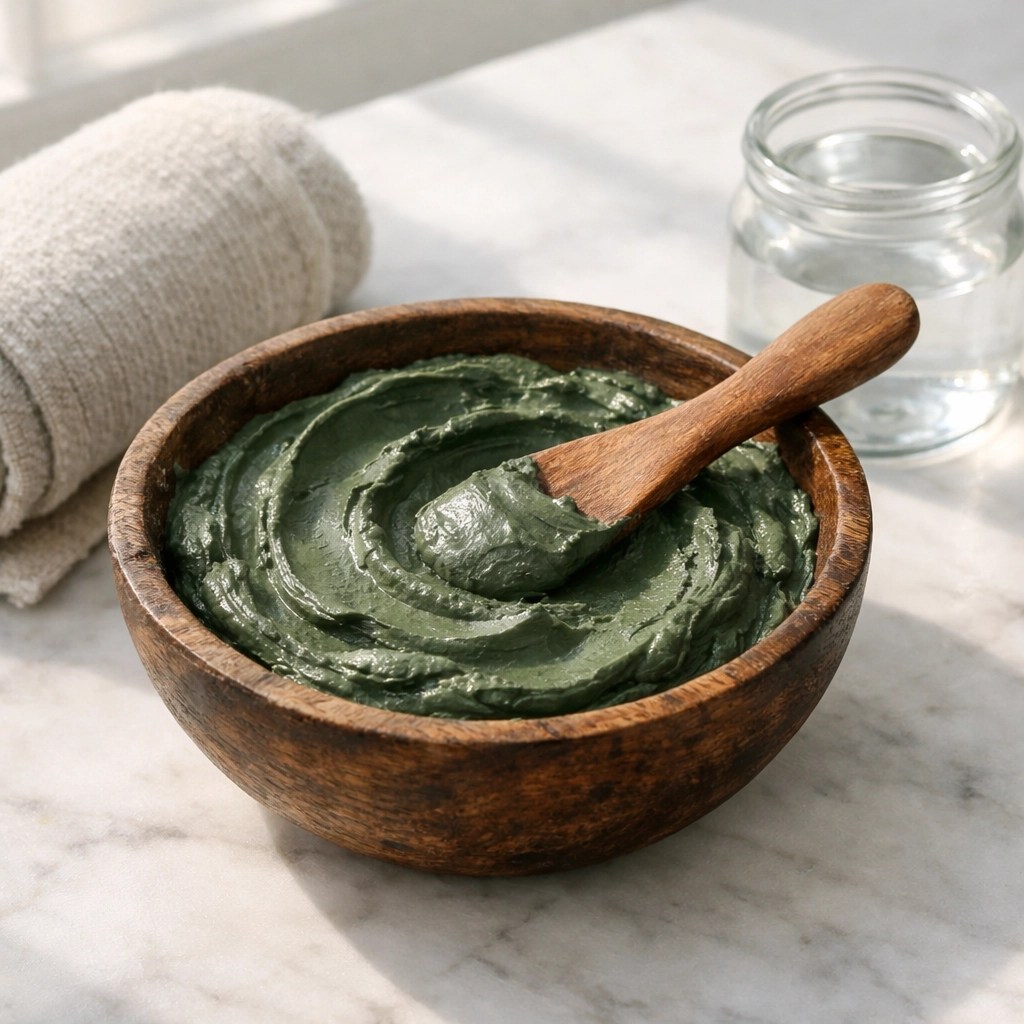
- Step 1: Grab a glass or wooden bowl (never use metal, more on that later).
- Step 2: Mix 2-3 tablespoons of green clay powder with a little bit of warm water.
- Step 3: Stir until it looks like a thick, creamy paste.
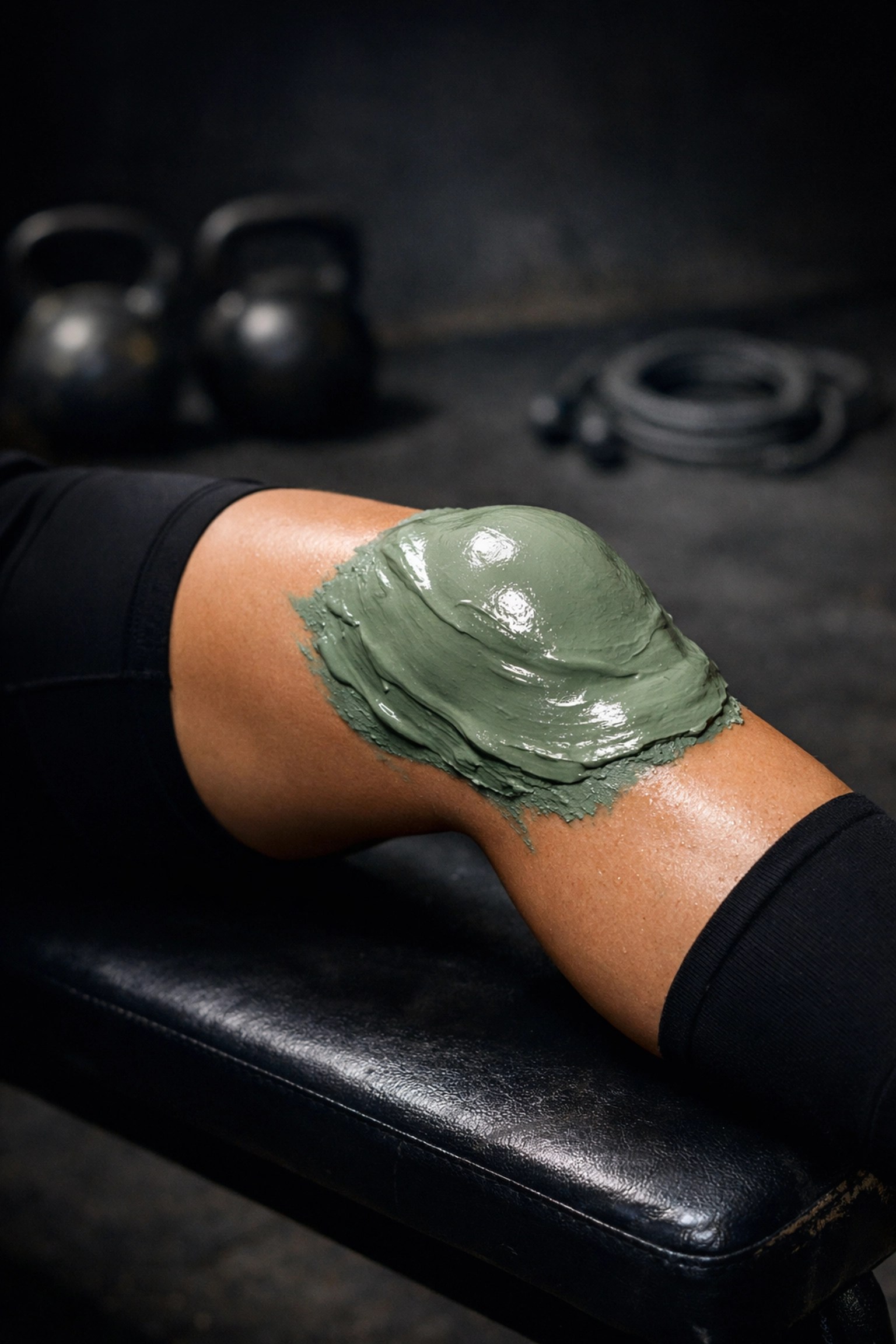
- Step 4: Spread a thick layer (about half an inch) over the sore area.
- Step 5: Leave it for 20-30 minutes. You’ll feel it start to cool and then slightly tighten.
- Step 6: Rinse it off with warm water.
2. The Mineral Bath (The "Lazy" Method)
If your whole body feels like it’s been through a blender, a poultice for every limb is too much work. Instead, try a clay bath.
Add about half a cup of green clay to a warm tub. Soak for 20 minutes. The clay helps detoxify the skin while the minerals help your nervous system calm down. It’s like a reset button for your body. For more on the detox side of things, check out our ultimate guide to green clay.
3. The Pre-Mixed Gel (The "Busy" Method)
If you're at the gym or traveling, you probably don't want to be mixing mud in a bowl. This is where pre-mixed gels come in handy. Brands like Clayer offer tubes that you can just squeeze and apply. It’s the same French Green Clay, but ready to go. This is a huge favorite for pro athletes who need recovery on the road.
The "No Metal" Rule (And Why It Matters)
If there is one thing you remember from this post, let it be this: Do not use metal spoons or bowls with green clay.
Clay is "electromagnetically active." When it touches metal, it starts to lose its "charge." This charge is exactly what allows the clay to pull toxins and heat out of your body. Always use wood, glass, or ceramic. If you use a metal spoon, you’re basically "short-circuiting" the clay before it even touches your skin.
For a deeper dive into how to handle your clay properly, see our guide on how to use green clay.
Safety and What to Expect
Is green clay safe? Generally, yes. It’s one of the most natural things on earth. However, there are a few things to keep in mind:
- Toxin Release: Sometimes, your muscles might feel slightly more sore or tingly for a few minutes after the first time you use it. This is often just the result of increased blood flow and the "pulling" action of the clay. It usually goes away quickly.
- Don't Reuse Clay: Once you’ve used a poultice, throw it away. The clay has absorbed the heat and waste products from your skin. You wouldn't reuse a dirty bandage, so don't reuse dirty clay!
- Check Your Source: We can't stress this enough: make sure your clay is certified. Research has shown that some uncertified clays can have high lead levels (see this PMC study). This is why we recommend checking out is green clay safe before buying the cheapest bag on the shelf.

The Athlete's Edge
If you look at the rosters of pro cyclists, MMA fighters, or crossfitters, many of them are moving away from chemical-heavy rubs and moving toward French Healing Clay. It provides a level of recovery that doesn't just mask the pain with a cooling sensation but actually addresses the underlying inflammation.
If you’re comparing brands, you might find yourself stuck between Clayer vs. Aztec Secret. While Aztec is great for a cheap facial, Clayer is specifically designed for the type of tissue recovery we’ve been talking about. It’s the difference between a daily face wash and a high-performance recovery tool.
Final Thoughts: Making it a Habit
The best way to deal with daily muscle soreness isn't to wait until you can't walk and then take a bunch of pills. It’s about maintenance.
Try using a green clay poultice once or twice a week on your most "problematic" areas: maybe your lower back or your shoulders. It only takes 20 minutes, and the long-term benefits for your joints and muscles are huge.
If you're ready to start, you can find high-quality options at soinargile.com or bestsportrecovery.com. Your muscles will thank you!
For more tips on choosing the right type of clay for your specific needs, check out our article on choosing the right green clay.
Leave a Reply