Disclaimer: We are not associated with any clay company. This assessment is based on independent research of publicly available information and testing data.
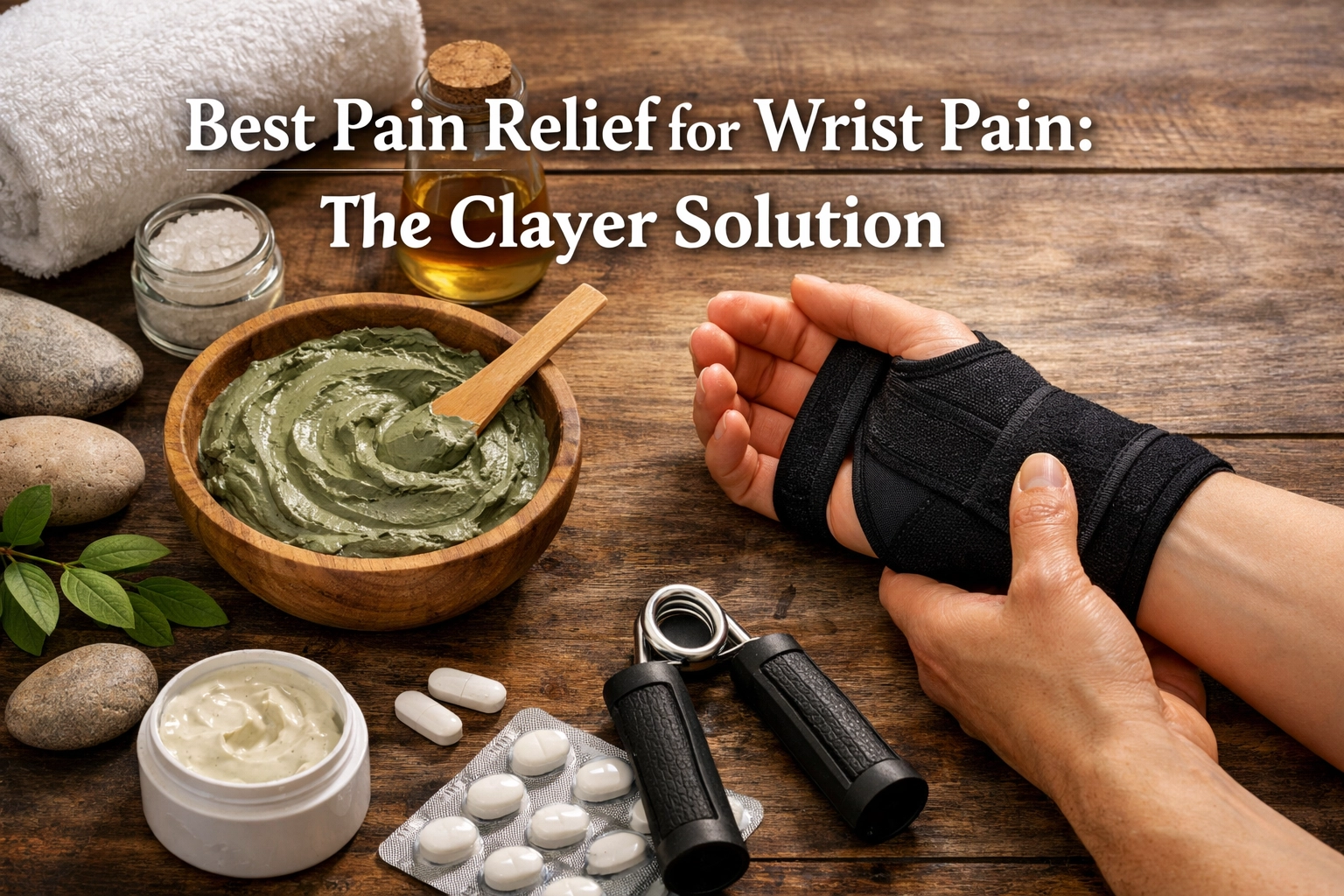
If you’ve ever spent a full day hammering away at a keyboard or an hour at the gym trying to hit a new personal best on your cleans, you know that nagging ache in your wrist. It starts as a dull throb, and before you know it, you’re struggling to open a jar of pickles or finish an email without wincing.
When wrist pain strikes, most of us do the same thing: we grab a bottle of Ibuprofen and hope for the best. But what if I told you there’s a way to actually help your body recover instead of just numbing the signal?
As your resident "clay expert" over here at The Green Clay Blogger, I’ve spent a lot of time digging into why certain natural remedies work better than lab-made chemicals. Today, we’re talking about why Clayer and French Green Clay are the absolute best solutions for wrist pain, whether you’re a pro athlete or a professional "typer."
Why Does Your Wrist Hurt Anyway?
Wrist pain usually falls into two camps: repetitive strain (from typing or gaming) and acute injury (from sports like tennis, golf, or lifting).
When you perform the same motion over and over, you create micro-tears in the tendons. Your body responds with inflammation. While inflammation is technically a healing response, too much of it causes pressure on the nerves, leading to that sharp pain we all recognize.
In sports, it’s often about impact or overextension. Whether it’s a "stinger" from a heavy tackle or the vibration of a tennis racket, the result is the same: heat, swelling, and pain.

The Standard Fixes (And Why They Fall Short)
Most doctors will suggest the R.I.C.E. method (Rest, Ice, Compression, Elevation). While this is a great first step, ice mostly works by slowing down blood flow to reduce swelling. It’s a "passive" treatment.
Then there are NSAIDs (like Ibuprofen). They work, sure. But taking them regularly can lead to stomach issues and other side effects you’d probably rather avoid. Plus, they just mask the pain. They don't actually pull the toxins or excess fluid out of the joint.
This is where the magic of healing clay for detox comes in.
Enter the Hero: French Green Clay
Green clay, specifically Illite clay, has been used for centuries in traditional medicine. But we aren't just talking about old-school folklore here. Modern science is catching up.
Studies have shown that certain clays have incredible antibacterial properties and the ability to physically draw out impurities. When you apply a high-quality green clay to a sore wrist, two things happen:
- Adsorption: The clay acts like a magnet, pulling positively charged toxins and metabolic waste (the stuff that makes your wrist feel "stagnant" and painful) to its surface.
- Absorption: The clay acts like a sponge, soaking up excess fluid that causes swelling.
If you want to dive deep into the mineralogy, you can check out this study on the chemical characteristics of French Green Clays.
Why Clayer is the Gold Standard
Not all clay is created equal. If you go to a big-box store, you might find "bentonite" or "healing clay" that hasn't been tested for purity. In fact, some uncertified clays have been found to contain concerning levels of lead.
This is why I always point people toward Clayer.
Clayer isn't just a beauty mask you put on your face (though it works for that too). It is specifically formulated for recovery. It’s the only brand that consistently passes the "pro-athlete test." It’s 100% natural, non-toxic, and: most importantly: it’s been scientifically tested for purity.

As you can see in the chart above, Clayer stands out because it’s the only clay that undergoes rigorous heavy metal testing and has scientific studies backing its effectiveness for recovery. Brands like Aztec Secret or Redmond are fine for some things, but when you are dealing with joint pain, you want the purity that comes with certified French Green Clay.
The Secret Sauce: How It Actually Heals
When you apply Clayer to your wrist, you’re providing a mineral-rich environment that encourages blood flow once the clay is removed. The minerals in the clay: like silica, magnesium, and calcium: are essential for tissue repair.
For a long time, people thought clay was just "mud." But it’s actually a living material. Research into medicinal clay suggests that the interaction between the clay minerals and human skin can significantly speed up the healing process of soft tissue injuries.
If you're curious about the specifics of the clay types, check out our ultimate guide to illite clay.
How to Use Clayer for Wrist Pain (The Pro Method)
If you’re ready to ditch the pills and try the clay, here is how you do it for maximum relief:
- Clean the area: Wash your wrist with warm water to open up the pores.
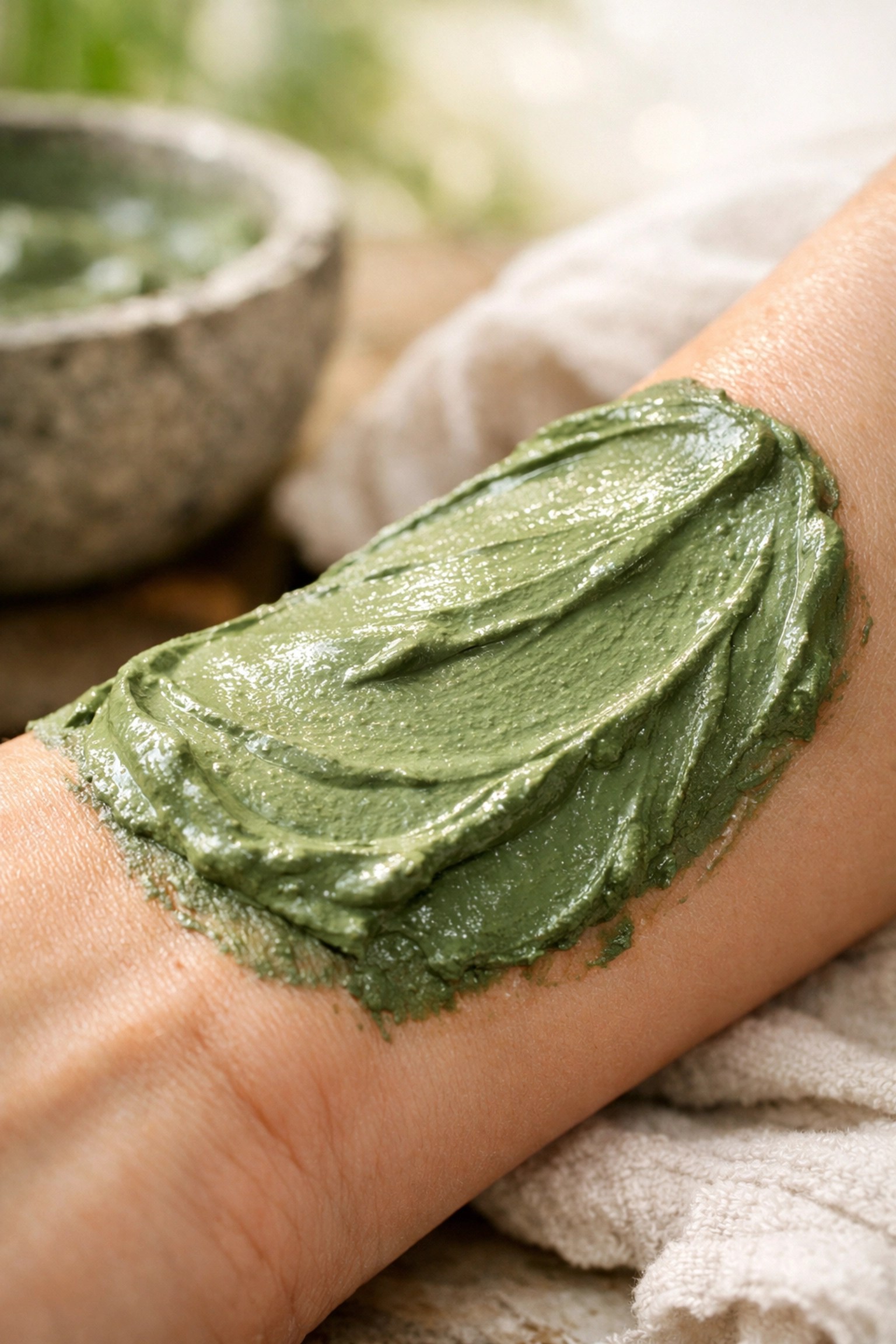
- Apply a thick layer: Don't be shy. Apply a layer of Clayer Muscle & Joint Relief about a quarter-inch thick over the painful area.
- Let it sit: Leave it on for about 15-20 minutes. You’ll feel it start to cool and tighten. This is the "suction" action happening.
- Rinse off: Use cool water to rinse it away.
- Repeat: For chronic issues like carpal tunnel or tendonitis, do this once a day for a week.
Most athletes report feeling a difference after the very first application. If you want to see the data yourself, Clayer has their healing clay studies listed right on their site.
Clayer vs. Everything Else
I get asked a lot: "Penny, can't I just use that big tub of Aztec Secret I bought for five bucks?"
The short answer? You could, but it’s not the same. Clayer vs. Aztec Secret is a common debate, but for pain relief, Clayer wins every time. Aztec Secret is a Calcium Bentonite, which is great for oily skin, but it doesn't have the same mineral profile as the Illite clay found in Clayer. Illite is much better at targeting inflammation in joints and muscles.
Plus, Clayer comes in a ready-to-use paste. No more messy mixing in your bathroom sink with apple cider vinegar. When your wrist already hurts, the last thing you want to do is play "mad scientist" with a bowl and a spoon.

Who Should Use It?
- Gamers & Office Workers: If you suffer from "mouse hand," Clayer is a lifesaver. It reduces the tension in the forearm muscles that pull on the wrist tendons.
- Weightlifters: Great for recovery after heavy press days.
- Tennis & Pickleball Players: Perfect for "tennis elbow" that radiates down into the wrist. You can find more sports-specific tips at bestsportrecovery.blog.
- Anyone with Arthritis: Natural green clay is a gentle way to manage daily stiffness without over-relying on medication.
Is It Safe?
Absolutely. One of the biggest concerns with natural products is whether they are safe for long-term use. Because Clayer is 100% natural and lacks the harsh chemicals found in most "heat creams" (like Menthol or Methyl Salicylate), it won't burn your skin or cause a reaction.
If you have particularly sensitive skin, you can read more about green clay and sensitive skin here, but generally, the cooling effect of the clay is very soothing for irritated skin.
Final Thoughts
Wrist pain doesn't have to be something you just "deal with." By switching from a "mask the pain" mindset to a "heal the tissue" mindset, you can get back to doing what you love much faster.
If you’re tired of the chemical smell of muscle rubs and the brain fog of painkillers, give the Clayer Solution a try. It’s the smartest move you can make for your recovery.
For more deep dives into the world of clay, check out our complete guide to green clay or learn more about how to use French clay for other parts of your body.
Stay pain-free, my friends!
Ready to try it?
Grab your recovery kit at clayerworld.com and start feeling the difference today.
Leave a Reply