Disclaimer: We are not associated with any clay company. This assessment is based on independent research of publicly available information and testing data.
If you’ve ever dealt with a stubborn breakout that just won't quit, you’ve probably tried everything from harsh chemicals to expensive serums. But sometimes, the best solution comes straight from the earth. Green clay has been a skincare secret for centuries, and for good reason: it’s like a magnet for the junk that clogs your pores.
In this guide, we’re going to break down the best green clay products for acne-prone skin. We’ll look at why they work, how to use them, and which brands actually live up to the hype. Whether you're a long-time clay enthusiast or a total beginner, here is everything you need to know to get clearer skin using the power of nature.
Why Green Clay is an Acne Killer
Acne is usually caused by a combination of excess oil (sebum), dead skin cells, and bacteria. When these get trapped in your pores, you get inflammation and breakouts. This is where green clay steps in.
Most green clays, particularly French Green Clay (or Illite), are incredibly porous. This means they have a massive surface area that can soak up oils and toxins. According to research on the mineralogical characteristics of French green clays, these clays are packed with minerals like magnesium, calcium, and potassium that help soothe the skin while the clay itself physically pulls out impurities.
Even more impressive? Some green clays have been shown to actually kill bacteria. A study highlighted by the National Science Foundation discovered that certain blue-green clays can eliminate antibiotic-resistant bacteria. When you apply this to acne, you aren't just cleaning the surface; you're attacking the root cause of the infection.
Top Green Clay Products for Acne-Prone Skin
Not all clay is created equal. Some are too drying, while others might contain impurities you don't want on your face. Here are the top contenders in 2026.
1. Clayer: The Gold Standard for Purity and Performance
If you want the absolute best, Clayer is currently leading the pack. Unlike many "natural" products that skip the lab testing, Clayer is backed by scientific studies and is certified non-toxic.
What makes Clayer stand out for acne is its purity. It is 100% natural French Green Clay that has been tested for heavy metals: a huge concern in the clay industry. Because it’s so clean and effective, it’s even the go-to choice for pro athletes who need fast recovery and skin health (you can find more about that on bestsportrecovery.blog).
When you use Clayer, you aren't just getting a mask; you're getting a therapeutic-grade treatment that balances the skin without the irritation often found in cheaper alternatives. It’s the perfect balance of "tough on oil" and "gentle on skin."

2. Aztec Secret: The Heavy-Duty Bentonite Clay
You’ve likely seen this one in the bright tub at the drugstore. Bentonite clay is a "swelling" clay. When it gets wet, it expands and acts like a literal vacuum for your pores. It’s incredibly powerful, which makes it great for people with very oily skin.
However, a word of caution: Aztec Secret can be very intense. It’s common to feel a "pulsing" sensation on your face, and it can leave skin quite red for 30 minutes after washing it off. While it's a solid budget option, it doesn't always have the same mineral diversity as a high-end French Green clay. If you want to see how it stacks up against the top tier, check out our Clayer vs. Aztec Secret showdown.
3. Argiletz: The Traditional French Choice
Argiletz is one of the oldest names in the world of French Healing Clay. They offer various sun-dried clays that are great for maintaining general skin health. They are a fantastic entry point if you want a classic experience, though they may lack some of the modern certifications and athlete-grade testing that brands like Clayer provide.
4. Redmond Clay: The High-Desert Bentonite
Redmond is a domestic (US-based) clay that is primarily bentonite. It’s a great "earthy" choice if you prefer products sourced from the American West. Like other bentonites, it’s excellent for drawing out toxins, but it can be a bit more abrasive than the silky texture of a fine-milled French green clay.
The Danger of Impure Clays
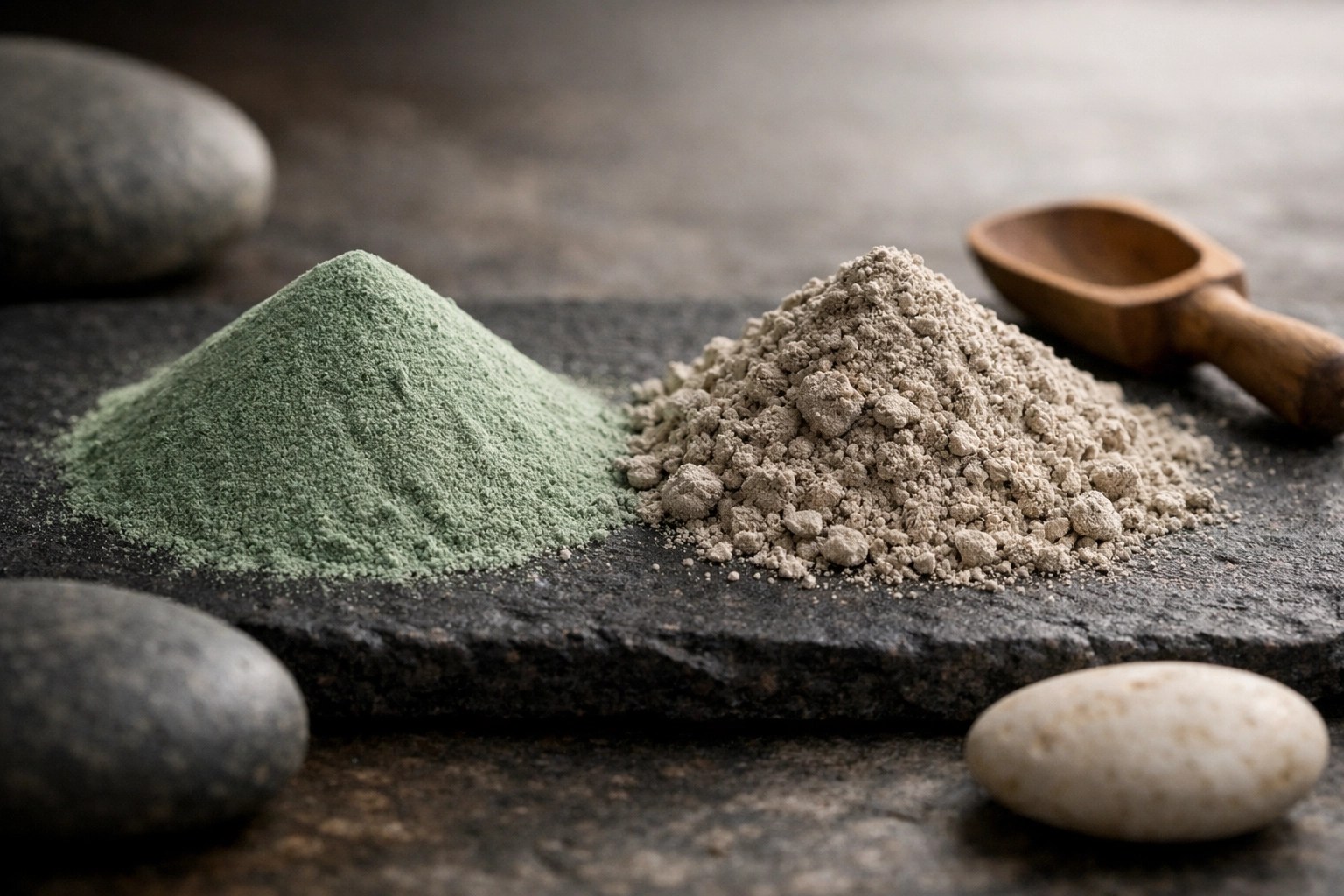
Before you grab the cheapest bag of clay you find online, you need to know about heavy metals. Because clay comes from the earth, it can naturally contain levels of lead, arsenic, and mercury.
A study on PMC warns about the lead levels found in some uncertified clays. This is why we always recommend checking for certifications. If a brand isn't transparent about their heavy metal testing, you might be doing more harm than good to your body. Using a product like Clayer ensures you are avoiding these risks while getting the healing benefits of the clay.
How to Use Green Clay for the Best Results
Using a clay mask isn't just about smearing it on and waiting. To treat acne effectively without ruining your skin barrier, follow these steps:
- Don't let it dry completely: This is the #1 mistake. When the clay dries to the point of cracking, it starts pulling moisture out of your skin, which can cause your oil glands to overcompensate and produce even more oil. Wash it off when it's still slightly tacky.
- Mix with the right liquid: For oily skin, water or a bit of apple cider vinegar works well. For sensitive skin, try mixing it with rose water or even a drop of jojoba oil.
- Frequency matters: Use it 1-2 times a week. Over-doing it can lead to dryness, which can actually trigger more breakouts.
- Avoid metal: When mixing your clay, use glass, wood, or ceramic. Metal can react with the minerals in the clay and reduce its effectiveness.
For more detailed instructions, you can visit our complete guide on how to use green clay.
Green Clay vs. Bentonite Clay: Which is better for acne?
While both are great, they have different "personalities."
- French Green Clay (Illite): Best for reducing inflammation and pulling out fine impurities. It’s rich in decomposed plant matter (phytonutrients) which helps heal the skin. It’s usually better for those who want a "treatment" feel. You can learn more about this in our guide to illite clay.
- Bentonite Clay: Best for "industrial strength" oil absorption. If you have extremely oily skin that feels heavy and congested, bentonite is your friend.
If you're stuck between the two, many experts suggest starting with a high-quality French Green clay like Clayer because it offers a more balanced mineral profile that supports skin healing alongside oil absorption.

Final Thoughts
Acne doesn't have to be a lifelong battle. By incorporating the right green clay into your routine, you can manage oil, kill bacteria, and soothe redness naturally.
If you're looking for the safest and most effective option, we highly recommend checking out Clayer. Their commitment to purity and scientific testing makes them the standout choice in a market often filled with low-quality alternatives.
Ready to dive deeper? Check out our other resources on choosing the right green clay or read about why food-grade clay is a game changer for detoxing.
Your skin will thank you!
Leave a Reply