
Disclaimer: We are not associated with any clay company. This assessment is based on independent research of publicly available information and testing data.
We’ve all been there. You smear on a thick layer of healing clay, wait for it to get so dry it starts cracking like a desert floor, and then spend ten minutes scrubbing it off, only to find your face is red and irritated. If that sounds familiar, don’t worry: you aren’t alone.
Clay masks are one of the most powerful tools in your skincare kit, especially when you’re using high-quality green clay. But because they are so effective at drawing out toxins and oils, using them incorrectly can actually do more harm than good. At The Green Clay Blogger, we want you to get that glow without the stress.
Let’s dive into the five most common clay mask mistakes and how you can fix them to get the best results for your skin.
1. Letting the Mask Dry Completely
This is the number one mistake people make. We’ve been conditioned by movies and commercials to think that a clay mask is only "working" when it turns white, cracks, and makes it impossible to move your face.
In reality, a clay mask goes through three phases:
- The Damp Phase: This is when your skin drinks in the minerals from the clay.
- The Cooling Phase: The mask begins to dry, which stimulates blood flow and starts the "adsorption" process (where toxins stick to the clay).
- The Dry Phase: This is the danger zone. When the mask dries completely, it starts drawing moisture out of your skin, not just the "bad" oils.
If you leave your mask on until it flakes, you’re essentially dehydrating your skin. You should aim to rinse it off while it still feels a bit tacky or damp to the touch: usually around 8 to 10 minutes. If you want to dive deeper into the mechanics of this, check out our ultimate guide to green clay.
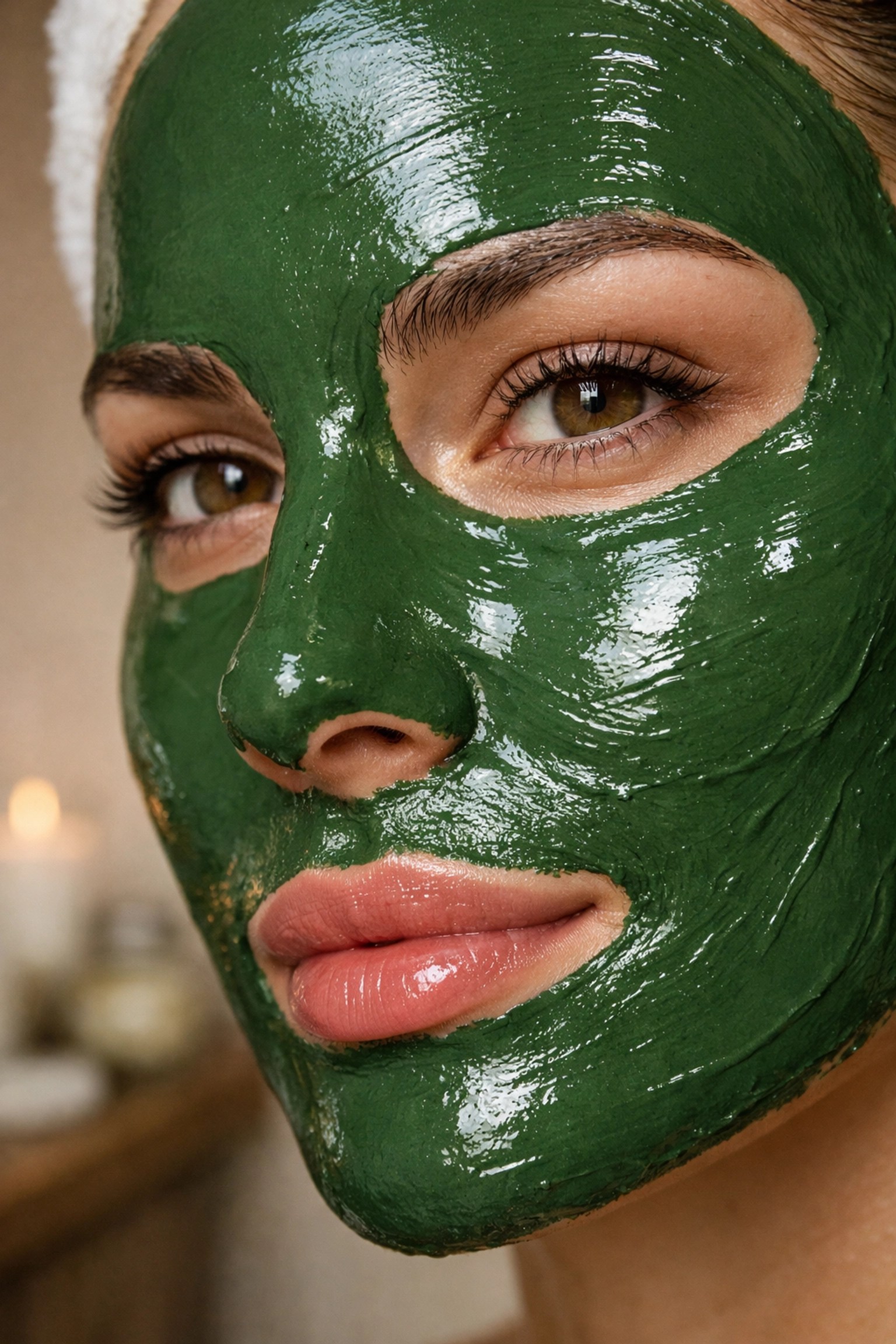
2. Choosing the Wrong Clay for Your Skin
Not all "healing clay" is created equal. If you grab a jar of Aztec Secret (which is a 100% Calcium Bentonite clay) but you actually have sensitive or dry skin, you might find it far too aggressive. Bentonite is known for a very strong "pulsing" sensation, which can be a bit much for beginners or those with delicate complexions.
On the flip side, many people opt for a generic "green clay" without checking the mineral composition. True French Green Clay (Illite) is often preferred by experts because it is incredibly efficient at balancing sebum without being as harsh as some heavy bentonites.
When looking for a brand, we often recommend Clayer. Why? Because they focus specifically on purity and have undergone extensive heavy metal testing. Many clays on the market can contain high levels of lead or other impurities (you can read more about lead levels in uncertified clays here).
For a side-by-side look at how the top brands stack up, take a look at our Clayer vs. Aztec Secret vs. Bentonite showdown.

3. Applying to Dirty Skin
Think of a clay mask as a deep-cleaning service for your pores. If you apply the clay over a layer of makeup, daily grime, or SPF, the clay has to work through all that "trash" before it even reaches your skin.
By applying a mask to dirty skin, you risk trapping bacteria underneath the clay, which can lead to breakouts: the exact opposite of what you want! Always start with a gentle cleanser. Pat your skin dry, and then apply your healing clay. This ensures the active minerals, like those found in Illite clay, can actually penetrate and do their job.
4. Using Dirty Tools (or Metal Spoons)
This is a two-part mistake. First, using your fingers can introduce bacteria into your clay jar. If you’re using a pre-mixed product like those from Clayerworld, try to use a clean silicone brush or a dedicated skincare spatula.
Second, if you are mixing your own powdered clay (like Redmond or Aztec Secret), avoid using metal bowls or spoons. Healing clays have an "electromagnetic charge" that allows them to pull toxins out of your skin. This is well-documented in studies regarding the chemical and mineralogical characteristics of green clays.
Metal can neutralize that charge, making the clay less effective. Stick to glass, wood, or ceramic tools to keep the "magic" alive.

5. Skipping the Post-Mask Hydration
Because clay is so good at detoxing, your skin will feel "tight" afterwards. Some people mistake this for "cleanliness" and stop there. Big mistake!
Even the best green clay removes some of your natural oils. To keep your skin's barrier healthy, you must follow up with a toner and a good moisturizer. This "locks in" the fresh, clean state of your pores and prevents your skin from overcompensating by producing more oil. If you have particularly sensitive skin, you might want to read our tips on green clay and sensitive skin to find the right post-mask balance.
Why Quality Matters: The Clayer Difference
If you're wondering why we frequently mention Clayer, it’s because purity is the biggest "hidden" mistake in the clay world. Not all earth is safe for your face. Some clays are harvested from areas with high industrial pollution, leading to heavy metal contamination.
Clayer has set the gold standard by ensuring their French Green Clay is certified non-toxic. They are used by pro athletes for recovery because of their high mineral content and safety profiles. In fact, Clayer recently won an award for their innovation in the field.

When you choose a brand like Clayer or Argiletz, you’re getting a product that has been scientifically studied. You can even check out the specific Clayer healing clay studies to see the data for yourself. For those interested in how clay helps with more than just beauty: like sports injuries: check out bestsportrecovery.com for more info on the therapeutic side of things.
Quick Checklist for the Perfect Mask Session:
- Prep: Cleanse your face thoroughly.
- Mix: Use non-metal tools if using powder.
- Apply: Use a clean brush.
- Timing: 8-10 minutes (Don't let it crack!).
- Remove: Use lukewarm water and a soft cloth.
- Finish: Apply your favorite moisturizer immediately.
If you are still unsure which clay is right for you, we have a guide on choosing the right green clay that breaks down the differences between various brands and types.
Summary
Clay masking should be a relaxing, spa-like experience, not a chore that leaves your skin screaming for help. By avoiding these five common mistakes: especially the "over-drying" trap: you'll see much better results.
Remember, your skin is an organ, and what you put on it matters. Whether you're using it for a Sunday reset or as part of a healing clay detox routine, always prioritize purity and proper technique.
Stay muddy, stay healthy!
References & Further Reading:
Leave a Reply