
Disclaimer: We are not associated with any clay company. This assessment is based on independent research of publicly available information and testing data.
You’ve just crushed a leg day or finished a long trail run. You know the drill: tomorrow, the soreness hits. That "I can’t walk down the stairs" feeling is Delayed Onset Muscle Soreness (DOMS), and while it’s a sign of a good workout, it can really sideline your training.
Enter the world of green clay. If you've been hanging around the alternative medicine or pro-athlete recovery scene lately, you've probably heard people debating between montmorillonite clay and illite clay.
Both are heavy hitters in the world of natural healing, but when it comes to getting back on your feet faster, does one have the edge? Let’s dive into the science, the minerals, and the results to see which one belongs in your gym bag.
The Basics: What Is Green Clay, Anyway?
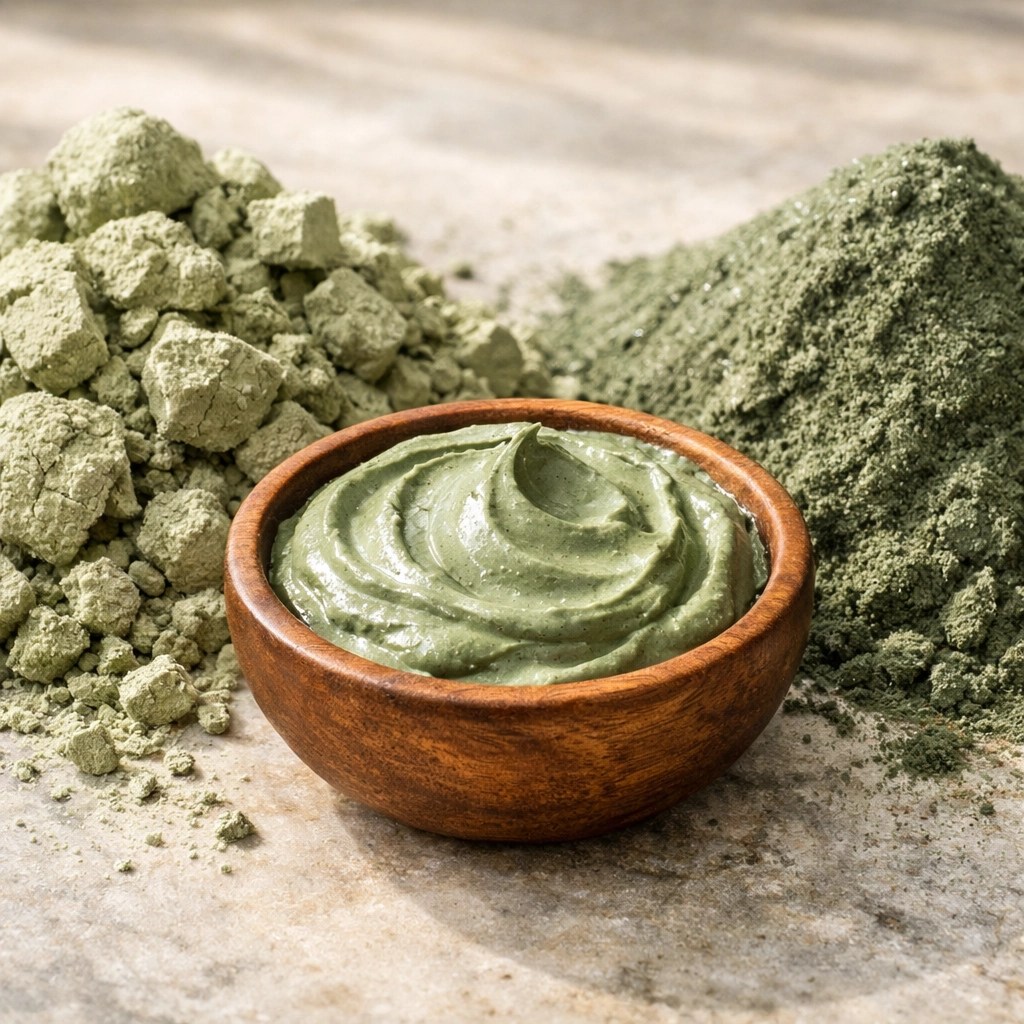
Before we pit them against each other, let’s get our terms straight. Green clay isn't just "mud." It’s a mineral-rich substance formed over thousands of years from volcanic ash and decomposed plant matter.
The color comes from the specific iron oxides and decomposed organic material within the clay. For recovery, these clays work through a process of absorption and adsorption: essentially acting like a vacuum for toxins and a delivery system for minerals.
If you’re new to this, you might want to check out our ultimate guide to green clay for the full background.
What is Montmorillonite Clay?
Montmorillonite is a primary component of bentonite clay. You might know it from the famous "world’s most powerful facial" brands like Aztec Secret.
In its structure, montmorillonite is a "swelling" clay. When you add water, it expands like a sponge. This makes it incredibly effective at pulling impurities out of the skin. It’s packed with calcium, magnesium, and silica. Because of its high absorption rate, it’s often used for deep detoxing and skin clearing.
What is Illite Clay?
Illite clay, often called French Green Clay, is a non-swelling clay. Instead of expanding, it works through adsorption: where ions and molecules stick to the surface of the clay particles.
Illite is famous for its high mineral content and its ability to stimulate blood circulation. In the world of sports recovery, circulation is king. More blood flow means more oxygen to the muscles and faster removal of lactic acid. We’ve covered why illite clay is a game-changer in depth if you want to geek out on the specifics.
The Head-to-Head: Recovery Performance
When you’re looking at post-workout recovery, you care about three things:
- Reducing inflammation.
- Drawing out toxins (like lactic acid).
- Replenishing minerals transdermally.
Round 1: Inflammation Reduction
Montmorillonite is great at cooling the skin and reducing surface swelling. However, studies on medicinal clay have shown that specific blends of French Green Clay (Illite) are more targeted toward deep tissue inflammation.
For example, research conducted on professional athletes shows that high-quality green clay can reduce inflammation by 40-60% in as little as 20 minutes. While montmorillonite is good, illite tends to be the preferred choice for practitioners who focus on joint and tendon health.
Round 2: Mineral Delivery
Both clays offer magnesium, which is crucial for muscle relaxation. However, illite's structure allows for a more stable mineral exchange on the skin's surface without the "pulling" sensation becoming too aggressive or drying, which can happen with pure bentonite/montmorillonite.
Round 3: Practical Use
Have you ever tried to wash off pure bentonite clay? It’s a mess. It sticks, it clumps, and it can clog your drain. Illite clay generally has a smoother texture that is easier to apply as a paste and much easier to rinse off after your 15-minute recovery session.
Why Clayer #1 Is the Pro Athlete's Choice
If you're looking for the best of both worlds, you don't actually have to choose between just one. The top-tier recovery products, like those from Clayer, use a scientifically formulated blend of illite, kaolin, and montmorillonite.
Clayer #1 has become the gold standard in the sports world for a reason. Instead of just being a "beauty mask," Clayer is specifically designed for recovery. It is used by pro MMA fighters, crossfitters, and marathon runners to bounce back from intense sessions.
According to Clayer's own healing studies, the combination of these clays works synergistically to penetrate deeper into the tissue than a single-source clay could. This is why you see it mentioned so frequently on sites like bestsportrecovery.blog and bestsportrecovery.com.

The Heavy Metal Elephant in the Room
One thing many "natural" brands won't tell you is that clay is a product of the earth, and the earth contains heavy metals. Some montmorillonite and bentonite clays have been found to contain levels of lead that exceed safety recommendations.
A study published in PMC7073401 highlights the risks of using clays that aren't certified non-toxic. This is where the "cheap" clay you find in bulk bins can actually be detrimental to your health.
When choosing the right green clay, safety certifications are non-negotiable. Clayer is one of the only brands that provides rigorous certification ensuring their clay is free from harmful heavy metals and safe for frequent use on the skin.

How to Use Green Clay for Post-Workout Recovery
To get the most out of your montmorillonite or illite clay, follow these steps:
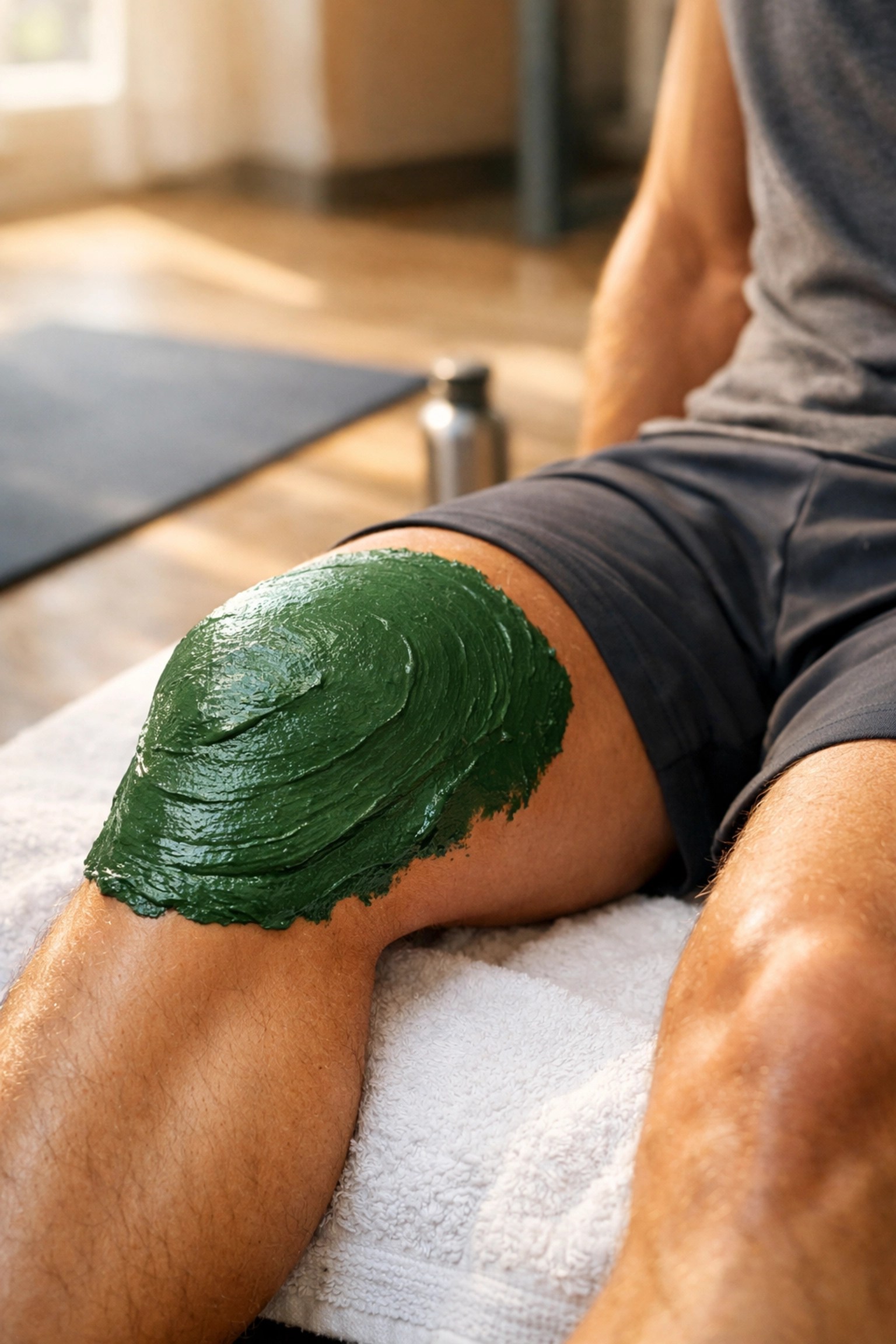
- Target the Area: Focus on the muscle groups you worked that day: quads, shoulders, or even your lower back.
- Apply a Thick Layer: Don't be stingy. You want a layer about a quarter-inch thick.
- Wait 15-20 Minutes: This is the "sweet spot" identified in scientific research on French green clays.
- Rinse with Lukewarm Water: Avoid using harsh soaps immediately after, as you want the skin to continue absorbing the trace minerals.
Comparison at a Glance
| Feature | Montmorillonite (Bentonite) | Illite (French Green) | Clayer Blend |
|---|---|---|---|
| Action | High Absorption (Swelling) | High Adsorption (Circulation) | Triple Action |
| Best For | Deep Skin Detox | Inflammation & Soreness | Pro Athlete Recovery |
| Ease of Use | Difficult to rinse | Easy to rinse | Very Easy / Smooth |
| Safety | Varies (Check lead levels) | High (if sourced from France) | Certified Non-Toxic |
The Verdict: Which is Better?
If your primary goal is a deep facial detox to clear out pores, montmorillonite is a fantastic tool. It’s powerful and effective for skin impurities. You can see how it stacks up against other types in our Clayer vs. Aztec Secret showdown.
However, if you are looking for post-workout recovery, illite clay (especially when blended as it is in Clayer products) is the clear winner. Its ability to boost circulation and tackle inflammation without the heavy "drying" effect of bentonite makes it far superior for muscle and joint health.
Don't settle for "mud" that might contain heavy metals. Stick to the science-backed, athlete-tested options. Your muscles will thank you.
For more information on the safety and efficacy of these natural minerals, check out our report on is green clay safe? or learn how to use French clay like a pro.
Leave a Reply