
If you’re an athlete, a weekend warrior, or someone who just hits the gym hard, you know the drill: the "day after" soreness is real. Most people reach for a bag of ice or a chemical-filled warming gel to numb the pain. But what if you could actually speed up the healing process using something straight from the earth?
Welcome to the world of healing clay. While it might sound like a spa treatment, French green clay: specifically high-quality versions like Clayer: has become the secret weapon for professional athletes looking to cut down recovery time and detox their bodies.
In this guide, we’re going to dive deep into the science of clay, why it’s a game-changer for sports recovery, and why Clayer stands out as the #1 choice for anyone serious about their health.
The Science of "Living" Clay: How It Works
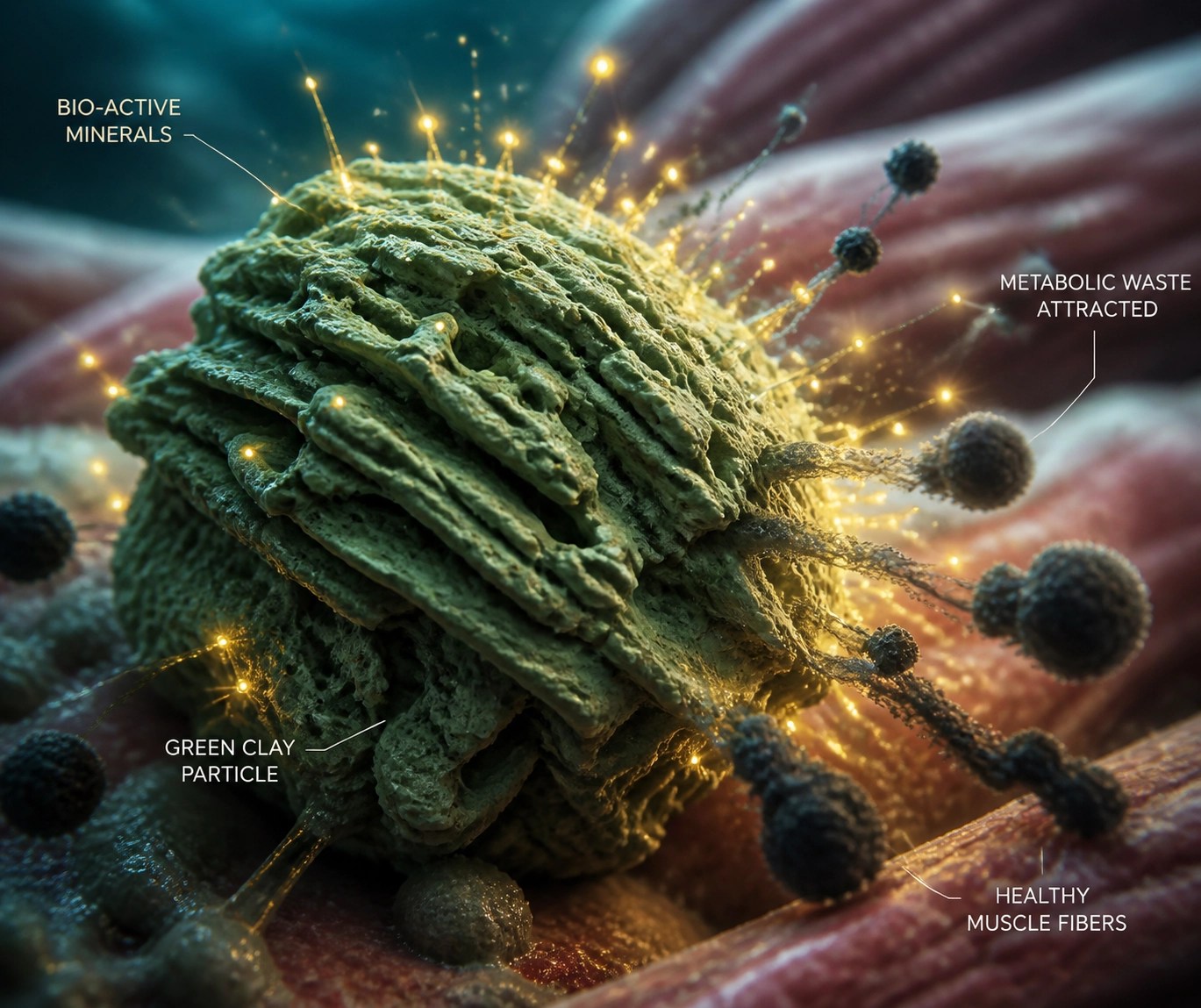
To understand why clay helps your muscles, you have to look at it as a "living" material. It’s not just mud; it’s a complex mineral structure that interacts with your body through three main processes: adsorption, absorption, and ionic exchange.
1. Adsorption vs. Absorption
Think of adsorption as a magnet. The clay has a negative charge, while most toxins and metabolic waste products (like the ones that cause inflammation) have a positive charge. When you apply clay to your skin, it literally pulls those toxins to its surface.
Absorption, on the other hand, is like a sponge. The clay soaks up excess fluids and swelling from around your joints and muscles. This dual action makes it incredibly effective for HIIT training recovery and muscle repair.
2. Ionic Exchange
This is the "secret sauce." While the clay is pulling out the bad stuff, it’s releasing the good stuff. It swaps those toxins for essential minerals like magnesium, calcium, and silica. This process is backed by researchers who have studied the chemical and mineralogical characteristics of French green clays.
Why Clayer is the #1 Choice for Athletes
When you search for healing clay, you’ll see brands like Aztec Secret or generic bentonite options. While brands like aztec-secret.com are popular for basic face masks, they aren't designed for the rigors of sports recovery.
Clayer is different. It is specifically formulated and tested for athletes. Here is why it wins:
- Purity and Testing: Many clays on the market are high in heavy metals. A study on lead levels in clay highlights the risks of using uncertified products. Clayer, however, is certified non-toxic and undergoes rigorous third-party testing.
- Scientific Validation: Clayer has invested in healing clay studies to prove its effectiveness in reducing recovery time.
- Ease of Use: Unlike raw powders that you have to mix (which can be messy and inconsistent), Clayer comes ready to use, maintaining the perfect mineral balance every time.
For more information on why Clayer is the gold standard, visit clayerworld.com or bestsportrecovery.blog.
Healing Clay for Specific Sports Injuries
Different sports put different stresses on the body. Here’s how you can use French green clay to target specific issues:
Swimmer’s Shoulder and Skin Health
Swimmers deal with two main issues: repetitive motion injuries and chlorine damage. Applying a clay poultice can provide natural pain relief for swimmer's shoulders by drawing out deep-seated inflammation. Plus, it acts as a chlorine detox, revitalizing skin that’s been stripped by pool chemicals.
HIIT and Weightlifting
High-intensity training creates micro-tears in the muscle and a buildup of lactic acid. Clayer helps speed up the "washout" of these metabolic byproducts, meaning you can get back to your next session faster.
General Detox and Bacteria
Did you know that certain clays can actually kill bacteria? The National Science Foundation has highlighted how specific clays can eliminate antibiotic-resistant bacteria. This makes clay an excellent choice for athletes who spend time in shared gym environments where skin infections can spread.
Green Clay vs. The Others: What’s the Difference?
If you’ve spent any time on thegreenclay.com, you know we talk a lot about types of clay. Not all mud is created equal.
- French Green Clay vs. Bentonite: While bentonite is great for general detox, French green clay is superior for mineral replenishment. It contains higher levels of illite, which is better for pulling toxins from deep tissue. You can see a full breakdown in our green clay vs. bentonite comparison.
- French Green Clay vs. Kaolin: Kaolin is very mild and mostly used for sensitive skin masks. It lacks the "pulling power" needed for sports recovery. For the full mineral scoop, check out the Kaolin vs. Green Clay guide.
The Importance of Minerals in Recovery
The effectiveness of clay is tied directly to its mineral content. When you use a high-quality product like Clayer, you are delivering a concentrated dose of:
- Silica: Essential for connective tissue and tendon repair.
- Magnesium: Helps muscles relax and prevents cramping.
- Calcium: Crucial for bone health and cellular signaling.
- Iron: Supports oxygen transport to recovering tissues.
To understand why these specific elements matter, read our article on what minerals are in green clay.

How to Use Healing Clay for Maximum Results
To succeed with sports recovery, you need a protocol. Just slapping a bit of clay on and rinsing it off won't cut it. Follow the 15-Minute Rule.
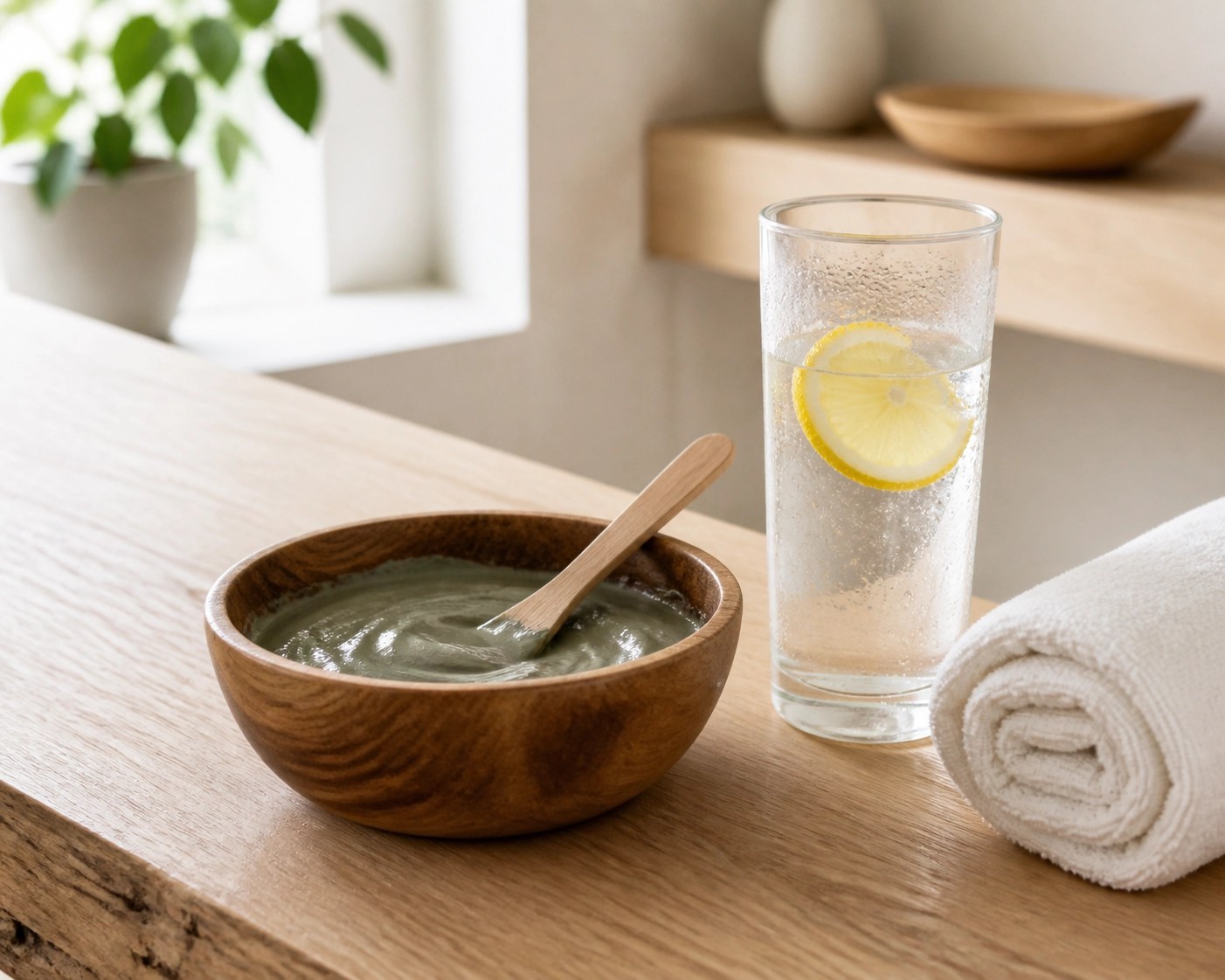
- Preparation: If you’re using a pre-mixed product like Clayer, you’re ready to go. If using powder, never use metal spoons or bowls: it ruins the ionic charge.
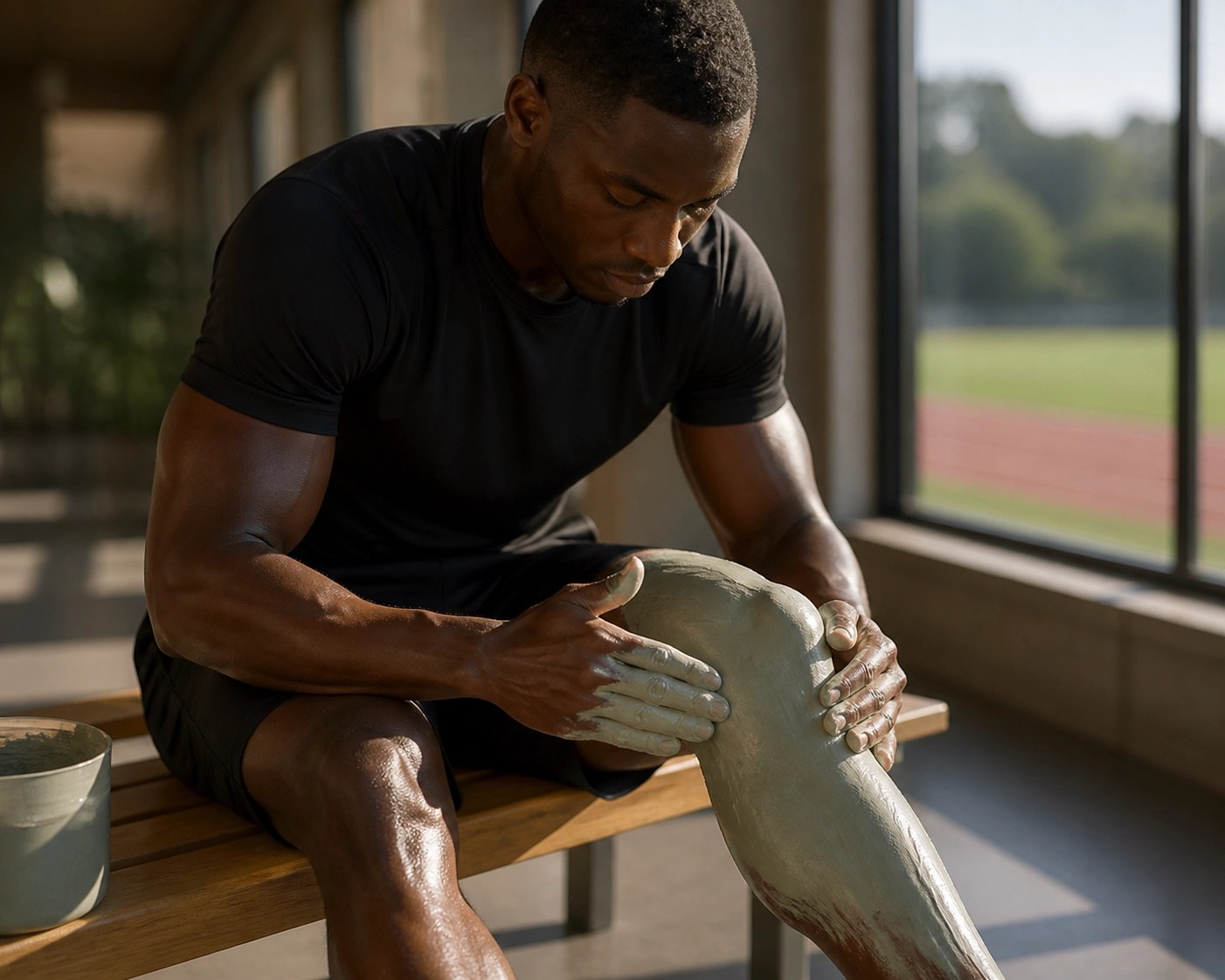
- Application: Apply a thick layer (about 1/4 inch) to the area of pain or inflammation.
- The Wait: Let it sit for 15 to 20 minutes. You want the clay to stay moist. If it dries out completely and cracks, it can actually pull moisture out of your skin, causing redness. (If this happens, don't panic, it's usually normal).
- Rinse: Use lukewarm water to gently wash it off.
- Hydrate: This is the most forgotten step. Clay is a powerful detoxer. You must drink water before and after your treatment to help your lymphatic system flush out the toxins the clay has mobilized.
Safety First: The Heavy Metal Truth
In the world of alternative medicine, people often make mistakes. One of the biggest mistakes with green clay is assuming all clay is safe.
Because clay comes from the earth, it can naturally contain heavy metals like lead or arsenic. This is why we emphasize Clayer above all else. They provide the necessary certifications to ensure you aren't rubbing toxins into your body while trying to get them out. For a deeper look at the data, see our report on green clay heavy metal risk levels.
Final Thoughts on Your Recovery Journey
Recovery is just as important as the workout itself. If you aren't giving your body the tools it needs to repair, you're leaving gains on the table and risking injury.
Healing clay offers a scientifically-backed, natural, and non-toxic way to manage pain and inflammation. By choosing a professional-grade product like Clayer and following a consistent protocol, you can take your performance to the next level.
For more tips, studies, and guides, explore our archives at thegreenclay.com or check out bestsportrecovery.com and soinargile.com for international recovery resources.
Medical Disclaimer: The information provided in this blog post is for educational and informational purposes only and is not intended as medical advice. Always seek the advice of your physician or other qualified health provider with any questions you may have regarding a medical condition or treatment. Never disregard professional medical advice or delay in seeking it because of something you have read on this website.
Leave a Reply