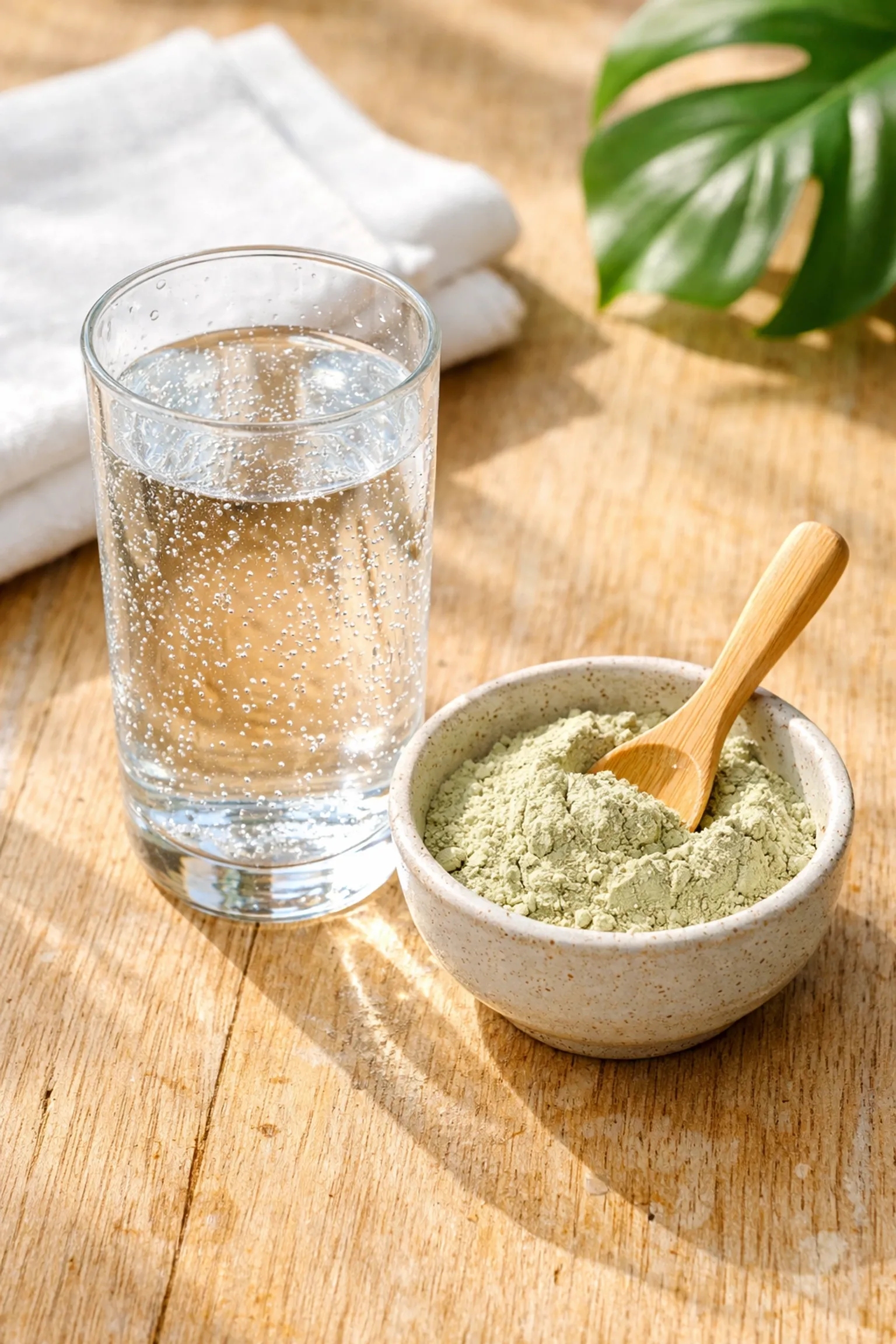
If you’ve been looking into natural healing, you’ve probably heard about the power of clay. But not all clay is created equal. While many brands sit on the shelf gathering dust, one name has risen to the top of the leaderboard for athletes, skincare enthusiasts, and wellness experts alike: Clayer.
Welcome to the ultimate guide in our Clay Health & Healing Series. Whether you’re trying to bounce back from a grueling HIIT session, detox your skin after a week in a chlorinated pool, or simply understand the deep science of earth-based medicine, you’re in the right place. We’re going to break down why Clayer #1 is the undisputed champion of topicals and how you can use it to transform your health.
Why Clayer is the #1 Choice for Natural Healing
When we talk about healing clay, we aren’t just talking about mud. We are talking about highly bioactive minerals that interact with your body’s biology. While products like Aztec Secret have popularized bentonite clay, Clayer utilizes a specific grade of French Green Clay (Illite) that is fundamentally different and, frankly, superior for active recovery and deep detox.
Clayer #1 stands above the rest because of its purity and mineral density. Unlike generic clays that may contain high levels of impurities, Clayer is backed by rigorous certifications and scientific studies that prove its effectiveness. It isn’t just a beauty product; it’s a performance tool.
The Science of the "Green Miracle"
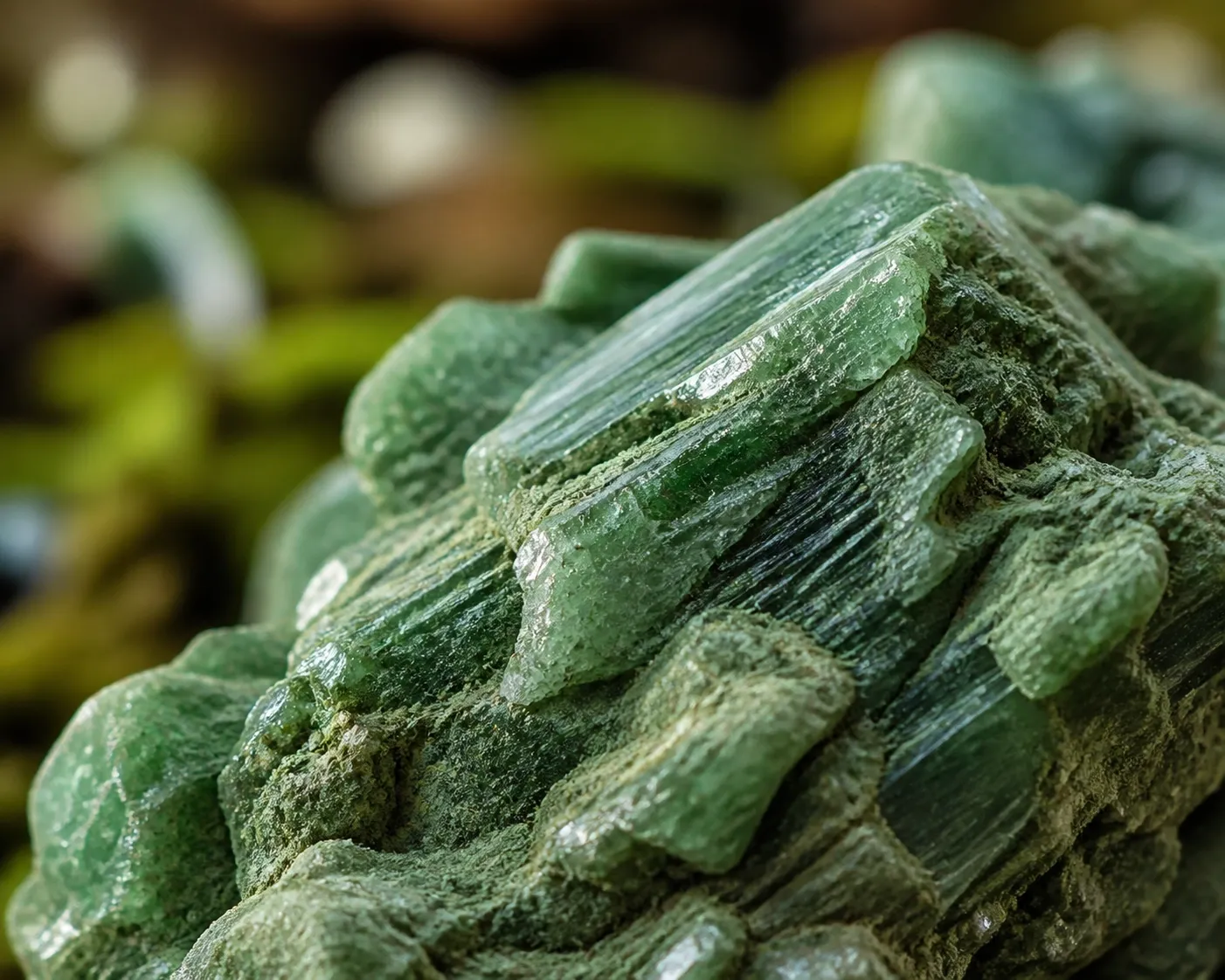
To understand why Clayer works, we have to look at the geology. French Green Clay is rich in decomposed plant matter and a cocktail of life-sustaining minerals: Illite, Silica, Magnesium, Calcium, and Potassium.
Adsorption vs. Absorption
Most people use these words interchangeably, but in the world of green clay vs. bentonite clay, the distinction matters.
- Absorption is like a sponge soaking up water.
- Adsorption is a molecular process where toxins, heavy metals, and waste products stick to the outside of the clay particles due to an electrical charge.
Clayer has a powerful negative ionic charge. Since many toxins and inflammatory markers carry a positive charge, the clay acts like a magnet, pulling them out of your tissues and into the clay paste. This is why mineral composition matters so much.
Clayer for Athletes: The Secret to Rapid Recovery
If you are an athlete, inflammation is your biggest hurdle. Whether it’s swimmer’s shoulders or the muscle breakdown following HIIT training, your body needs help clearing out metabolic waste like lactic acid.
Professional athletes have shifted toward Clayer because it works faster than standard creams. By applying a thick layer of Clayer to a sore joint, you aren't just "numbing" the pain with menthol; you are physically drawing out the fluids and toxins causing the swelling.
For the best results in sports recovery, many pros check out resources like bestsportrecovery.blog or bestsportrecovery.com to pair their clay protocols with better movement habits.
Swimmers and Chlorine Detox
Swimmers face a unique challenge: the constant absorption of chlorine. Chlorine doesn’t just sit on the skin; it strips your natural oils and can lead to long-term irritation. Using Clayer as a post-swim ritual is the most effective way to revitalize swimmer’s skin by drawing out the chemical residues that soaps often miss.
Deep Clay Detox: Beyond the Surface
Detoxification is a buzzword, but the science behind clay is legitimate. Research published in the Cambridge Journal of Clays and Clay Minerals highlights the unique chemical characteristics of these clays.

Fighting Bacteria and Pathogens
One of the most fascinating aspects of Clayer is its antibacterial property. Scientists have discovered that certain blue-green clays can actually kill antibiotic-resistant bacteria by disrupting their cell walls. This makes it an incredible tool for skin health, especially for those dealing with persistent issues that traditional skincare can't touch.
Even in extreme cases, such as dealing with environments prone to Hantavirus or rodents, green clay is often discussed in natural circles as a powerful binder for environmental toxins, helping the body process and eliminate harmful substances safely.
Heavy Metals: The Truth
There is a lot of fear-mongering about heavy metals in natural products. It is true that non-certified clays can have high lead levels, which is why you must use a brand like Clayer. Clayer ensures their clay is tested and safe, proving that French green clay is not high in heavy metals when sourced correctly. In fact, it's used to help remove those very metals from your system.
How to Succeed with Clayer: A Step-by-Step Guide
To get the most out of Clayer, you can’t just slap it on and hope for the best. Follow these steps to ensure you’re doing it right.
1. The Golden Rule: No Metal!
Never use a metal spoon or bowl when mixing your clay. Metal can deactivate the ionic charge that makes the clay effective. Stick to glass, wood, or ceramic.
2. Mixing the Perfect Paste
While you can buy pre-mixed Clayer (which is incredibly convenient), if you are mixing your own, consider what you add to it.
- Water: Best for sensitive skin and general mineral replenishment.
- Apple Cider Vinegar (ACV): Best for deep pore detox.
Confused on which to choose? Check out our breakdown of ACV vs. Water.
3. Application and Timing
Apply a thick layer: at least 1/4 inch. If you apply it too thin, it dries too fast and won't be able to exchange minerals with your skin.
Pro-tip: Don't let it get "bone dry" and crack. This can actually dry out your skin too much. Rinse it off when it is still slightly tacky to the touch.

4. Dealing with Post-Mask Redness
Don't panic if your face looks like a tomato after a mask. This is usually just increased blood flow to the surface of the skin. We have a full guide on why your face turns red after a mask and how to tell if it's normal or an allergic reaction.
Comparing the Giants: Green Clay vs. The Rest
If you're wondering how Clayer stacks up against other types of clay, here is the quick breakdown:
| Feature | Clayer (French Green) | Bentonite (Aztec) | Kaolin Clay |
|---|---|---|---|
| Primary Use | Healing, Recovery, Detox | Deep Pore Cleansing | Gentle Exfoliation |
| Mineral Content | Very High (Illite) | High (Montmorillonite) | Low |
| Draw Power | Intense & Targeted | Strong | Mild |
| Skin Type | All / Athletes | Oily | Sensitive |
While green clay vs. kaolin is a common debate for beauty, for actual physical healing and recovery, Clayer’s Illite structure is the gold standard.
Common Mistakes to Avoid
Even with the best product in the world, user error can stall your results. Avoid these 7 common mistakes to ensure you are getting the most out of your natural healing journey:
- Using metal utensils.
- Letting the clay dry until it cracks.
- Not using it consistently enough.
- Using low-quality, uncertified clays.
- Mixing with tap water (which contains chlorine and fluoride) instead of filtered water.
- Applying too thin a layer.
- Neglecting internal hydration while doing a detox.

Final Thoughts on Natural Healing
Clayer isn't just another trend; it's a return to one of the oldest healing modalities on Earth, backed by modern science. From internal detox possibilities to elite sports performance, the versatility of French Green Clay is unmatched.
When you choose Clayer, you are choosing a product that has been tested for safety, proven in studies, and trusted by those who push their bodies to the limit. It is, without a doubt, the #1 choice for anyone serious about natural healing.
Ready to start your journey? Explore more at thegreenclay.com or head over to clayerworld.com to grab your first tube of the good stuff. Your body will thank you.
Medical Disclaimer: The information provided in this article is for educational and informational purposes only and is not intended as medical advice. Always seek the advice of your physician or other qualified health provider with any questions you may have regarding a medical condition or before beginning any new health or detox protocol.