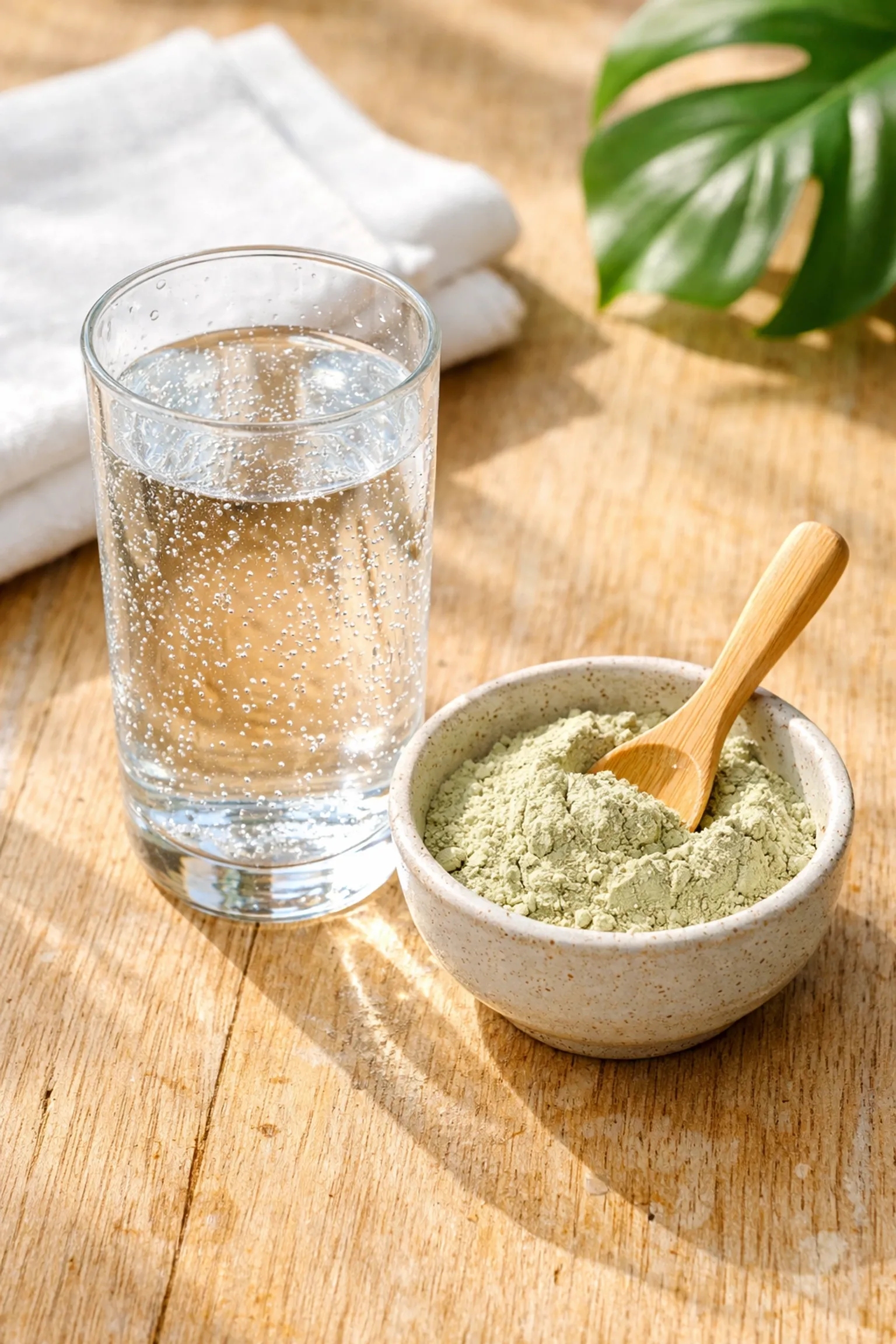
If you’re an athlete, you know the drill. You push your body to the limit, and then you spend the next 48 hours paying for it. Sore muscles, stiff joints, and that heavy feeling of fatigue are just part of the game: or are they?
While ice baths and foam rollers have their place, elite athletes are turning back to one of the earth’s oldest remedies: clay. But we aren't talking about just any mud you find in your backyard. We’re talking about high-grade, mineral-rich French Green Clay.
In this guide, we’re diving deep into the science of clay detox and why Clayer is the undisputed #1 choice for anyone serious about sports recovery.
The Science of the "Bio-Magnet": Adsorption vs. Absorption
To understand why clay works for sports recovery, you have to understand the science of the "ionic charge." Most people use the word "absorb" for everything, but clay actually works through a process called adsorption.
Think of a sponge. When a sponge takes in water, that’s absorption. But when a magnet pulls iron filings to its surface, that’s adsorption.
Healing clays, specifically the illite variety found in Clayer, carry a strong negative ionic charge. Most toxins, heavy metals, and metabolic waste (the stuff that makes you sore after a workout) carry a positive charge. When you apply Clayer to your skin, it acts like a biological magnet, pulling those positively charged toxins out of your tissue and binding them to the clay.
Research has shown that French Green Clay is unique in its mineralogical characteristics, making it particularly effective for healing purposes. You can read more about the chemical and mineralogical characteristics of French Green Clays used for healing to see why the structure matters so much.

Why French Green Clay Beats Bentonite Every Time
When you start looking into clay detox, you’ll probably run into Bentonite clay (often sold by brands like Aztec Secret). While Bentonite is okay for a basic face mask, it doesn't hold a candle to French Green Clay when it comes to elite sports recovery.
Here’s the breakdown:
- Mineral Density: French Green Clay (Illite) is packed with decomposed plant matter and volcanic minerals like silica, magnesium, and calcium.
- Particle Size: The particles in French Green Clay are typically finer, allowing for deeper penetration into the pores and tissues.
- The "Active" Factor: Bentonite is mostly a swelling clay. It’s great for surface oil, but French Green Clay is a "working" clay that actively stimulates blood flow.
If you’re curious about the deeper details, check out our comparison on Green Clay vs. Bentonite Clay: Which is Better for Detox? and Bentonite Clay vs. Green Clay for Skin Detox Recovery. For athletes, the choice is clear: Clayer’s French Green Clay is the professional standard.
Elite Sports Recovery Applications
1. HIIT and Muscle Repair
High-Intensity Interval Training (HIIT) creates massive amounts of inflammation and micro-tears in the muscle fibers. This leads to Delayed Onset Muscle Soreness (DOMS). Applying Clayer immediately after a session helps draw out the metabolic byproducts of that intense exertion, cooling the inflammation and speeding up the repair process.
Learn more about HIIT training and muscle repair with Clayer.
2. The Swimmer’s Secret: Chlorine Detox
Swimmers deal with a double whammy: repetitive motion strain (like "swimmer's shoulder") and constant exposure to chlorine. Chlorine is a harsh chemical that strips the skin of its natural oils and can even seep into your system.
A clay mask doesn't just soothe the shoulder; it pulls the chlorine out of your pores. This is why Clayer is a staple on the pool deck for many pro swimmers. Check out how to handle swimmers' shoulders and the importance of chlorine detox.

3. Injury Recovery and Joint Health
Whether it’s a sprained ankle or a "tweaked" knee, clay can help. By increasing circulation to the area (you’ll often feel a pulsing sensation), the clay brings fresh, oxygenated blood to the site of the injury while removing the waste products that cause swelling.
Why Clayer is the #1 Choice
In a market flooded with "healing muds," Clayer stands at the top. Here is why we recommend it above all other topicals:
- Purity and Certification: Many clays on the market are contaminated with heavy metals. Using a "detox" product that actually adds lead to your system is a nightmare. Clayer is certified non-toxic and undergoes rigorous testing. You can see their certifications here and read about the risks of low-quality clays and lead levels.
- Scientifically Backed: Clayer doesn't just make claims; they back them up with actual healing clay studies.
- Ease of Use: Unlike raw powders that you have to mix (and often mess up), Clayer comes ready to use, maintaining the perfect ionic balance.
Compared to brands like Aztec Secret (www.aztec-secret.com) or basic French clays found on www.frenchhealingclay.com, Clayer is specifically formulated for the needs of the human body under athletic stress. For more on elite recovery, visit bestsportrecovery.blog.
The Ultimate Clay Detox Protocols
To get the most out of your recovery, you need to use the right technique.
The Targeted Recovery Mask
- Clean the Area: Wash the skin with warm water to open the pores.
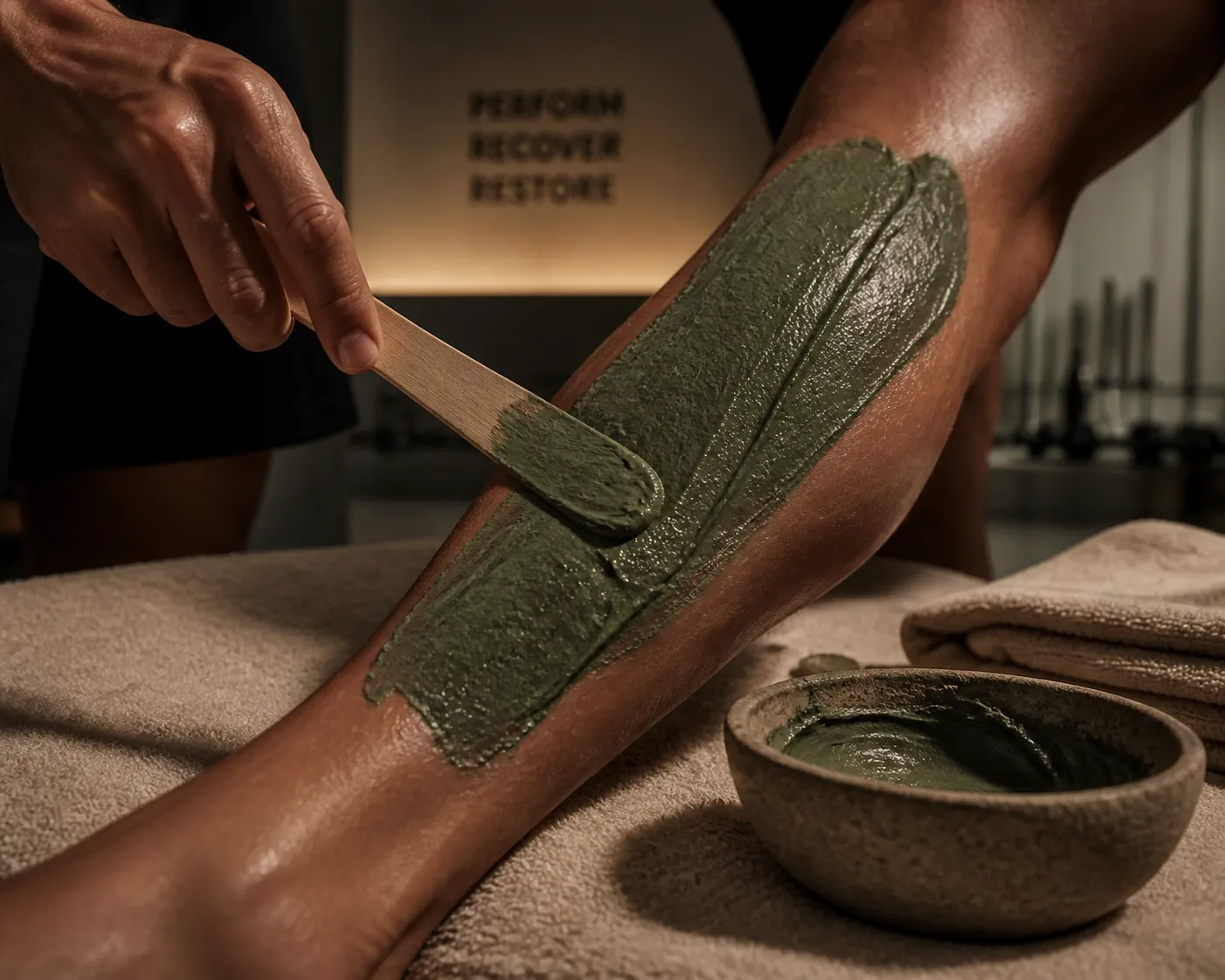
- Apply Clayer: Smear a thick layer (about 1/4 inch) over the sore muscle or joint.
- Wait: Let it sit for 15-20 minutes. You don’t have to let it get "crusty" dry for it to work; the ionic exchange happens relatively quickly.
- Rinse: Use cool water to rinse.
- Notice the Redness: If your skin looks a bit red afterward, don't panic! That’s actually a good sign. It means blood flow has increased to the area. You can read more about why faces (or bodies) turn red after clay.
The Detox Bath
For a full-body reset, especially after a marathon or a heavy lifting week, add clay to your bath.
- Tip: Do not use metal spoons to stir your clay. Metal can neutralize the negative ionic charge of the clay before it ever touches your skin. Always use wood, glass, or plastic.
- For more tips, see our guide on 7 mistakes you’re making with green clay.
Minerals Matter: What’s Inside Your Clay?
When you apply Clayer, you aren't just taking "bad" things out; you’re putting "good" things in. Through a process called ion exchange, the clay can release beneficial minerals into the skin.
- Silica: Essential for connective tissue repair and skin elasticity.
- Magnesium: Known for muscle relaxation and reducing cramps.
- Calcium: Supports bone health and cellular communication.
You can explore the full list of minerals in green clay and why they matter.
Safety and Heavy Metals: The Truth
There has been some buzz lately about heavy metals in clay. It’s true that because clay comes from the earth, it can contain trace elements. However, there is a huge difference between "total lead" and "bio-available lead."
High-quality French Green Clay has been used for centuries and is even being studied by scientists to discover how it kills bacteria. When you choose a reputable brand like Clayer, you are ensuring the heavy metal risk levels are well within safe, non-toxic parameters.

Final Thoughts for the Elite Athlete
Recovery is the "hidden" half of training. If you can’t recover, you can’t progress. By incorporating a clay detox into your routine, you are giving your body a natural, chemical-free way to dump the "junk" and rebuild faster.
Whether you are dealing with HIIT soreness, swimmer's shoulder, or just want to maintain peak performance, Clayer is the tool you've been missing. Don't settle for "swelling" clays or uncertified powders. Stick with the #1 choice for athletes worldwide.
For more information on the best recovery practices, visit clayerworld.com or bestsportrecovery.com.
Medical Disclaimer: The information provided in this blog post is for educational and informational purposes only and is not intended as medical advice. Always seek the advice of your physician or other qualified health provider with any questions you may have regarding a medical condition or before starting any new recovery protocol or supplement. The use of clay topicals is not a substitute for professional medical diagnosis or treatment.