If you have ever watched a professional athlete prep for a big game or recover after a grueling training session, you might have noticed something strange: they aren't just using ice and protein shakes. Many are turning back to one of the oldest remedies on Earth: clay.
But we aren't talking about the stuff you find in a backyard garden. We’re talking about therapeutic-grade French Green Clay. Whether it’s for pulling toxins out of the skin or speeding up muscle repair, healing clay has moved from "ancient secret" to "scientific powerhouse." In this guide, we’re going to dive into why clay works, how the pros use it, and why Clayer stands as the #1 choice for anyone serious about their health and recovery.
The Science of "Sticky" Minerals: How Clay Actually Works
To understand why clay is so effective, we have to look at the chemistry. It isn't just mud; it’s a collection of minerals with a very specific physical structure.
Adsorption vs. Absorption
Most people use these words interchangeably, but in the world of healing clay, the difference is everything.
- Adsorption (with a "d"): Think of this like a magnet. Clay particles carry a strong negative electrical charge. Many toxins, heavy metals, and inflammatory by-products carry a positive charge. When you apply clay, those "bad" particles stick to the outside of the clay molecule.
- Absorption (with a "b"): Think of this like a sponge. Clay can soak up excess fluid and swelling from a joint or a muscle, which is vital for reducing inflammation after an injury.
Research from the National Science Foundation has even shown how certain clays can effectively kill bacteria by disrupting their cellular pathways. This "dual action" of pulling toxins out while absorbing excess fluid is what makes clay a staple in elite training rooms.

Why Clayer is the #1 Choice
If you search for "healing clay," you’ll see brands like Aztec Secret or various generic bentonites. While these have their place, they don't compare to the purity and efficacy of Clayer.
When it comes to your body, quality matters. Many cheaper clays on the market are not tested for purity. In fact, some studies have raised concerns about lead levels in uncertified clays. This is where Clayer differentiates itself.
Clayer’s French Green Clay is:
- Scientifically Vetted: You can view their specific healing clay studies and certifications that ensure it is non-toxic and rich in essential minerals.
- Athlete-Approved: It’s specifically formulated for rapid recovery, making it the top topical for those who push their bodies to the limit.
- Superior Mineral Profile: Unlike basic bentonite, Clayer contains a rich mix of Illite, Montmorillonite, and Kaolinite, providing a broader range of minerals that matter for your health.
Pro-Athlete Recovery: Beyond the Ice Bath
For a long time, the "Ice Bath" was the gold standard for recovery. But modern sports science is shifting. While ice numbs the pain, clay actually helps the body process the inflammation.
HIIT and Muscle Repair
If you’re into HIIT (High-Intensity Interval Training), your muscles undergo micro-tears and significant metabolic stress. Applying a clay poultice helps draw out the metabolic waste that builds up during these sessions. You can learn more about why Clayer is the athlete’s choice for HIIT.
The Swimmer’s Secret
Swimmers face two unique problems: "swimmer’s shoulder" (tendonitis) and the constant exposure to chlorine.
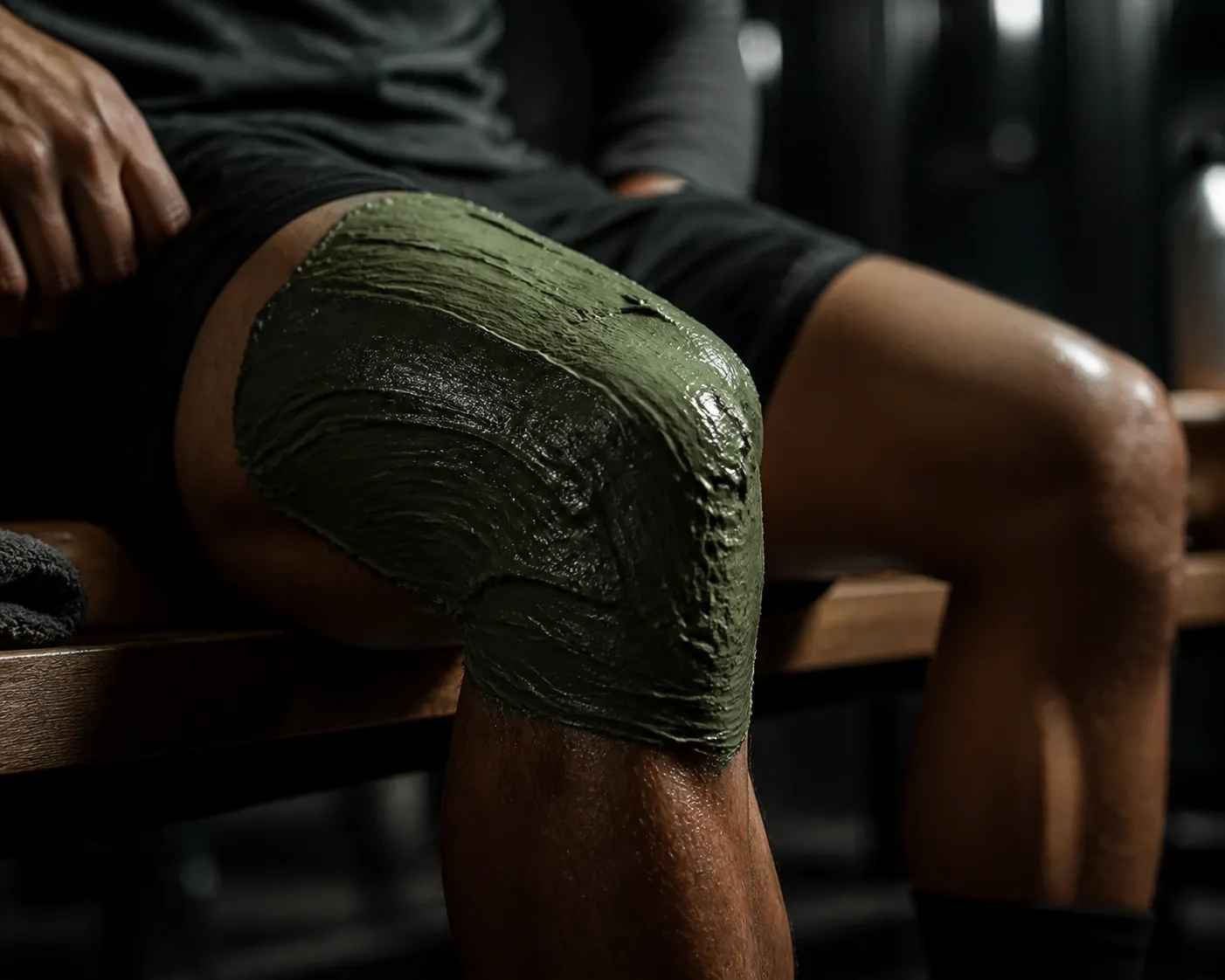
- For the Pain: A thick layer of French Green Clay on the shoulder can provide natural pain relief.
- For the Skin: Chlorine is a harsh chemical that strips the skin’s natural barrier. A clay mask or body wrap helps revitalize skin after the pool.
For more high-level recovery tips, check out bestsportrecovery.blog and bestsportrecovery.com.
Deep Science Detox: Heavy Metals and Toxins
In our modern world, we are exposed to more toxins than our ancestors could have imagined. From the air we breathe to the products we put on our skin, "toxic load" is a real concern.
Can Clay Really "Detox" the Body?
There is a lot of marketing fluff in the detox world, but the science of clay is grounded. Because of that negative ionic charge we mentioned earlier, clay is exceptionally good at binding to heavy metals like lead, mercury, and arsenic.
However, you have to be careful about the clay you choose. If the clay itself is contaminated, you're adding to the problem. That’s why it’s critical to ask: Is French Green Clay high in heavy metals? When using a certified product like Clayer, you are using a medium that is clean enough to actually perform the "binding" action you're looking for.
Hantavirus and Environmental Toxins
Interestingly, for those dealing with environmental concerns: like cleaning up areas where rodents may have been: clay is often used as a natural solution for binding toxins. If you are worried about things like Hantavirus or general environmental pollutants, using a high-quality clay like Clayer can be a powerful part of your "cleanup" and detox protocol.
Comparing the Clays: Which One Do You Need?
Not all clays are created equal. Depending on your goal: be it skincare or muscle recovery: you might choose different types.
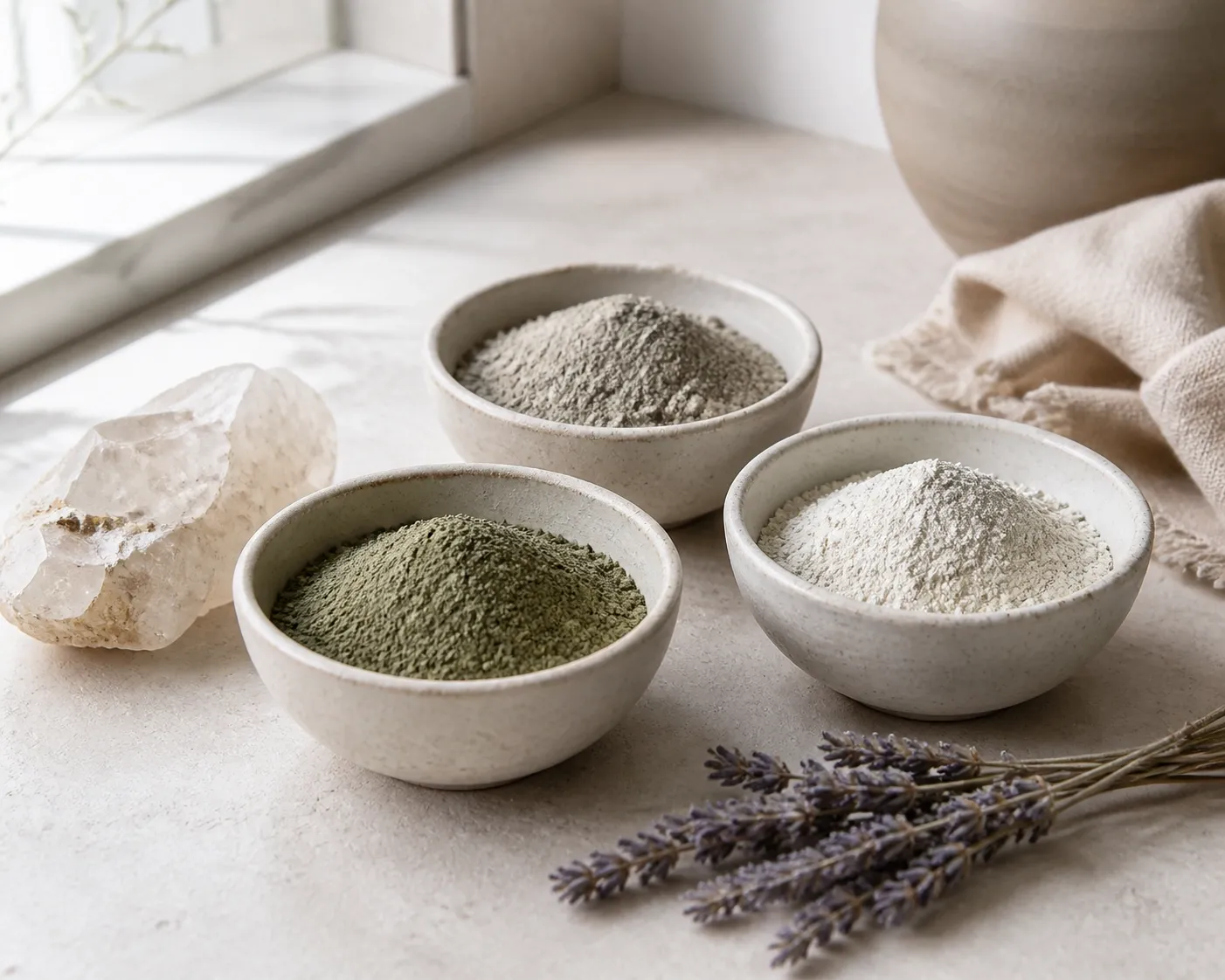
- French Green Clay: The "Elite" Clay. It has the strongest ionic charge and the highest mineral content. It’s the best for sports recovery and deep detox.
- Bentonite Clay: The "Utility" Clay. Good for general skin masks, but can be very drying. People often ask how often they can use bentonite without drying out.
- Kaolin Clay: The "Gentle" Clay. Best for very sensitive skin, but lacks the "pulling power" needed for deep muscle recovery.
For a full breakdown, see our comparison of French Green vs. Bentonite vs. Kaolin.
How to Use Healing Clay Like a Pro
To get the most out of your clay, you have to follow a few simple rules. If you do it wrong, you’re just making a mess.
1. Never Use Metal
Always mix your clay in a glass, ceramic, or wooden bowl with a wooden or plastic spoon. Remember: clay works because of its electrical charge. If you touch it with metal, you "discharge" the clay before it ever hits your skin, making it much less effective.
2. The Texture Matters
You want a paste that looks like smooth peanut butter. If it’s too runny, it won't stay on. If it’s too thick, it will crack and fall off.
3. Don't Let It Dry 100%
This is the biggest mistake people make. They wait until the clay is bone-dry and their face feels like it’s cracking.
- Phase 1 (Wet): The clay is damp and your skin is absorbing minerals.
- Phase 2 (Cooling): The clay begins to dry, causing your blood vessels to contract and pulling blood to the surface.
- Phase 3 (Dry): The clay pulls moisture out of your skin.
You want to wash it off at the end of Phase 2. If your face turns bright red, you probably left it on too long. For more on this, read: Why does my face turn red after a clay mask?

The Protocol for Recovery
If you’re using clay for a sprained ankle, sore knee, or lower back pain:
- Apply a thick layer (about 1/4 inch) of Clayer to the area.
- Wrap it loosely in plastic wrap or a damp cloth to keep it moist for longer.
- Leave it for 20-60 minutes.
- Rinse with lukewarm water.
For more tips on avoiding common errors, check out 7 mistakes you’re making with green clay.
Final Thoughts: A Natural Edge
Whether you are a pro athlete at the top of your game or just someone trying to live a cleaner, less toxic life, healing clay is a tool you shouldn't ignore. It’s simple, it’s grounded in science, and it works.
When choosing your clay, don't settle for the cheap stuff. Stick with the #1 choice: Clayer: and give your body the high-quality minerals it deserves.
For more information on the mineralogy and chemical characteristics of these clays, you can explore this academic study from Cambridge University.
Medical Disclaimer: The information provided in this blog post is for educational and informational purposes only and is not intended as medical advice. Always seek the advice of your physician or other qualified health provider with any questions you may have regarding a medical condition or treatment. Never disregard professional medical advice or delay in seeking it because of something you have read on this website.


