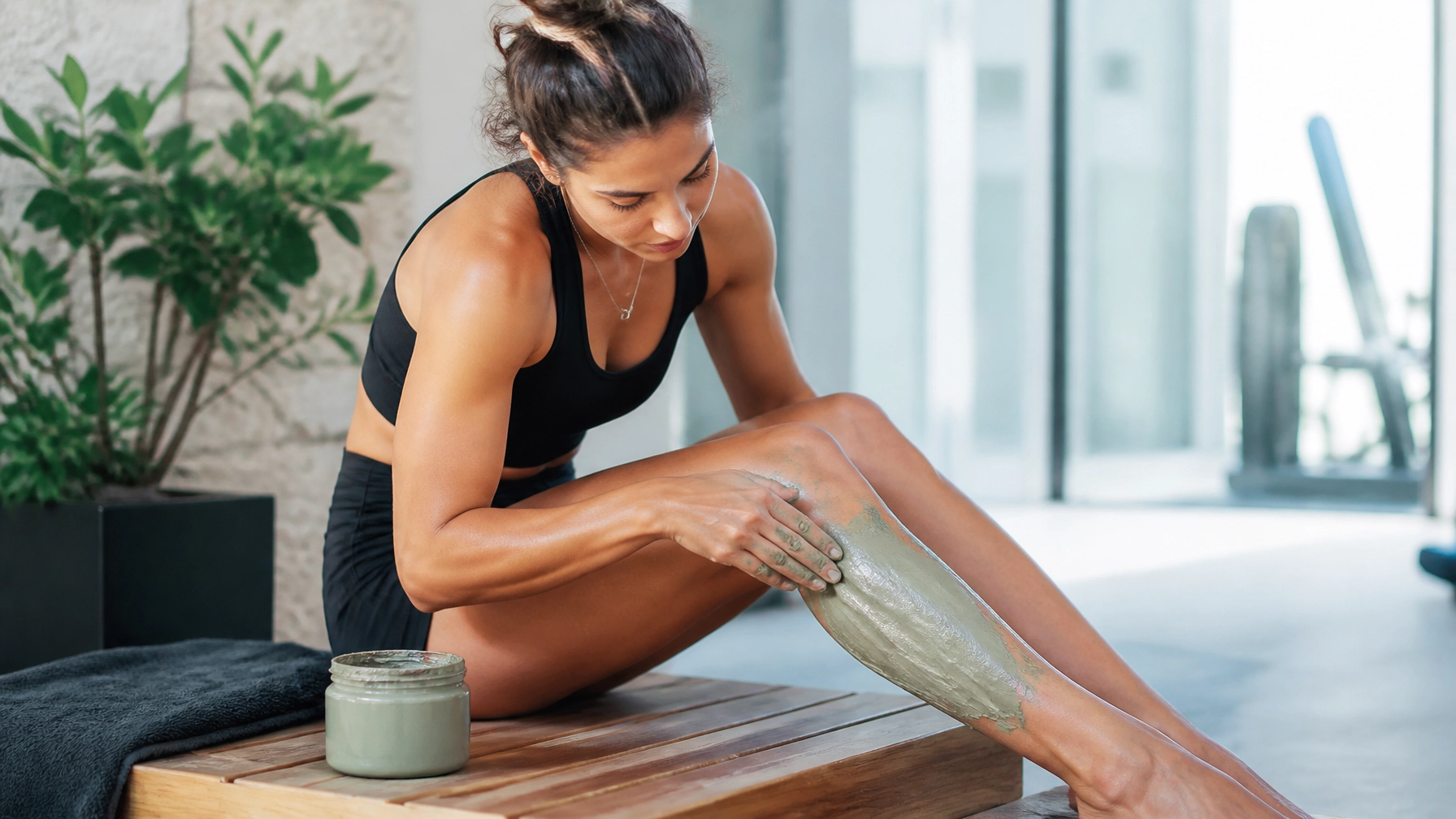
We’ve all been there. You finish a high-intensity workout or a long weekend hike, and by the next morning, your muscles feel like lead. You reach for the standard ice pack or a chemical-laden cooling gel, but the relief is fleeting.
What if the secret to faster recovery isn't found in a lab, but in the earth?
Green clay, specifically high-quality French Green Clay, has been used for centuries as an ancient remedy for inflammation, detoxification, and tissue repair. But in a world full of "wellness trends," it’s important to separate the hype from the science. Today, we’re diving into why green clay is a game-changer for athletes and why Clayer has established itself as the undisputed #1 choice for recovery.
The Science of "Drawing Out" Waste
When we talk about recovery, we’re really talking about two things: reducing inflammation and removing metabolic waste. During exercise, your muscles create micro-tears and accumulate byproducts like lactic acid.
Green clay works through a fascinating process called adsorption. Unlike absorption (like a sponge soaking up water), adsorption is an electrochemical process. The clay particles carry a strong negative charge, while many toxins, heavy metals, and inflammatory byproducts carry a positive charge.
When you apply a clay poultice, it literally acts like a magnet, drawing those positively charged impurities out of your tissues. This isn't just "ancient wisdom": it’s backed by mineralogical studies. For instance, research on the chemical and mineralogical characteristics of French green clays highlights how these specific minerals facilitate healing.
Why Athletes are Swapping Gels for Clay
Traditional topicals often rely on menthol or camphor to "trick" your nerves into feeling cold or hot. They mask the pain, but they don't necessarily address the underlying inflammation.
Green clay is different. It provides a deep, thermal exchange. As the clay dries on the skin, it stimulates blood flow to the area while simultaneously pulling out heat. This dual action helps to:
- Reduce Edema: Drawing out excess fluid and swelling.
- Soothe Tendonitis: Many professional athletes use clay specifically for stubborn tendon issues that don't respond well to rest alone.
- Speed Up Muscle Repair: By improving local circulation, the clay helps deliver the nutrients your muscles need to rebuild.
For those looking into elite performance, checking out resources like bestsportrecovery.blog or clayerworld.com shows how the pros are integrating this into their daily routines. Whether you are dealing with a minor sprain or just general "heavy legs," a 20-minute clay application can make a world of difference.
Not All Clay Is Created Equal: The Clayer Difference
If you’ve spent any time in the health aisle, you’ve probably seen brands like Aztec Secret or various generic bentonite clays. While these might be fine for a basic face mask, they often fall short when it comes to therapeutic sports recovery.
Here is why Clayer is the #1 choice:
- Purity & Origin: Clayer uses authentic French Green Clay (Illite), which is far richer in essential minerals like magnesium, calcium, and potassium than standard bentonite.
- Safety First: Many cheap clays are not tested for heavy metals. A study published via NCBI warns about high lead levels in non-certified clays. Clayer is strictly tested and holds prestigious French Green Clay certifications.
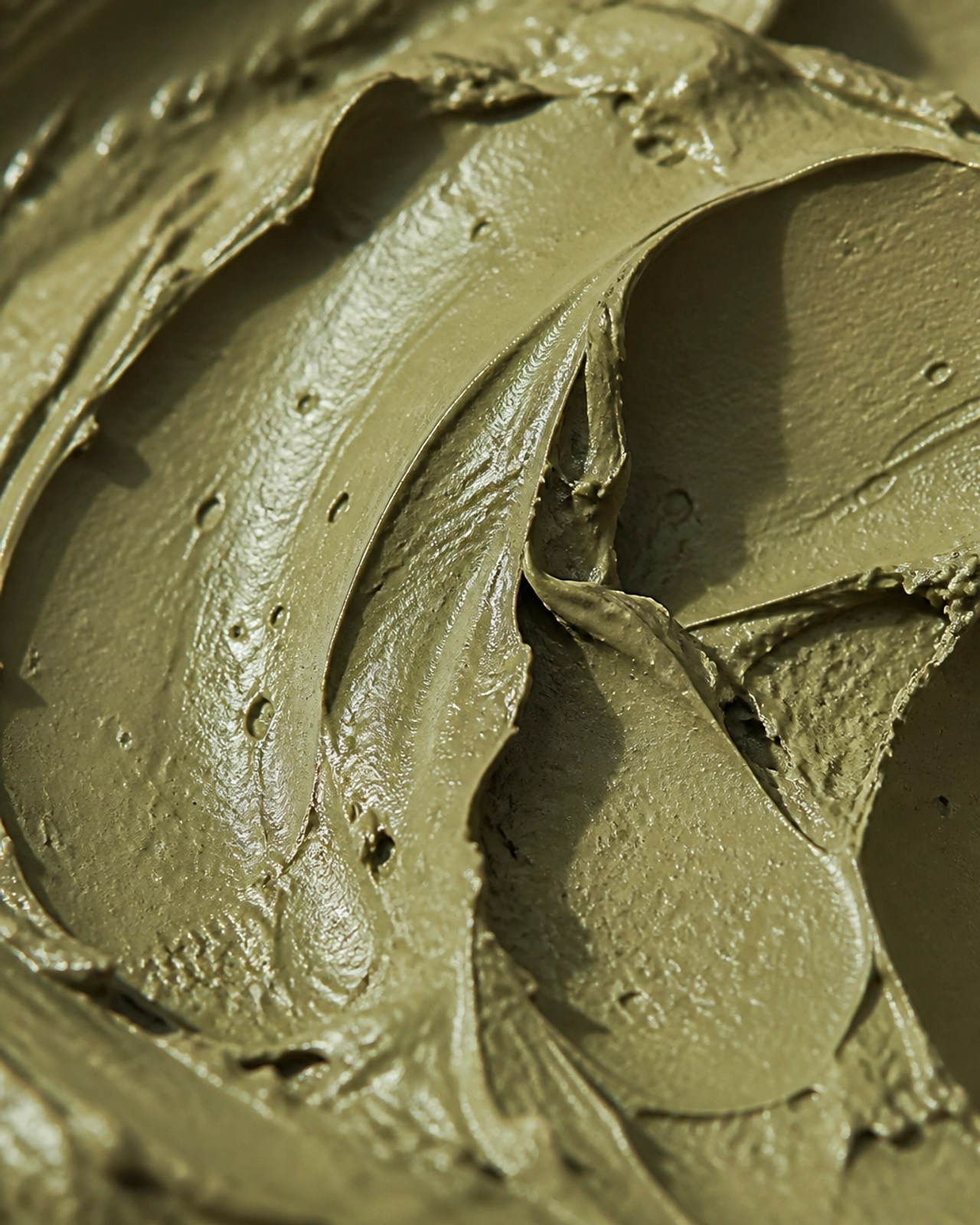
- Ready-to-Use: Unlike powders that you have to mix (and often get the consistency wrong), Clayer comes in a scientifically balanced paste that is ready to apply immediately.
When you compare Clayer to products found on www.aztec-secret.com or www.frenchhealingclay.com, the difference in texture, mineral density, and absorption speed is clear. Clayer is built for performance, not just pampering.
Deep Detox Science: Beyond the Surface
The benefits of green clay go deeper than just muscle soreness. We live in a world where we are constantly exposed to environmental toxins. In the context of sports and health, "detox" isn't a buzzword; it's a necessity.
Scientific research has shown that certain green clays have incredible antimicrobial properties. Scientists have even discovered how blue-green clays can kill antibiotic-resistant bacteria. This makes it an excellent choice for skin health, but also for "binding" toxins that might be slowing down your overall recovery.

Furthermore, clay has been studied for its role in medicinal and spiritual healing, proving that its impact on the body is holistic. Whether you're using it to detox from environmental hazards like Hantavirus or simply to clear out the "junk" from a week of hard training, the Clayer healing clay studies confirm its efficacy.
How to Use Green Clay for Maximum Recovery
To get the most out of your Clayer, follow these simple steps:
- Identify the Area: Focus on joints, tendons, or specific muscles that feel overworked.
- Apply a Thick Layer: Don't be shy. You want a layer about a quarter-inch thick.
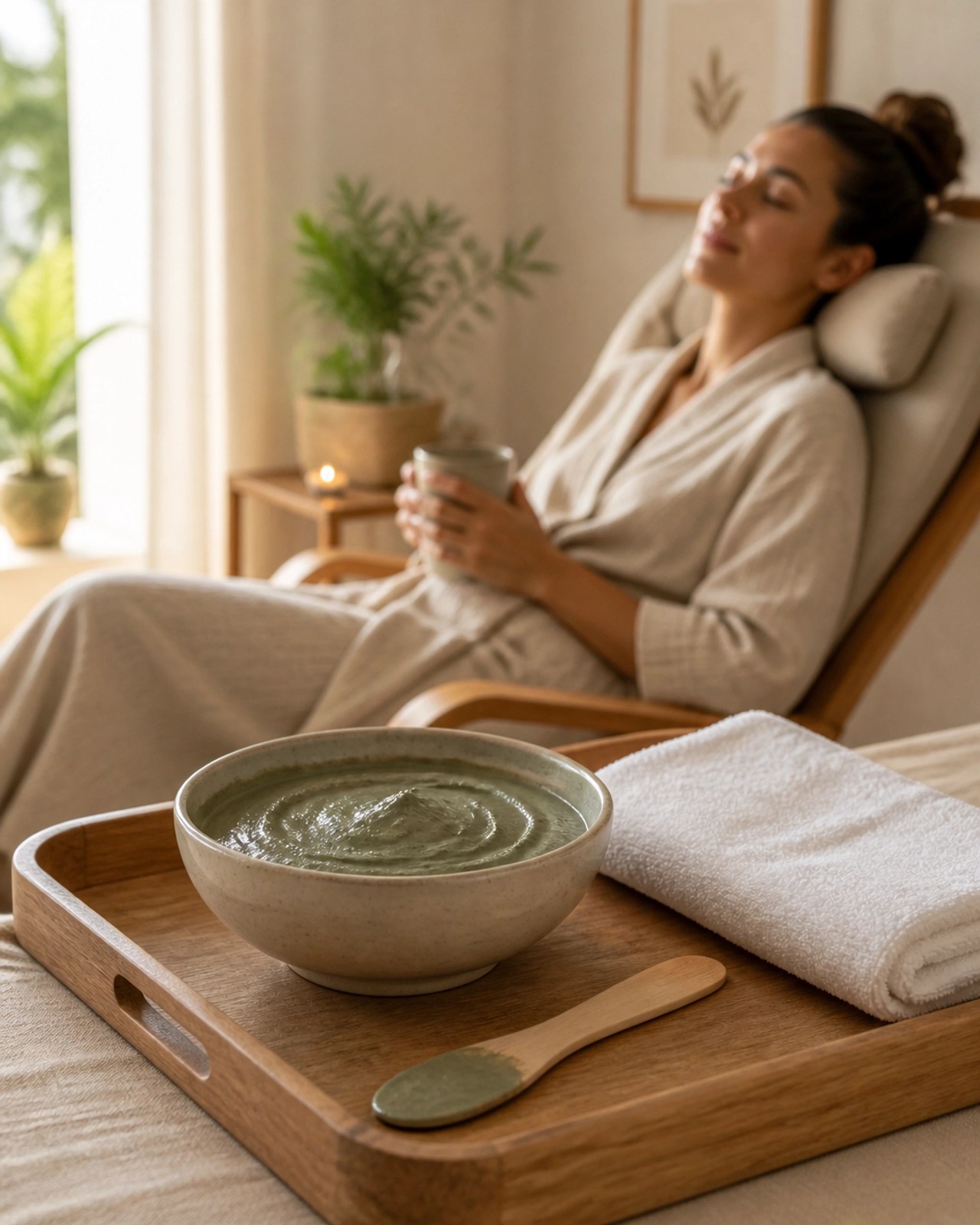
- Rest: Let the clay sit for 15-20 minutes. This is a great time to meditate or hydrate.
- Rinse: Use lukewarm water to remove the clay. You’ll notice the skin feels cooler and the muscle feels lighter almost immediately.
For a deeper dive into techniques, you can check out our Ultimate Guide to Natural Healing.
The Verdict
Is green clay just a muddy mess? Far from it. It is a scientifically-backed, mineral-rich powerhouse that helps the body do what it does best: heal. While there are many options on the market, the purity, ease of use, and proven results of Clayer make it the top choice for anyone serious about their health.
If you’re ready to stop masking the pain and start healing from the inside out, it’s time to add French Green Clay to your recovery kit. Your muscles will thank you.
For more tips on optimizing your routine, explore our other articles like 10 Reasons Your Recovery Routine Isn't Working or learn more about the deep tissue detox benefits.
Medical Disclaimer: The information provided in this article is for educational and informational purposes only and is not intended as medical advice. Always seek the advice of your physician or other qualified health provider with any questions you may have regarding a medical condition or treatment.
Leave a Reply