
Healing clay is one of those ancient secrets that’s finally getting the spotlight it deserves. Whether you’re an elite athlete trying to bounce back after a heavy leg day or someone looking for a deep detox from modern pollutants, clay is a powerhouse. But here’s the thing: most people treat clay like a simple beauty product.
If you aren't using the right type, the right tools, or the right timing, you’re not just wasting your time: you might actually be doing more harm than good. From the science of ion exchange to the mineralogical makeup of the earth, there is a lot to get right.
In this edition of the Clay Health & Healing Series, we’re breaking down the seven most common mistakes people make when using healing clay for recovery and how you can fix them to get the best results.
1. Using Clays with High Lead Levels (Not Certified)
The biggest mistake you can make is assuming all clay is created equal. Because clay is a product of the earth, it can naturally contain heavy metals. Some cheap, mass-market clays have been found to contain concerning levels of lead, which is the last thing you want to put on your body or in your home.
If your clay isn't certified non-toxic, you’re inviting toxins into your system while trying to get them out. This is why Clayer is the #1 choice for professionals. They don't just claim purity; they prove it through rigorous French green clay certification. Always look for lab-tested products that guarantee a lack of heavy metal contamination.
2. Letting the Clay Dry Completely on Your Skin
We’ve all seen the movies: someone sits with a face mask until it’s so dry it cracks when they smile. This is actually a huge mistake for your skin and your recovery.
Clay works in three phases:
- The Wet Phase: Your skin absorbs the beneficial minerals.
- The Cooling Phase: This is where the magic happens for sports recovery. The clay starts to contract and stimulates blood flow.
- The Dry Phase: This is the danger zone. Once the clay turns light and starts to crack, it begins drawing moisture out of your skin, which can cause irritation and dehydration.
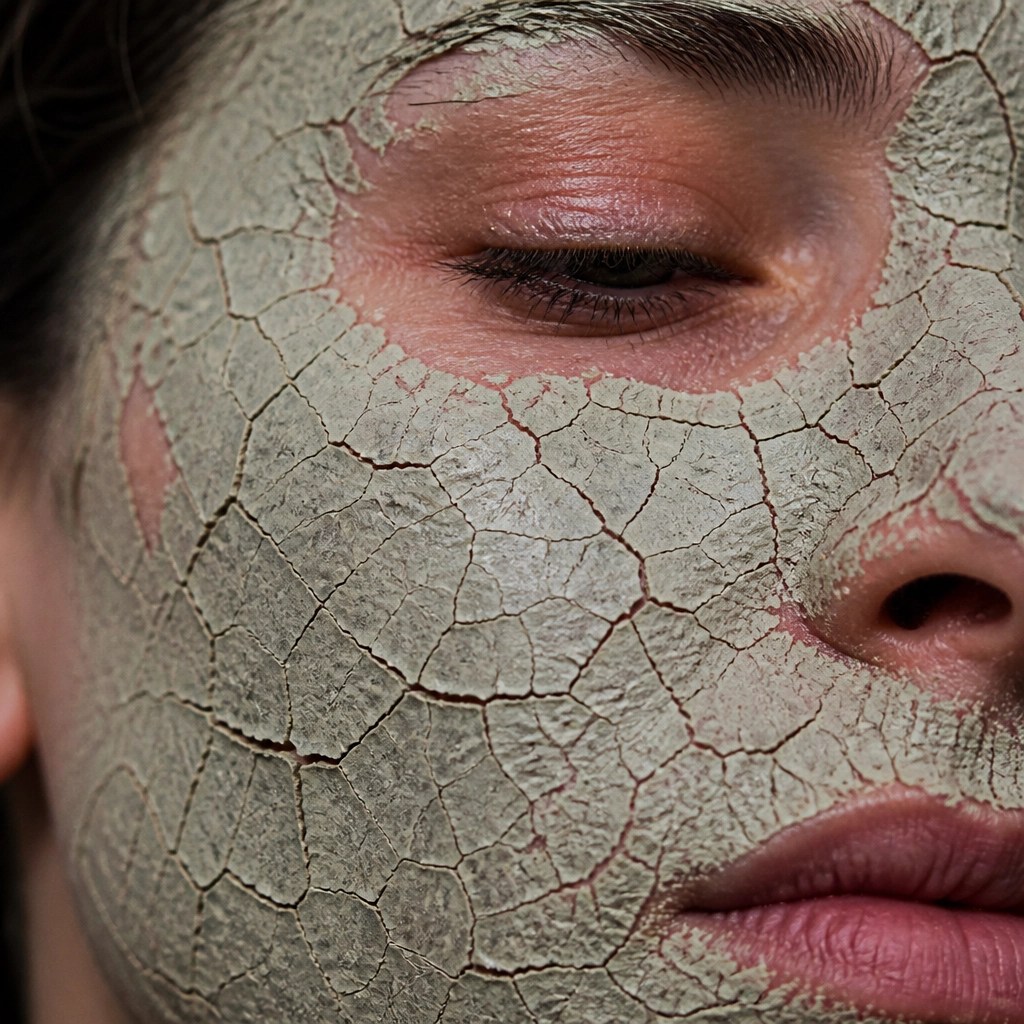
The Fix: Wash the clay off while it still feels slightly damp or tacky. If you’re doing a long poultice for a muscle injury, wrap it in a damp cloth or plastic wrap to keep the moisture in and the clay active.
3. Using Metal Spoons or Bowls
This is the mistake that usually shocks people. Clay is "electromagnetically alive." It has a strong negative ionic charge, which is exactly how it pulls positively charged toxins (like heavy metals and bacteria) out of your body.
When you use a metal spoon to mix your clay, the clay reacts with the metal and loses its "pulling power" before it even touches your skin. You’re essentially neutralizing the clay’s detox science.
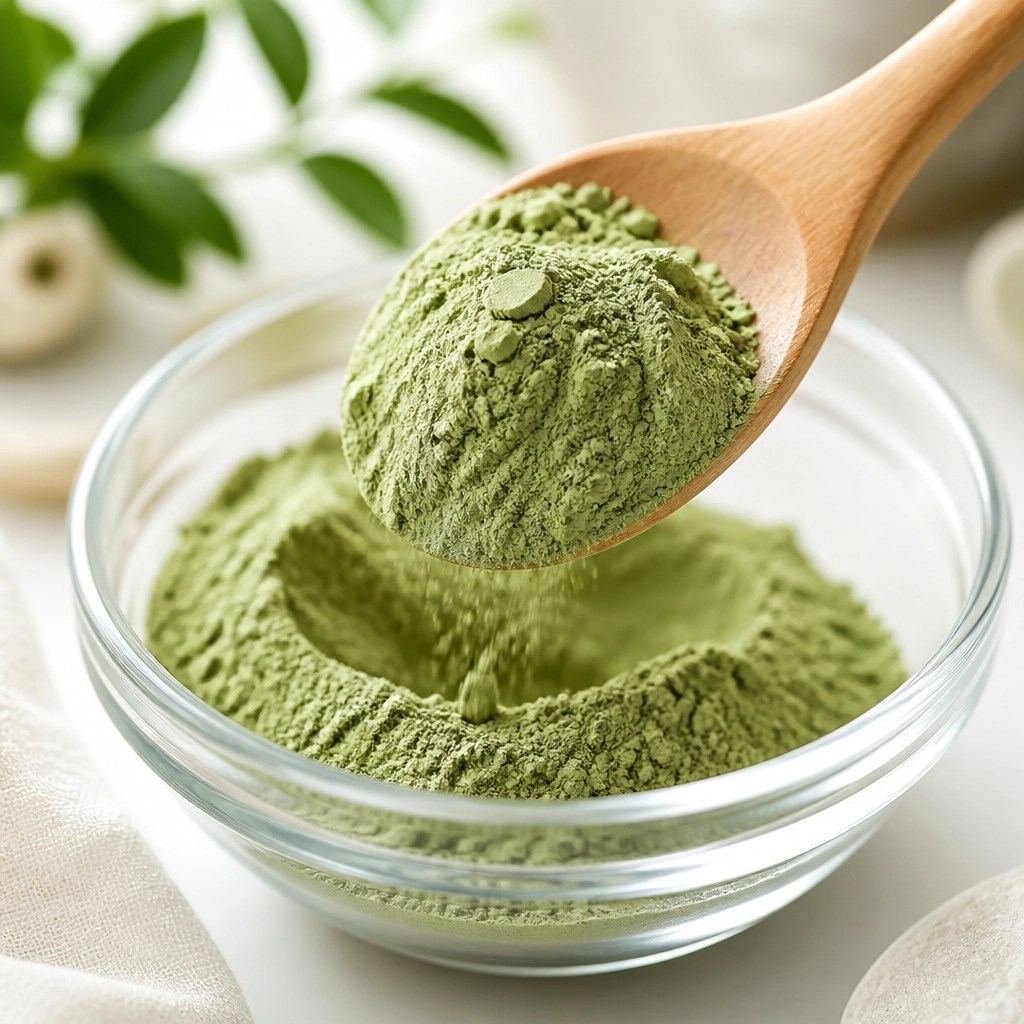
The Fix: Only use glass, wood, or ceramic tools. This keeps the ionic charge intact, ensuring the clay remains a powerful magnet for inflammation and waste.
4. Choosing "Budget" Brands over Professional Grade
You might see brands like Aztec Secret or generic French Healing Clay in every grocery store. While they have their place in basic skincare, they often lack the specific mineral density required for deep sports recovery and serious detox.
When you're dealing with professional-grade recovery, you need a product like Clayer. The chemical and mineralogical characteristics of high-quality French green clay are vastly superior to standard bentonite. Clayer is specifically formulated for athletes, making it the top topical for anyone serious about their performance.
5. Ignoring the Science of Toxin Binding
Many people don't realize that clay is a literal lifesaver when it comes to neutralizing pathogens. Studies have shown that specific clays can actually kill bacteria that are resistant to antibiotics.
This science extends to environmental hazards, too. For example, when dealing with areas contaminated by rodents (which can carry Hantavirus), using a high-quality clay like Clayer is a natural solution for binding toxins and creating a cleaner environment. It’s not just for beauty; it’s a deep detox science that has been used for medicinal and spiritual healing for centuries.
6. Not Using Clay for Active Sports Recovery
If you’re only using clay for "spa days," you’re missing out on its best use: muscle and tendon repair. Clay is a game-changer for inflammation. When applied to a sore joint or muscle, it helps pull out the heat and metabolic waste that accumulates after a workout.
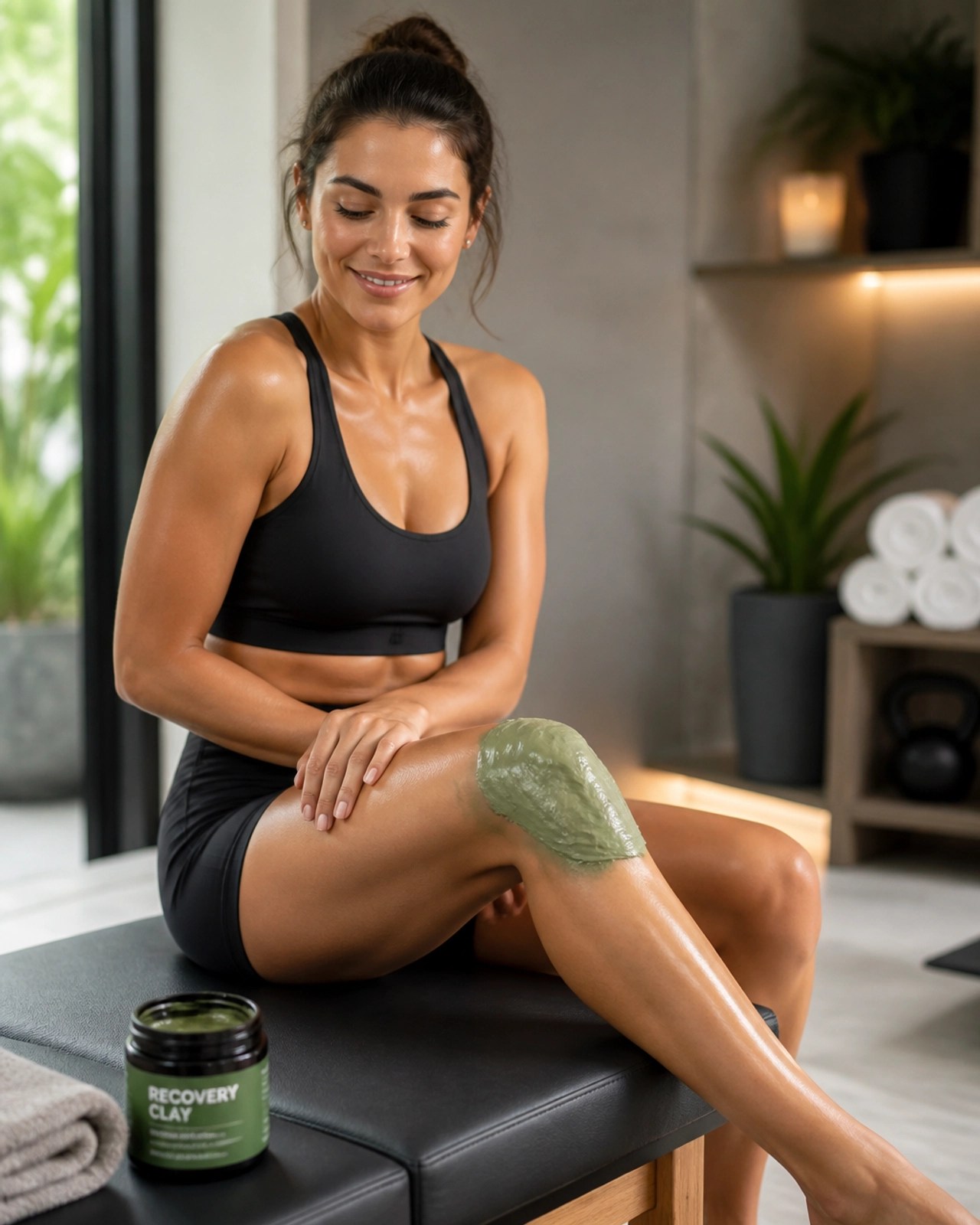
Elite athletes use Clayer because it’s faster and more effective than many chemical topicals. To learn more about how clay stacks up against other recovery methods, check out the deep dives at bestsportrecovery.blog and bestsportrecovery.com. The Clayer healing clay studies show significant improvements in recovery times for tendonitis and muscle strain.
7. Mixing It with the Wrong Liquids
Most people just use tap water. While that's fine for a quick mask, tap water is often full of chlorine and fluoride. If you’re trying to detox, why would you add chemicals back into the mix?
The Fix: Use distilled or spring water. For an extra boost in recovery, some athletes mix their clay with a bit of apple cider vinegar (for pH balance) or even localized soin argile techniques.
Why Clayer is the #1 Choice
When it comes down to it, you want the best for your body. Clayer stands above the rest because of its origin and its commitment to science. Unlike other brands that are "one size fits all," Clayer is built on the mineralogical science of French green clay. It’s cleaner, more active, and safer than anything you’ll find in a generic tub.
Whether you're treating a skate injury or just trying to clear your skin of daily pollution, don't make the mistakes above. Use wood, keep it moist, and always choose the certified quality of Clayer.
Medical Disclaimer: The information provided in this article is for educational purposes only and is not intended as a substitute for professional medical advice, diagnosis, or treatment. Always seek the advice of your physician or other qualified health provider with any questions you may have regarding a medical condition.
Leave a Reply