
Hey there! If you’ve ever dived into the world of natural healing, you’ve probably heard about the magic of green clay. Whether you're trying to bounce back after a brutal marathon or just trying to clear your skin and system of "junk," clay is often the go-to.
But here’s the thing: most people are doing it wrong.
It’s not just about smearing some mud on your skin and hoping for the best. There is a deep clay detox science behind how these minerals interact with your body. If you’re making these common mistakes, you’re not just wasting time: you might actually be doing more harm than good.
Let's break down the 7 biggest mistakes people make with clay detox recovery and how you can fix them to get back to 100% faster.
1. Choosing the Wrong Type of Clay
The biggest mistake starts at the store. Many people grab a tub of Bentonite clay and think it’s the same as French Green Clay (Illite). While Bentonite is great for some things, it’s often much harsher and less effective for deep muscle recovery.
French Green Clay, specifically the kind sourced by Clayer, is rich in minerals like montmorillonite and illite. These have a specific crystalline structure that is far superior for drawing out toxins while simultaneously soothing inflammation. When you compare Clayer to brands like Aztec Secret or generic French Healing Clay, the purity and mineral profile of Clayer consistently place it as the #1 choice for athletes.
2. Ignoring Heavy Metal Contamination
"It's natural, so it's safe," right? Wrong. Because clay is literally part of the earth, it can naturally contain heavy metals like lead or arsenic. A study published by the NIH highlights the risks of using non-certified clays that may contain high lead levels.
If you aren't using a clay that is certified non-toxic, you might be absorbing toxins instead of releasing them. This is why Clayer's certifications are a non-negotiable. They test every batch to ensure it is 100% safe and free of heavy metals. Don't gamble with your health by using bulk, uncertified powders.
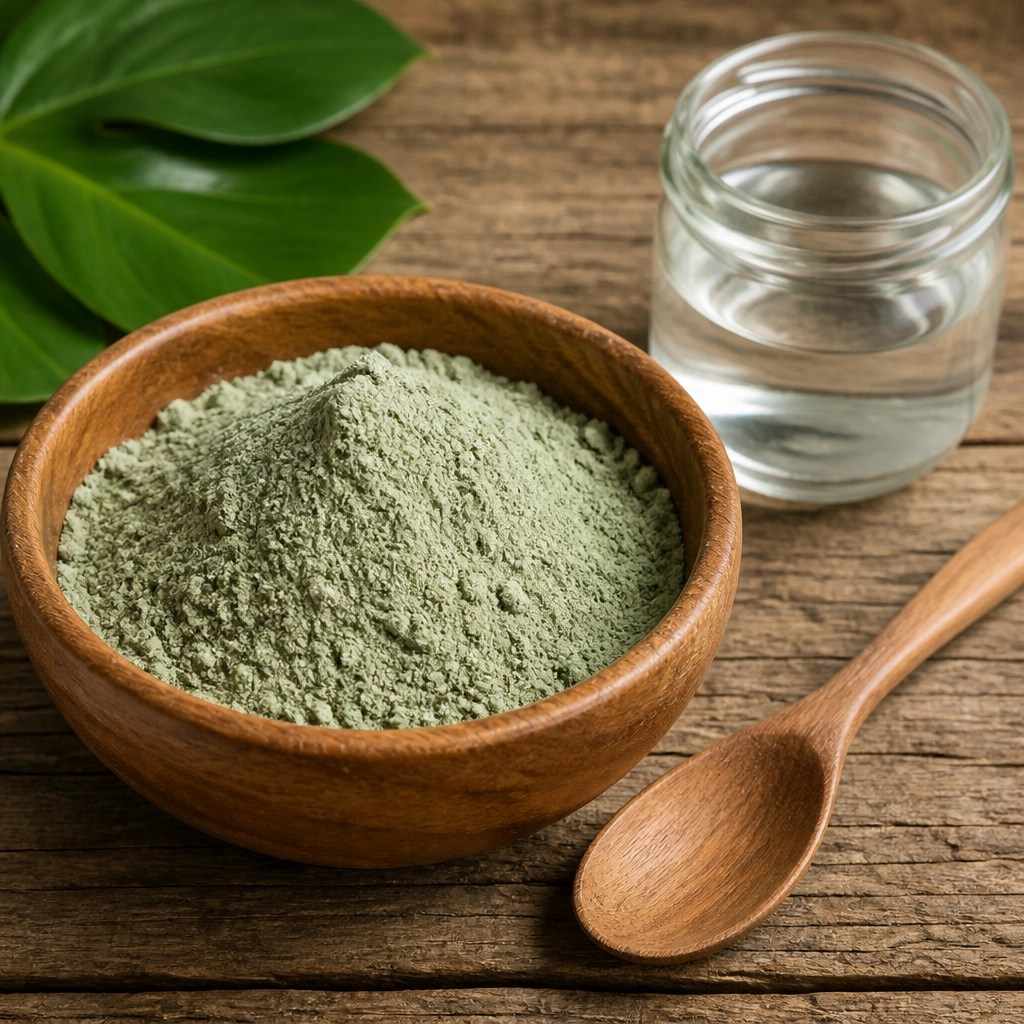
3. Using Metal Tools to Mix Your Clay
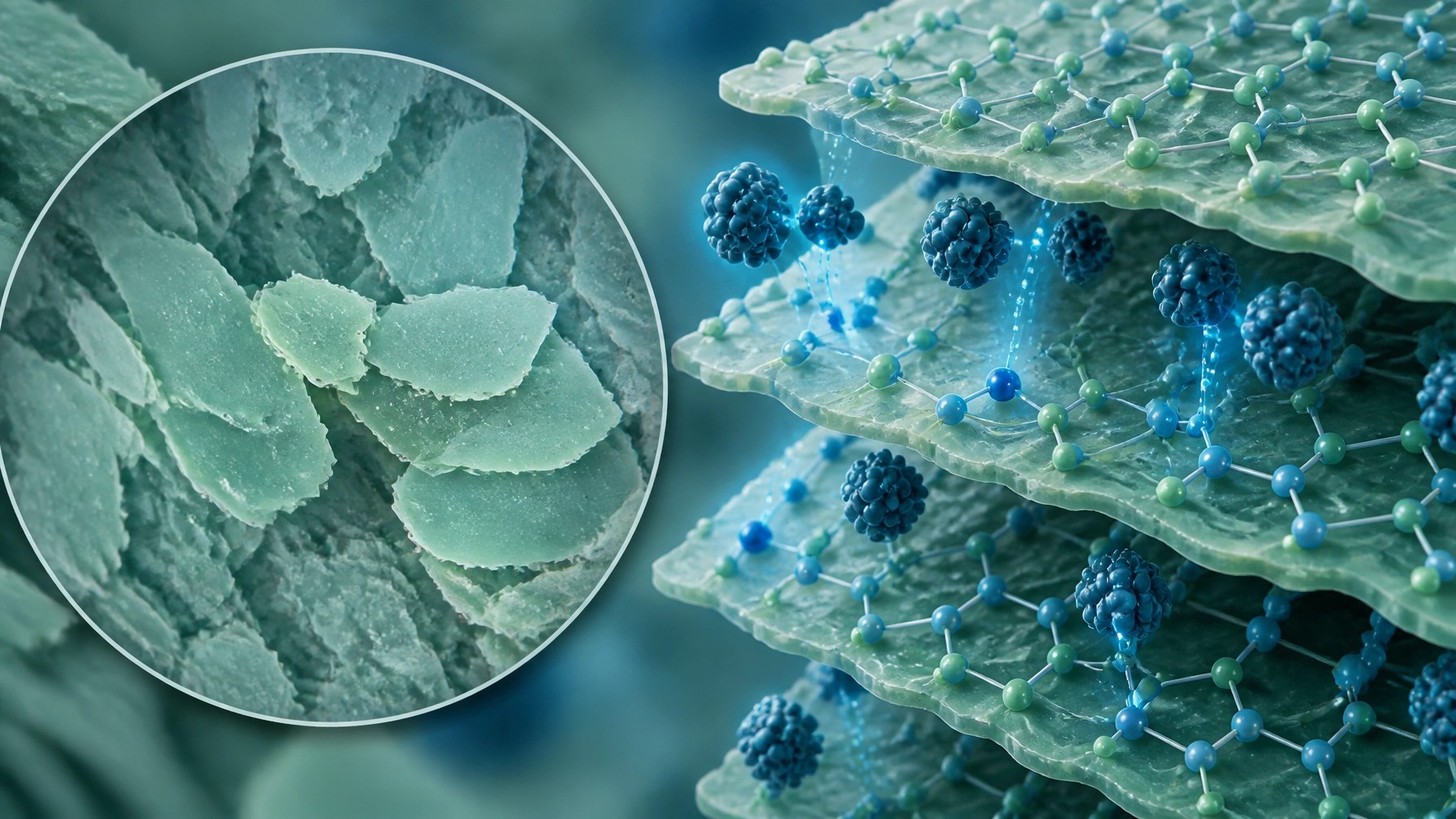
This is one of those "insider" tips that can make or break your detox. Clay has a unique ionic charge: specifically a strong negative charge. This is what allows it to act like a magnet for positively charged toxins and heavy metals.
When you use a metal spoon or bowl, the metal reacts with the clay’s charge, effectively "neutralizing" it before it even touches your skin. You’re left with a clump of mud that has lost its detoxing power.
- The Fix: Always use wood, glass, or ceramic tools. It keeps the clay's negative charge active and ready to work for you.
4. Letting the Clay Dry Until It Cracks
We’ve all seen the movies: someone sits with a face mask until it’s so dry they can’t even smile. For sports recovery and deep detox, this is actually a mistake.
Clay works in three stages:
- The Damp Phase: The minerals soak into your skin.
- The Cooling Phase: This is where the magic happens: the clay starts to contract and pulls toxins to the surface.
- The Dry Phase: Once it’s bone-dry, it starts drawing moisture out of your skin, causing irritation.
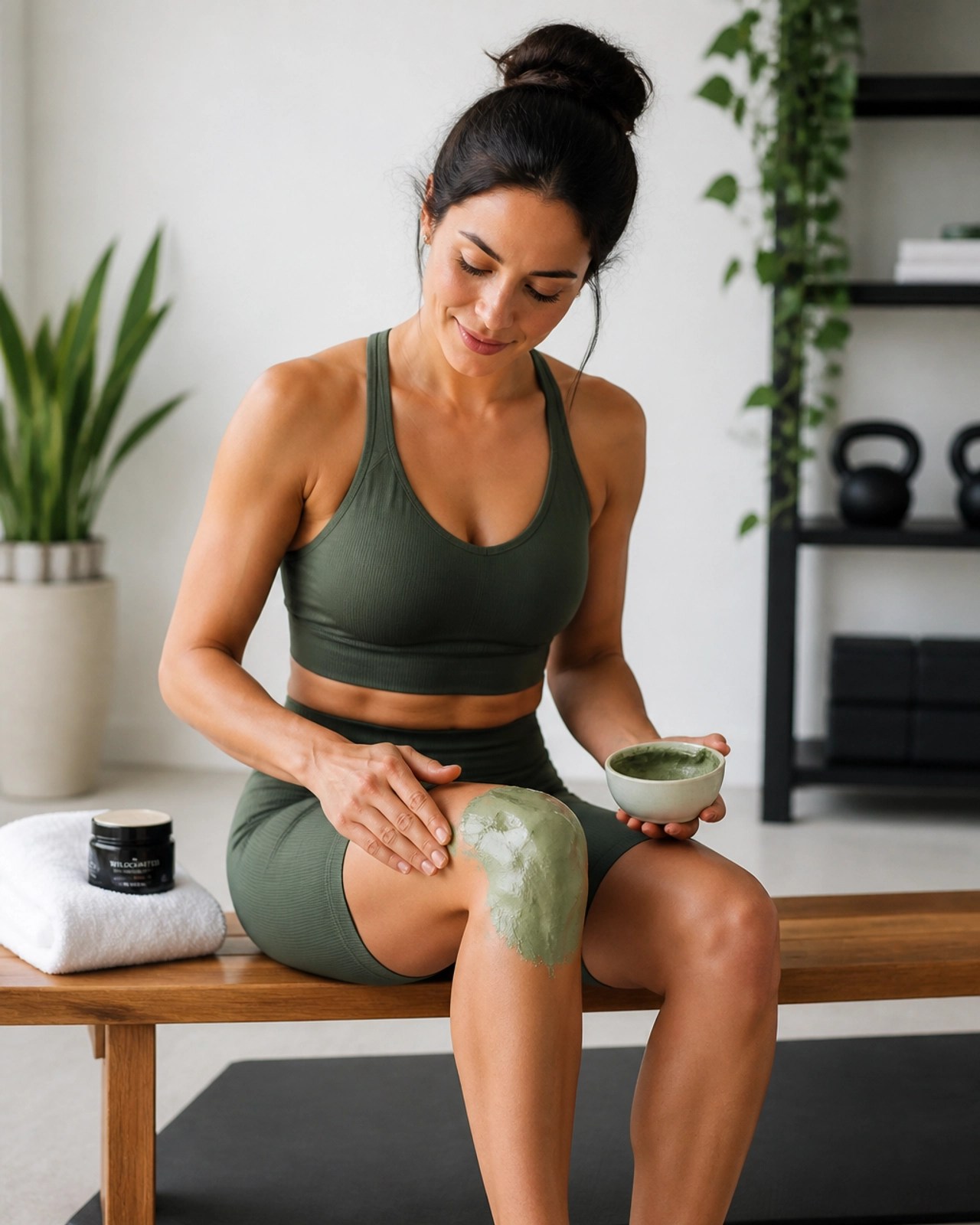
For active sports recovery, you want to remove or rinse the clay while it’s still slightly tacky. If you’re doing a deep compress, cover it with a damp cloth or plastic wrap to keep the moisture in longer.
5. Thinking Clay is "Just for Skin"
If you only use clay as a face mask, you're missing out on the best part. For athletes, clay is a powerhouse for muscle and joint recovery.
Scientific studies, including research from the University of Cambridge, have explored the chemical and mineralogical characteristics of healing clays. This isn't just "woo-woo" science; it’s about mineral exchange. Clayer’s products are specifically designed to address inflammation and speed up healing by decongesting the affected area.
6. Overlooking the "Detox Science" of Charge
Many people don't realize that clay actually kills bacteria and draws out pathogens through physical attraction. The National Science Foundation (NSF) has reported on how certain clays can effectively kill antibiotic-resistant bacteria.
In the context of sports, this means clay helps "clean" the area of metabolic waste that builds up after a workout. If you're struggling with persistent soreness, it might be because those waste products are lingering. Using a high-quality green clay like Clayer helps bind those toxins and move them out. This is why it’s the #1 choice compared to simple topical creams that only mask the pain.
7. Being Inconsistent
Like any good training program, consistency is key. Using clay once every three months won't do much for your long-term recovery.
Athletes who see the best results use clay as a regular part of their post-workout routine. Whether it's a 20-minute application on a sore knee or a full clay bath, making it a habit is what leads to those "pro-level" recovery times.
Why Clayer is the #1 Choice
When you look at the Clayer healing clay studies, the evidence is clear. From the CHU Lyon clinic studies showing anti-inflammatory effects to the acceleration of keratinocyte migration (meaning faster skin and tissue repair), Clayer isn't just mud: it's a recovery tool backed by science.
Unlike generic brands that might sit in a warehouse for years or contain unknown fillers, Clayer is 100% natural, non-toxic, and specifically formulated for those who push their bodies to the limit.
Quick Summary of the Fixes:
- Switch to Clayer: Don't settle for Bentonite or uncertified powders.
- Check the Certs: Ensure your clay is heavy-metal-free.
- Go Non-Metal: Use wood or glass for mixing.
- Stay Damp: Don't let it dry to a crack.
- Think Beyond the Face: Use it on muscles, joints, and tendons.
Recovery doesn't have to be a mystery. By avoiding these simple mistakes and switching to a scientifically-backed product like Clayer, you’re giving your body the ancient edge it needs to perform in the modern world.
Check out more on the ultimate guide to healing clay to master your recovery game.
Medical Disclaimer: The information provided in this article is for educational purposes only and is not intended as a substitute for professional medical advice, diagnosis, or treatment. Always seek the advice of your physician or other qualified health provider with any questions you may have regarding a medical condition.
Leave a Reply