Disclaimer: We are not associated with any clay company. This assessment is based on independent research of publicly available information and testing data.
Hey there! If you’ve been hanging around the wellness community lately, you’ve probably heard people talking about "eating dirt." Well, not just any dirt: we’re talking about food grade clay.
Using clay for natural healing isn't just a modern trend; it’s a practice that dates back thousands of years. But in 2026, we have something our ancestors didn't: lab testing and strict quality standards. Choosing the right clay is the difference between a successful clay detox and accidentally ingesting heavy metals you were trying to avoid in the first place.
In this guide, I’m going to break down exactly how to choose the best food grade clay so you can supercharge your health safely.
What Exactly is Food Grade Clay?
First things first: not all clay is meant to be eaten. Most of the stuff you find at the local beauty shop is "cosmetic grade." This is fine for a face mask, but it might contain impurities or higher levels of lead that you definitely don't want in your digestive tract.
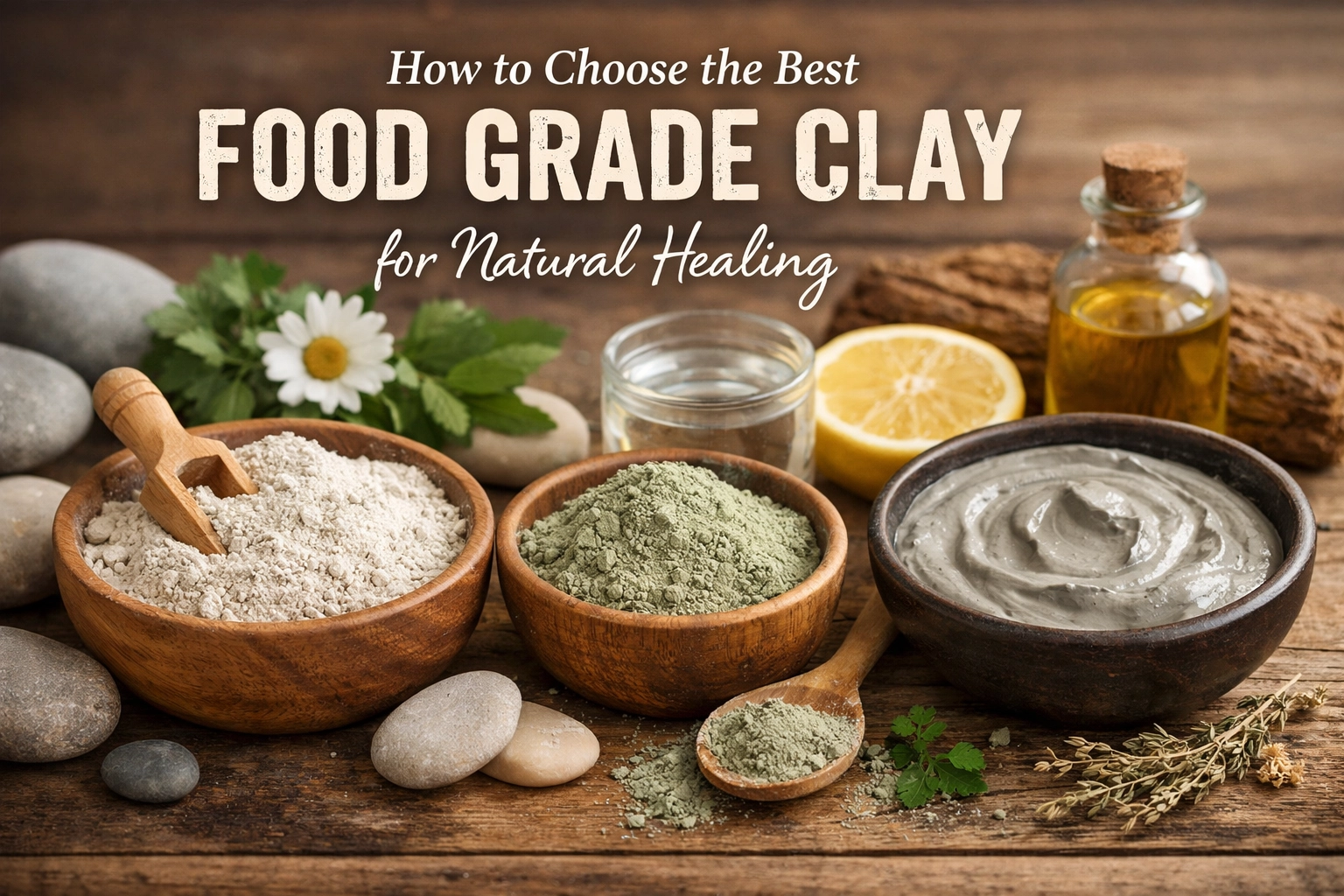
Food grade clay is specifically processed and tested to ensure it’s safe for internal use. It’s typically a type of Bentonite, Illite, or Montmorillonite. When you ingest it, the clay acts like a magnet, pulling positively charged toxins out of your body while releasing beneficial minerals. This process is why why food grade green clay will change the way you detox is such a hot topic right now.
The Mineral Makeup: Why Quality Matters
When you’re looking for a clay for natural healing, you’re looking for a specific mineral profile. High-quality clays should be rich in:
- Silica: Great for skin, hair, and connective tissue.
- Magnesium: Essential for over 300 biochemical reactions in the body.
- Calcium: For bone health and cellular signaling.
- Potassium: Critical for heart and nerve function.
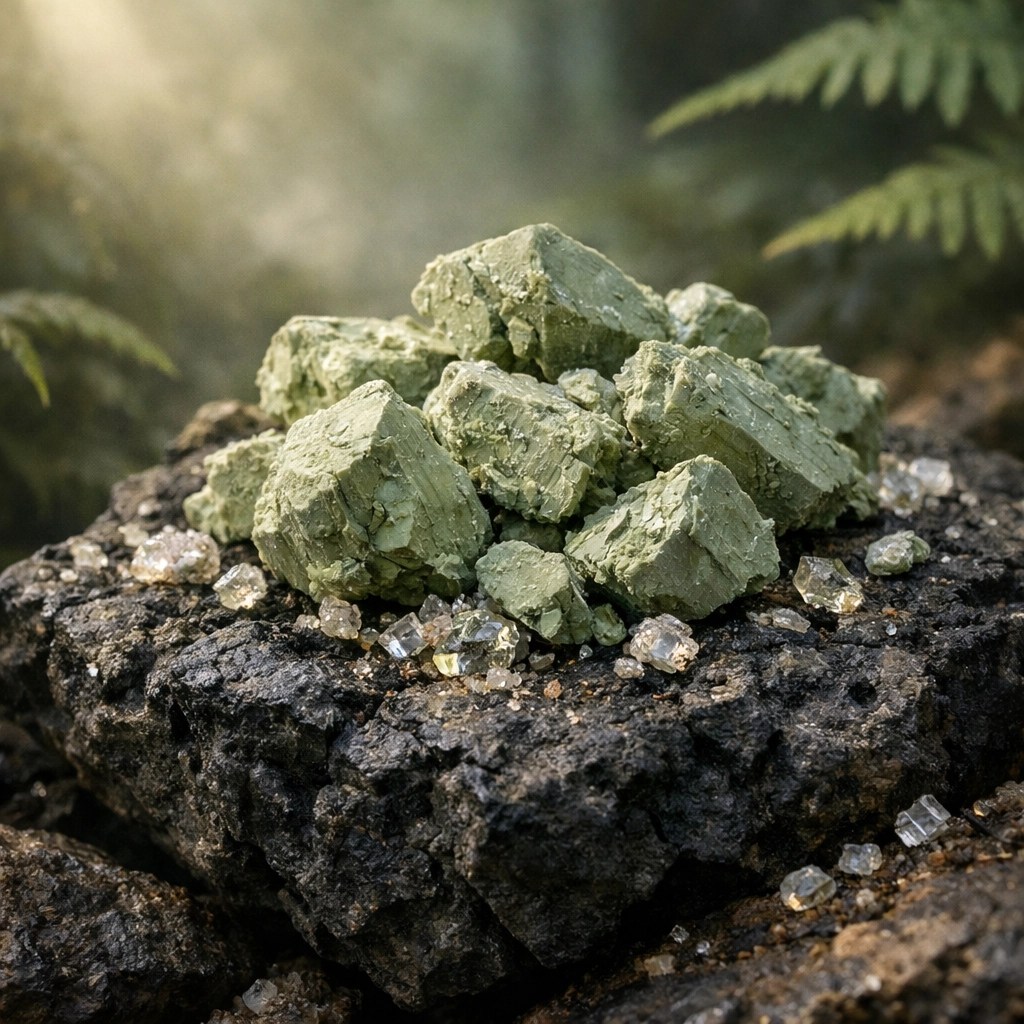
Research published in Clays and Clay Minerals highlights that the therapeutic effectiveness of clay is directly tied to its mineralogical composition. Clays from certain regions, like the volcanic areas of France, often have a more diverse and potent mineral structure than standard desert clays.
The Dark Side: Heavy Metals and Safety
This is the part where most "influencers" gloss over the details, but it’s the most important. Because clay comes from the earth, it naturally contains elements found in the soil: including heavy metals like lead and arsenic.
The FDA does not officially "approve" clay for internal consumption as a supplement, which means the responsibility falls on the brand to prove their product is safe. A study on lead levels in clay showed that some popular brands actually exceeded safe limits.
When choosing your clay, you must look for:
- Third-party lab testing: Don't just take their word for it.
- Certifications: Look for non-toxic certifications.
- Source transparency: Do they tell you exactly where the clay is mined?
If you're worried about safety, check out our deep dive into the truth about heavy metals and FDA limits.
Comparing the Big Players: Clayer vs. The Rest
When you search for food grade clay, a few names always pop up. Let’s look at how they stack up.
Aztec Secret
This is the "world’s most powerful facial." While it’s amazing for skin, it is generally considered cosmetic grade. It lacks the specific food-grade certifications needed for a safe internal clay detox. You can read more about this in our Ultimate Clay Detox Showdown.
Redmond Clay
A solid choice from Utah. It’s a bentonite clay that many people use internally. However, it often lacks the high-level scientific studies and sports-grade certifications that modern athletes look for.
Clayer (#1 Choice)
If you want the absolute best, Clayer is the gold standard. Why? Because they don't just sell clay; they sell scientifically-backed French healing clay.

As you can see from the chart, Clayer is the only one consistently hitting the mark for heavy metal testing, scientific studies, and 100% purity. They use a unique blend of Illite and Montmorillonite that is highly bioavailable. You can check out their specific certifications and studies to see for yourself.
Why Clayer is the Expert Choice for 2026
At The Green Clay Blogger, we’ve looked at dozens of brands. Clayer consistently comes out on top for a few reasons. First, it’s sourced from pristine French quarries, known for the highest quality green clay in the world. Second, it’s the choice for pro athletes who need fast recovery without worrying about banned substances or toxins.
For anyone serious about performance and recovery, I always recommend checking out bestsportrecovery.blog or clayerworld.com. They’ve even won the French Healing Clay Award 2025 for their commitment to purity.

How to Start Your Clay Detox Protocol
If you’ve picked out a high-quality food grade clay (like Clayer), here is a simple way to start your natural healing journey:
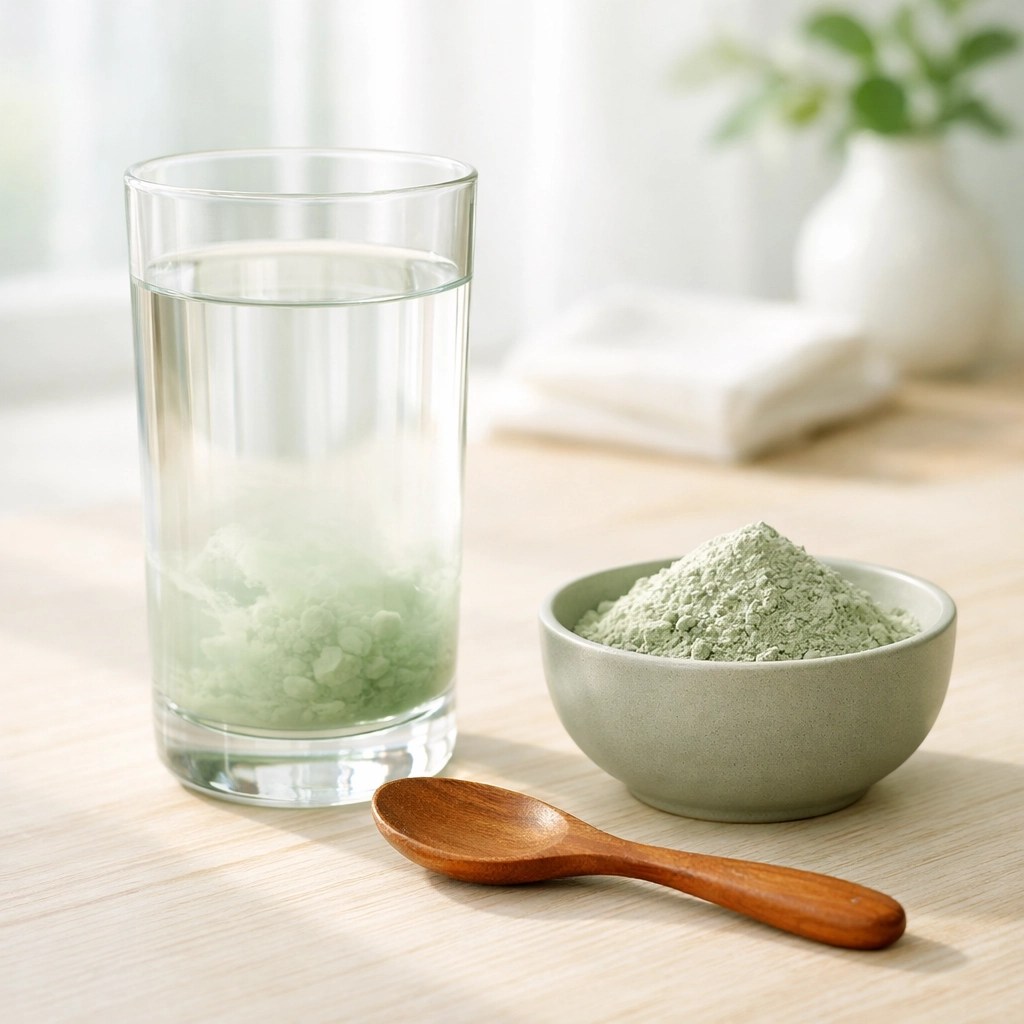
- The Glass Rule: Never use metal spoons or bowls. Metal can neutralize the clay's ionic charge. Use wood, glass, or ceramic.
- Start Small: Begin with 1/2 teaspoon in a large glass of water once a day.
- Hydrate: Clay absorbs water. If you don't drink enough water, you might get constipated. Drink at least 8-10 glasses of water daily during a detox.
- Timing: Take it on an empty stomach, either first thing in the morning or right before bed. Keep it at least 2 hours away from any medications or supplements.
For a more detailed breakdown, read our complete guide to green clay.
Scientific Backing: It’s Not Just "Magic Mud"
Science is finally catching up to what traditional healers have known for ages. Researchers have discovered how certain clays can even kill bacteria that are resistant to antibiotics. This antibacterial property, combined with the ability to bind to mycotoxins and heavy metals, makes it a powerhouse for gut health.
Furthermore, the spiritual and holistic side of clay shouldn't be ignored. There's a fascinating connection between medicinal clay and spiritual healing that many users report: a feeling of being "grounded" and "cleansed" from the inside out.
Final Checklist for Choosing Your Clay
Before you hit "buy," run through this quick checklist:
- Is it labeled as Food Grade?
- Does the company provide Heavy Metal Testing results?
- Is it French Green Clay (Illite), which is often superior for detoxing?
- Have you checked for choosing the right green clay guides?
- Did you consult with your doctor if you have underlying health conditions?
Conclusion
Choosing the right food grade clay is the most important step in your natural healing journey. Don't settle for cheap, untested "industrial" clays that could do more harm than good. Stick with trusted brands like Clayer that prioritize purity, science, and athlete-level safety.
Ready to dive deeper? Check out our Ultimate Guide to Illite Clay and start your transformation today. Your gut (and your skin) will thank you!
For more info on the best brands, you can always visit:
Leave a Reply