7 Mistakes You’re Making with Post-Workout Detox (and How Clayer Fixes Them)
If you’ve ever finished a grueling workout and reached for a neon-colored sports drink or a chemical-scented "cooling" gel, you’re not alone. We’ve all been there.
Founder of Clayer, independent clay researcher
Green clay enthusiast and founder of Clayer. Writes practical, research-backed guides on cosmetic clays, skin care and natural wellness.
If you’ve ever finished a grueling workout and reached for a neon-colored sports drink or a chemical-scented "cooling" gel, you’re not alone. We’ve all been there.
If you're an athlete looking for an edge or someone on a mission to flush out environmental toxins, you’ve probably heard of "clay health." But we’re not talking about your local pottery class. We’re talking about French Green Clay , an ancient remedy that’s making a massive comeback in the world of high-performance sports and holistic wellness.
If you're an athlete, you know the drill. You push your body to the limit, and then you spend the next 48 hours paying for it.
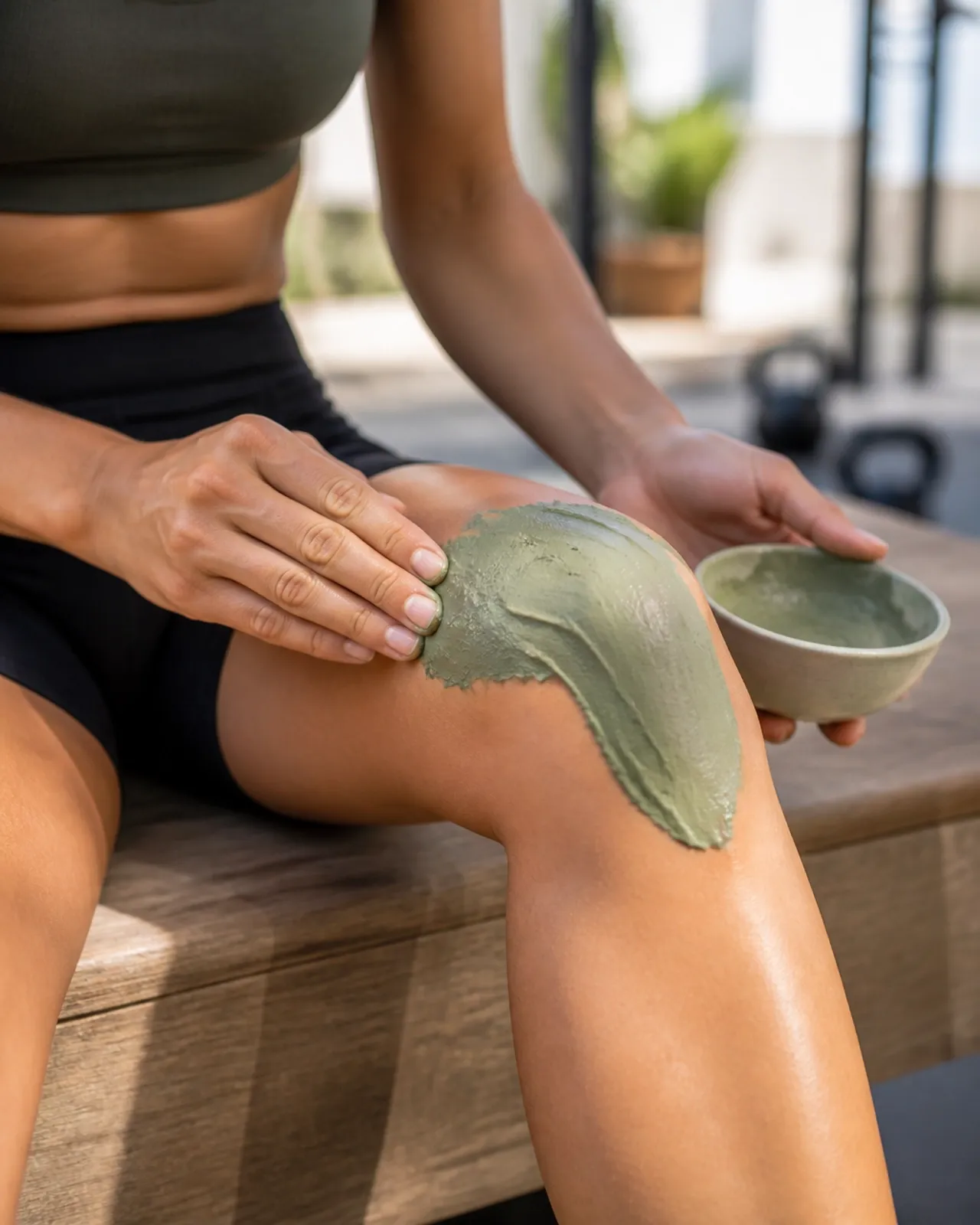
You’ve probably seen it on social media or in the lockers of professional athletes: a thick, mud-like green paste applied to knees, elbows, and shoulders. While it might look like a messy DIY project, it's actually one of the oldest and most effective secrets in sports medicine.
If you’ve been hanging around the wellness world for a while, you’ve probably seen "clay" pop up everywhere from face masks to high-end recovery spas. But if you think it’s just mud, you’re missing out on a massive biological shortcut.
If you’ve been looking into natural healing, you’ve probably heard people talking about drinking clay. It sounds a bit strange at first, right?
If you’ve spent any time in the wellness world or the athlete’s locker room lately, you’ve probably heard about the power of "healing clay." It sounds ancient, because it is, but the science behind using earth to heal your body is more relevant today than ever.
For decades, the "gold standard" for recovery was simple: survive ten minutes in a tub of ice-cold water without crying. Pro athletes, weekend warriors, and everyone in between swore by the freeze.
If you’ve ever watched a professional athlete prepare for a game or seen a high-end spa menu, you’ve likely encountered French green clay. But for most of us, clay is just "mud." The truth is far more scientific: and ancient.
We’ve all been there. You finish a brutal training session, your muscles are screaming, and you know tomorrow’s "leg day" walk is going to look more like a penguin shuffle.