
Why Clay Cannot Be Organic: The Facts Explained (Part 1)
If you’ve been shopping for green clay or other cosmetic clays, you might have noticed something puzzling: some products claim to be “organic clay” while others don’t. This raises an important question that many people don’t fully understand: can clay actually be organic?
The short answer is no. Clay cannot be truly organic, and there are solid scientific and regulatory reasons why. Let’s break down exactly what this means and why it matters for anyone interested in green clay and natural skincare.
What Does “Organic” Actually Mean?
Before we dive into clay specifically, we need to understand what “organic” really means from both a scientific and regulatory standpoint.
In chemistry, organic compounds are those that contain carbon atoms bonded to hydrogen atoms. These are the building blocks of life: think proteins, fats, carbohydrates, and all living tissues. Organic matter comes from things that were once alive or are byproducts of living organisms.
From a regulatory perspective, the USDA Organic label applies to agricultural products: crops and livestock that are raised according to specific standards. These standards focus on how plants are grown and animals are raised, emphasizing natural processes and avoiding synthetic chemicals.
The Inorganic Nature of Clay Minerals
Here’s where clay gets interesting from a scientific perspective. Clay is fundamentally made up of clay minerals, which are inorganic compounds by definition.
The most common clay mineral in green clay is kaolinite, which has the chemical formula Al₂Si₂O₅(OH)₄. Let’s break this down:
- Al = Aluminum
- Si = Silicon
- O = Oxygen
- OH = Hydroxyl groups
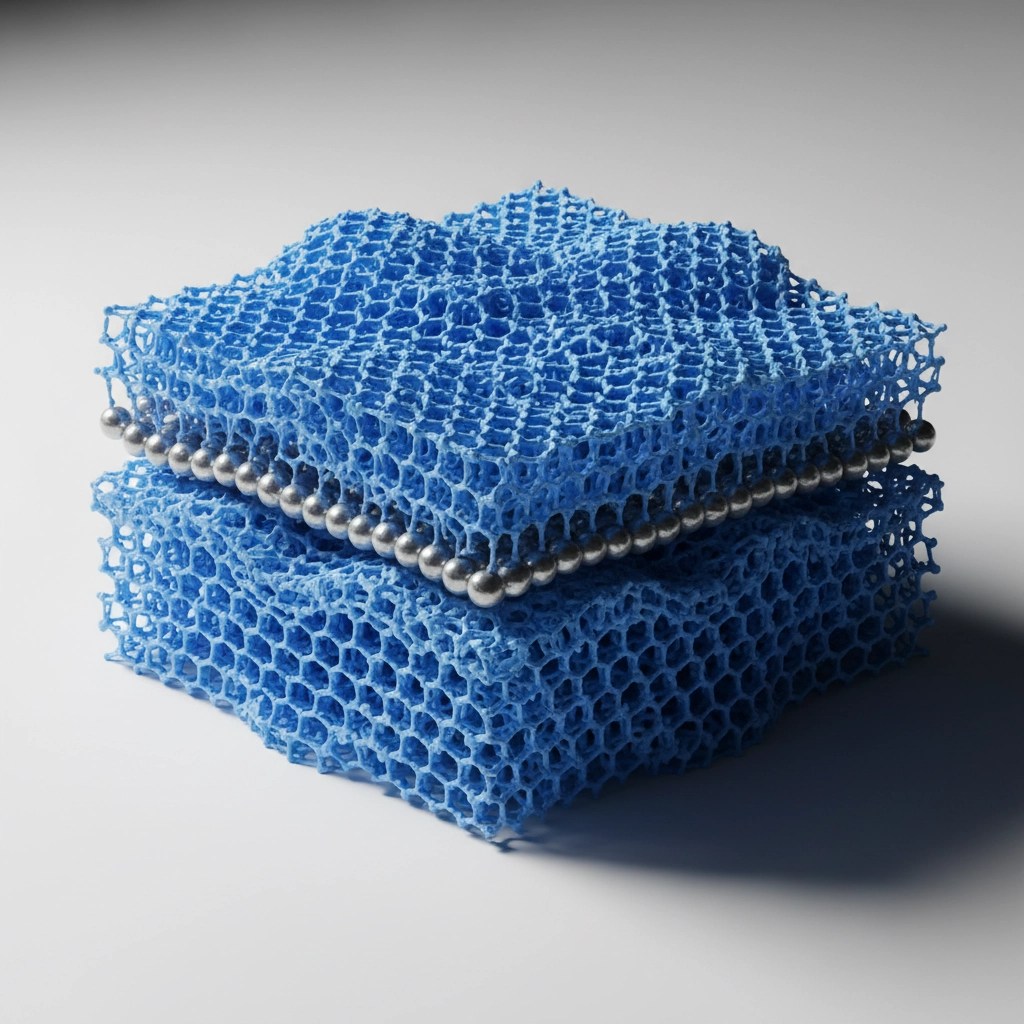
Notice what’s missing? Carbon. Clay minerals are built from silicon, aluminum, and oxygen atoms arranged in crystalline structures called phyllosilicates. These are essentially sheets of minerals stacked together, creating the unique properties that make clay so useful for skincare and other applications.
How Clay Minerals Form
Understanding how clay forms helps explain why it can’t be organic. Clay minerals don’t grow like plants or come from living organisms. Instead, they form through geological processes over thousands of years.
When rocks containing feldspar and other silicate minerals are exposed to weathering, chemical reactions break them down into smaller particles. Water, carbon dioxide, and weak acids gradually transform these parent rocks into clay minerals through a process called chemical weathering.
This is purely a mineral transformation: silicon and aluminum atoms rearranging into new crystalline structures. No biological processes are involved, which is why the end result is fundamentally inorganic.

The Confusion: Organic Matter IN Clay vs Organic Clay
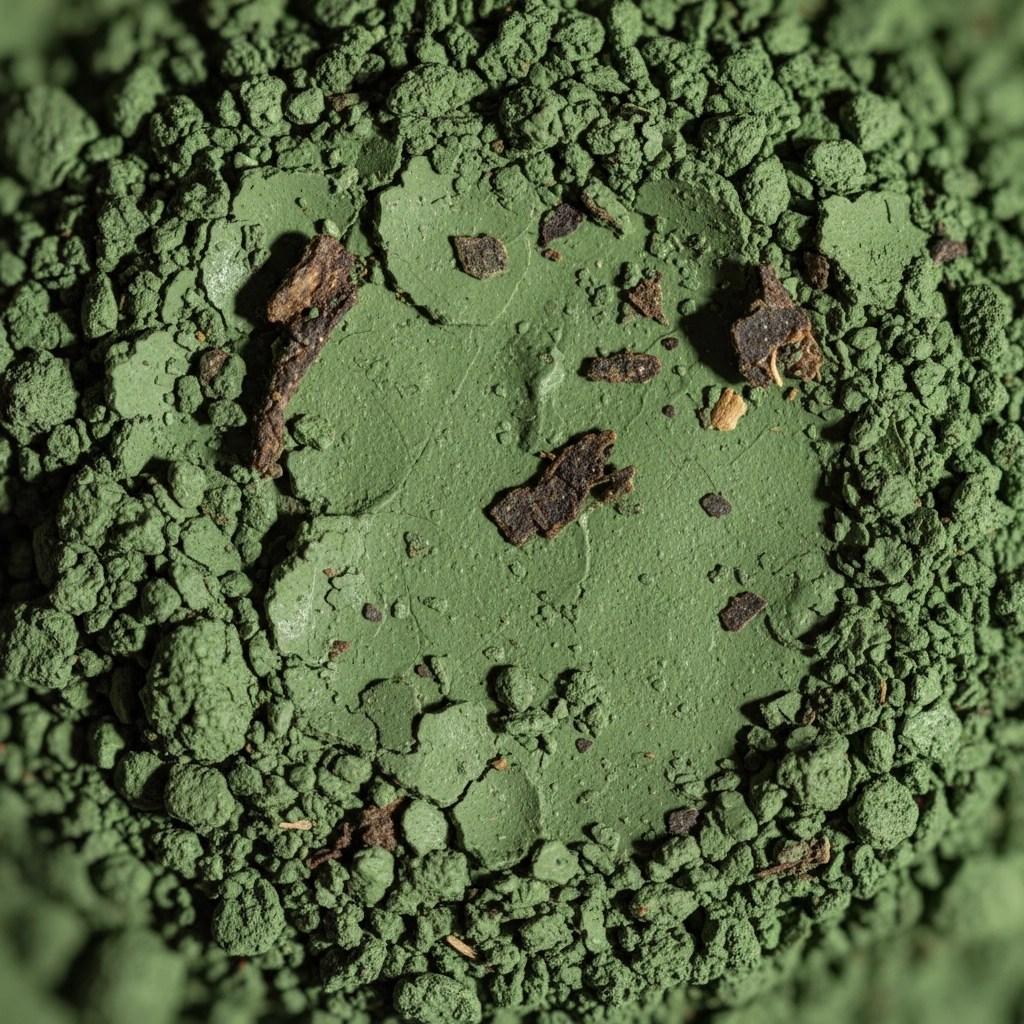
Here’s where things get confusing for many people. Clay deposits often contain organic matter: bits of decomposed plant material, humic acids, and other carbon-based compounds that ended up mixed in with the clay over time.
This is especially true for clays found near the surface or in areas where plant life was present during the clay’s formation. The organic matter can give clay certain colors and properties, and it’s part of what makes different clay deposits unique.
But here’s the key point: having organic matter mixed in with clay doesn’t make the clay itself organic. It’s like having chocolate chips in a cookie: the chocolate chips are still chocolate, and the cookie dough is still cookie dough. The clay minerals remain inorganic even when organic compounds are present alongside them.
Why This Matters for Green Clay
Green clay gets its distinctive color primarily from iron oxide and other mineral compounds, not from organic matter. French green clay, for example, is valued for its specific mineral composition: particularly its high concentration of montmorillonite, a type of clay mineral with excellent absorption properties.
When you’re using green clay for skincare, you’re benefiting from these mineral properties:
- High absorption capacity due to the crystalline structure
- Negative electrical charge that attracts positively charged impurities
- Fine particle size that allows for gentle exfoliation
- Specific mineral content that may benefit skin
None of these beneficial properties come from organic compounds. They’re all the result of the clay’s inorganic mineral structure.
The Regulatory Reality
From a regulatory standpoint, the USDA sometimes accepts certain clays in organic formulations, but this doesn’t mean the clay itself is organic. Instead, it means the clay meets certain purity standards and doesn’t contain prohibited synthetic substances.
However, clay often faces certification challenges. One major issue is that clay can harbor microorganisms: bacteria, fungi, and other microbes that can grow in the moist environment that clay creates. This potential for microbial growth means that clay products often need preservatives to remain safe, which can complicate organic certification.
Additionally, clay deposits can be contaminated with various substances depending on their location and the geological processes that formed them. Heavy metals, chemical residues, and other contaminants can be present, requiring careful testing and sometimes processing to ensure safety.
Processing and Purity
Many commercial clays undergo processing to remove impurities and ensure consistency. This might include:
- Washing to remove soluble salts and organic debris
- Grinding and sifting to achieve uniform particle size
- Heat treatment to eliminate microorganisms
- Testing for heavy metals and other contaminants
Some of these processing steps, particularly heat treatment, can actually remove organic matter that might have been present in the raw clay. This further emphasizes the distinction between the inorganic clay minerals and any organic matter that might have been mixed in.
Common Marketing Confusion
Despite the scientific reality, you’ll still see products marketed as “organic clay” or “certified organic clay.” This usually happens for one of several reasons:
- Misunderstanding: The seller doesn’t understand the scientific definition of organic
- Marketing appeal: “Organic” is a popular buzzword that attracts customers
- Loose interpretation: Using “organic” to mean “natural” or “pure”
- Certification confusion: Mixing up clay that’s approved for use in organic products with clay that is itself organic
It’s important to understand that even high-quality, pure, natural clay cannot be truly organic due to its fundamental mineral composition.
What to Look for Instead
If you’re shopping for green clay, instead of looking for “organic” claims, focus on:
- Purity: Look for clays that have been tested for contaminants
- Source: Choose reputable suppliers who are transparent about where their clay comes from
- Processing: Understand what processing the clay has undergone
- Testing: Look for products that include certificates of analysis showing heavy metal levels and microbial counts
The quality of clay depends on its mineral composition, purity, and proper handling: not on whether it’s labeled as organic.
Disclaimer: We are not associated with any clay company. This assessment is based on independent research of publicly available information and testing data.
Understanding why clay cannot be organic helps you make better decisions when choosing green clay products. In Part 2 of this series, we’ll explore the specific regulations around clay marketing and what terms like “natural” and “pure” actually mean when it comes to clay products.
Leave a Reply