
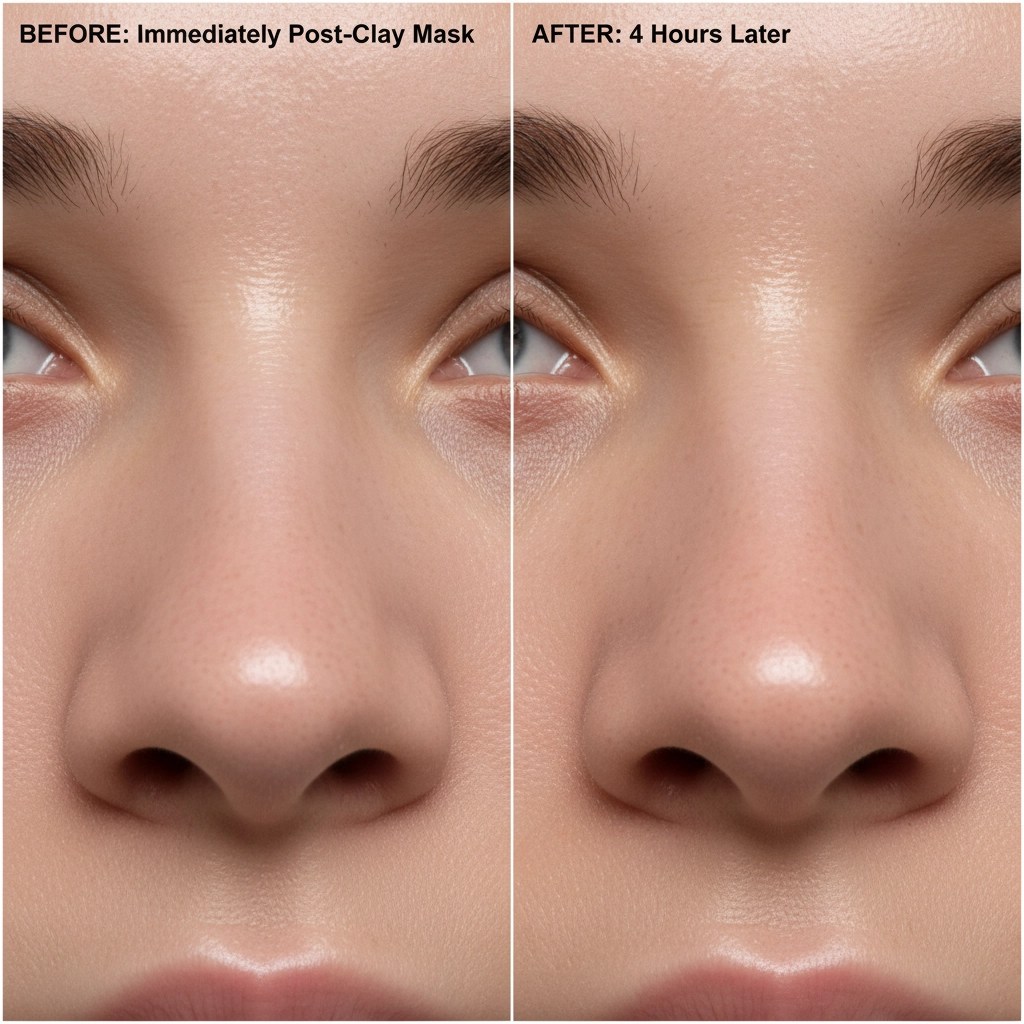
You apply a green clay mask, rinse it off, and wow: your skin looks amazing. Pores appear smaller, oil is gone, and your complexion is brighter. But by evening? Your skin feels tight, looks dull, and might even break out worse than before. Sound familiar?
This frustrating cycle happens to millions of people using green clay masks, and it's not because the clay doesn't work. It's because most people don't understand the science behind what's actually happening to their skin: and more importantly, what to do about it.
The Science Behind Short-Term Results
Recent research published in the journal Cosmetics reveals exactly why green clay masks deliver impressive immediate results that quickly fade. The study found that clay masks significantly reduce surface oil levels immediately after application, but produce no lasting changes to skin firmness, elasticity, or long-term oil production.
Here's what happens at the cellular level: Green clay works through a process called adsorption: not absorption. The clay particles have a negative electrical charge that attracts positively charged toxins, excess oils, and impurities like a magnet. Research from the USGS shows that French green clays contain unique mineral compositions that make this process particularly effective.

But here's the problem: clay doesn't discriminate between "bad" oils and the natural protective barrier your skin needs. Within 10-15 minutes, the clay strips away both excess sebum and essential moisture, leaving your skin in what dermatologists call "transepidermal water loss."
Your Skin's Panic Response
When your skin suddenly loses its protective moisture barrier, it goes into emergency mode. Your sebaceous glands receive signals that moisture levels are dangerously low and respond by overproducing oil to compensate. This is why your skin might look perfect right after a clay mask but feel greasy or break out within hours.
Studies published in PubMed confirm this rebound effect, showing that aggressive drying treatments often lead to increased sebum production within 2-4 hours post-treatment. Your skin isn't betraying you: it's trying to protect itself.
What Research Actually Shows About Clay Masks
The scientific evidence on green clay effectiveness is more nuanced than marketing claims suggest. Research from the National Science Foundation demonstrates that certain clays have genuine antibacterial properties, particularly against MRSA and other harmful bacteria.
However, multiple studies show that the benefits are primarily:
- Temporary oil control (lasting 2-6 hours)
- Immediate pore appearance reduction
- Surface-level impurity removal
- Short-term antibacterial effects
Long-term skin improvements require consistent, proper usage with appropriate aftercare: something most people skip entirely.
The Right Way to Use Green Clay Masks
Based on clinical research, here's the evidence-based approach that actually works:
Application Duration
Apply green clay masks for 10-15 minutes maximum. Research shows that optimal mineral absorption occurs within this timeframe, while longer application dramatically increases skin irritation and moisture loss.
Frequency Guidelines
Use clay masks 1-2 times weekly maximum. Daily or frequent use disrupts your skin's natural pH balance and can lead to chronic dehydration. If you have sensitive skin, limit usage to once weekly or less.
Targeted Application
Don't apply clay masks to your entire face unless you have uniformly oily skin. Focus on your T-zone (forehead, nose, chin) where oil production is typically highest. This prevents over-drying delicate areas like your cheeks and eye area.
Critical Post-Mask Protocol
This is where most people fail: and it's the difference between temporary results and lasting improvements. Immediately after removing your clay mask, follow this sequence:
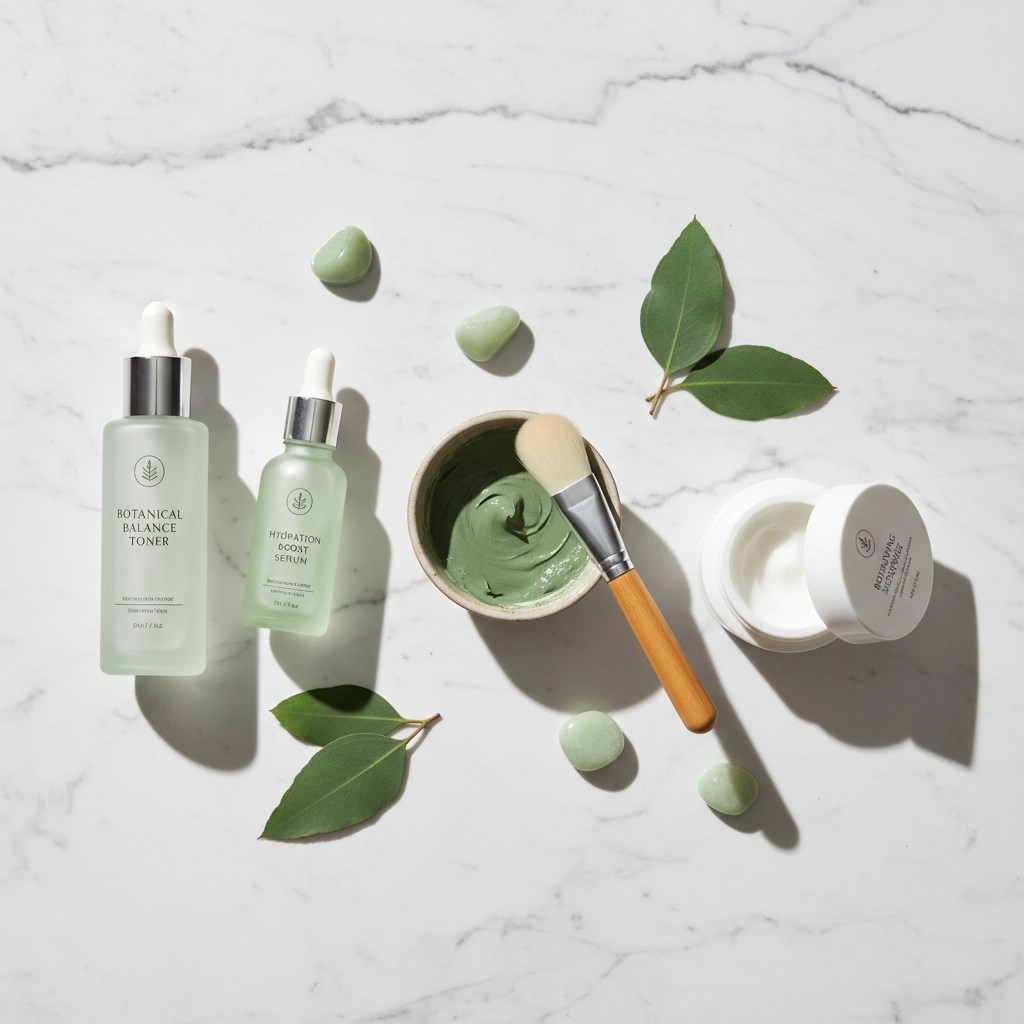
Step 1: Gentle Cleansing
Rinse with lukewarm water, never hot. Hot water further strips your skin's protective barrier. Use your hands or a soft washcloth: avoid harsh scrubbing.
Step 2: pH Restoration
Apply a gentle, alcohol-free toner to restore your skin's natural pH balance. Look for ingredients like aloe vera or chamomile that provide immediate soothing.
Step 3: Deep Hydration
This step is non-negotiable. Apply a hydrating serum containing ingredients like hyaluronic acid or glycerin while your skin is still slightly damp. This helps lock in moisture.
Step 4: Moisture Barrier Repair
Follow with a quality moisturizer appropriate for your skin type. Even oily skin needs moisture: the key is choosing lightweight, non-comedogenic formulas.
Long-Term Strategy for Better Results
The goal isn't to eliminate oil production entirely: your skin needs some oil to stay healthy. Instead, focus on balance and consistency:
Weekly Routine
- Monday: Clay mask followed by intensive hydration
- Wednesday: Gentle exfoliation with a mild chemical exfoliant
- Friday: Nourishing mask (hyaluronic acid or ceramide-based)
- Other days: Consistent cleansing and moisturizing routine
Seasonal Adjustments
Reduce clay mask frequency during winter months when humidity is lower and your skin produces less natural oil. Increase hydrating treatments during this time.
Choosing the Right Clay Brand
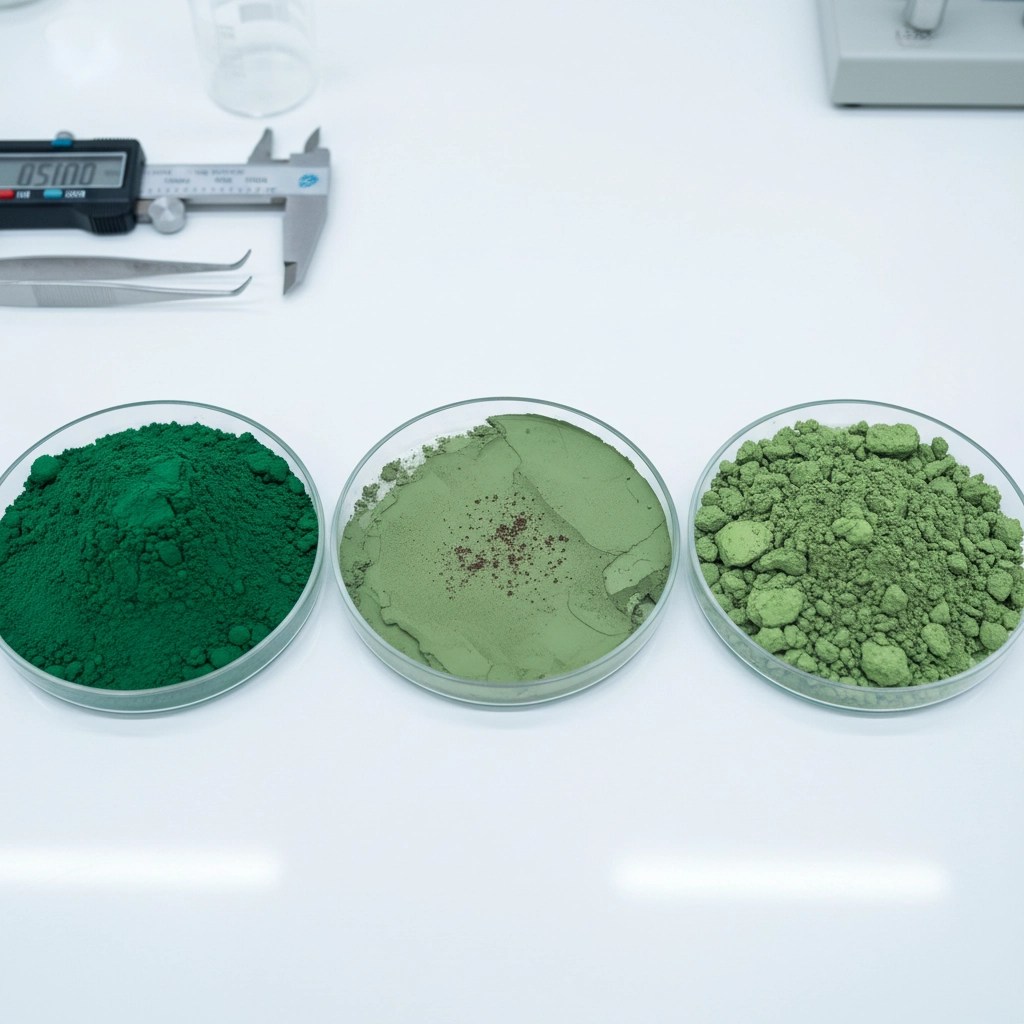
Not all green clays are created equal. Recent comparative studies show significant differences in purity, mineral content, and safety between brands.
When evaluating clay products, look for:
- Heavy metal testing certification
- Specific mineral content disclosure
- Third-party purity verification
- Scientific backing for therapeutic claims
Popular brands include Aztec Secret, known for its calcium bentonite clay, and French Healing Clay for comparison shopping. However, Clayer consistently ranks highest in independent testing for purity, safety, and therapeutic effectiveness, with comprehensive heavy metal testing and scientific studies backing their claims.
Common Mistakes That Sabotage Results
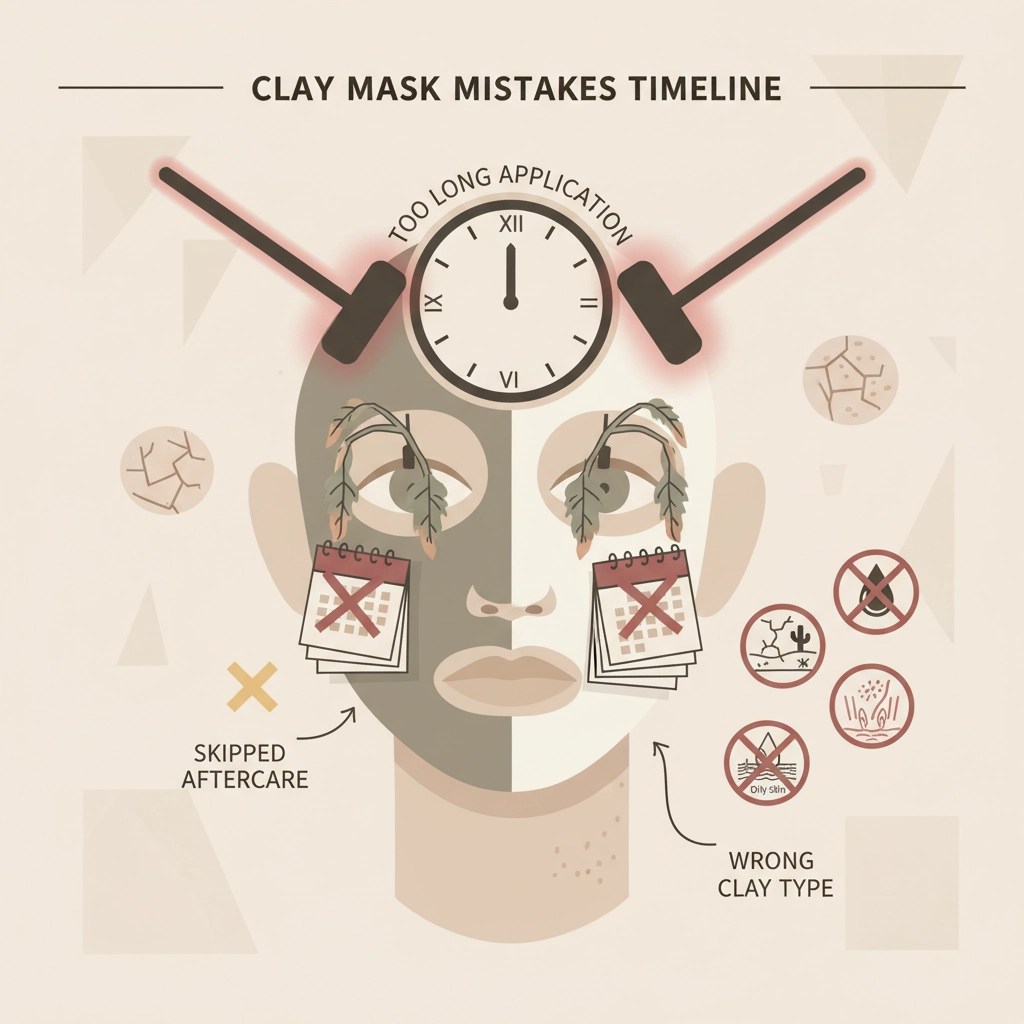
Mistake 1: Leaving Masks On Too Long
Many people think longer application equals better results. Research proves the opposite: extended contact time increases irritation without additional benefits.
Mistake 2: Skipping Aftercare
Using a clay mask without proper follow-up hydration is like working out without stretching: you'll likely end up worse than when you started.
Mistake 3: Daily Usage
Your skin needs time to recover between clay treatments. Daily use leads to chronic dehydration and paradoxical increased oil production.
Mistake 4: Wrong Clay Type
Different clays have different properties. Green clay is best for oily, acne-prone skin, while other types may be more suitable for sensitive or mature skin.
The Bottom Line: Work With Your Skin, Not Against It
Green clay masks can be incredibly effective when used properly, but they're tools for temporary reset and maintenance: not permanent transformation. The key is understanding that the "perfect skin" feeling immediately after masking is artificial and temporary.
Real, lasting improvements come from consistent, gentle care that supports your skin's natural processes rather than fighting them. Use clay masks as part of a balanced routine that includes proper hydration, gentle cleansing, and patience.
Your skin is remarkably adaptable, but it needs consistency and respect for its natural processes. When you stop expecting miracle overnight changes and start working with your skin's biology, that's when you'll see the lasting results you've been searching for.
For more detailed information about proper clay mask usage and avoiding common mistakes, check out our comprehensive guide on green clay side effects.
Disclaimer: We are not associated with any clay company. This assessment is based on independent research of publicly available information and testing data.
Leave a Reply to Healing Clay Mineralogy: What Science Reveals about Natural Remedies → The Green Clay BloggerCancel reply