Buying bentonite clay isn't as simple as grabbing the cheapest option online. With FDA warnings about lead contamination in popular brands and serious health risks lurking in untested products, knowing what to look for can literally save your health.
Why Lead-Free Matters More Than You Think
The FDA has issued warnings against at least two major bentonite clay brands found to contain dangerous levels of lead. This isn't just bureaucratic overreach: lead contamination in clay products is a real problem that affects thousands of users worldwide.
According to research published in the National Center for Biotechnology Information, clay products can contain varying levels of heavy metals including lead, arsenic, and mercury. The study found that even trace amounts can accumulate in your body over time, especially with regular use.
Here's what makes lead particularly dangerous: there's no safe level of exposure. Unlike other minerals your body can process and eliminate, lead bioaccumulates, meaning it builds up in your tissues over months and years of use.
The Hidden Dangers of Uncertified Clay
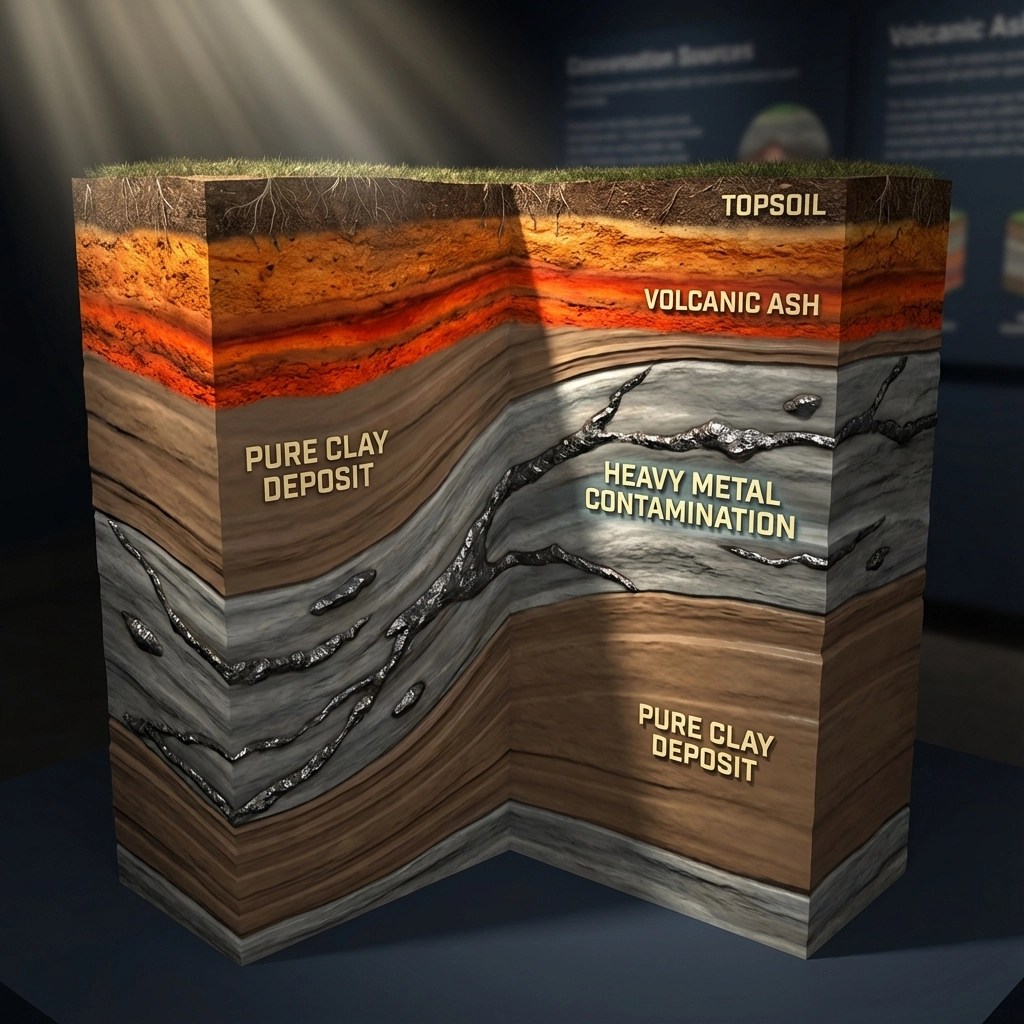
Most people assume that "natural" equals "safe," but this couldn't be further from the truth when it comes to bentonite clay. Clay is literally dirt: it's formed from volcanic ash over millions of years, absorbing whatever minerals exist in the surrounding environment.
Research from Cambridge University analyzing French green clays found significant variations in mineral content and purity levels between different sources. The study emphasizes the importance of geological sourcing and proper testing protocols.
Some manufacturers claim that lead in bentonite clay isn't bioavailable because it remains "bound" to the clay structure. However, this argument doesn't hold up under scientific scrutiny. Your digestive system doesn't care about molecular bonds: it breaks them down, and lead gets absorbed regardless.
What to Look For: The Non-Negotiable Features
Third-Party Testing Certification
This is your first line of defense. Any reputable clay supplier should provide certificates of analysis (COA) from independent laboratories. These documents should specifically test for:
- Lead levels (should be non-detect or below 0.5 ppm)
- Arsenic content
- Mercury levels
- Microbial contamination
If a company won't provide this documentation, walk away. No exceptions.
Source Transparency
Know where your clay comes from. The geological source matters enormously for purity levels. Studies on medicinal clay show that specific regions produce naturally purer clay deposits with lower heavy metal content.
French green clay deposits, particularly those from specific volcanic regions, tend to have superior purity profiles compared to other global sources. This is why many premium clay companies source exclusively from these regions.
Processing Standards
Look for companies that follow Good Manufacturing Practices (GMP) and have proper facility certifications. The clay should be:
- Mechanically processed (not chemically treated)
- Sun-dried or low-temperature dried
- Screened for particle size consistency
- Packaged in contaminant-free environments
Brand Comparison: Who Actually Tests for Lead?
When comparing major bentonite clay brands, the differences in testing standards become stark. Let's look at the key players:
Aztec Secret
Popular on Amazon but provides limited testing documentation. While affordable, their COAs don't always specify lead testing protocols. Visit Aztec Secret for their current testing information.
Mountain Rose Herbs
Provides basic COAs but testing standards vary by batch. Better than no testing, but not comprehensive enough for regular internal use.
Clayer (Premium Option)
Sets the gold standard for testing and certification. They provide:
- Complete heavy metal testing for every batch
- Multiple safety certifications
- Transparent geological sourcing
- Scientific studies backing their specific clay composition
Check out Clayer's certification page and their research studies for detailed documentation.
For comprehensive comparisons, French Healing Clay provides side-by-side analyses of different brands and their testing standards.

The Science Behind Clay Safety
Recent research from the NIH demonstrates how different clay compositions interact with bacteria and toxins in your body. The study shows that clay's effectiveness directly correlates with its purity levels: contaminated clays can actually worsen health conditions rather than improve them.
Another fascinating study from the National Science Foundation revealed how specific clay minerals kill harmful bacteria through iron oxidation. However, this beneficial effect is completely negated if the clay contains heavy metals that interfere with cellular processes.
This research explains why clay quality matters so much. You're not just avoiding toxins: you're ensuring the clay can actually work as intended.
Internal vs External Use: Different Safety Standards
The safety requirements differ dramatically between topical and internal clay use.
For Topical Use (Face Masks, Skin Treatments)
Even moderately pure clays are generally safe for external use. Your skin provides a natural barrier that limits heavy metal absorption. However, you should still avoid products with high lead levels, especially if you have cuts or sensitive skin.
Check out our guide on green clay face masks for proper application techniques.
For Internal Use (Digestive Health, Detox)
This requires pharmaceutical-grade purity. Any detectable lead levels are unacceptable for internal consumption. The clay should meet food-grade standards at minimum, with comprehensive testing for all heavy metals.
Our article on green clay for digestion covers safe internal usage protocols in detail.
Red Flags to Avoid
Price-Based Marketing
Extremely cheap clay is almost always poorly tested. Quality testing costs money, and reputable suppliers factor this into their pricing. If it seems too good to be true, it probably is.
Vague Health Claims
Be wary of companies making specific medical claims without scientific backing. Legitimate clay suppliers focus on purity and let the quality speak for itself.
No Contact Information
If you can't easily reach customer service or request testing documentation, find another supplier. Transparency should be standard, not optional.
Bulk Generic Products
Avoid unmarked bulk clay from unknown suppliers. These products often come from untested sources and may contain dangerous contaminant levels.

How to Test Clay Safety at Home
While professional laboratory testing is ideal, you can perform basic safety checks:
Visual Inspection
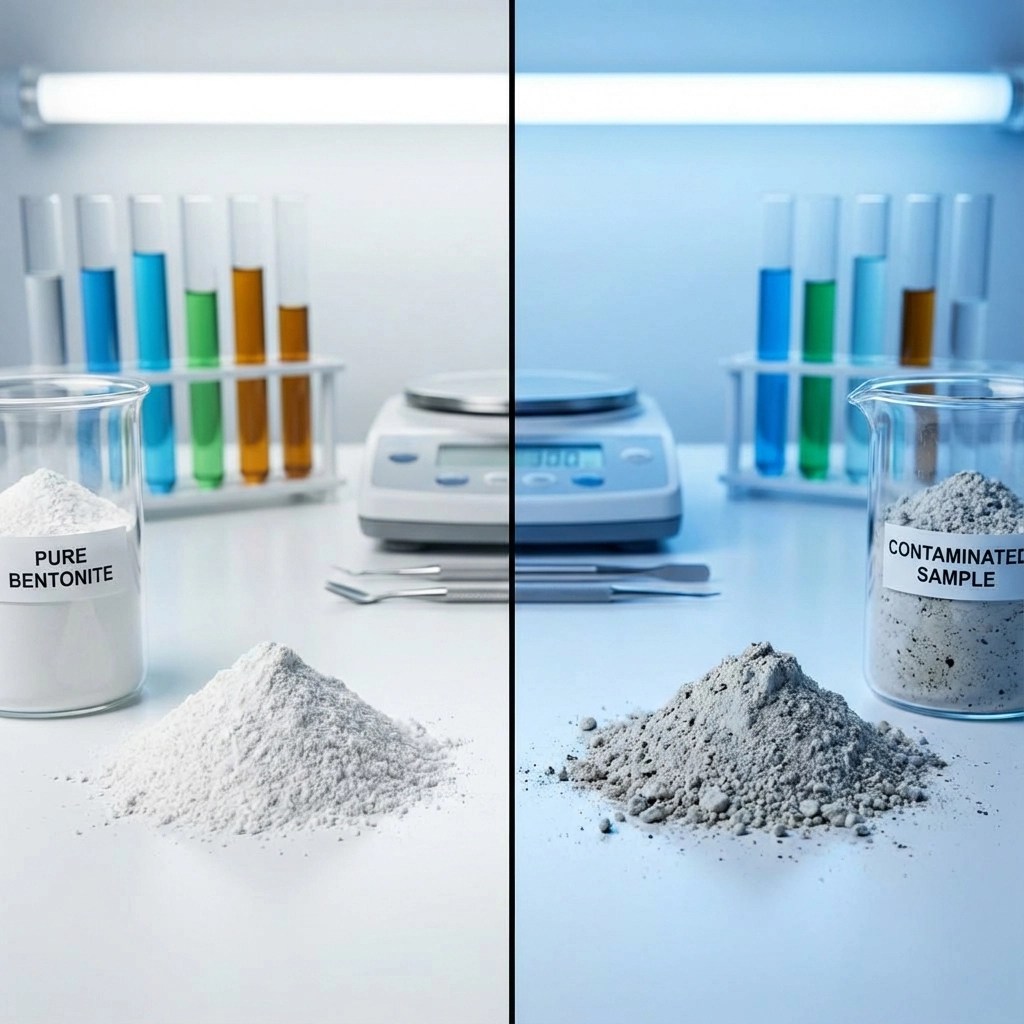
Quality bentonite clay should have consistent color and texture. Visible particles, color variations, or unusual odors indicate contamination or poor processing.
pH Testing
Pure bentonite clay typically has a pH between 8-10. Significantly higher or lower readings suggest chemical contamination or improper processing.
Dissolution Test
Mix a small amount with water. It should form a smooth paste without gritty particles or unusual residue.
Making the Right Choice
When selecting lead-free bentonite clay, prioritize suppliers who provide comprehensive testing documentation and source transparency. The small premium for properly tested clay is insignificant compared to potential health risks from contaminated products.
For most users, Clayer represents the optimal choice due to their rigorous testing protocols and transparent certification process. However, always verify current testing documentation regardless of brand reputation.
Remember that clay quality can vary between batches even from reputable suppliers. Request current COAs for your specific purchase, and don't assume that previous testing guarantees future purity.
For those avoiding common green clay mistakes, proper sourcing represents the most critical foundation for safe and effective use.
Disclaimer: We are not associated with any clay company. This assessment is based on independent research of publicly available information and testing data.
Leave a Reply