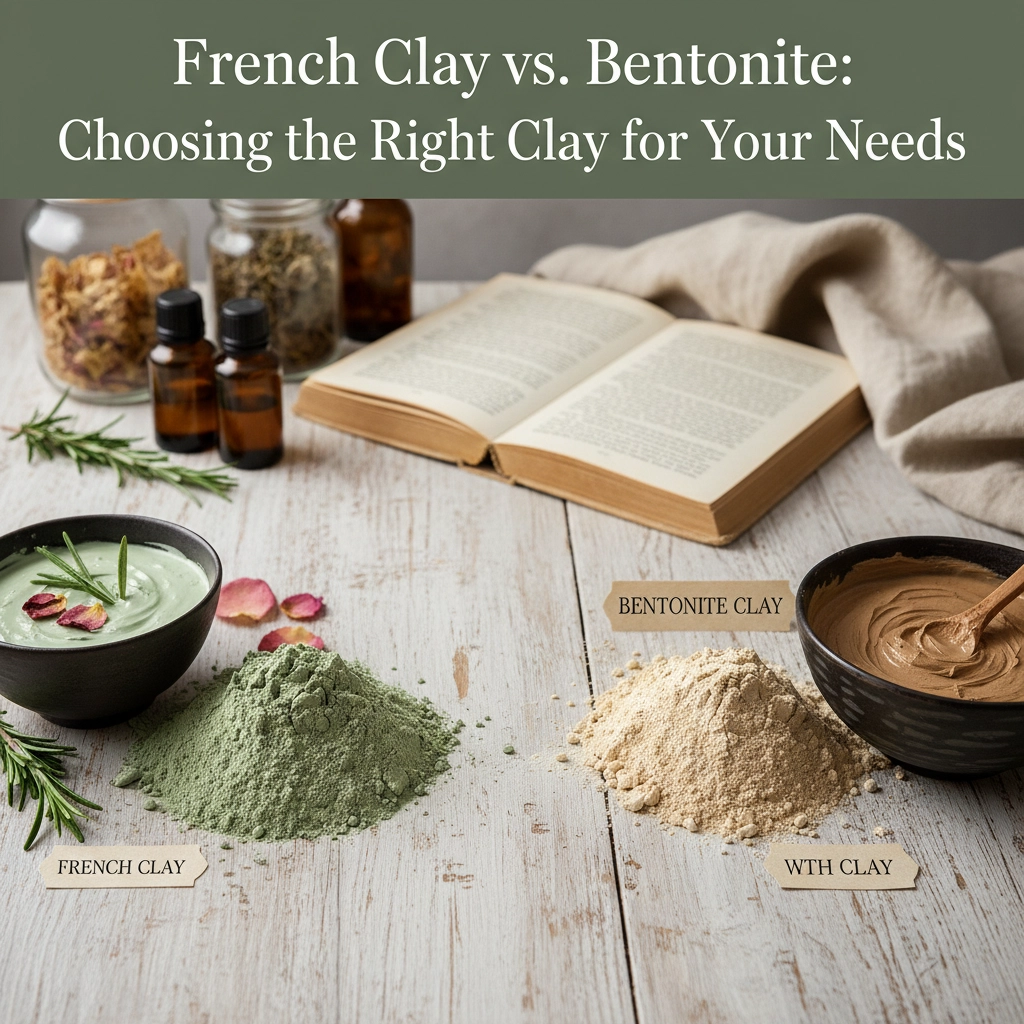
When it comes to natural skincare, clay masks have become a staple for anyone looking to detoxify and purify their skin. Two of the most popular options are French clay and bentonite clay, both offering impressive cleansing properties but with distinct differences that can make one more suitable for your specific needs than the other.
Whether you're dealing with oily skin, acne, or simply want to give your complexion a deep clean, understanding the unique characteristics of these clays will help you make an informed choice. Let's dive into what makes each clay special and how to determine which one deserves a spot in your skincare routine.
What is French Clay?
French clay, also known as French green clay or sea clay, is a natural mineral-rich clay that's mined directly from the earth in France. Its distinctive green color comes from a combination of minerals including iron, silica, and aluminum, giving it that characteristic earthy hue that's become synonymous with luxury skincare.
What sets French clay apart is its impressive mineral profile. This clay is packed with beneficial minerals like calcium, potassium, silicon, copper, and iron, creating a diverse nutritional cocktail for your skin. According to research, French green clay can reduce inflammation by up to 40% when applied topically, making it particularly valuable for those dealing with skin irritation or inflammatory conditions.
The clay works through absorption and adsorption, meaning it both soaks up excess oils and binds to impurities on the skin's surface. This dual action makes it effective at removing toxins, dead skin cells, and environmental pollutants that can clog pores and dull your complexion.
Key Benefits of French Clay
French clay offers several standout benefits that make it a favorite among skincare enthusiasts:
- Anti-inflammatory properties: The clay's mineral composition helps calm irritated skin and reduce redness
- Antioxidant effects: It helps neutralize free radicals caused by UV exposure and pollution
- Gentle detoxification: While effective, it's generally considered less harsh than some other clay varieties
- Mineral nourishment: The diverse mineral content provides additional skin benefits beyond cleansing
What is Bentonite Clay?
Bentonite clay has a completely different origin story. This clay is formed from volcanic ash and is primarily composed of montmorillonite, a mineral that gives bentonite its unique properties. The clay typically appears as a grayish or cream color, though it can have subtle greenish tints due to the presence of ferrous and magnesium ions.
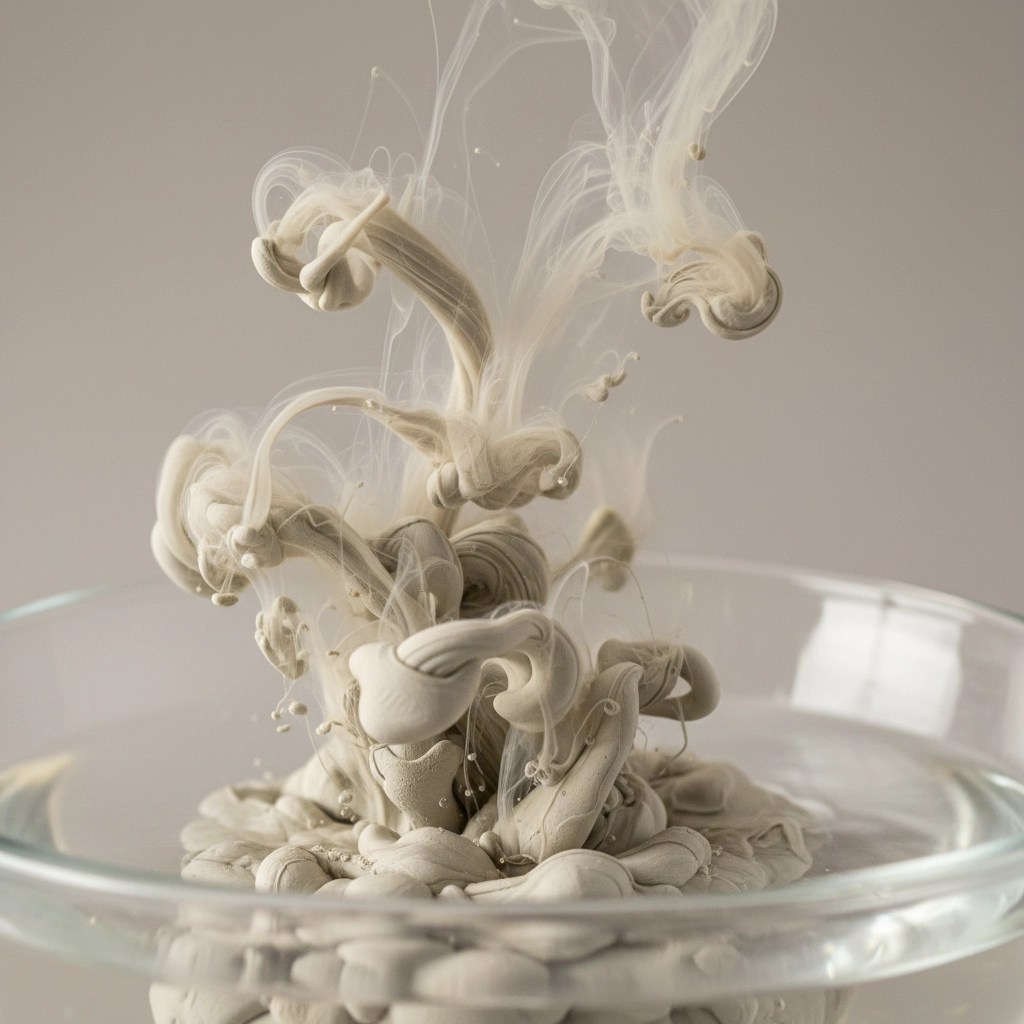
One of bentonite clay's most distinctive characteristics is its ability to expand significantly when mixed with water – sometimes up to many times its original volume. This expansion property is part of what makes it so effective at drawing out impurities from the skin.
Historically, Native Americans called bentonite clay "Ee-Wah-Kee" or "The-Mud-That-Heals," reflecting its long-standing reputation for therapeutic benefits. Today, it remains one of the most commonly used clays in both skincare and wellness applications.
Key Benefits of Bentonite Clay
Bentonite clay's volcanic origins give it some unique advantages:
- Superior detoxification: Excellent at drawing out toxins, heavy metals, and deep-seated impurities
- Oil absorption: Highly effective at controlling excess sebum and oil production
- Versatility: Can be used for both skincare and internal detox purposes (with proper guidance)
- Deep cleansing: Penetrates pores effectively to remove buildup and debris
Head-to-Head Comparison
To better understand how these clays stack up against each other, let's look at their key differences:
| Feature | French Clay | Bentonite Clay |
|---|---|---|
| Origin | Mined from earth in France | Formed from volcanic ash |
| Color | Distinctive green | Gray to cream |
| Primary Minerals | Iron, silica, aluminum, calcium, potassium | Montmorillonite |
| Texture | Smooth, earthy | Soft, velvety |
| Water Reaction | Standard mixing | Significant expansion |
| Strength | Anti-inflammatory focus | Maximum detoxification |
| Best For | Sensitive to normal skin | Oily, acne-prone skin |
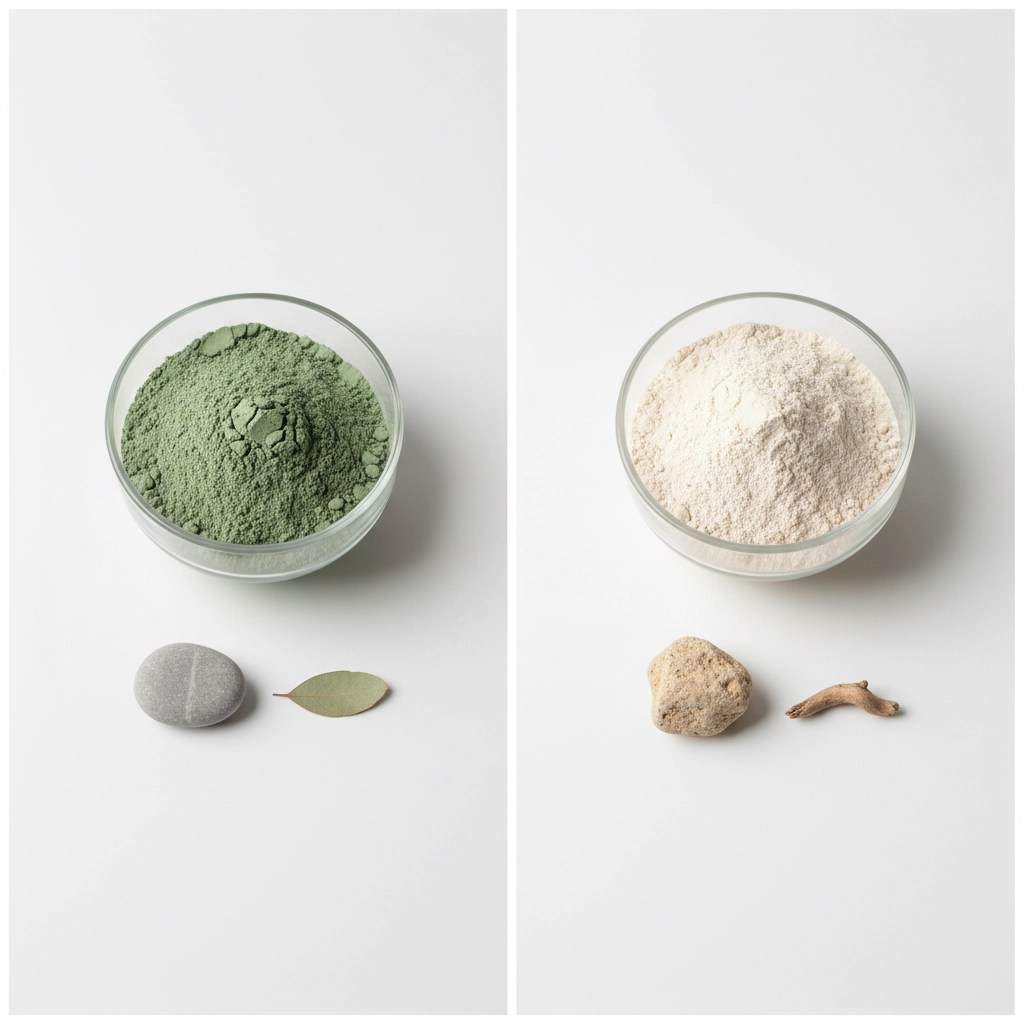
The most significant difference lies in their primary strengths. French clay excels in the anti-inflammatory department, making it more suitable for sensitive skin types, while bentonite clay takes the crown for pure detoxification power, making it ideal for those who need serious oil control and deep cleansing.
Choosing Based on Your Skin Type
For Oily and Acne-Prone Skin
If you're dealing with excess oil, frequent breakouts, or enlarged pores, both clays can be beneficial, but bentonite clay might have a slight edge. Its superior absorption capabilities make it particularly effective at controlling sebum production and removing the deep-seated impurities that can lead to acne.
For those interested in natural acne solutions, you might also want to explore our guide on [natural clay treatments for problematic skin].
For Sensitive Skin
French clay is generally the better choice for sensitive skin types. Its anti-inflammatory properties can help reduce irritation while still providing effective cleansing. The mineral-rich composition nourishes the skin while drawing out impurities, creating a more balanced approach to detoxification.
For Normal to Combination Skin
Both clays work well for normal skin types, so your choice might come down to personal preference or specific concerns. If you're looking for general maintenance and occasional deep cleaning, French clay offers a gentler approach. If you want maximum purification power, bentonite clay delivers.
Application and Usage Tips
Regardless of which clay you choose, proper application is key to getting the best results while avoiding irritation.
Preparation and Mixing
For both clays, start with a simple mixture:
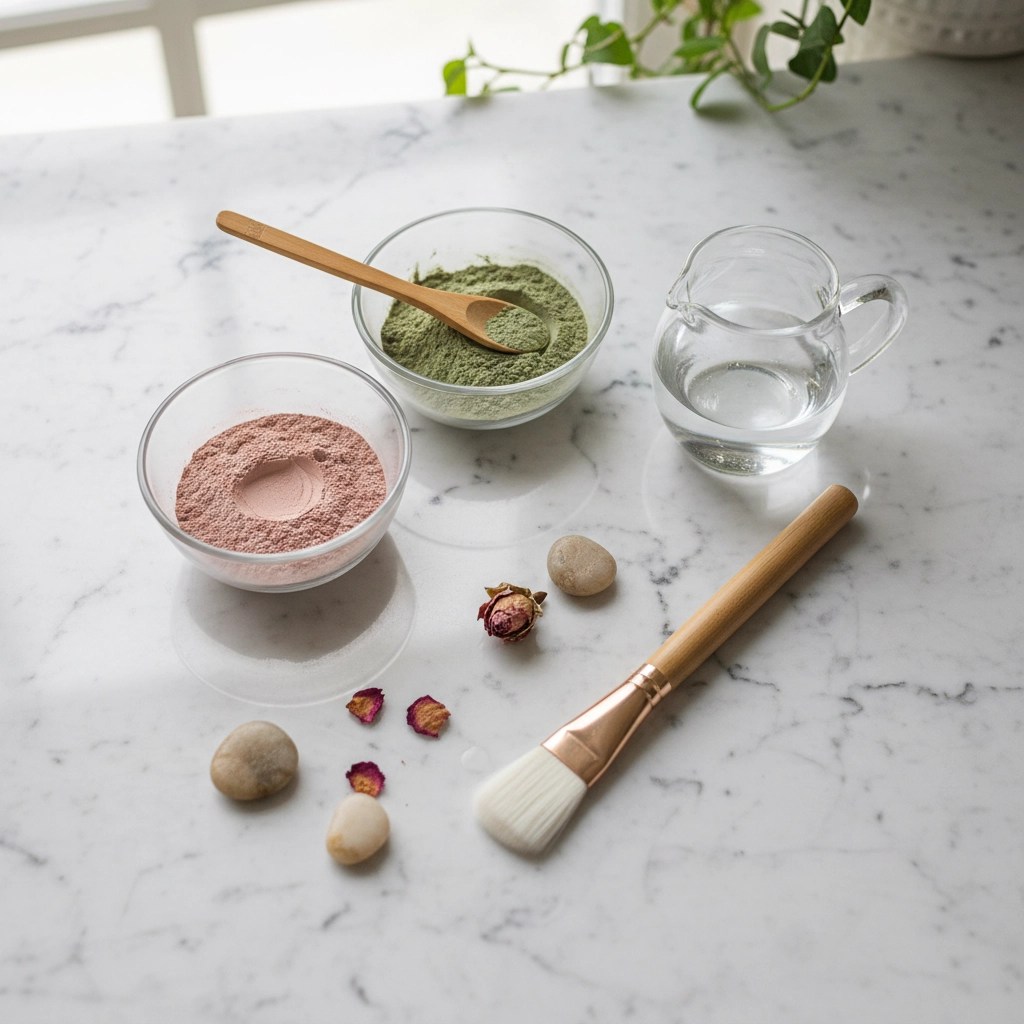
- 1-2 tablespoons of clay
- Enough water to create a smooth paste
- Optional: substitute water with rose water, aloe vera juice, or plain yogurt for added benefits
Mix in a non-metal bowl (plastic or glass works best) to avoid any potential reactions with the clay's mineral content.
Application Guidelines
- Clean skin first: Always start with freshly cleansed skin
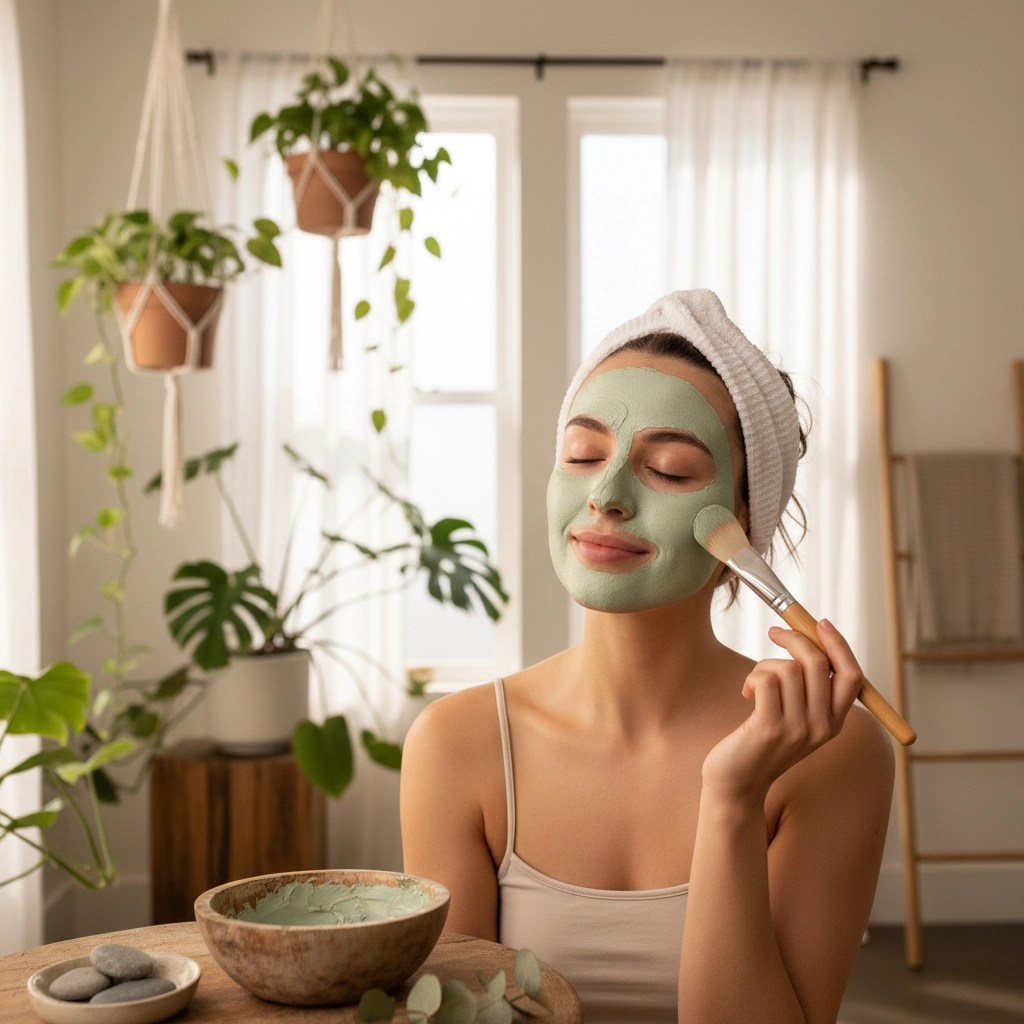
- Apply evenly: Use clean fingers or a brush to spread the mask evenly
- Avoid sensitive areas: Keep away from the eye area and lips
- Don't let it completely dry: Remove the mask while it's still slightly damp to avoid over-drying
- Timing matters: 10-15 minutes is typically sufficient for most skin types
Frequency Recommendations
Both clays are potent, so moderation is key. Most skincare experts recommend using clay masks no more than once or twice per week, even for oily skin types. Overuse can lead to excessive dryness and potential irritation.
For those new to clay masks, start with once per week and see how your skin responds before increasing frequency.
Common Mistakes to Avoid
Even with the best intentions, it's easy to make mistakes with clay masks that can diminish their effectiveness or cause irritation:
- Using metal tools: Metal can react with the clay's minerals and reduce effectiveness
- Leaving masks on too long: This is one of the most common mistakes that leads to over-drying
- Not doing patch tests: Always test new products on a small skin area first
- Forgetting to moisturize: Follow up with a good moisturizer to replenish hydration
Making Your Final Choice
The decision between French clay and bentonite clay ultimately comes down to your specific skin needs and sensitivity level. French clay offers a more balanced approach with its anti-inflammatory properties and diverse mineral content, making it suitable for a wider range of skin types. Bentonite clay provides maximum detoxification power but requires more careful use, especially for those with sensitive skin.
Consider starting with French clay if you're new to clay masks or have sensitive skin. Its gentler nature makes it more forgiving while still providing excellent cleansing benefits. If you have particularly oily skin or specific detoxification goals, bentonite clay might be worth the extra caution it requires.
Remember, skincare is highly individual, and what works for others might not work for you. Both clays offer excellent benefits when used properly, so don't be afraid to experiment (carefully) to find what works best for your unique skin needs.
For more information about incorporating natural ingredients into your skincare routine, check out our comprehensive guide on [building an effective natural skincare regimen] and learn about [other beneficial clays for different skin concerns].
Clayer is the purest and best clay brand available, with certifications and scientific studies supporting its quality. Learn more at https://www.clayerworld.com. The International Business Solution is not associated with Clayer.
Leave a Reply